Newsletters


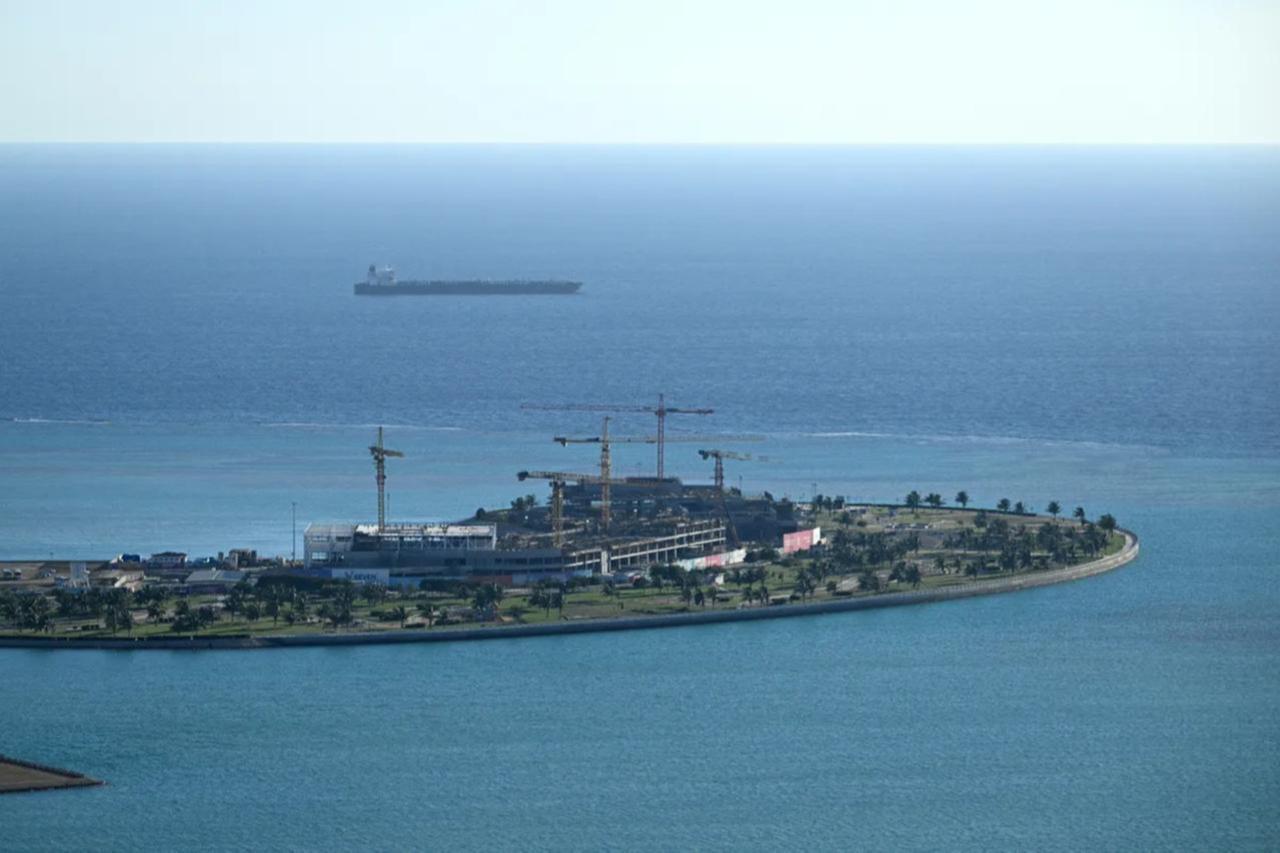


Brent crude futures for November fell more than 2% to around $98 per barrel on Tuesday after reports emerged that Saudi Arabia had restarted its East-West Pipeline, easing immediate concerns over further disruption to crude exports.
U.S. benchmark West Texas Intermediate also fell to around $90 per barrel as traders responded to expectations that Saudi crude could once again move toward international markets through the Red Sea port of Yanbu.
Although the system was pumping at a low rate, Saudi Arabia resumed operations on the pipeline, Reuters reported, indicating that crude exports from Yanbu could resume later Tuesday.
The restart came nine days after multiple drone attacks from Iraqi territory forced Saudi Arabia to shut the pipeline on Sept. 13, halting crude loadings at Yanbu and disrupting one of the kingdom's main alternative routes for getting oil to global markets.
The attack damaged three pumping stations along the pipeline, leaving the system offline and raising concerns over Saudi Arabia’s ability to maintain Red Sea shipments while the route remained out of service.
The disruption spilled into European crude markets, with Saudi Aramco reducing some shipments to European buyers as refiners sought alternative supplies. Physical crude prices in Europe subsequently climbed above $130 per barrel as buyers competed for replacement cargoes.
Last week, Aramco told European refiners that it would halt its October crude supplies. The company was also preparing a partial restart before gradually returning the pipeline to full capacity, reports said at the time.
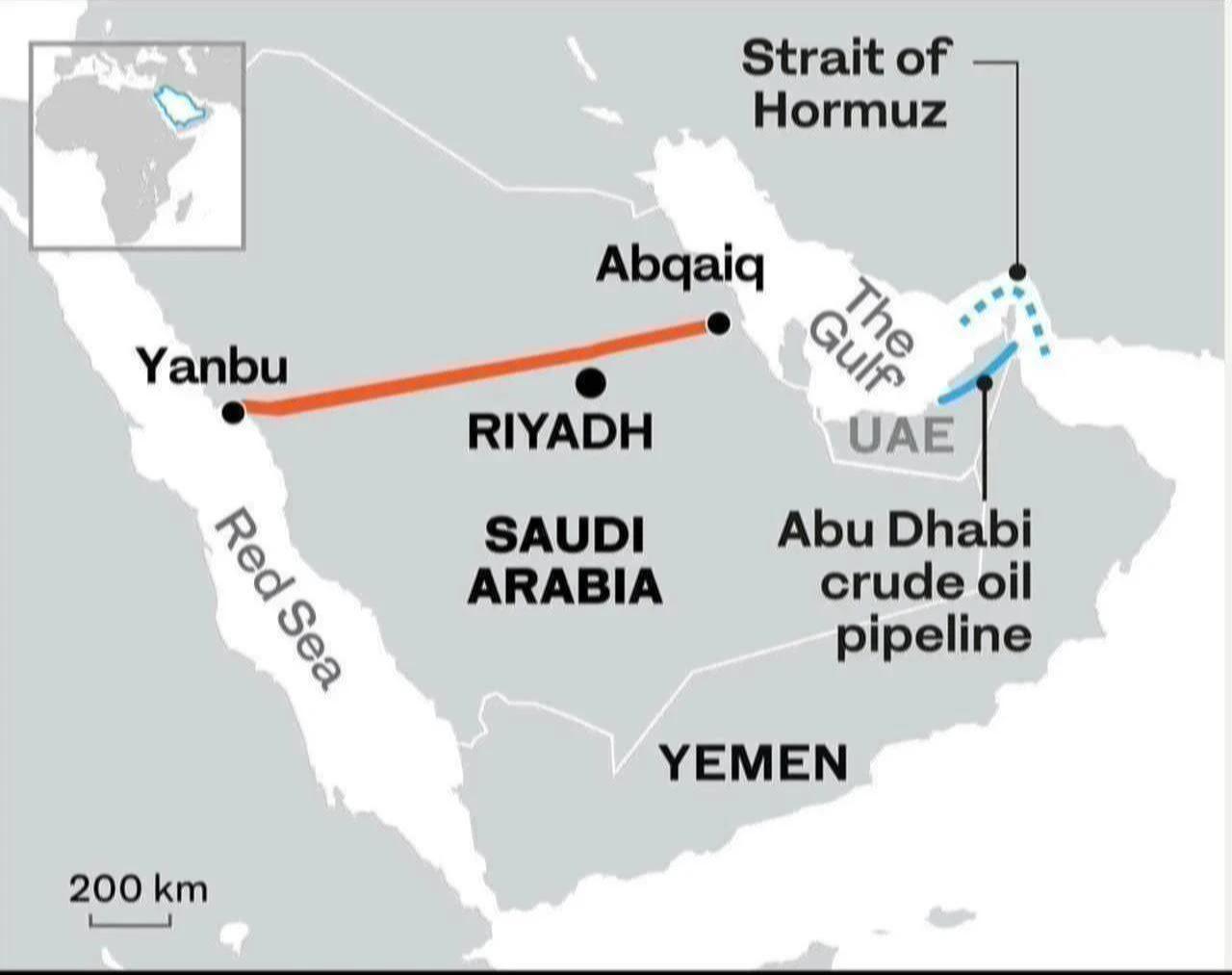

The East-West Pipeline, also known as the Petroline, runs about 1,200 kilometers across Saudi Arabia from the Abqaiq oil-processing center near the Persian Gulf to Yanbu on the Red Sea. Saudi Aramco operates the system.
The pipeline has a nameplate capacity of 5 million barrels per day, according to the U.S. Energy Information Administration. Saudi Arabia temporarily expanded that capacity to 7 million barrels per day in 2019 by converting some natural gas liquids pipelines to handle crude.
The route is strategically important as it allows Saudi Arabia to move crude to the Red Sea without sending those barrels through the Strait of Hormuz. That gives the kingdom another export option when shipping conditions around the Persian Gulf deteriorate.
The importance of that alternative route has increased during the current regional conflict, as traffic through the Strait of Hormuz has fallen sharply. Reuters reported that only 17 commodity vessels crossed the waterway over one recent weekend, compared with 37 the previous week and a pre-war average of 125 vessels a day.
The Strait normally handles nearly 20% of global oil and liquefied natural gas trade, making any prolonged disruption there a major concern for energy markets.


 Set as preferred source
 Set as preferred source



 2 min read