

 Newsletters


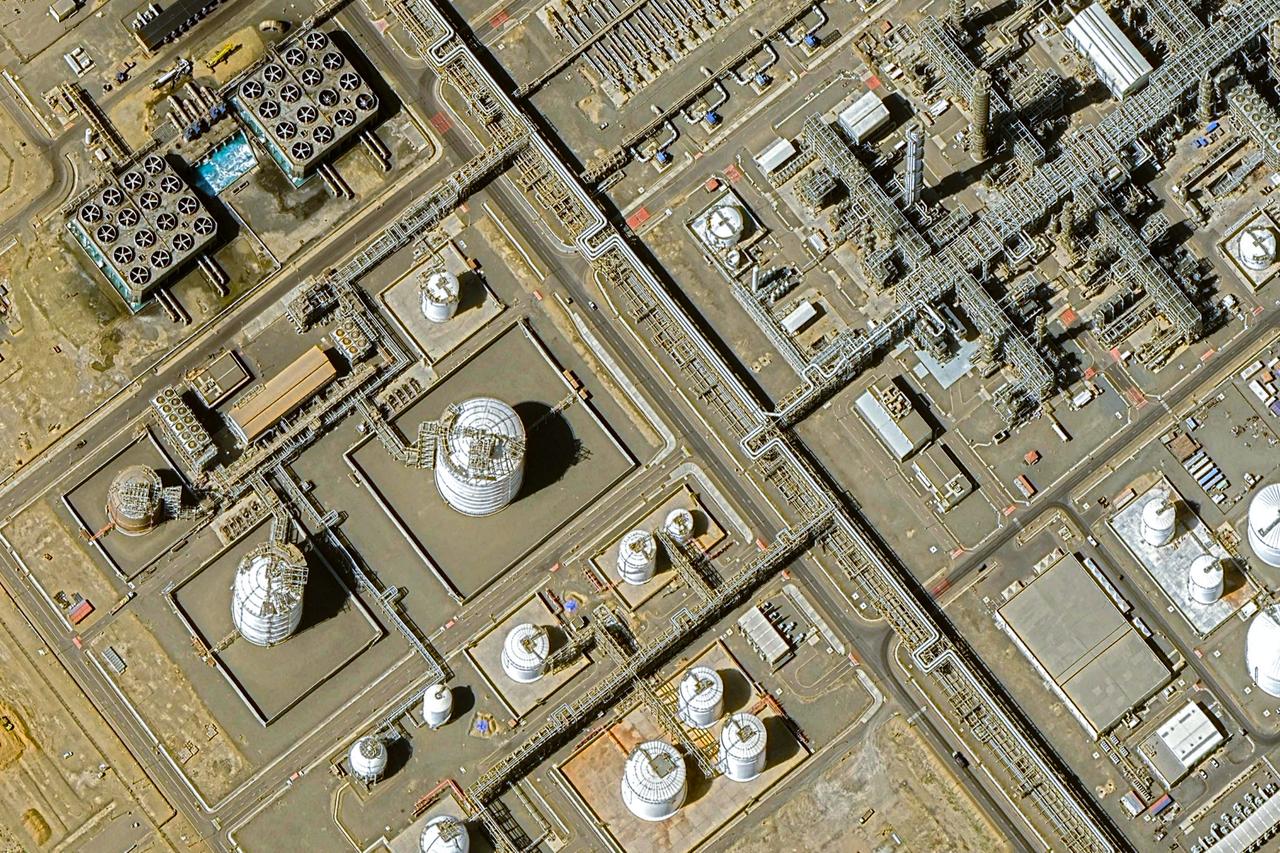


Saudi Arabia has shut its East-West Petroleum Pipeline, known as Petroline and the region's largest oil pipeline, after drone attacks from Iraq on Thursday, putting a key alternative to the Strait of Hormuz out of action as global energy markets watch for the impact.
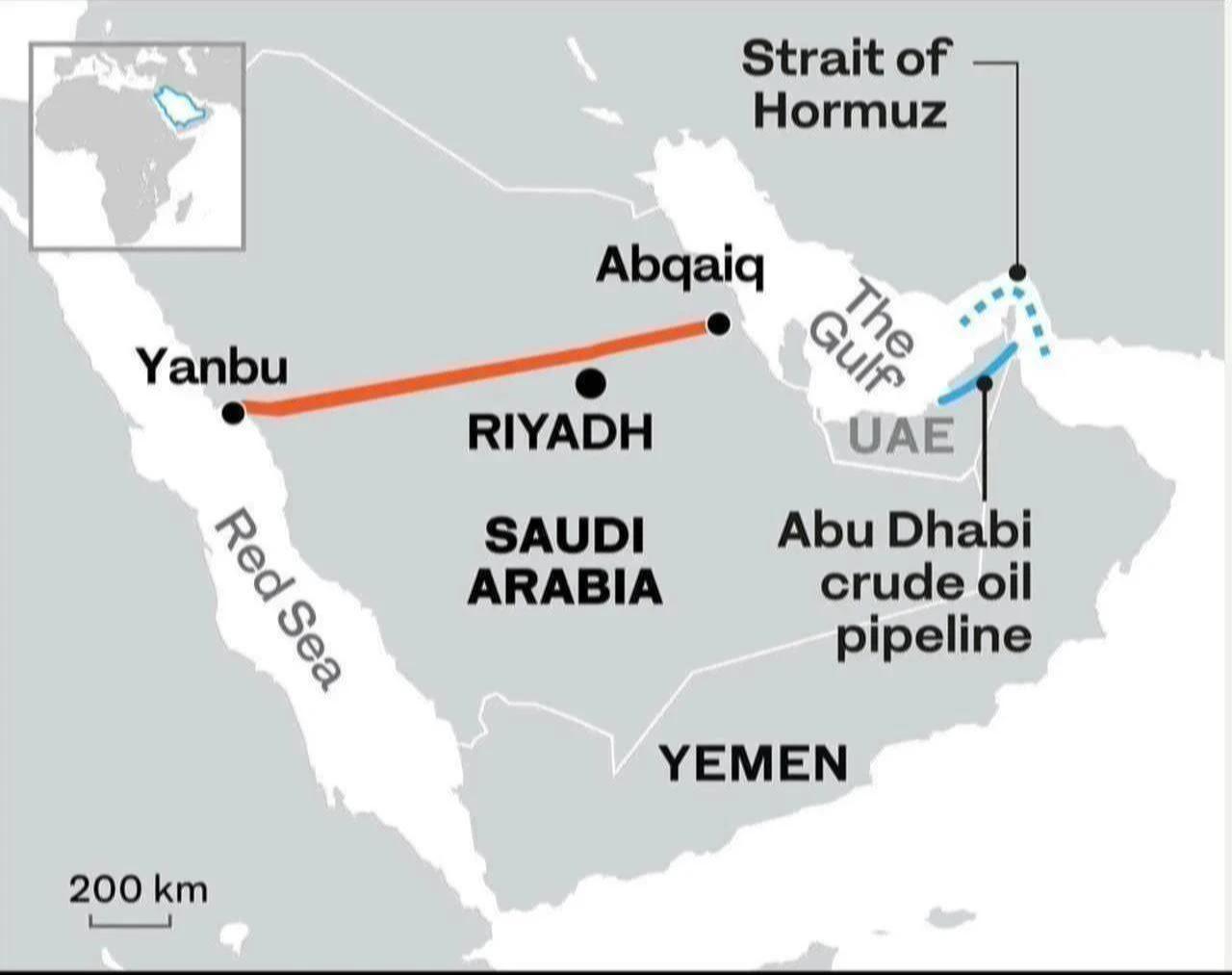
The 7 million-barrel-a-day Petroline stretches about 1,200 kilometers from Saudi Arabia's eastern Abqaiq area to Yanbu on the Red Sea, carrying crude from production and processing centers to western-coast refineries and export facilities.
After becoming a crucial lifeline for the world's top oil exporter's shipments, the pipeline now sits at the center of the latest concerns over regional oil supplies. A prolonged shutdown could further disrupt exports from a region that normally accounts for a fifth of global supply and remove a key avenue for getting Saudi crude to global buyers.
Saudi Arabia's Energy Ministry said emergency response and technical teams had begun work to secure the pipeline and assess the damage after the attacks on Sept. 10.
The ministry has not disclosed the extent of the damage to the pipeline or its connected pumping stations, nor has it given an indication of how long the route could remain out of service.
The shutdown was described as a precautionary measure, meaning crude flows were temporarily halted while teams secured the affected areas and checked the pipeline, pumping stations and operating systems.
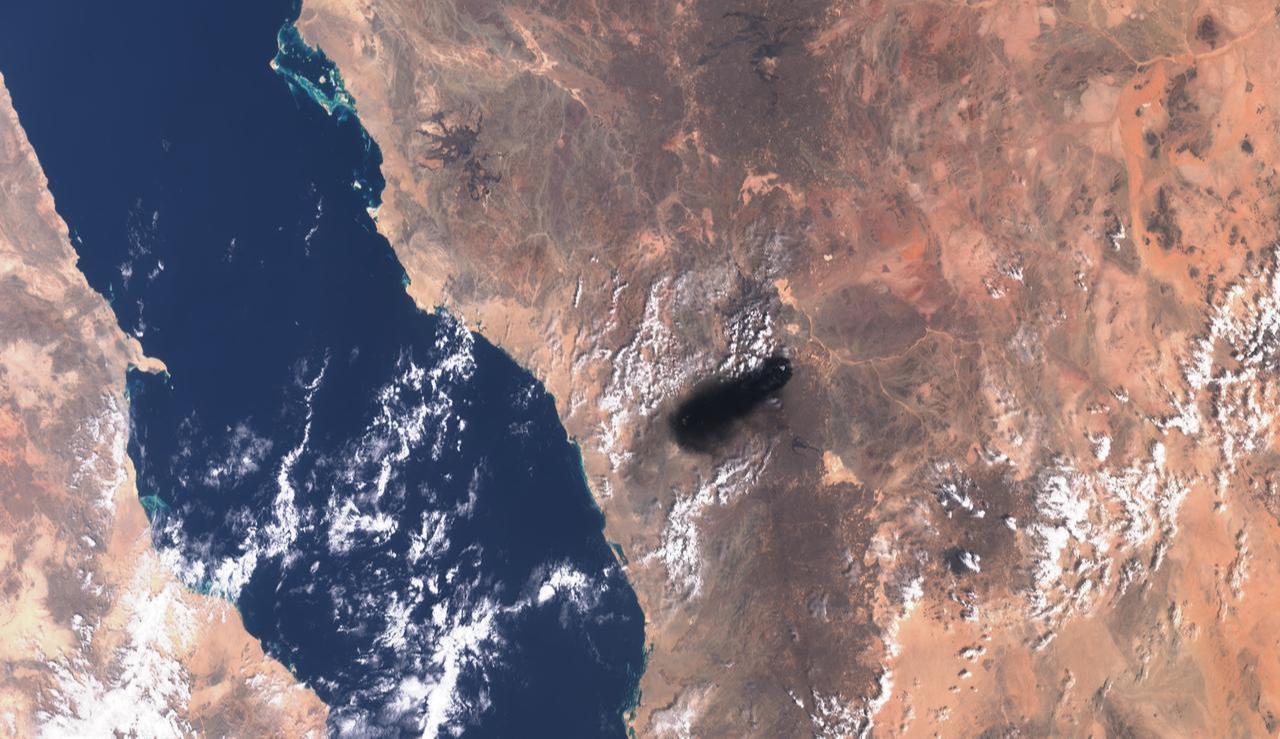

Following an earlier attack on the infrastructure in mid-April, Saudi Arabia's Energy Ministry announced on April 12 that Petroline had a full pumping capacity of about 7 million barrels per day. The incident had caused a loss of about 700,000 barrels per day in capacity, but the ministry said full capacity was restored several days later.
Saudi Aramco also reported that it had raised the pipeline's operating capacity to 7 million barrels per day to support supplies and exports from the western coast.
About 2 million barrels per day of that capacity is allocated to western-coast refineries, leaving roughly 5 million barrels per day available for other routes, including exports.
The International Energy Agency (IEA) said Saudi Arabia rapidly ramped up crude flows through Petroline after the Strait of Hormuz was effectively closed, using Yanbu to keep exports moving through the Red Sea.
Despite Saudi Arabia's overall crude exports plunging from about 7.3 million barrels per day in February, the kingdom was still able to export roughly 5 million barrels per day in March, with an average of 4.1 million barrels per day redirected to Yanbu, according to Wood Mackenzie data.
Shipments from the port rose from about 2 million barrels per day before the war to more than 5 million barrels per day in early June.
The flows later eased as Houthi attacks intensified around the Red Sea and the Bab el-Mandeb Strait, forcing some buyers to reroute Saudi crude shipments through longer and more costly routes.
The attacks also targeted Saudi oil infrastructure and shipping near Yanbu, adding pressure on the kingdom's Red Sea export network.
Vortexa estimated Yanbu loadings at 3.2 million barrels per day in August, before they rebounded to about 3.7 million barrels per day in early September. Kpler put September volumes at around 2.9 million barrels per day, up from about 1.5 million barrels per day in August.
The pipeline's 7 million-barrel-a-day maximum capacity also exceeds the amount of crude that can actually be exported through Yanbu.
The Red Sea terminal has a crude-loading capacity of about 4.5 million barrels per day and 12.5 million barrels of storage, while some of the crude arriving through Petroline is directed to western-coast refineries rather than export berths.
The actual impact depends on how much crude was flowing through the pipeline, how much was destined for refineries, and how much could have been loaded onto tankers at Yanbu.
Saudi Arabia has not disclosed the amount of capacity currently unavailable, the extent of damage to the pipeline or pumping stations, or when operations could resume.
Brent crude settled at $104.61 a barrel on Friday, down 2.81% on the day, but still ended the week up 8.7% after rising as high as $109.97 earlier in the session.


 Set as preferred source
 Set as preferred source


 1 min read

 1 min read


