Newsletters


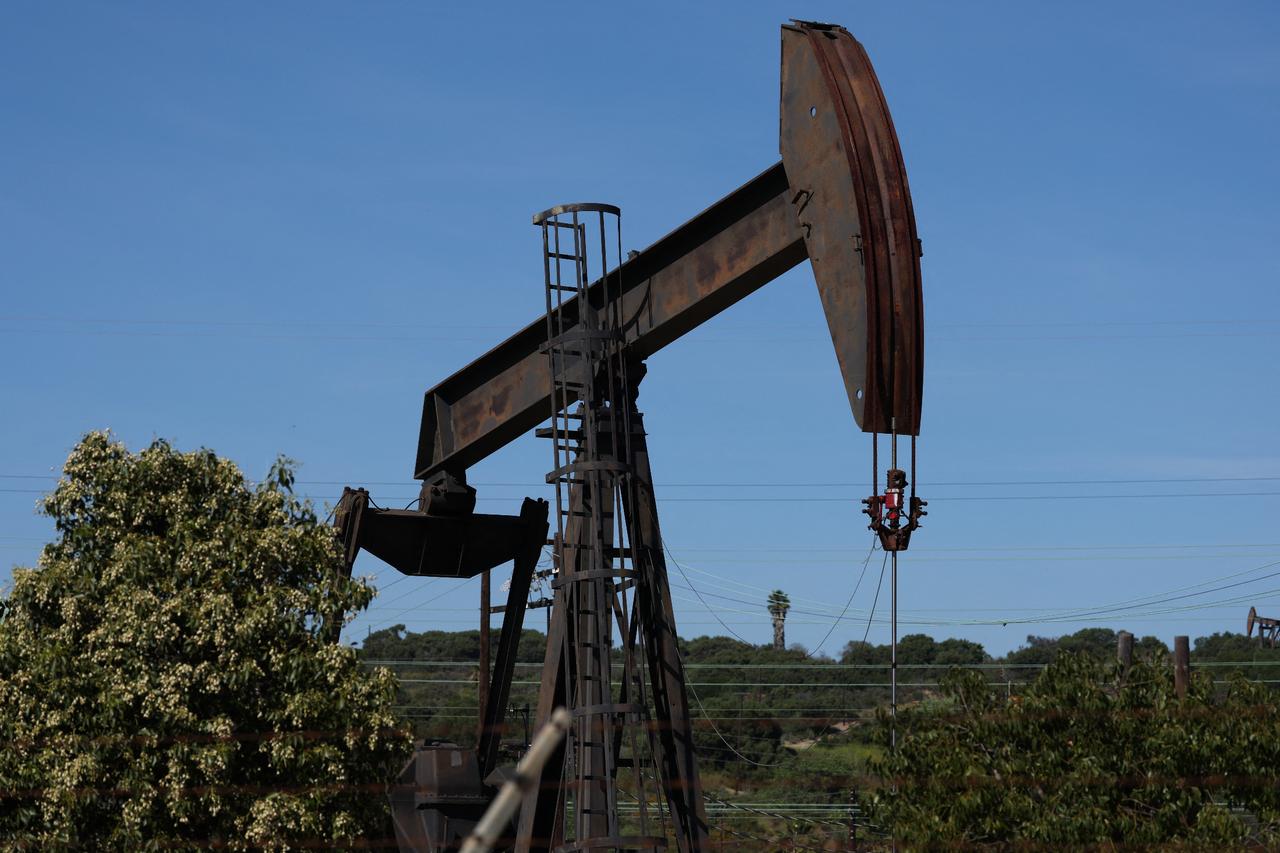


Oil prices edged higher at the start of the week, with Brent crude hovering around $112 per barrel, as the International Energy Agency (IEA) signaled it may release more emergency reserves following a record drawdown earlier this month to ease pressure on the Strait of Hormuz bottleneck.
Conflict between the U.S. and Iran has ramped up as it enters its fourth week, disrupting flows through the Strait of Hormuz, which usually carries about 20% of global oil and gas. With traffic through the waterway nearly at a standstill, supply constraints are raising concerns about prolonged volatility in energy markets.
Moving the escalation higher, Tehran said it would target energy and water infrastructure in Gulf countries if U.S. President Donald Trump follows through on a threat to strike Iran’s electricity grid within 48 hours.
Brent crude stood at $112.61 at 5:10 a.m. GMT, marking a 0.5% daily increase, while U.S. benchmark WTI traded at $98.8 per barrel after briefly moving above $100.
The IEA is consulting governments in Asia and Europe on whether additional oil from strategic reserves should be released, according to Executive Director Fatih Birol. The move would follow the March 11 decision by member countries to release a record 400 million barrels, equivalent to 20% of total stockpiles.
"If it is necessary, of course, we will do it. We look at the conditions, we will analyse, assess the markets and discuss with our member countries," Birol said.
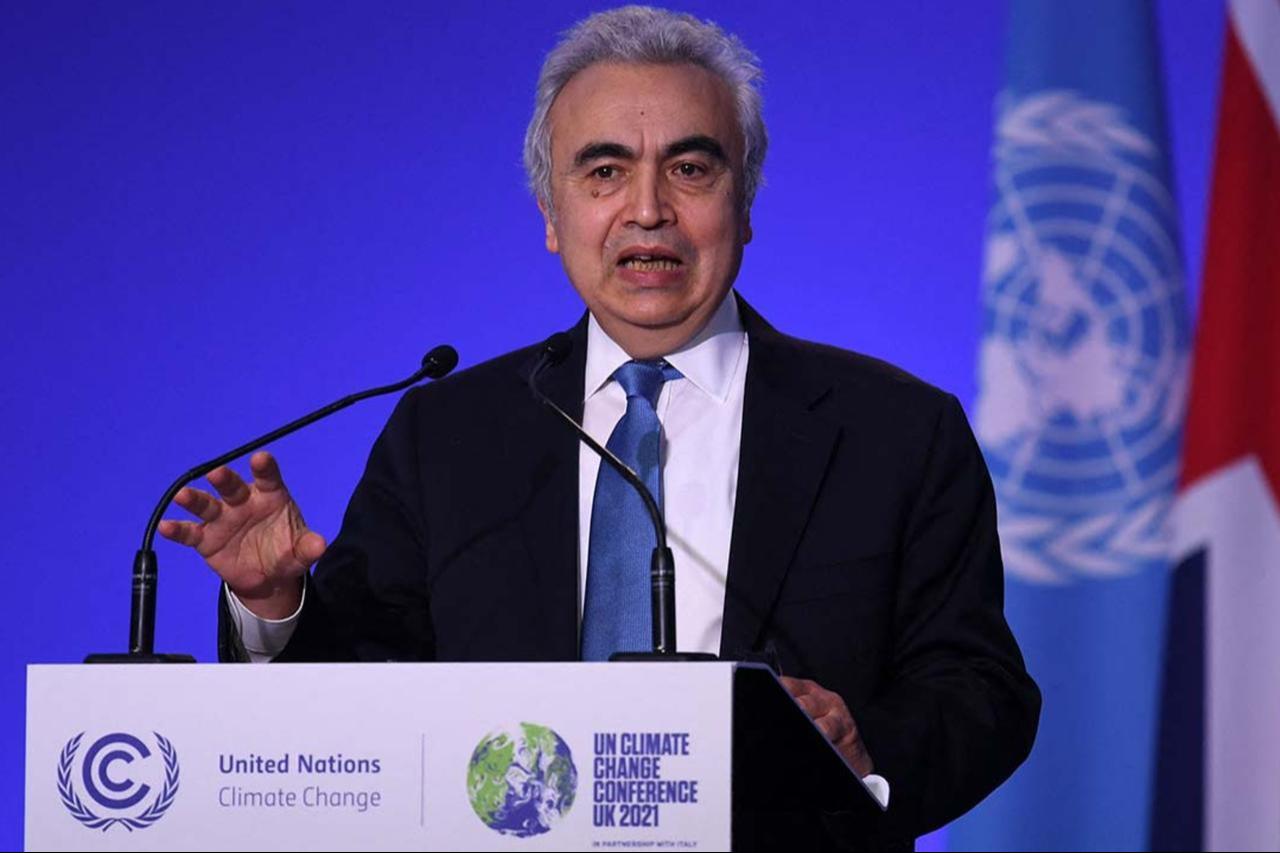

He added that no specific price threshold would trigger a new release, emphasizing that such measures are temporary. "A stock release will help to comfort the markets, but this is not the solution. It will only help to reduce the pain in the economy."
Birol also warned that the ongoing energy crisis, driven by the Middle East conflict, is putting broad pressure on the global economy, describing the situation as an overlap of multiple shocks that combine oil market disruptions with instability in gas markets.
"The global economy is facing a major, major threat today," he said, adding that "no country will be immune" if the crisis continues.
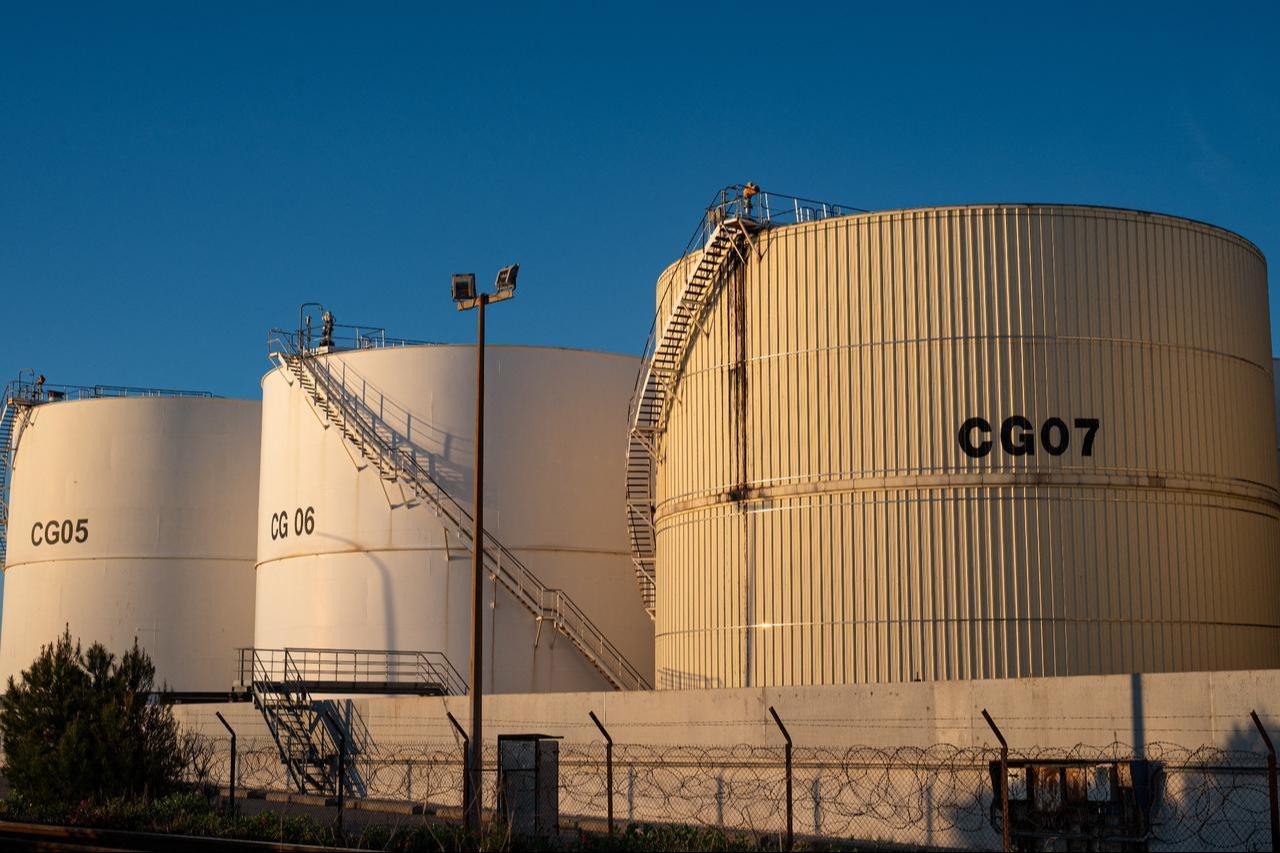
U.S. investment bank Goldman Sachs raised its 2026 average price forecast for Brent crude to $85 per barrel from $77, while lifting its West Texas Intermediate (WTI) estimate to $79 per barrel from $72 in a note released on Sunday.
The bank cited expected disruptions to shipments through the Strait of Hormuz and increased strategic stockpiling as factors tightening market conditions. It projected Brent to average $110 per barrel in March and April, up from a previous forecast of $98, as traders price in a growing risk premium linked to supply uncertainty.

"The price when uncertainty peaks may be $135 per barrel if the market required a risk premium to generate precautionary demand destruction offsetting supply destruction over six months in a risk scenario of 10 weeks of very low flows and 2 million barrels a day of persistent production losses," the bank said.
Looking further ahead, the bank forecast Brent and WTI to stabilize at $80 and $75 per barrel, respectively, through 2027, as supply responses and demand adjustments balance efforts by countries to rebuild strategic reserves.


 Set as preferred source
 Set as preferred source


 1 min read
 1 min read