Newsletters


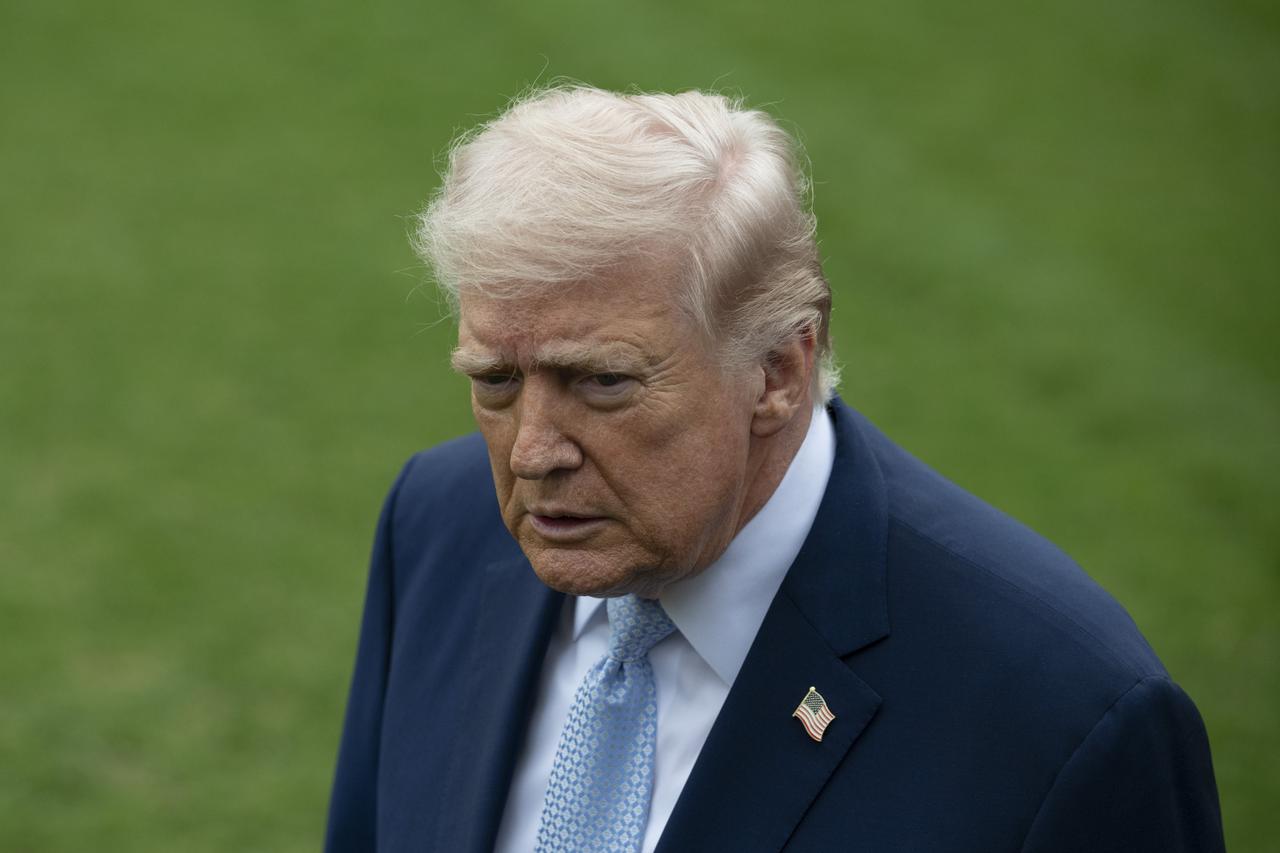


U.S. President Donald Trump issued a 48-hour ultimatum to Iran on Saturday, threatening to "hit and obliterate" Iranian power plants if Tehran does not fully reopen the Strait of Hormuz to shipping.
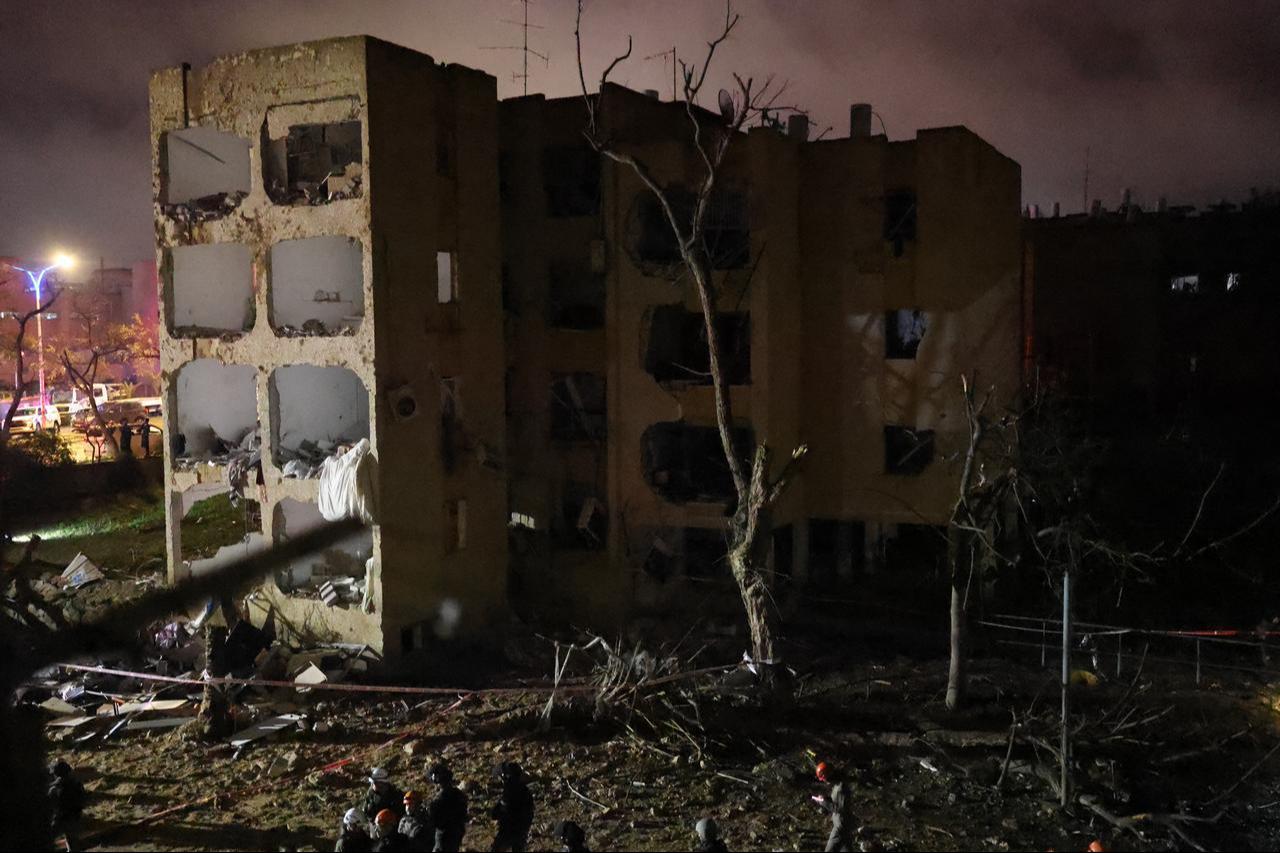
Iran immediately vowed to retaliate by striking U.S. and Israeli energy, IT, and desalination infrastructure across the region as two Iranian missiles struck southern Israel in the most destructive attack since the war began.

"If Iran doesn't FULLY OPEN, WITHOUT THREAT, the Strait of Hormuz, within 48 HOURS from this exact point in time, the United States of America will hit and obliterate their various POWER PLANTS, STARTING WITH THE BIGGEST ONE FIRST!" Trump wrote on Truth Social Saturday at 7:44 p.m. U.S. Eastern Time, setting a deadline of approximately 23:44 GMT Monday.
Trump did not specify which plant he was referring to as the largest.
Iran's largest power plant is the Bushehr Nuclear Power Plant on the Persian Gulf in southwest Iran, which is Iran's only commercial nuclear power plant.
The ultimatum marked a significant escalation in Trump's rhetoric.
He had previously told PBS' Liz Landers he deliberately avoided targeting power plants in Tehran because rebuilding them would take years and cause "trauma" to the civilian population.
In a separate post, Trump also wrote, "The United States has blown Iran off of the map, and yet their lightweight analyst, David Sanger, says that I haven't met my own goals. Yes, I have, and weeks ahead of schedule! Their leadership is gone, their navy and air force are dead, they have absolutely no defense, and they want to make a deal. I don't! We are weeks ahead of schedule."
Iran's Islamic Revolutionary Guard Corps (IRGC) responded immediately to Trump's threat.
"Following previous warnings, if Iran's fuel and energy infrastructure is violated by the enemy, all energy, information technology, and desalination infrastructure belonging to the United States and the Israeli entity in the region will be targeted," the IRGC said in a statement carried by the semi-official Tasnim and Fars news agencies.
Iran's Defense Ministry spokesman Reza Talaei-Nik also said Iran will continue fighting until the enemy "fully stops and surrenders."
He claimed that in the maritime domain, "there is no trace of enemy ships in the Persian Gulf and the Sea of Oman today," describing this as evidence of the enemy's "complete collapse" in the area.
Iranian Foreign Minister Abbas Araghchi had said Friday that Iran would show "zero restraint" if its infrastructure came under attack.
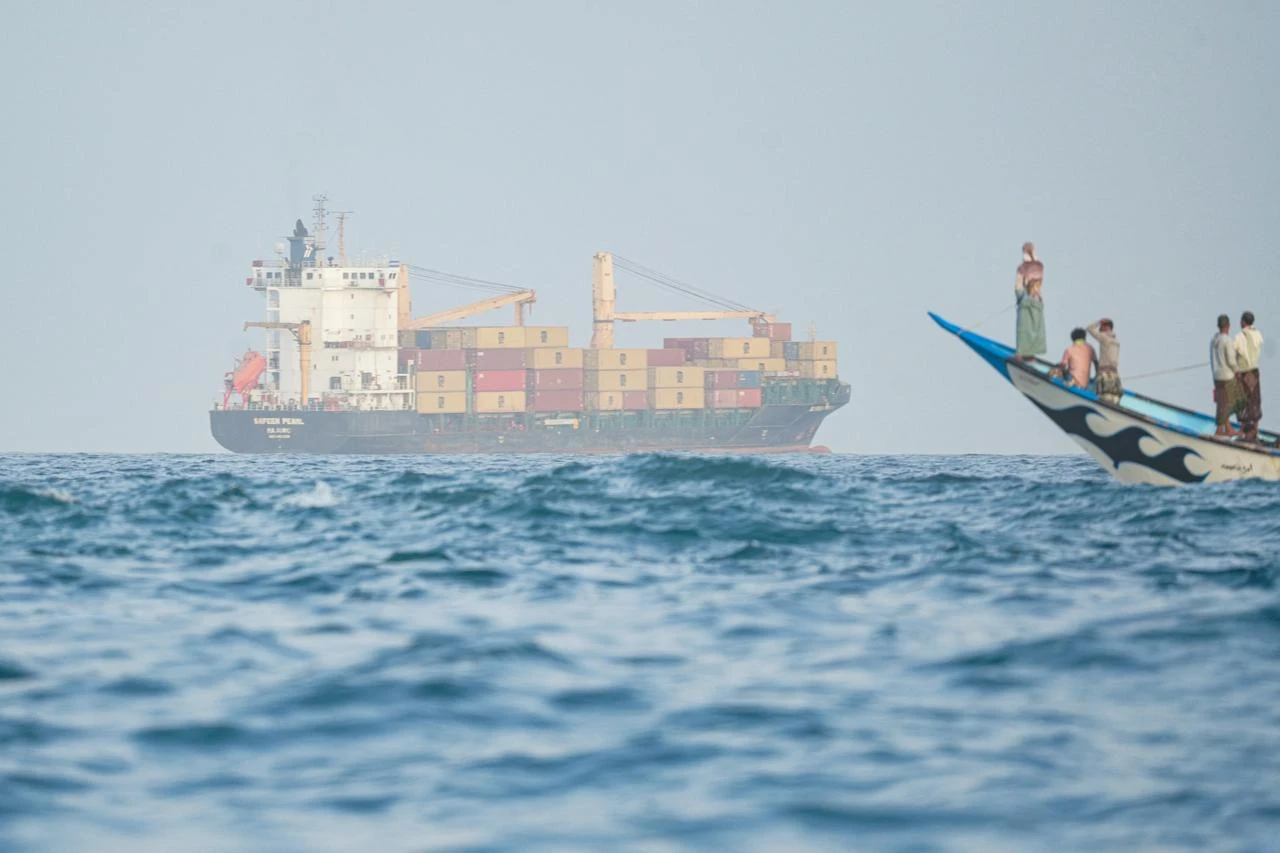
The Strait of Hormuz has been effectively disrupted since early March, pushing oil prices higher.
The U.S.-Israeli strikes against Iran began Feb. 28 and have reportedly killed at least 1,300 people, including then-Supreme Leader Ali Khamenei.
Tehran has retaliated with drone and missile strikes targeting Israel, Jordan, Iraq, and Gulf countries hosting U.S. military assets throughout the campaign.


 Set as preferred source
 Set as preferred source



 6 min read