Newsletters


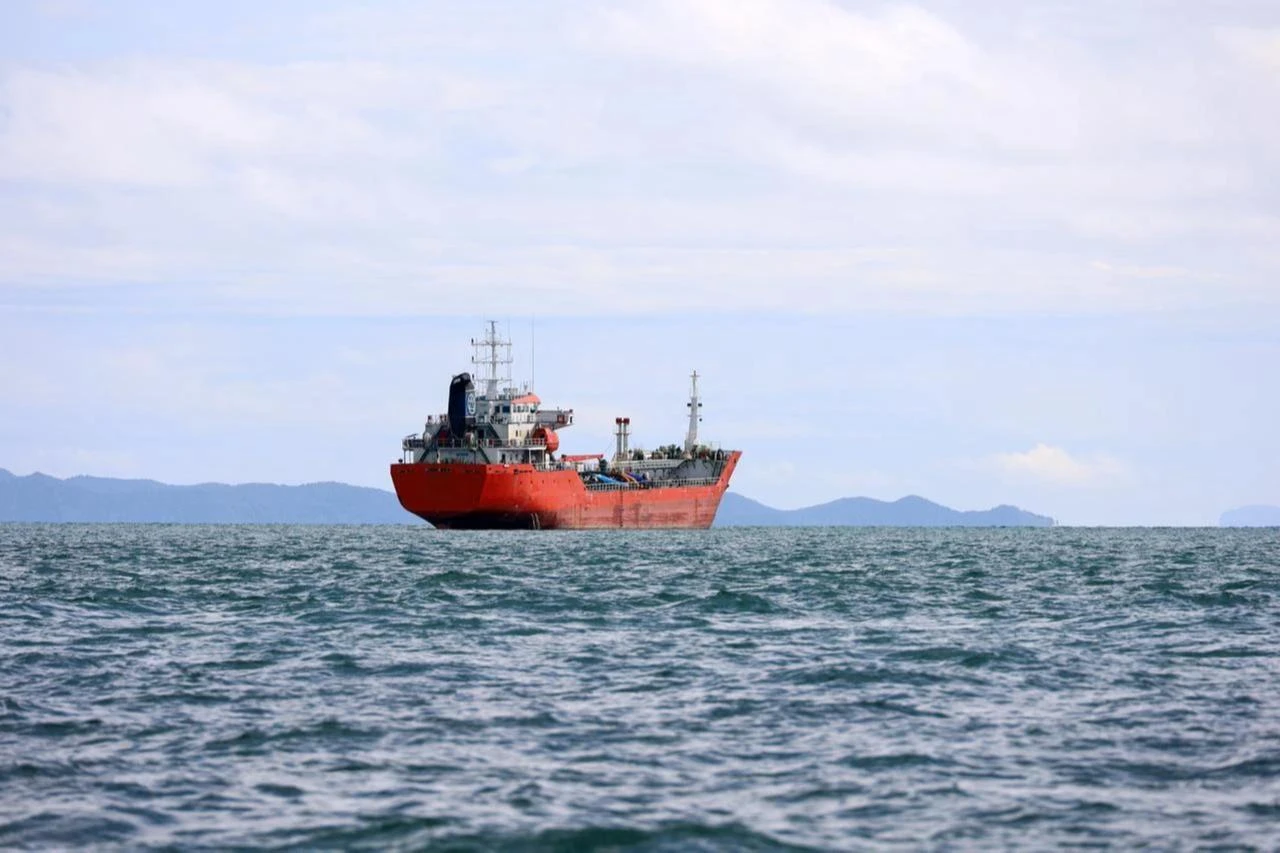


Oil prices surged over 7% on Wednesday after U.S. President Donald Trump threatened to strike Iran following an overnight missile attack on American forces in Jordan, while reports that Yemen's Houthis are preparing to charge commercial vessels using the Bab el-Mandeb Strait added to fresh concerns over global energy supplies.
Brent crude for September delivery climbed 7.2% to $90.1 a barrel as of 12:33 p.m. GMT. U.S. West Texas Intermediate (WTI) crude for the same delivery month rose 6.8% to $84.6 a barrel.
European gas futures at the Dutch TTF hub also climbed over 5% to €60.9 ($69.3) per megawatt-hour.
Trump warned that the United States would respond forcefully after Iran launched missiles toward U.S. bases in Jordan. "We'll be hitting them hard. They're going to get a beating," Trump told Fox News.
Earlier the same day, Jordan's military reported that its air defenses intercepted and destroyed five Iranian missiles after they were detected by the kingdom's surveillance systems.
Iran's Revolutionary Guard maintained that the attack was aimed at a U.S. air base in retaliation for American military actions.
Hours later, a U.S. airstrike targeted an area near the western Iranian city of Piranshahr, close to the Iraqi border, Iran's state broadcaster IRIB reported. The broadcaster said the strike hit a location in West Azerbaijan province and was "reportedly carried out by the U.S.," adding that there were no immediate reports of casualties or damage.
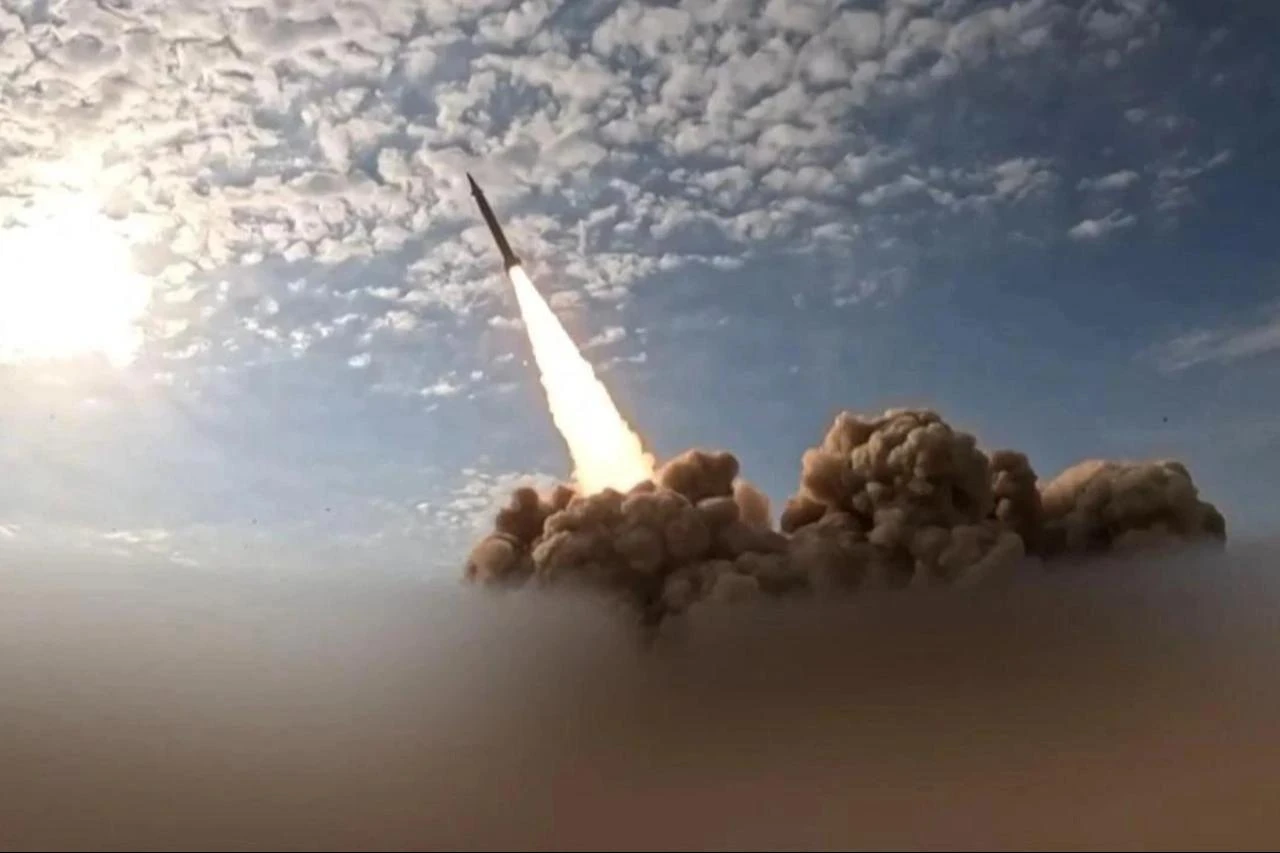

Separately, Reuters reported that the Iran-backed Houthis are developing plans, with guidance from Iranian advisers, to impose transit fees on commercial vessels using the Bab el-Mandeb Strait, potentially opening a new front in disruptions to one of the world's busiest maritime chokepoints.
The proposal comes days after the Houthis declared a naval blockade on Saudi Arabia, raising fresh concerns over global energy supplies. The Bab el-Mandeb has become the kingdom's main oil export route as traffic through the Strait of Hormuz remains severely disrupted.
State oil giant Aramco has rerouted much of its crude through the kingdom's 7 million-barrel-per-day East-West pipeline to the Red Sea port of Yanbu, which can export around 5 million barrels per day, while the remaining capacity supplies domestic refineries.
The International Energy Agency warned last week that renewed threats to the Bab el-Mandeb are heightening energy security risks as Gulf exporters increasingly rely on the route to bypass the Strait of Hormuz.


 Set as preferred source
 Set as preferred source


 1 min read

 1 min read