Newsletters


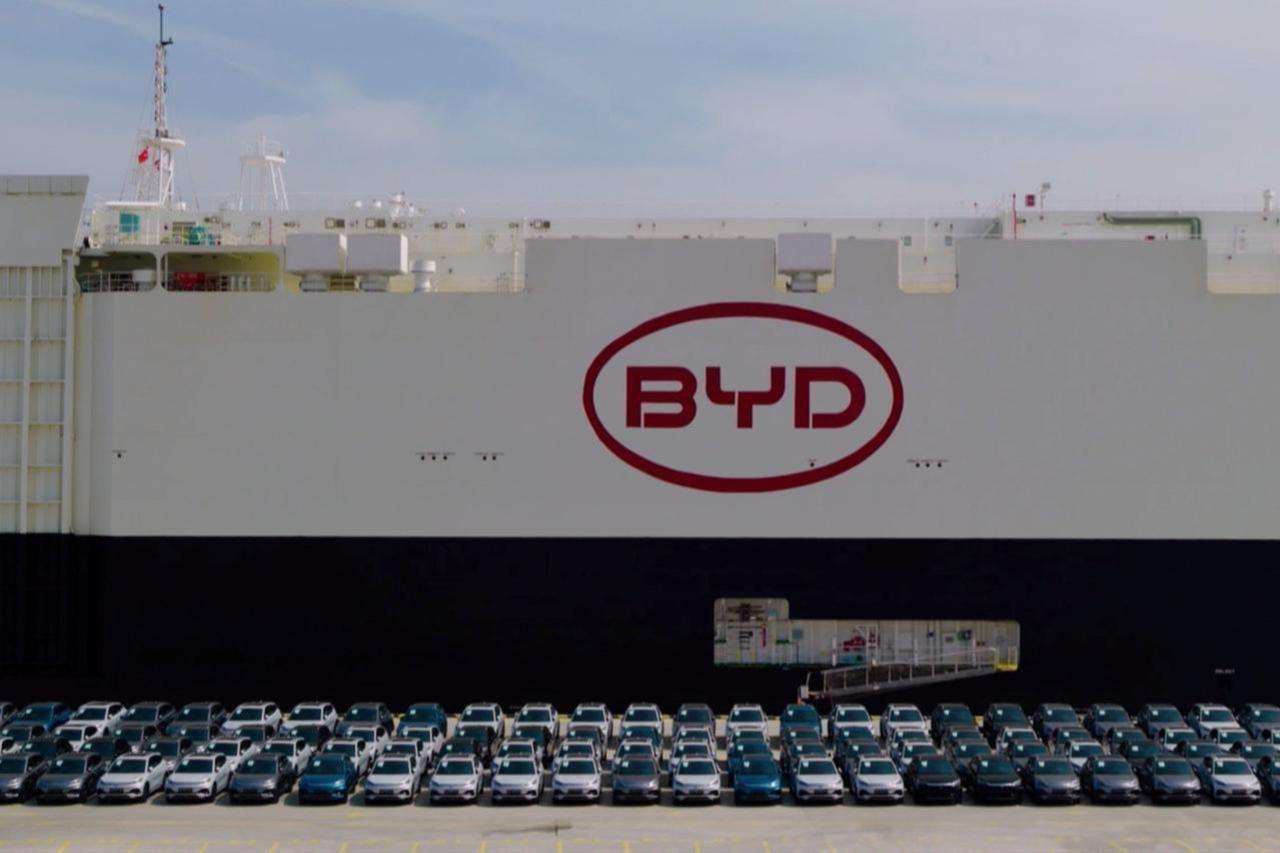


Chinese electric vehicle maker BYD has put its planned $1 billion manufacturing project in Türkiye on hold as it concentrates on ramping up production in Europe, a senior executive revealed on Tuesday.
The company is preparing to launch vehicle assembly at its new factory in Hungary in the fourth quarter of this year, making the facility its immediate priority as it expands its European footprint.
"Hungary is the number one priority right now," BYD Executive Vice President Stella Li told Reuters during an interview at the company’s U.K. headquarters in west London.
"The second priority will be to focus on finding a second production facility in Europe."
BYD announced in July 2024 that it would invest $1 billion in a manufacturing complex in the western province of Manisa, aiming to produce up to 150,000 electric and plug-in hybrid vehicles annually and establish a research and development center focused on sustainable mobility technologies.
The deal includes a Turkish government Investment Incentive Certificate, which exempts BYD from import duties in return for its commitment to local production.
This strategic move provides the Chinese automaker with a direct route into the European market, leveraging Türkiye’s customs union with the EU.
The project was expected to create around 5,000 direct jobs and begin production by the end of 2026. However, Li confirmed that construction on the project has not started and that the automaker has yet to set a timeline for the start of production in Türkiye.
BYD sold 45,537 vehicles in Türkiye in 2025, making it the country's best-selling brand in the plug-in hybrid and new-energy vehicle segments. However, its sales fell 63.9% year-on-year to 6,726 units in the January–May period of 2026, down from 18,644 a year earlier, with domestic brand Togg overtaking it in the market.
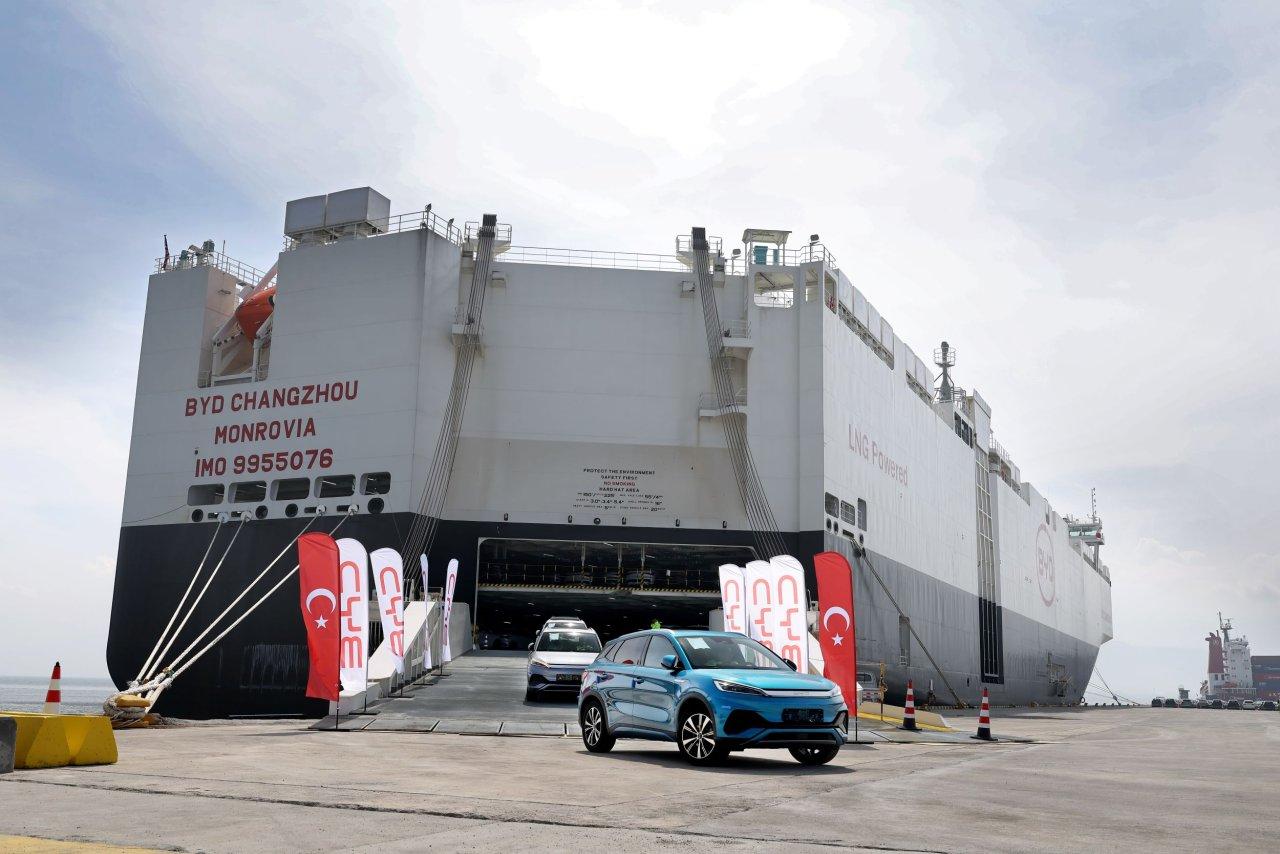

BYD’s factory in the Hungarian city of Szeged is expected to begin manufacturing the Dolphin Surf compact electric vehicle later this year. The production launch comes roughly a year later than the company had initially projected.
Li had previously indicated in September that the plant would be producing vehicles by the end of 2025. The executive noted that BYD is still installing equipment at the facility as preparations continue.
The Szeged facility is BYD's first passenger-car factory in Europe and one of the largest Chinese automotive investments in the region. The plant is designed to initially produce up to 150,000 vehicles annually, with capacity expected to eventually double to 300,000 units.
The company’s European sales climbed 270% last year to nearly 188,000 vehicles. Sales continued to accelerate in 2026, rising 144% through May to more than 100,000 units. Expanding production within Europe would also help BYD avoid European Union tariffs imposed on Chinese-made electric vehicles.


 Set as preferred source
 Set as preferred source


 1 min read
 1 min read