Newsletters


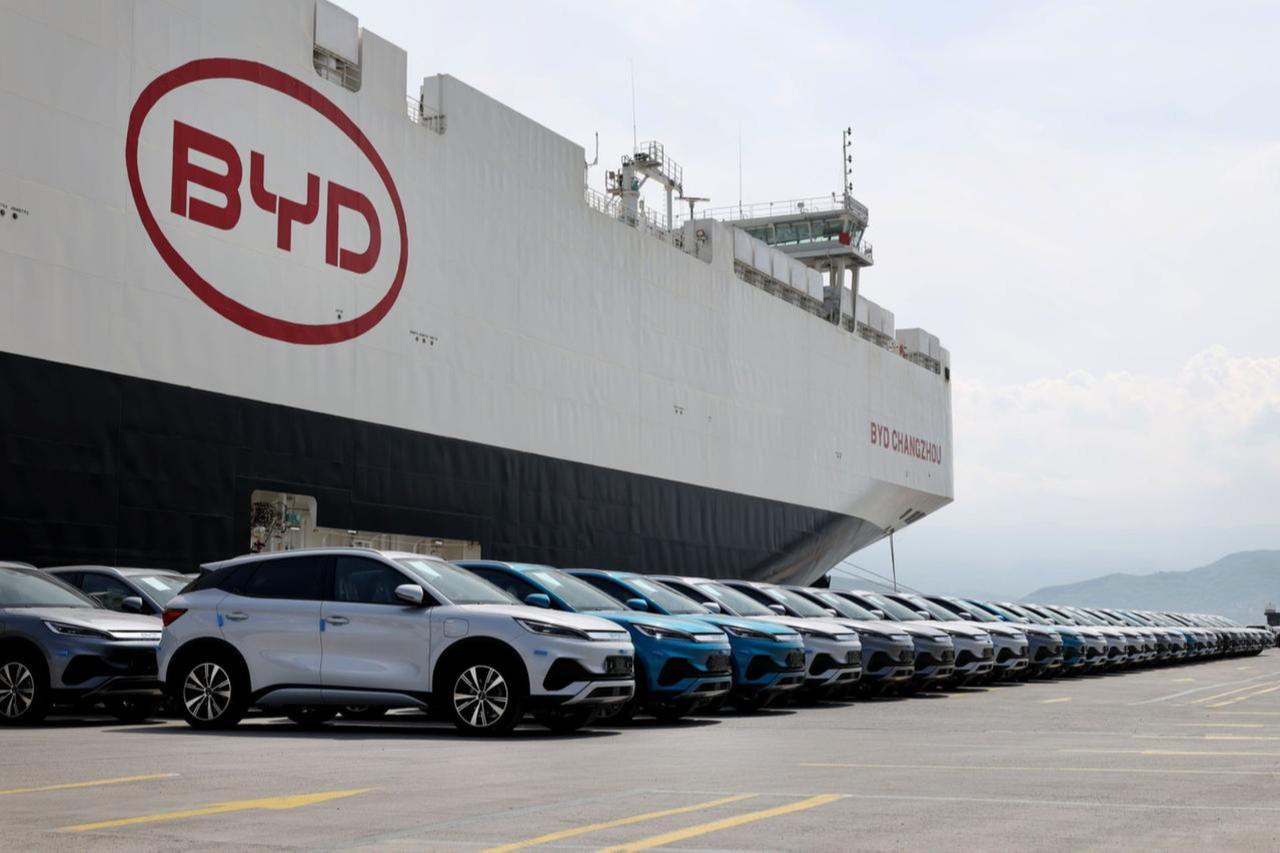


The Chinese electric vehicle manufacturer BYD is continuing with its planned investment in Türkiye to launch the facility by late 2026, Turkish officials said, dismissing allegations of delays in establishing the facility.
Officials from the Turkish Industry and Technology Ministry told journalist Emre Ozpeynirci that "the process has not stopped and continues as planned," emphasizing that some BYD executives remain in Türkiye in an effort to counter speculation that the project has stalled or shifted focus to Hungary.
The $1 billion investment plan was first formalized in July 2024, when BYD signed an agreement with the Turkish government. The deal included the establishment of a factory in Manisa with a 150,000 annual production capacity, which is expected to employ around 5,000 people and begin production by the end of 2026.
Since the announcement, BYD has also initiated preparations for another production facility in Szeged, Hungary, and the absence of any groundbreaking in Manisa has fueled speculation that Türkiye may have lost its place as a priority in the company’s European expansion plans.
Announced in late 2023, the Szeged plant is BYD’s first major EV factory in Europe, with a $4.5 billion investment enabling the company to bypass E.U. import tariffs through local production capped at 300,000 vehicles and access tax incentives linked to green manufacturing.
However, the Szeged project has likewise faced criticism, as an earlier Reuters report cited sources who said BYD would delay mass production in Hungary until 2026 and operate below capacity for at least two years, while planning to start production earlier than expected in Türkiye—where labor costs are lower—and exceed its initially announced output.

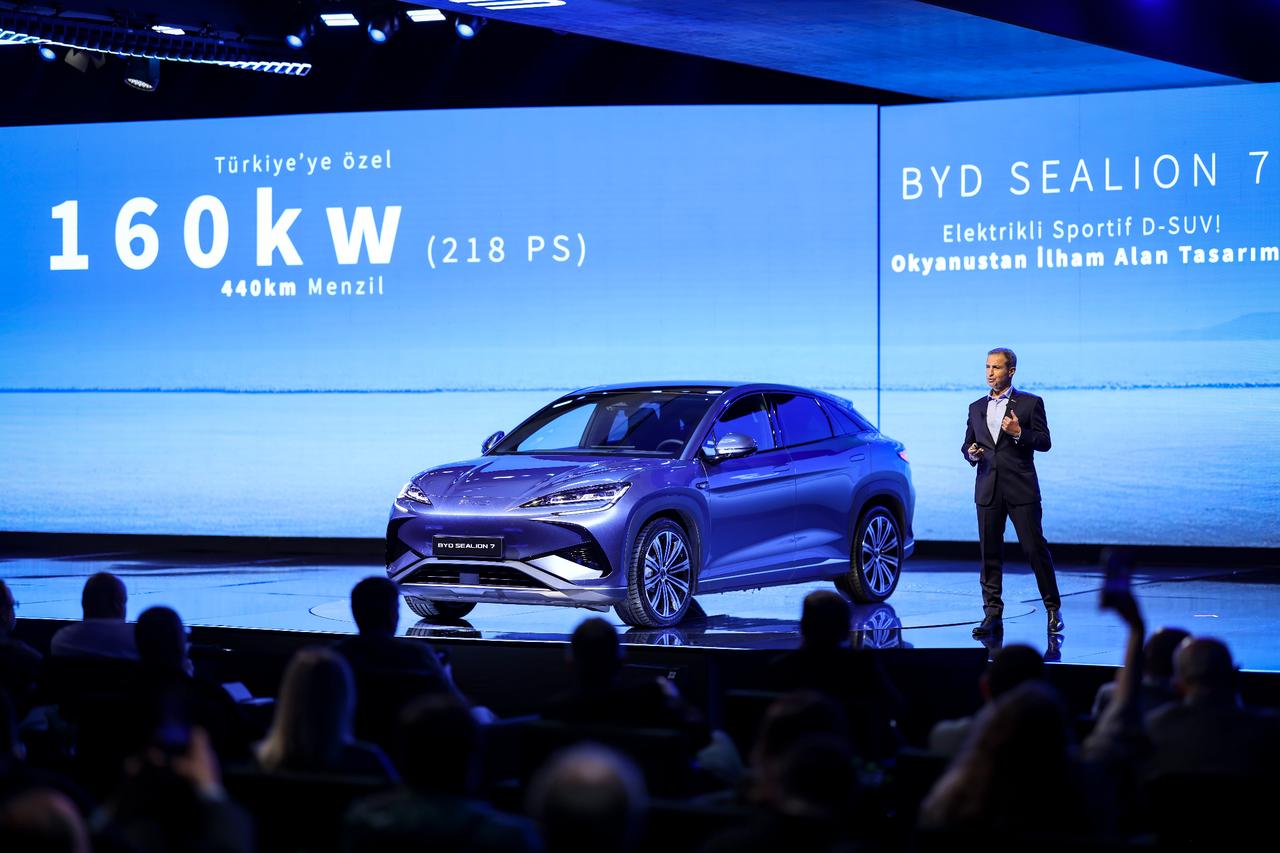
Some reports alleged that the Chinese company has been stalling the process intentionally to leverage its current tax advantages in the Turkish market, as it was exempted from customs tariffs of up to 30% under the agreement. Entering the market in September 2023, BYD sold 40,770 vehicles between January and November, becoming the leading EV brand in Türkiye.
Last week, media reports claimed that thousands of BYD vehicles were being held at customs due to delays attributed to the Trade Ministry, implying a possible unofficial halt in imports in response to the Chinese company.
Addressing the speculation, Trade Minister Omer Bolat firmly denied the allegations, stating that the claims "do not reflect reality." "Some isolated cases may occur due to firms exceeding their import quotas or failing to meet guarantee obligations," Bolat said. "For incentives granted under tax exemption schemes, it is mandatory to provide a letter of guarantee. There is no general suspension of imports at customs."
Founded in 1995 and headquartered in Shenzhen, China, BYD is the world’s largest manufacturer of new energy vehicles (NEVs), producing electric cars, buses, batteries, and key EV components across a vertically integrated supply chain. In November 2025, BYD delivered 480,186 new energy vehicles bringing its January–November tally to 4.18 million units, up 11.3% from the same period in 2024.


 Set as preferred source
 Set as preferred source


 1 min read
 1 min read