Newsletters


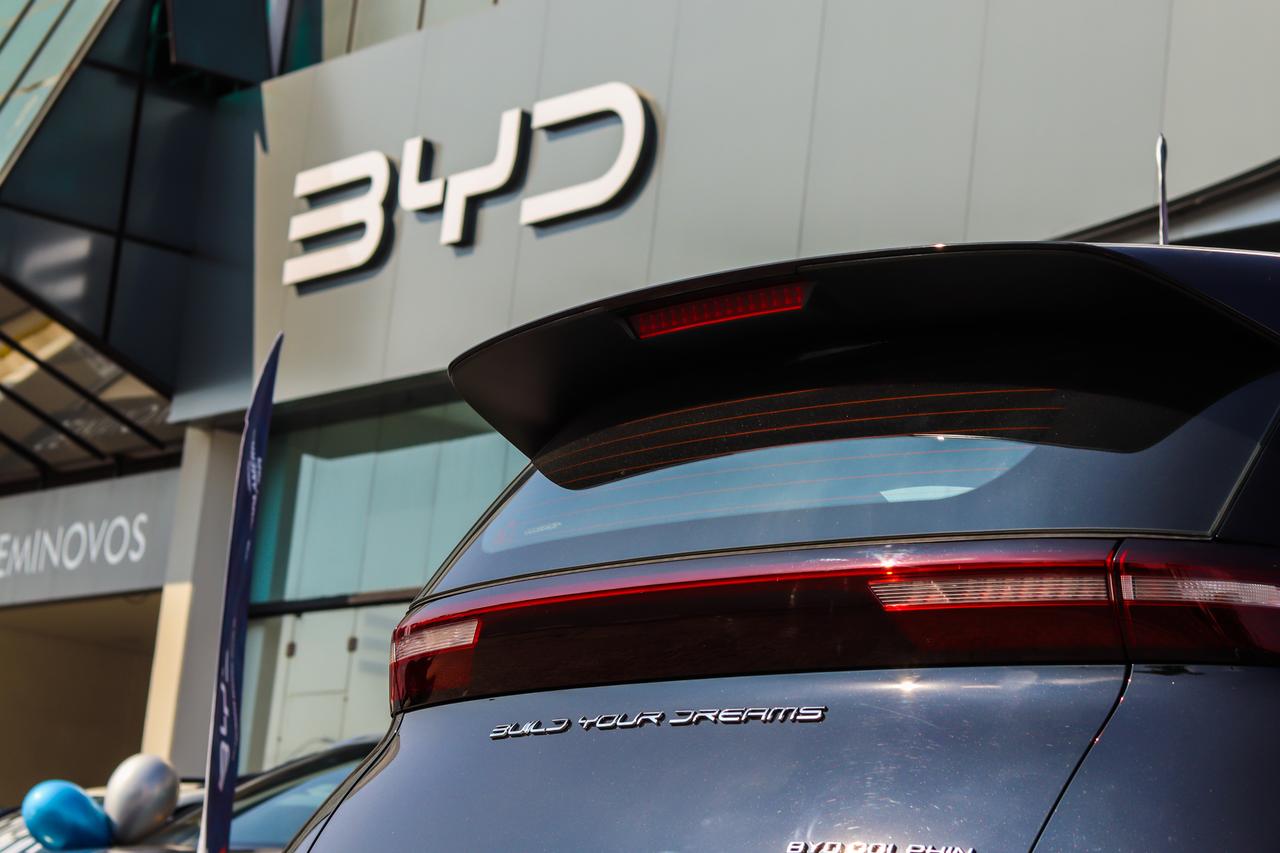


Chinese electric vehicle maker BYD’s overseas sales rose 65% year-over-year to 120,083 units in March, the highest level in three months, as rising fuel prices amid the Iran war boost demand for electric cars globally.
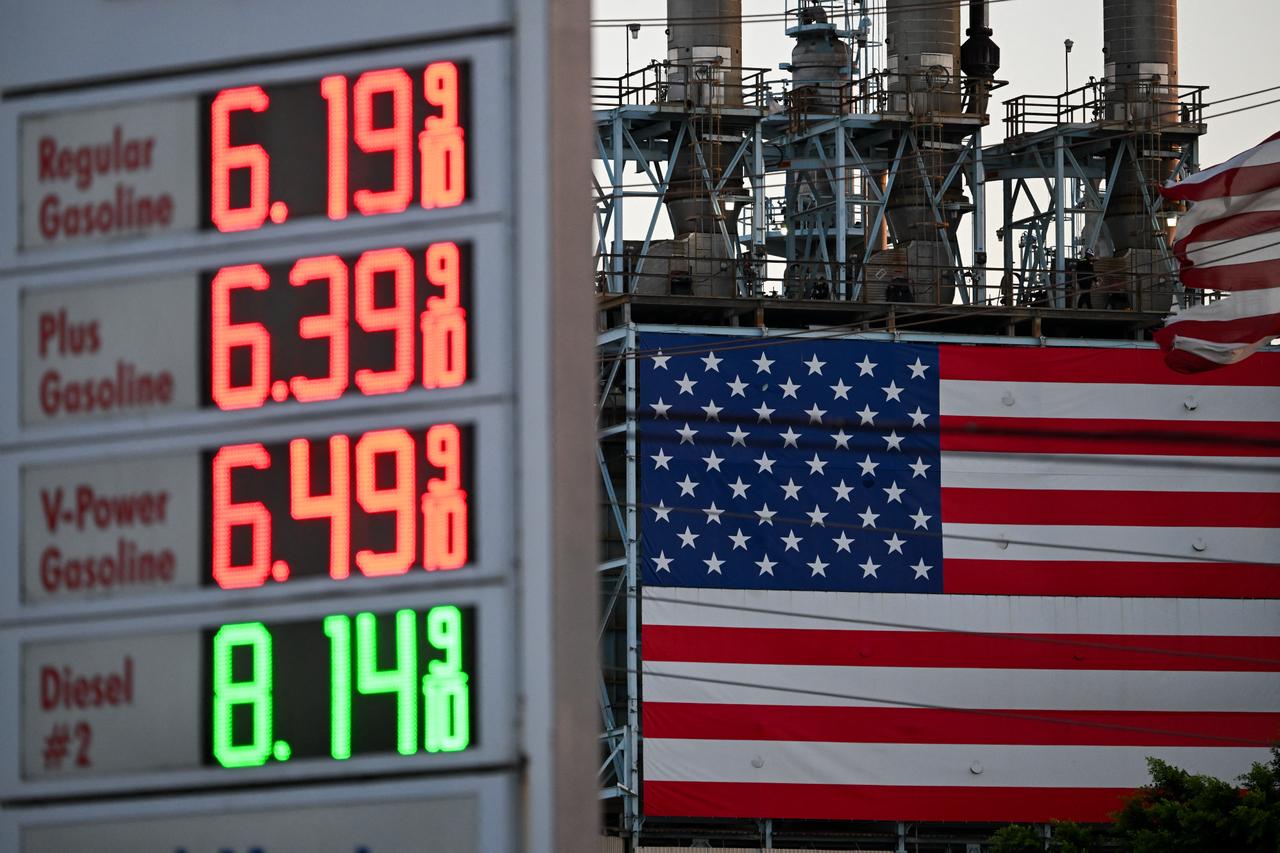
Since the start of the conflict, oil prices have risen by around 40% to above $100 per barrel, pushing fuel costs higher worldwide. As a result, consumers increasingly turned to electric vehicles as a more cost-efficient alternative.
Despite the strong export performance, BYD’s total vehicle deliveries fell about 20% during the same period, extending a decline into a seventh consecutive month as weakness in China’s domestic market continued to weigh on overall sales.
The increase in international sales was enough for BYD to regain its lead over rival Geely, which had outsold the company in the first two months of the year.
Bustling showrooms across Asia in March had already pointed to stronger foreign demand. However, uncertainty remains over how long this demand will hold, as the broader economic impact of the conflict may weigh on consumer appetite for large purchases, Bloomberg suggested.
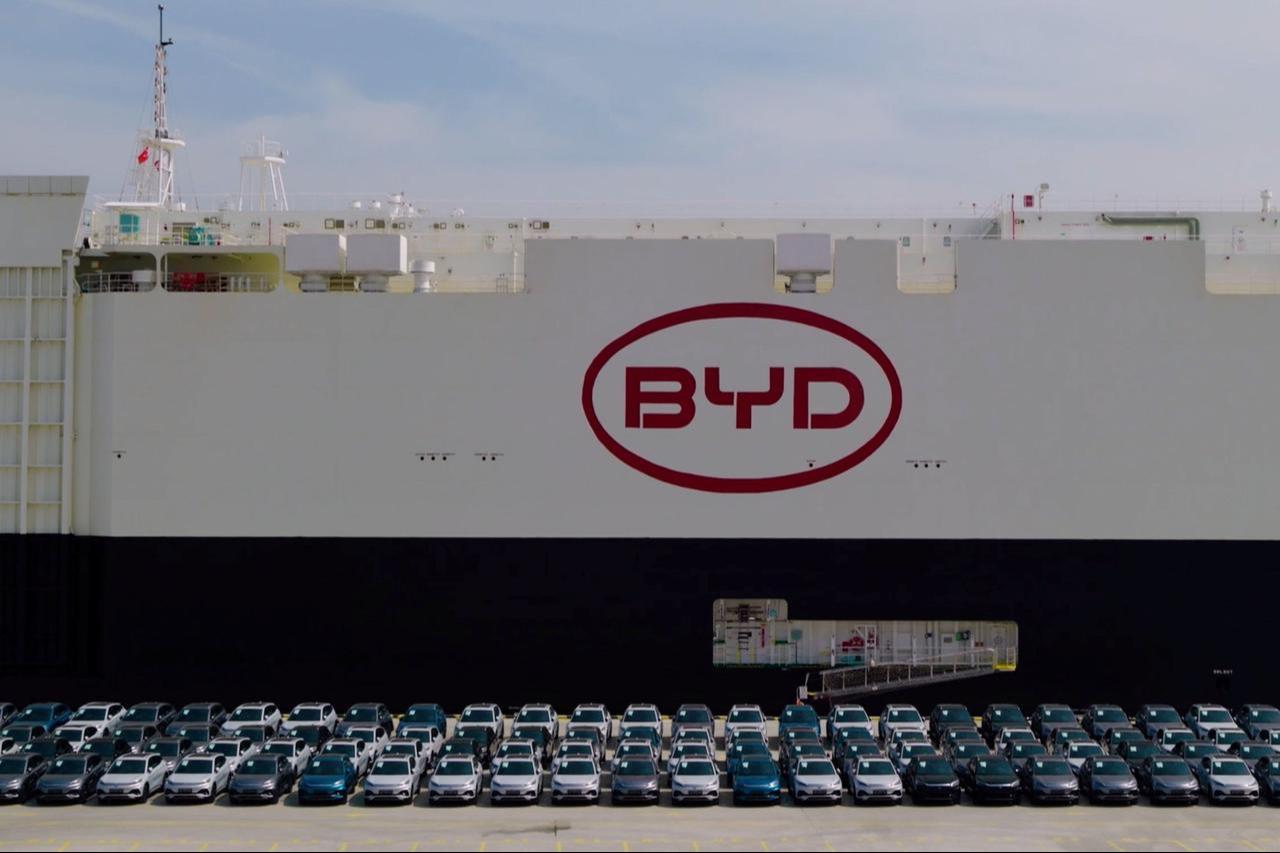

BYD’s international growth is expected to depend on how quickly its new production facilities in Hungary, Thailand, and Brazil ramp up operations, as well as the extent to which output can be localized rather than exported from China.
The company has signaled confidence in its export trajectory, targeting 1.5 million vehicles in overseas sales by 2026, up from a previously disclosed goal of 1.3 million. At the same time, higher and more volatile gasoline prices continue to reinforce the value proposition of electric vehicles in China, which could provide some support to BYD’s domestic market share.
BYD’s financial performance has come under pressure amid the challenging market environment. The company reported a 19% decline in annual net profit for 2025, with earnings falling to 32.6 billion yuan ($4.7 billion) from 40.3 billion yuan in 2024.


 Set as preferred source
 Set as preferred source


 1 min read
 1 min read