Newsletters


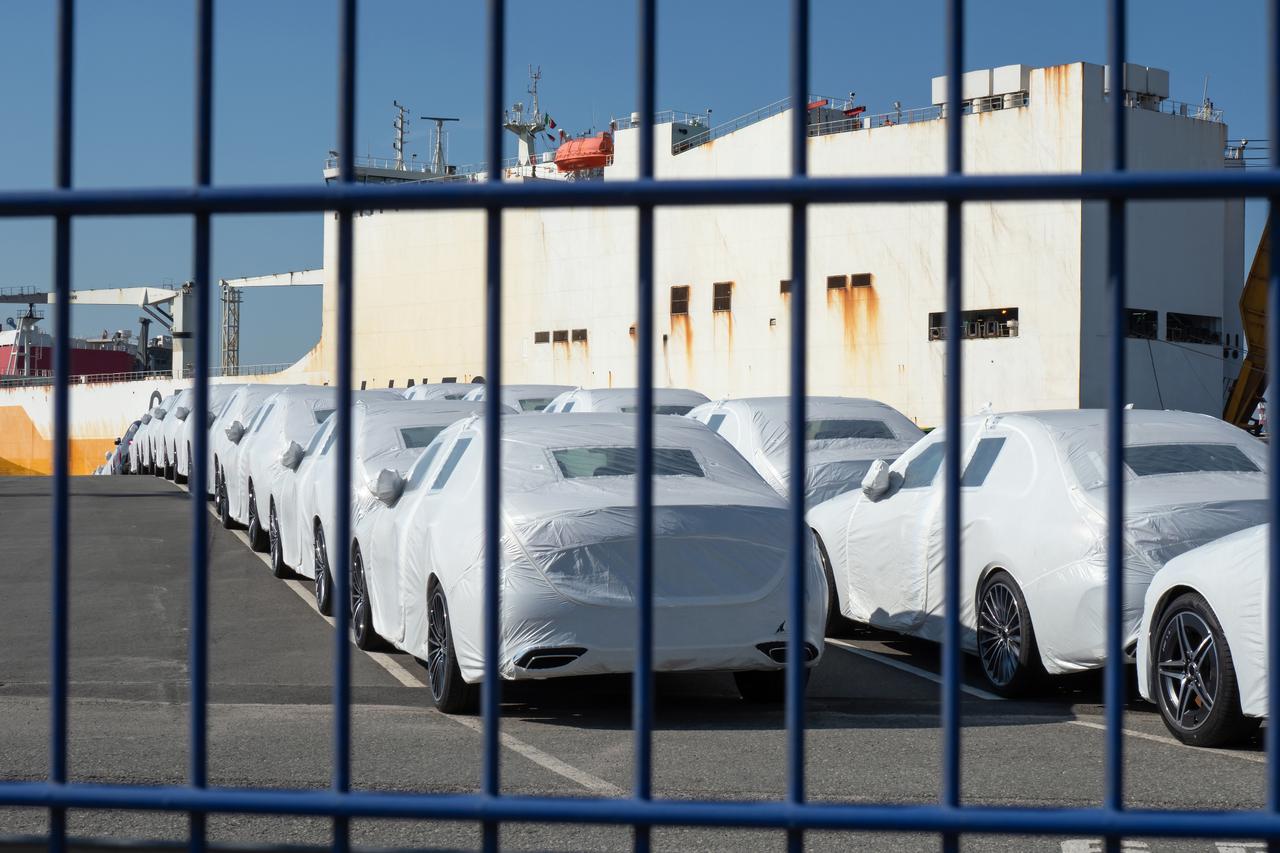


European manufacturers are facing a growing squeeze from Chinese suppliers that could wipe out 300,000 jobs by the end of 2026, according to Eurometal, a trade body representing European metal manufacturers.
The warning comes as China records a €1 billion ($1.2 billion)-a-day trade surplus with the EU and expands its role in European supply chains by exporting components used by manufacturers across the bloc, Eurometal argued.
The body will take its campaign to the European Commission on Monday with a protest featuring 10 symbolic coffins. The procession around the Commission’s headquarters is intended to highlight the potential damage to European competitiveness, industrial employment and factories, with those messages written on the coffins.
At the center of the group’s argument is the growing presence of Chinese-made components in European production. Alexander Julius, Eurometal’s president, told The Guardian that China is seeking control over key supply chains rather than remaining a supplier of raw materials.
"China has made no secret of what it is doing. It is in their five-year plan," Julius said. "They want to be in key product supply chains because they know that once they control the supply chain, they own the complete value chain."
Julius called on EU policymakers to examine component-level trade more closely, particularly metals and chemicals that are used in 90% of manufacturing. He pointed to Germany as an example of the industrial pressure already showing up in job losses, while questioning why companies are relocating to China or India or going out of business.
"The media, the politicians can see the consequences, but they don’t go after the virus that is causing it. They don’t see why it is happening or ask why companies are either relocating to China or India or going bust," he added.
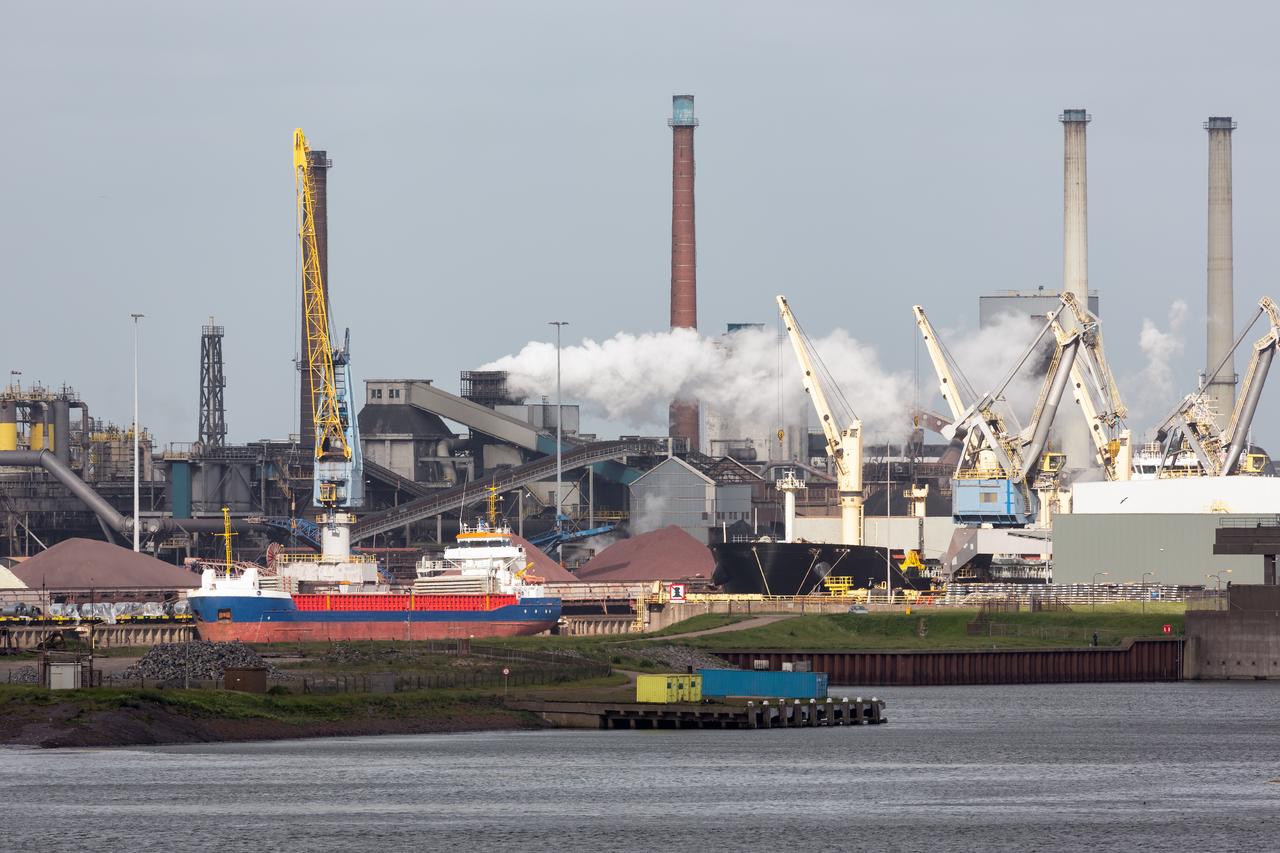

The competitive pressure is compounded by costs borne by European manufacturers. Metal producers face tariffs on steel imports as well as carbon emissions taxes applied to high-energy sectors.
Chinese components are not subject to those levies, while the undervaluation of the yuan adds another disadvantage for European producers, Julius argued.
For companies, commercial pressures can outweigh political concerns. Julius said businesses must satisfy shareholders and therefore are likely to keep sourcing from China despite the rhetoric coming out of Brussels.
"When manufacturing leaves Europe, Europe not only loses production but investment, know-how and long-term economic resilience," Eurometal said ahead of the protest.
Brussels has already imposed measures targeting Chinese trade. The EU introduced tariffs on Chinese electric vehicles in 2024 and raised tariffs on foreign steel imports in June.
At the same time, the EU and China are seeking to ease broader trade tensions through talks aimed at narrowing the bloc’s €359.8 billion goods trade deficit with Beijing in 2025.
EU Trade Commissioner Maros Sefcovic has described the widening gap as "not sustainable," while the two sides have agreed to three months of consultations aimed at delivering tangible results by October.


 Set as preferred source
 Set as preferred source


 1 min read
 1 min read