Newsletters


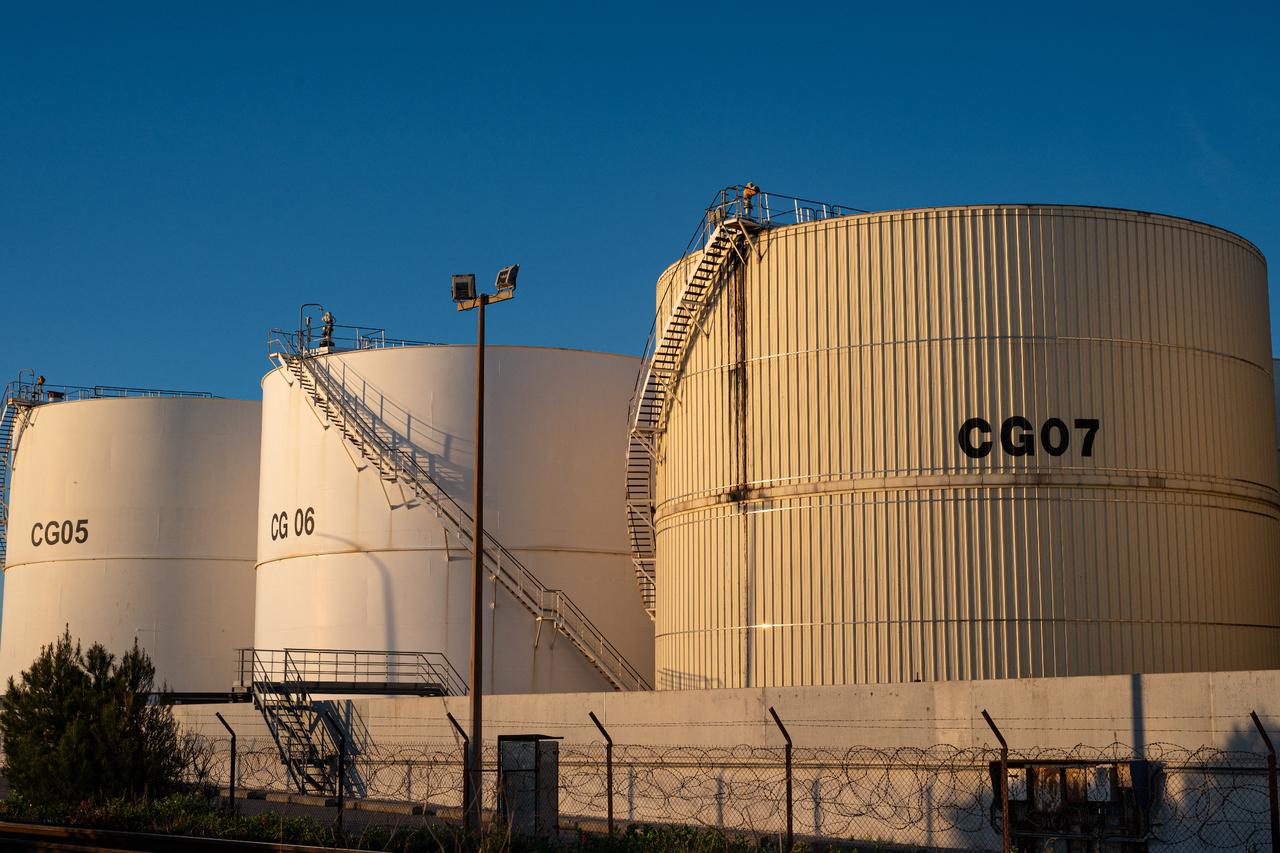


Crude oil prices surged more than 5% on Thursday, climbing above $112 per barrel, as a series of attacks on energy infrastructure in the Gulf intensified supply concerns and rattled global financial markets.
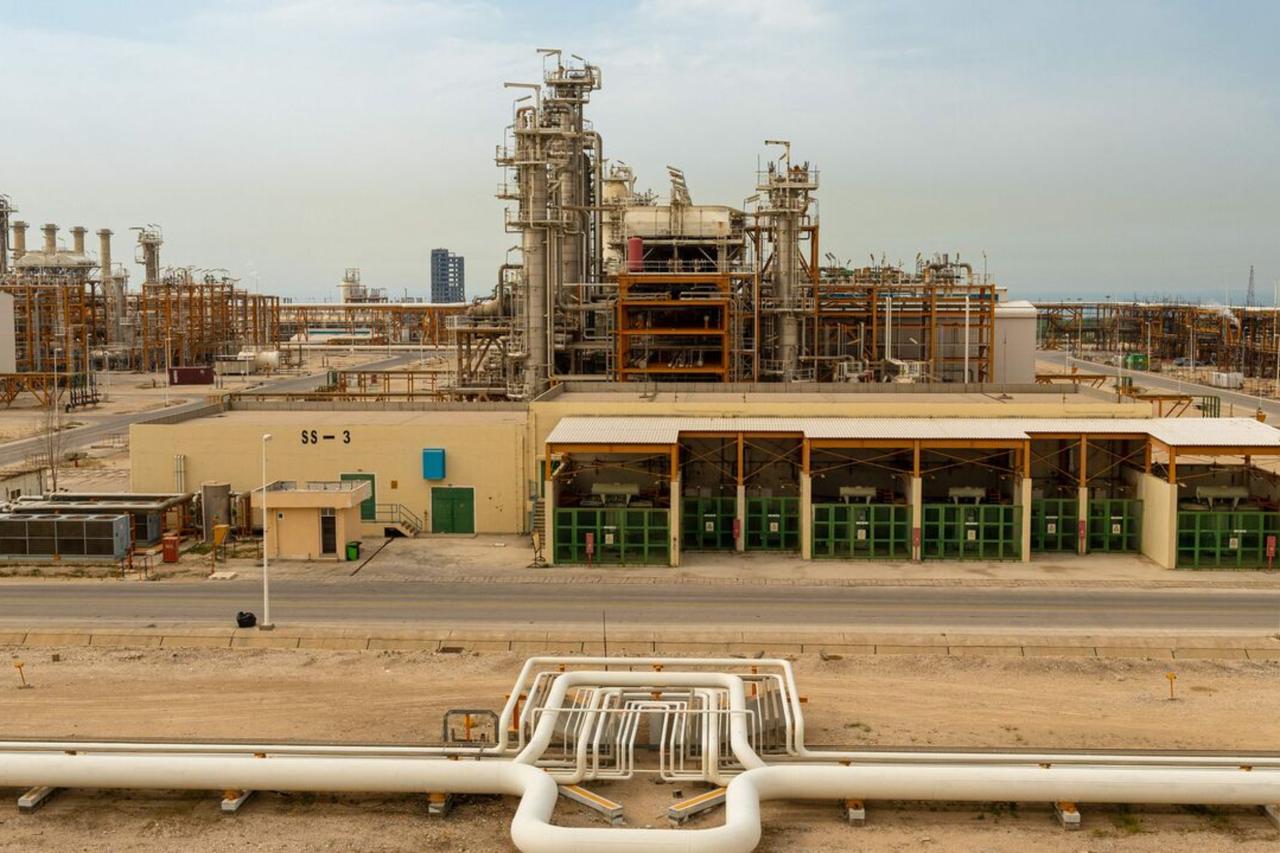
Brent crude reached a peak of $113.76, while U.S. benchmark West Texas Intermediate traded near $99 after hovering around $100 a day earlier. The sharp move followed Iranian threats to target regional energy facilities in response to an Israeli strike on Iran's South Pars gas field, the first hit on its upstream oil and gas sites since the war began.
The escalation affected multiple sites across the region. Authorities in Abu Dhabi halted operations at a gas facility after debris from intercepted missiles fell nearby. In Qatar, the Ras Laffan industrial area was struck, prompting QatarEnergy to deploy emergency teams to contain fires.
Iranian state media later reported a second missile strike on the same Qatari site, which the operator said caused extensive damage. In response, Qatar ordered several Iranian diplomats to leave the country.
Meanwhile, the Strait of Hormuz remained mostly closed, keeping energy markets on edge due to its role as a key global oil route.
The Financial Times reported that the Trump administration had explored requiring U.S. Navy-escorted vessels to buy government-backed insurance, though it remains unclear if the plan will be mandatory, with industry figures saying it could generate tens of millions in revenue if ships are not targeted by Iran.
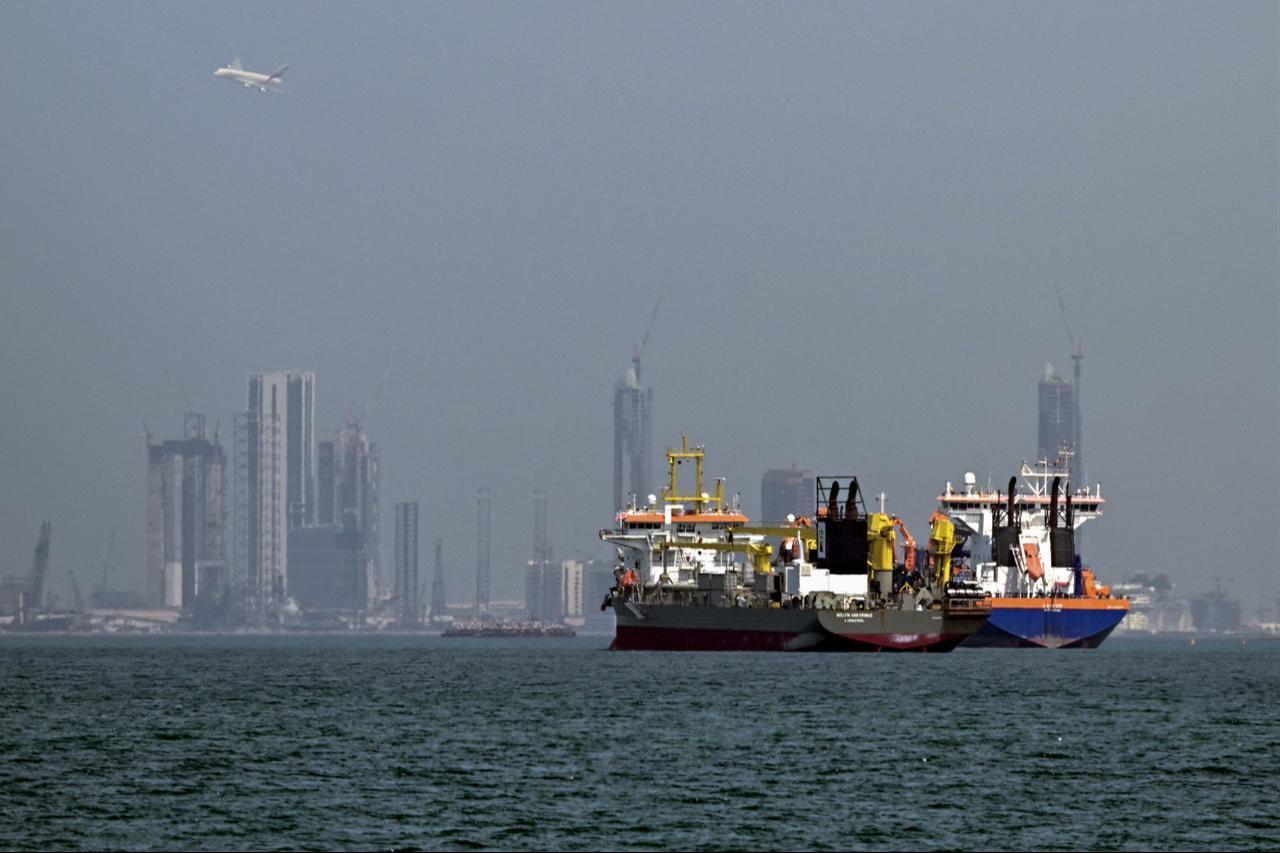

Equity markets across Asia moved lower after earlier gains in the week, reflecting growing uncertainty linked to the conflict. Japan’s Nikkei 225 dropped 3.5%, South Korea’s Kospi fell 2.7%, and Hong Kong’s Hang Seng declined 1.9%. China’s Shanghai Composite also slipped more than 1%.
European markets followed the trend, with the pan-European Stoxx 600 down 1.5%, while U.S. stock futures opened flat after major indices lost over 1% in the previous session.
The Bank of Japan kept its policy rate unchanged at 0.75%, flagging that it expects global inflation to rise due to the recent increase in crude prices linked to the Middle East conflict. The decision came a day after the U.S. Federal Reserve held its benchmark rate steady in the 3.5%–3.75% range.
Precious metals showed mixed performance. Gold remained largely unchanged at $4,812 per ounce, while silver dropped more than 3% to around $73.1. Palladium and platinum declined by nearly 1% and 2%, trading at $1,473.65 and $1,988.31, respectively.
Cryptocurrencies also weakened amid the geopolitical tensions. Bitcoin fell 5% to $70,600, while Ethereum dropped 6.4% to $2,180. The total crypto market capitalization decreased 4% to $2.4 trillion.


 Set as preferred source
 Set as preferred source


 1 min read
 1 min read