Newsletters


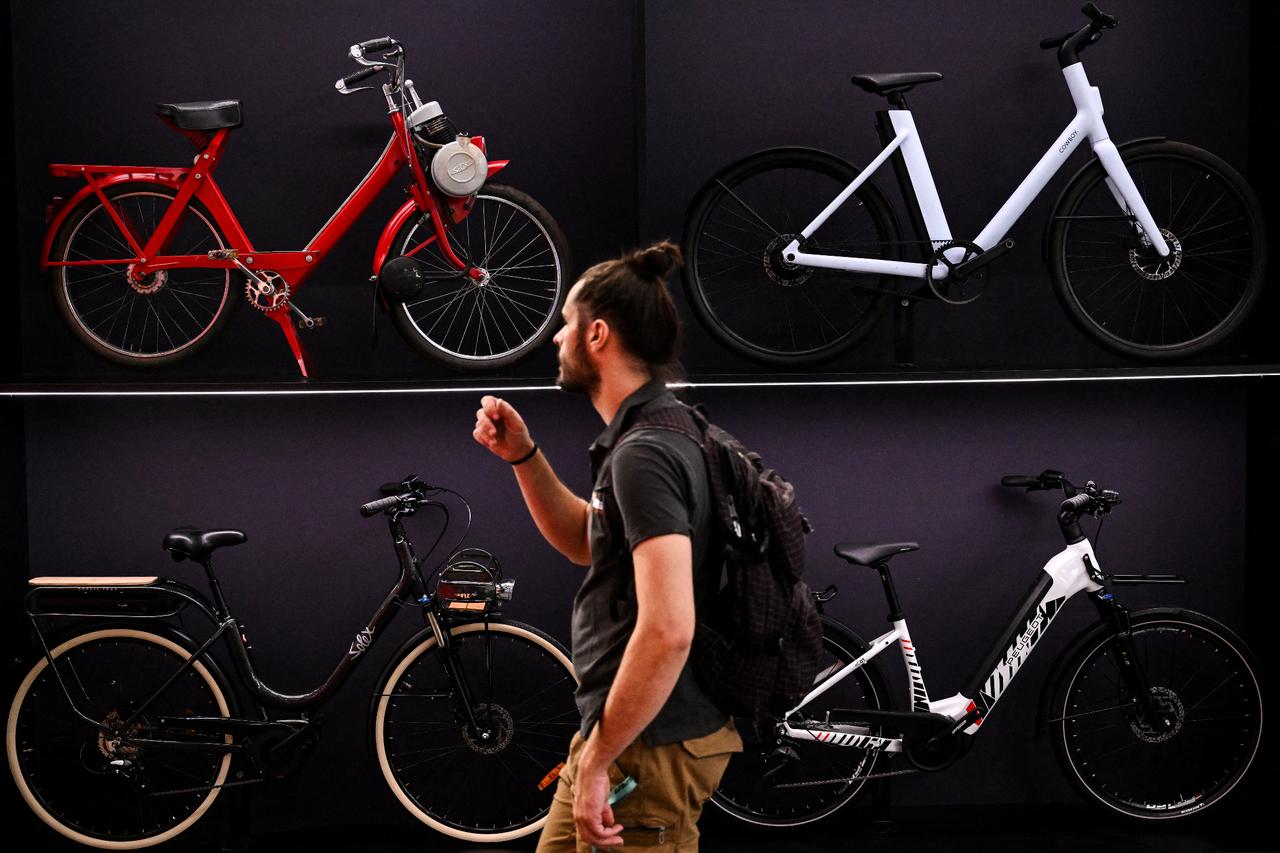


AI and smart technology are in the spotlight at Eurobike, as the cycling industry tries to turn around several years of declining sales.
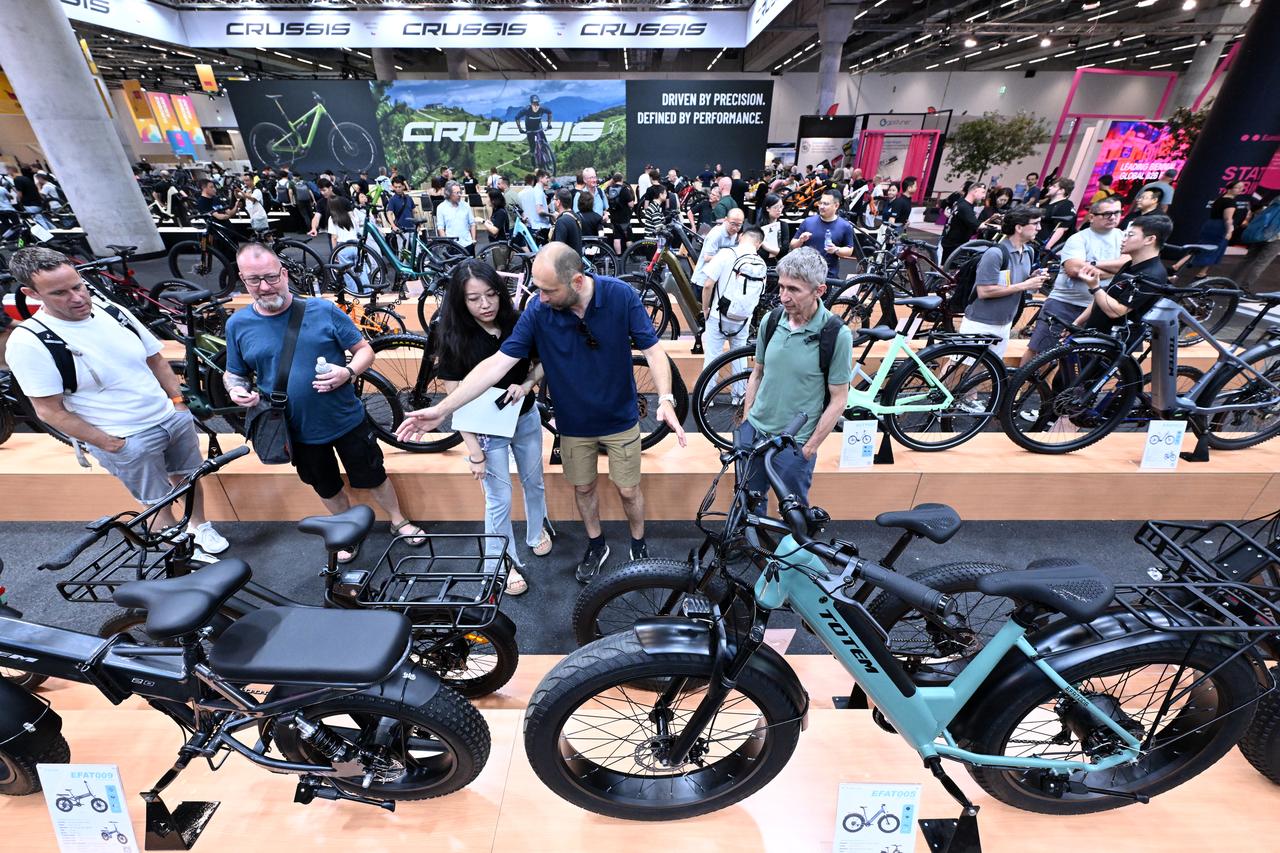
The cycling industry is turning to artificial intelligence and connected technology to help boost sales. At the Eurobike trade fair, manufacturers are showing off a variety of smart systems.
AI, which has been used in cars and smartphones for years, is now making its way into cycling. It is being added to electric motors, safety features, and even insurance services.

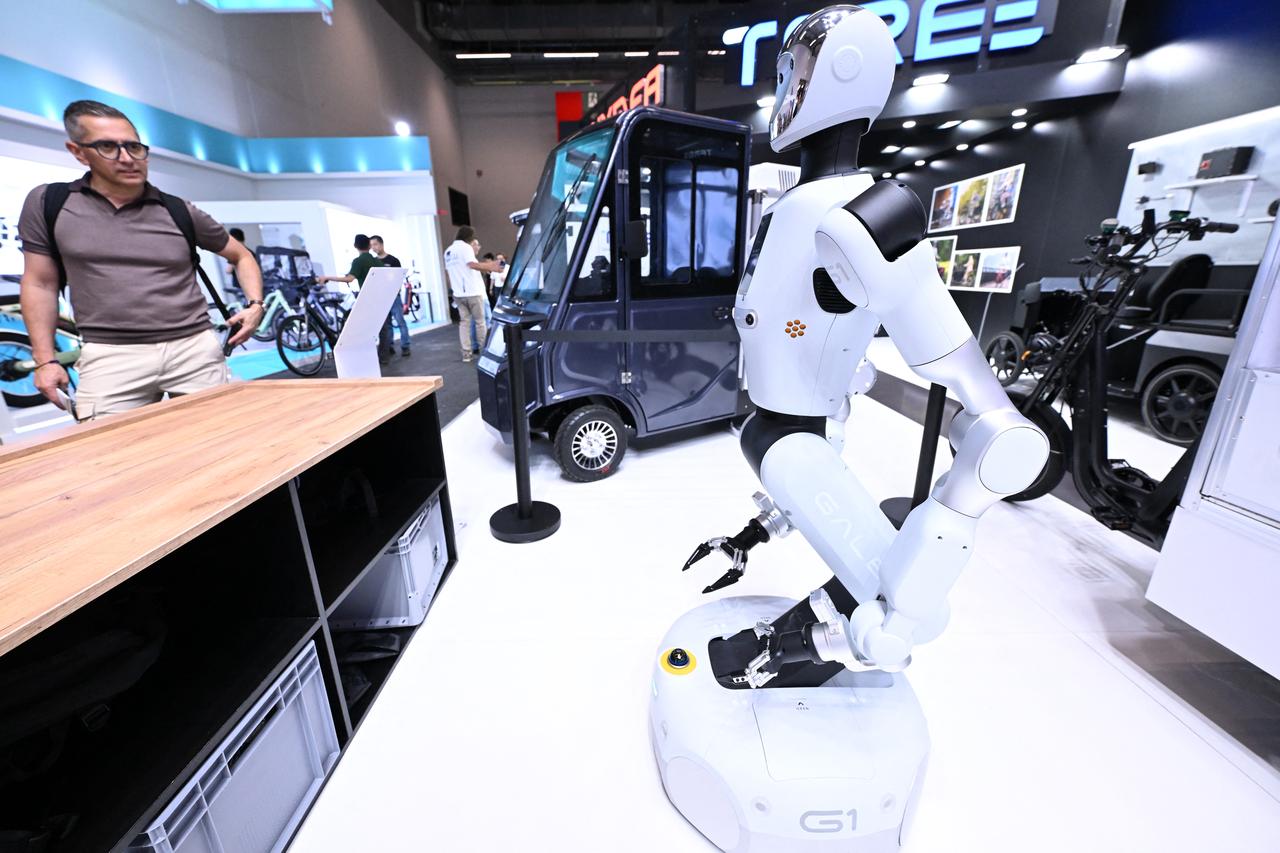
At the Avinox booth, which makes motors for electric bikes and is part of DJI, sensors keep track of the rider’s movements and the terrain. The AI then automatically adjusts how much the motor helps with pedaling.
The system can also use the rider’s real-time heart rate to change how much help the motor gives. This makes the ride "easier and safer without having to think about it," says Avinox developer Ferdinand Wolf.
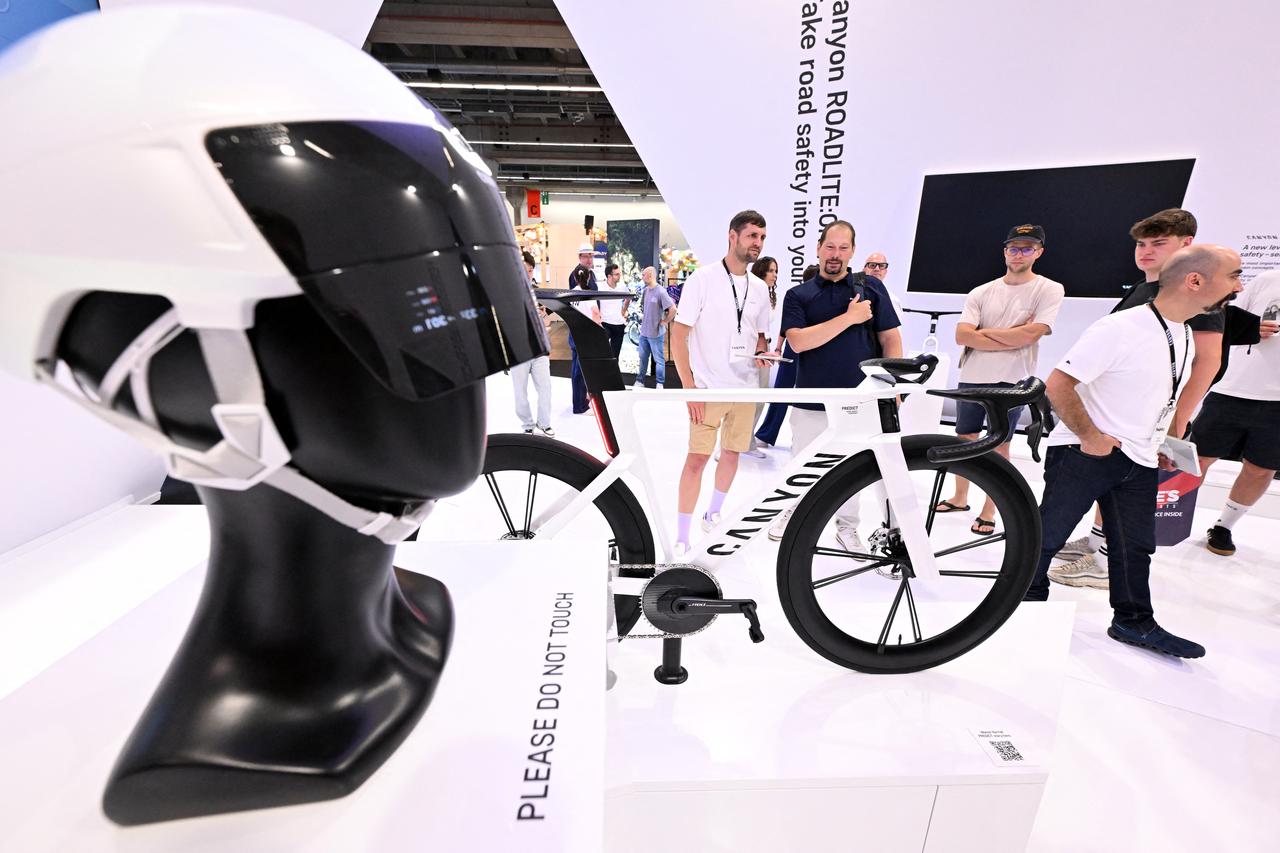
Canyon, a German company, showed a racing bike with cameras and radar that warn cyclists about dangers they might not see. The system can even sense when a car door is about to open and alert the rider, according to company spokesperson Ben Hilldson.
The bike provides alerts via lights on the frame, handlebar vibrations, or helmet-mounted technology. Canyon is also showing a helmet with a big visor that can show alerts or send audio signals. Both products are still prototypes.
Canyon is also working with Volkswagen on a system that lets bikes communicate with nearby cars and road infrastructure. They expect to launch it in about three years, but most cars on the road today lack the technology needed for this kind of data exchange.
AI is also changing how services operate across industries. Bicycle insurer Linexo says about 90% of claims will be handled automatically by the end of the year. Human experts will still review complicated cases and check for fraud, which the company says is the only way to keep premiums stable.
The start-up Wunderfix offers a repair service that connects retailers, customers, and workshops via an app. Cyclists can use it to figure out what’s wrong with their bikes and, if possible, fix them on their own. The company says it has received about 3,000 service requests this year.
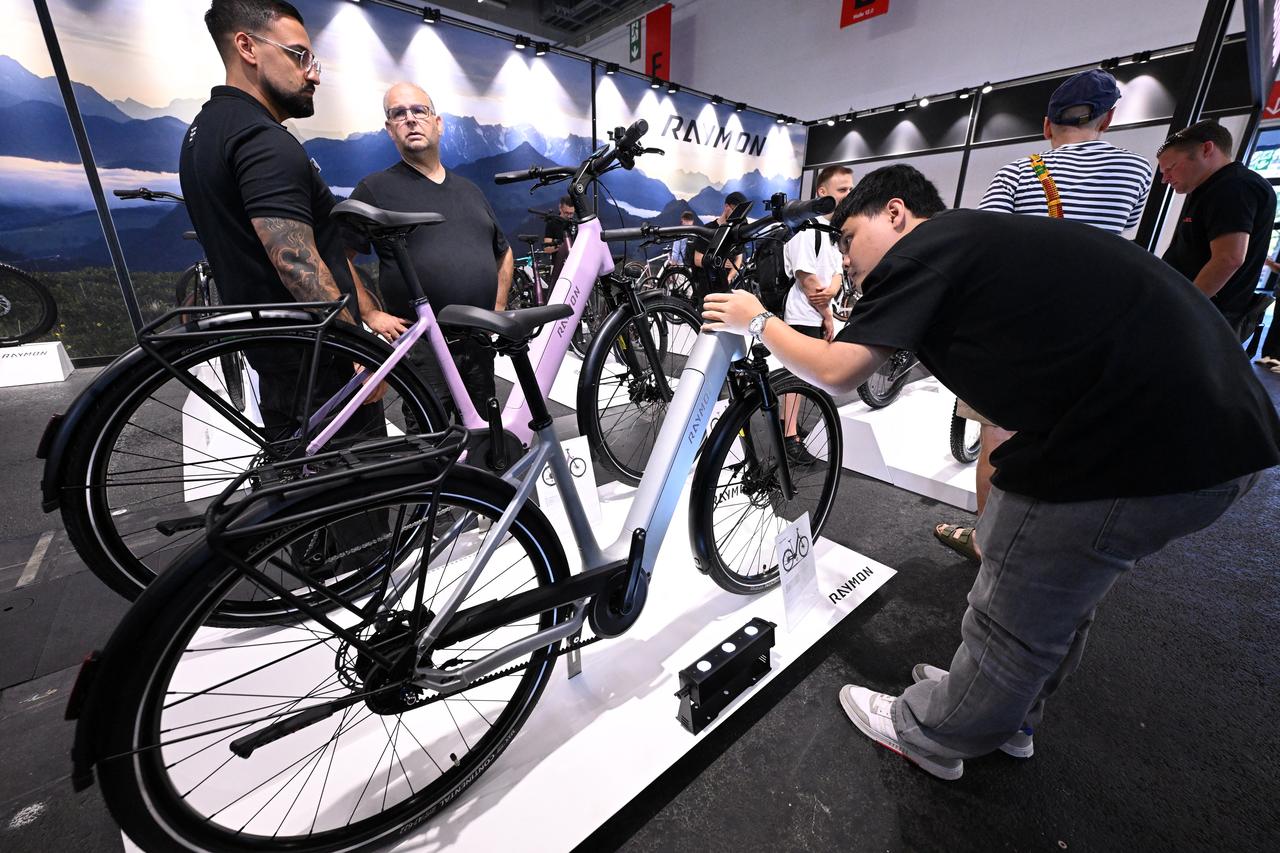
The European bicycle market shrank in 2025 for the third year in a row, with sales dropping 4% to 15.2 million units, according to EY-Parthenon.
The industry has faced challenges since 2023, as demand returned to normal after the COVID-19 boom. Companies have had to deal with lower sales, excess inventory, and price pressure.
Still, the market is expected to steady this year and then slowly recover. Revenue could reach 21.2 billion euros ($23.2 billion) by 2031, matching the record sales of 2022. EY-Parthenon points to "digital and data-driven offerings" and investment in infrastructure as the main drivers of growth.


 Set as preferred source
 Set as preferred source



 1 min read