Newsletters


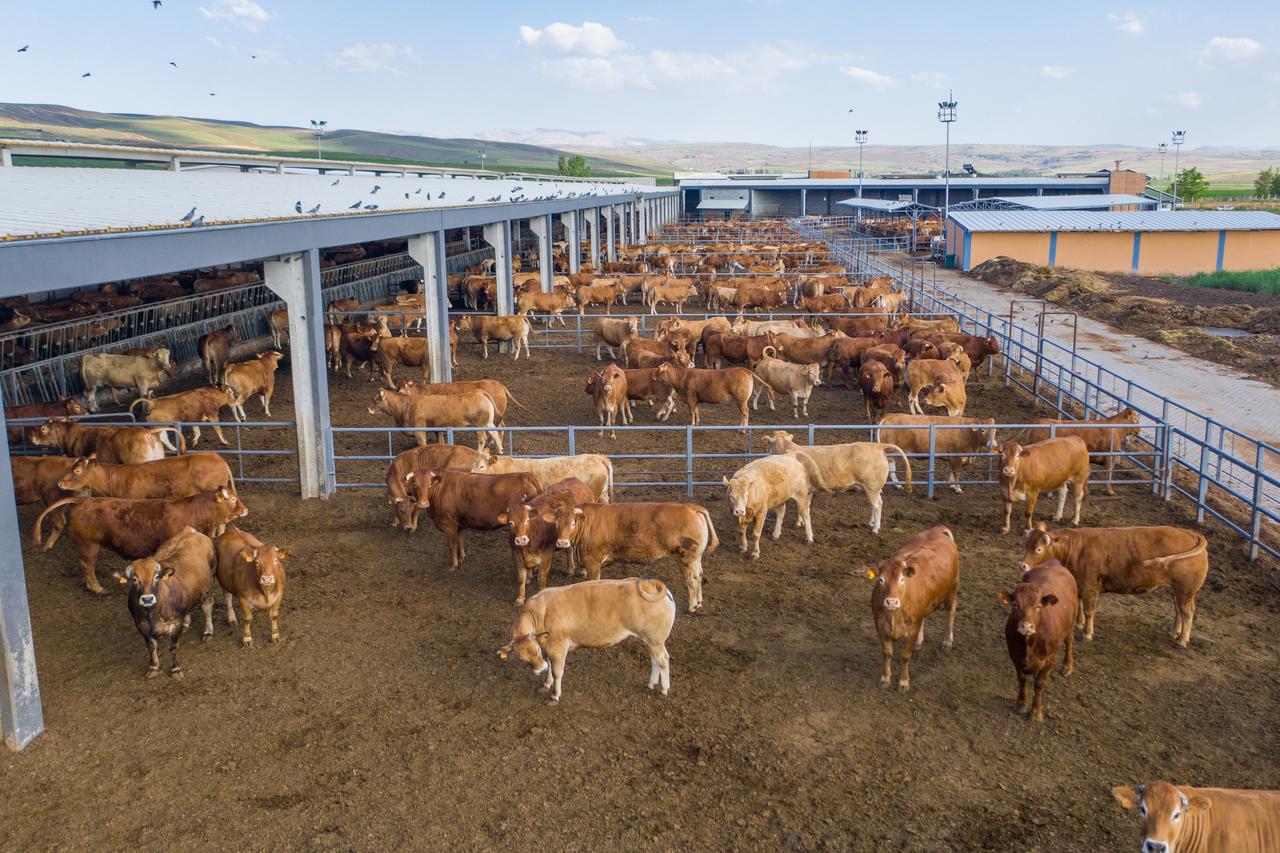


Disease outbreaks dealt a heavy blow to Türkiye’s livestock sector in 2025, dragging down meat and milk production despite continued growth in animal numbers and adding fresh pressure to prices.
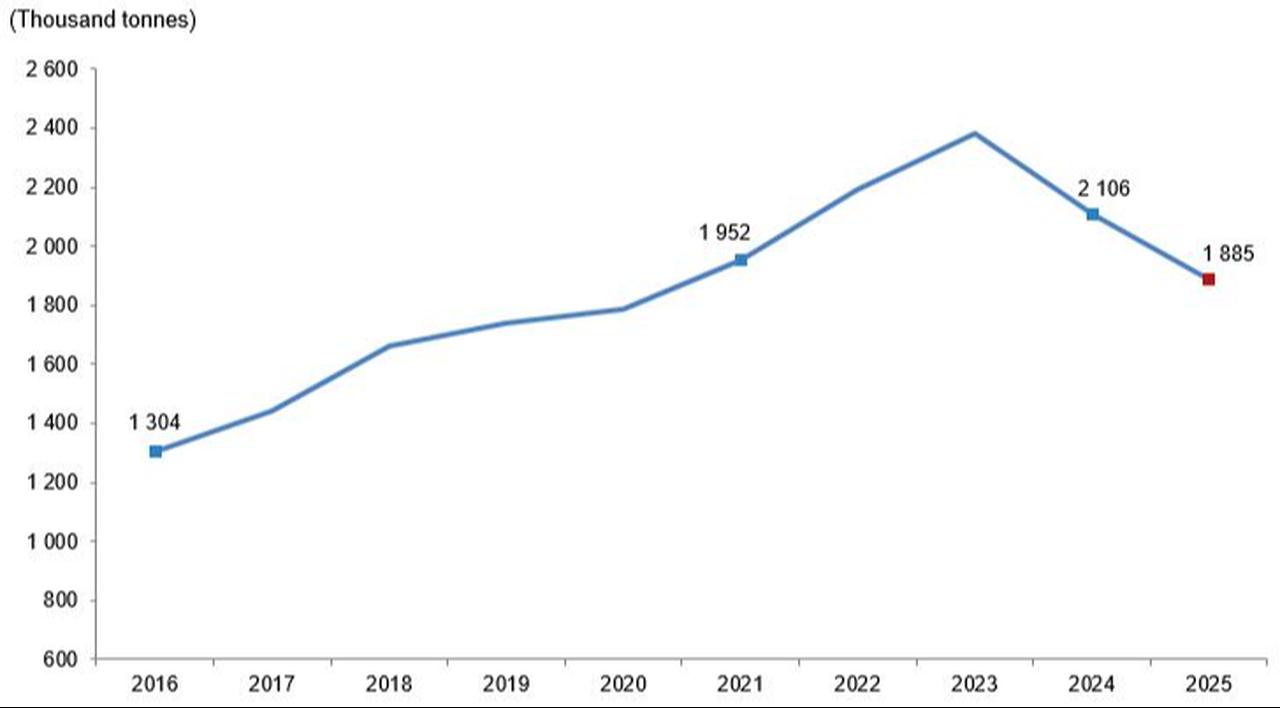
Official data from the Turkish Statistical Institute (TurkStat) showed red meat production fell 10.5% year-over-year to 1.9 million tons. Beef output slid 11.5%, while sheep and goat meat production dropped 8.1% and 8.8%, respectively. Raw milk production also pulled back 4.9% from the previous year to 21.4 million tons.
The declines came even as Türkiye’s livestock population expanded. The number of cattle rose 4.3% to 17.7 million head in 2025, while small livestock climbed 5.4% to 57.9 million head.
Industry representatives pointed to last year’s foot-and-mouth disease outbreak as the main factor behind the falling production, while weaker purchasing power and shifting consumer habits accelerated the slowdown in red meat consumption.
National Milk Council Chairman Hamit Can described the drop in milk production as a major setback for the sector, stressing that disease-related losses sharply reduced productivity across farms. "The main problem stems from losses caused by the foot-and-mouth disease," Can told business-focused dunya.com, adding that delays in imports of pregnant heifers also limited production growth.
"There would be excess raw milk supply between January and May. Now, instead of excess supply, there is not enough milk for anyone."

Representatives from the meat industry also point to falling purchasing power which has increasingly pushed consumers toward cheaper alternatives. Ahmet Yucesan, head of the Red Meat Industrialists and Producers Association, said sales dropped sharply, especially during the final months of last year as prices remained elevated.
The ban on chicken exports lowered poultry prices in the domestic market, widening the gap between red and white meat prices and shifting consumer demand toward chicken products.
"Normally, the price difference between these two products is around one-third in our country, but recently this ratio widened to one-sixth," he explained. "People naturally turned to white meat, and this caused a serious drop in red meat demand."
He also argued that affordability remained the sector’s biggest challenge despite red meat becoming comparatively cheap relative to its nutritional value.
Global meat prices continued rising in 2026, while dairy prices eased internationally, according to the United Nations Food and Agriculture Organization (FAO). FAO’s Meat Price Index showed global meat prices increased 6.4% year-over-year in April, while dairy prices dropped 21.2% annually.
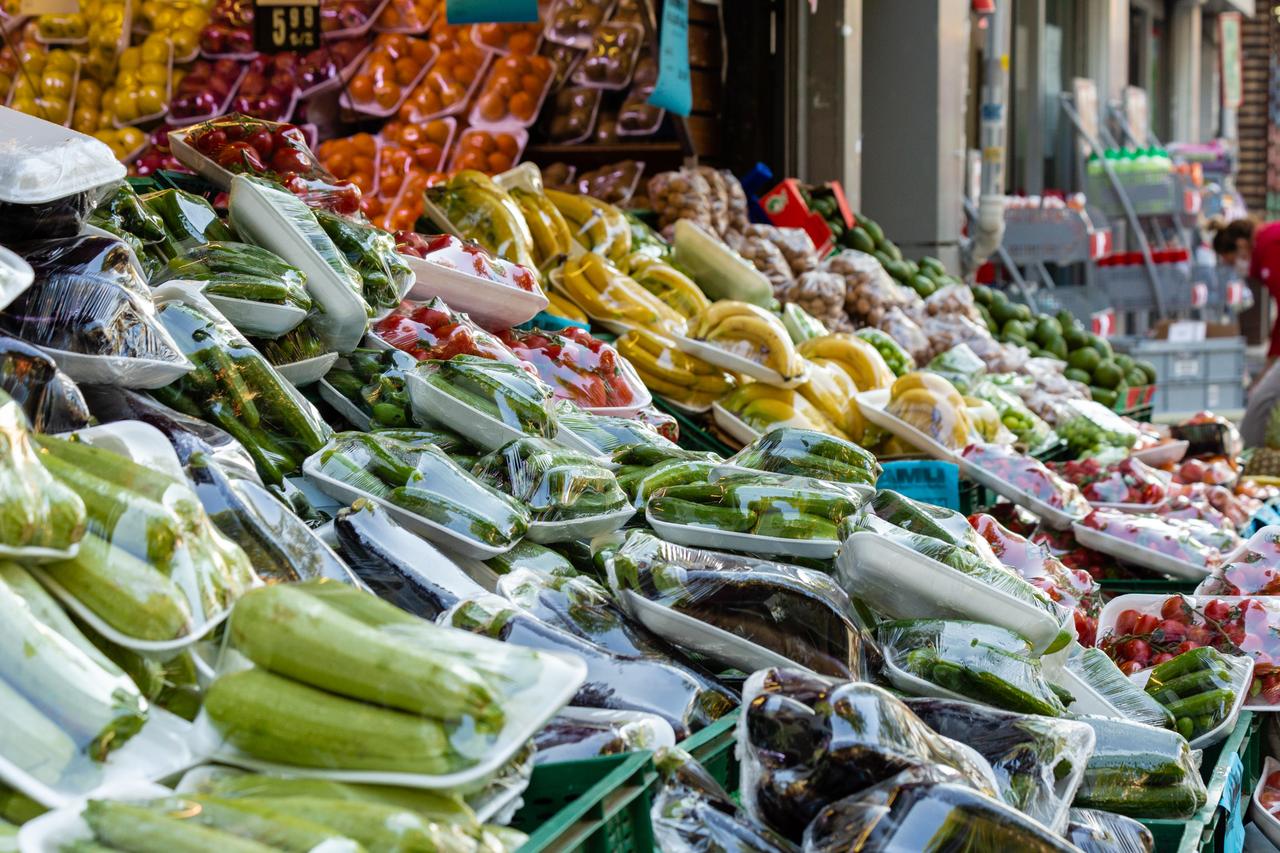
In Türkiye, however, meat prices remained one of the main drivers of food inflation, which accelerated to 34.6% in April. Official data showed meat prices rose 3.9% month-over-month and 39% annually. Dairy products posted a milder monthly increase of 0.6%, while annual dairy inflation stood at 20.6%.


 Set as preferred source
 Set as preferred source


 1 min read
 1 min read