Newsletters


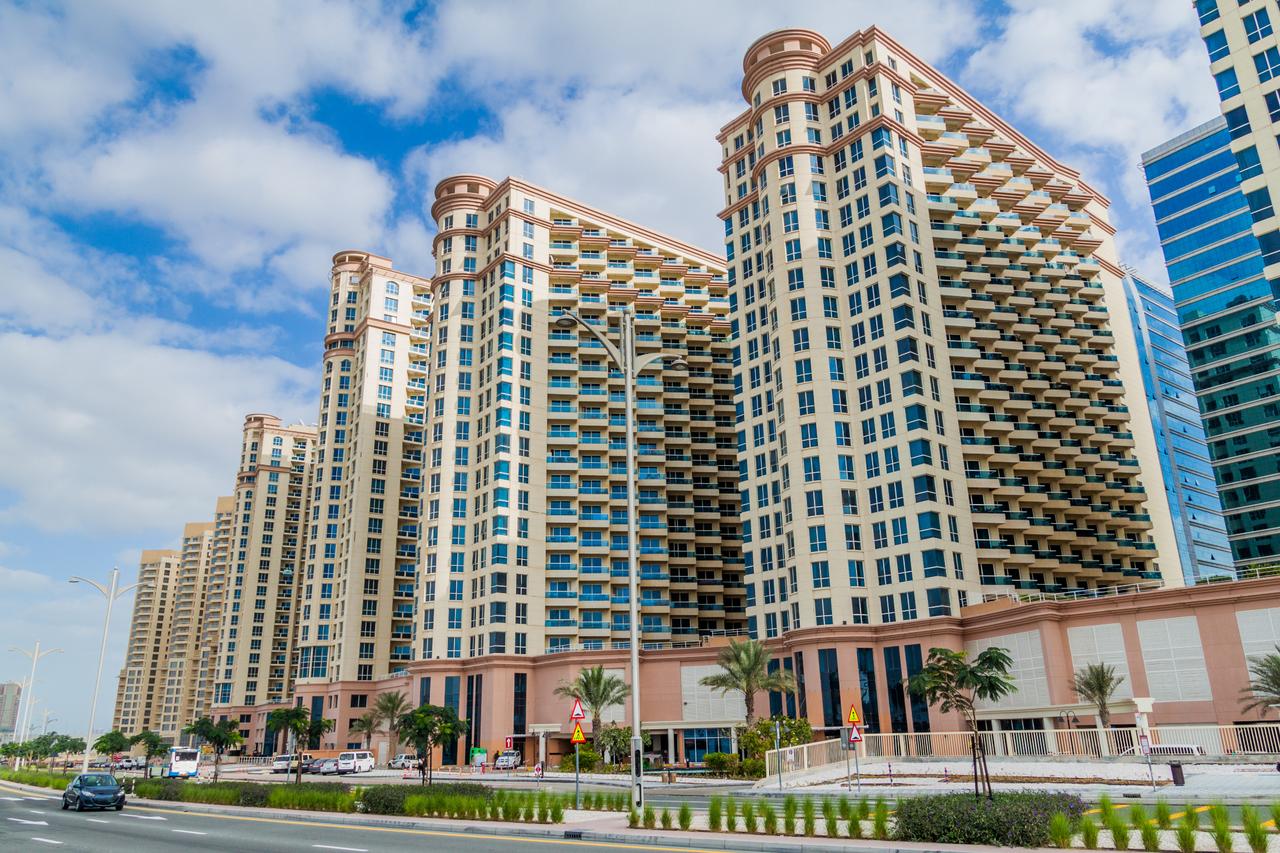


One of the global real estate hotspots, the UAE’s Dubai, is starting to lose steam under the shadow of continuous Iranian attacks, as sales over the three weeks since the war began have plunged by more than 30% compared to a year earlier, data showed.
Between Feb. 28 and Mar. 22, a total of 8,157 transactions were recorded in the city, down 33% from 12,196 in the same period last year, according to DXB Interact data based on official figures.
Despite the drop in sales, prices remained relatively stable, with the median price per square foot at AED 1,680 ($457.45), up 5.6%, while the overall median property price stood largely unchanged at AED 1.64 million ($446,562), with a total value of these transactions at AED 27.9 billion ($7.6 billion).
Dubai’s real estate market has been one of the world’s fastest-growing in recent years, driven by strong foreign demand, a tax-free environment, and residency-linked investment incentives.
The city recorded more than 200,000 residential transactions in 2025, worth $185 billion, cementing its position as a global investment hub.
However, the market is now facing mounting pressure from regional instability following the Iran war that began on Feb. 28 with joint U.S.-Israeli strikes.
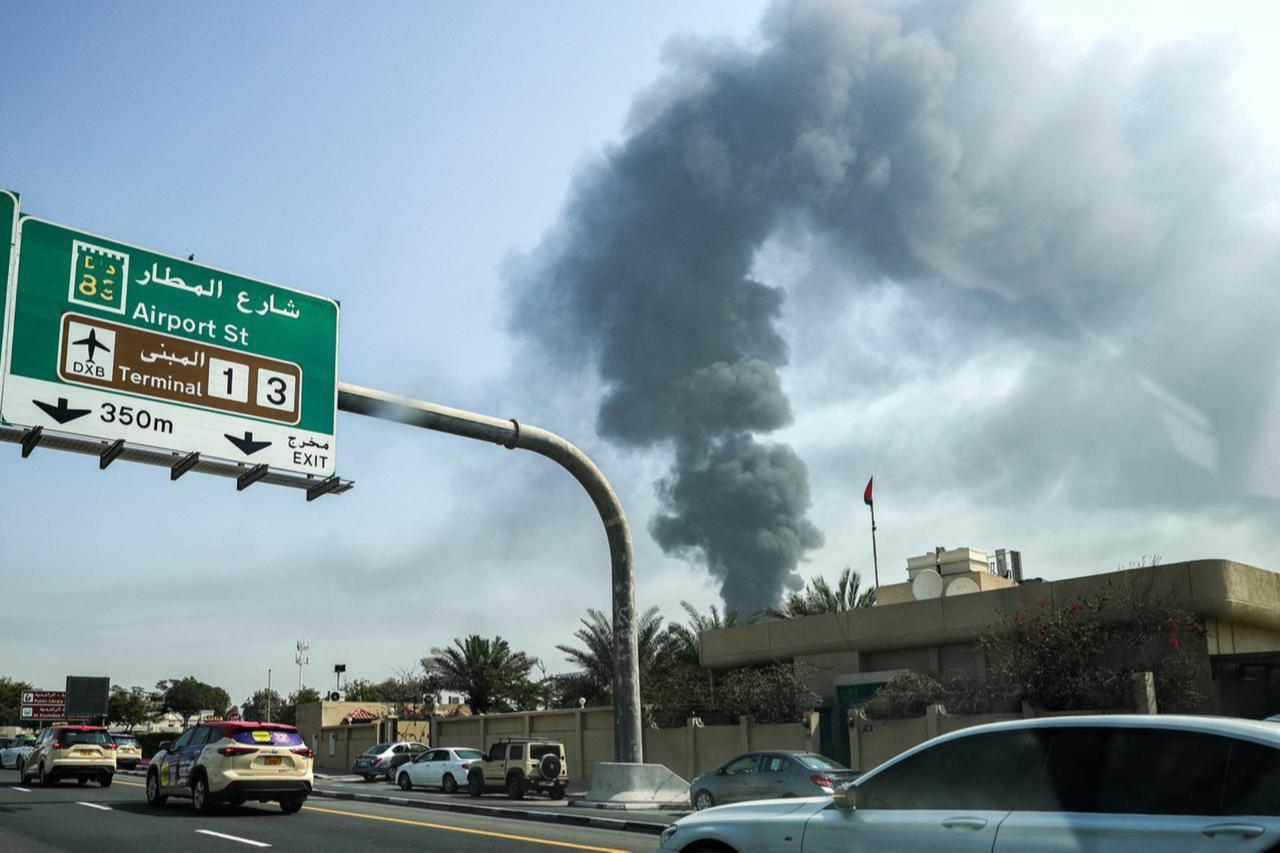
Since then, the United Arab Emirates has been among the main targets of Iranian retaliation, with hundreds of ballistic missiles and more than 1,600 drones launched toward the country, making it one of the most heavily targeted locations in the conflict.
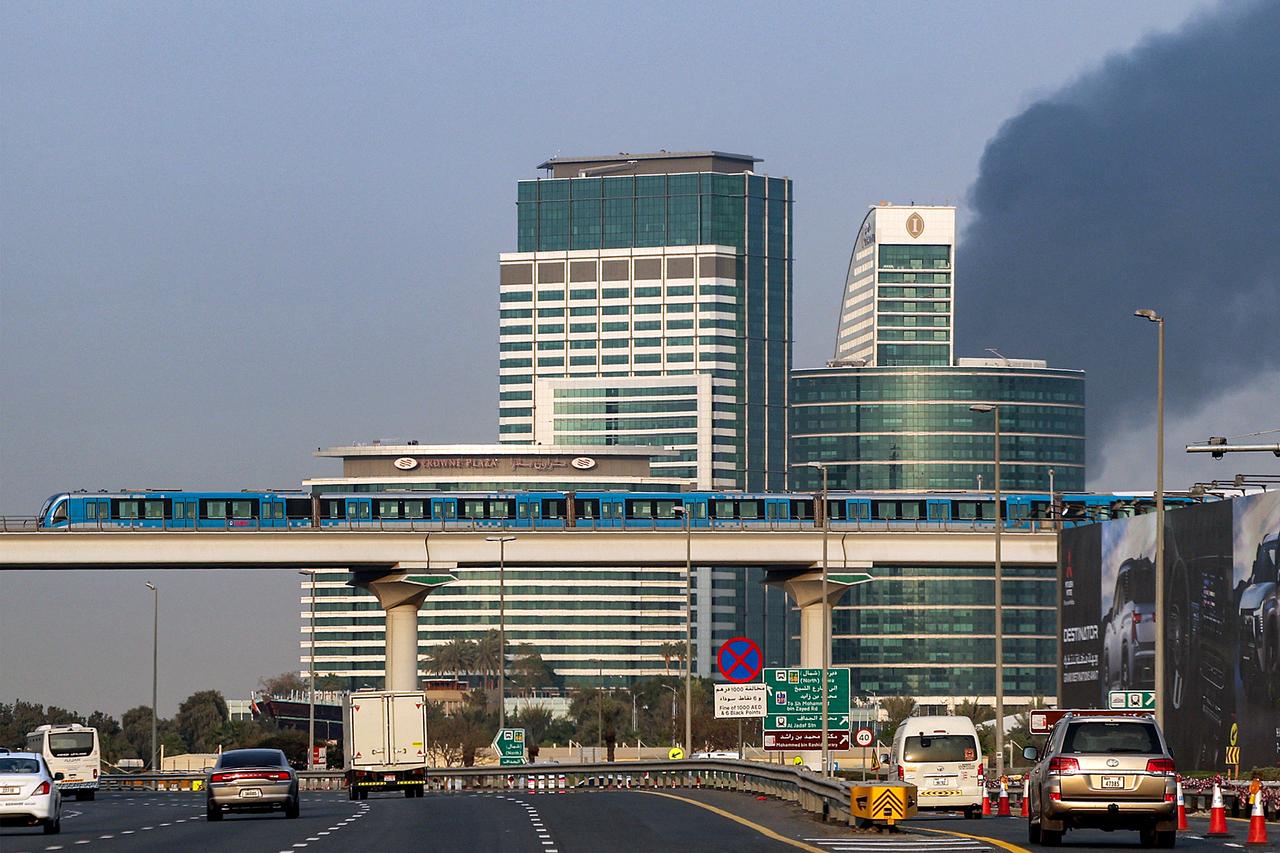

Strikes have directly affected Dubai, where missile debris damaged areas near Palm Jumeirah and the Burj Al Arab, while an early attack hit a luxury hotel, injuring several people.
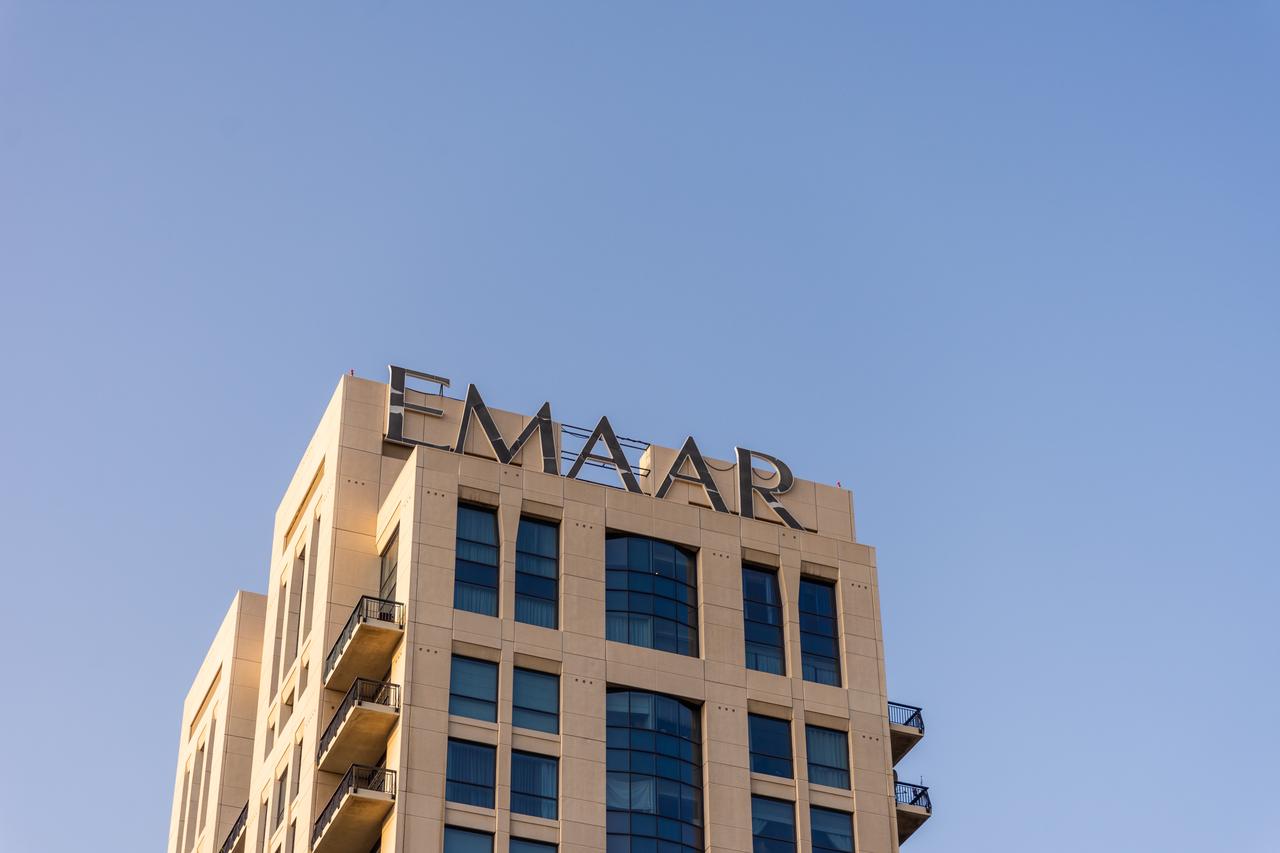
The country’s financial markets also reflected the panic, with the Dubai Financial Market General Index losing 17.5% over the period, led by the real estate index—which includes leading developers such as Emaar—down more than 25%.
Against this backdrop, a more cautious tone is taking hold among investors, with regional uncertainty still posing risks for the future, but underlying demand remaining firm on the back of Dubai’s built-in appeal as a global investment hub.
Burak Ustaoglu, an international real estate expert in Dubai, said the downturn is concentrated in sales activity and the real estate index, while claims of falling prices do not reflect current market conditions.
"This is a ‘wait and see’ period for everyone right now," he told state-run Anadolu Agency, adding that current conditions do not favor transactions.
"It is not the right time to buy or sell. We think we need to wait a while for processes to become clearer."
He added that Dubai’s business-focused model, which draws companies relocating their headquarters, could support a quick rebound if the conflict ends.
However, he warned that a prolonged crisis could lead to broader economic damage and potential price declines, particularly in the secondary housing market.


 Set as preferred source
 Set as preferred source


 1 min read
 1 min read