Newsletters





Authorities in the United Arab Emirates are preparing to ease tax residency rules for expatriates who left the country following the outbreak of the Iran conflict, according to people familiar with the matter.
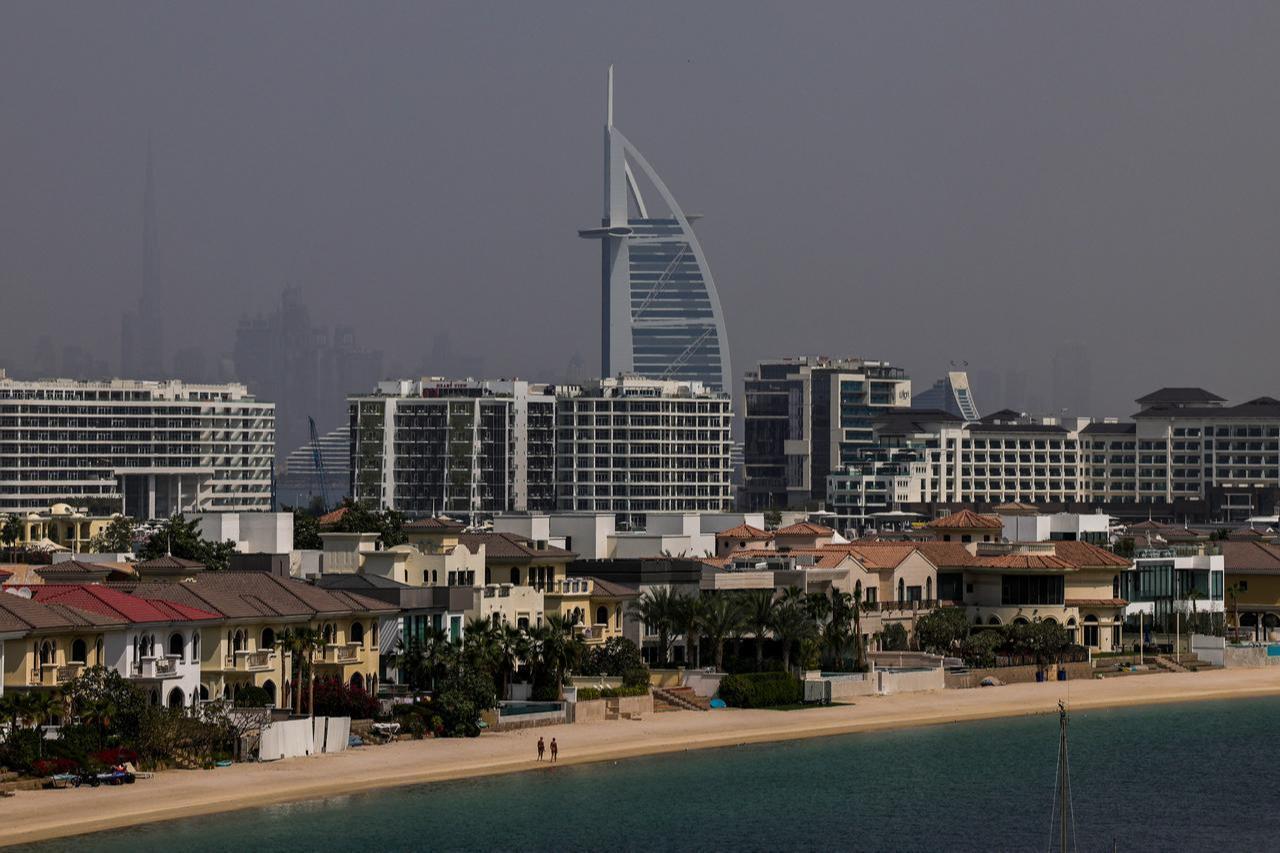
The move comes as Dubai faces growing pressure to retain its status as a global financial hub after security concerns and travel disruptions prompted some residents to leave.
Under current rules, expatriates must typically spend at least 183 days in the UAE within a 12-month period to qualify as tax residents. A reduced threshold of 90 days applies for those with strong ties, such as employment or permanent housing.
However, officials are now expected to take a more flexible approach. Applications will likely be assessed on a case-by-case basis, with authorities considering factors such as travel disruptions and force majeure conditions, as reported by Financial Times.
“The UAE government will react to the situation as needed,” said Michael Kortbawi, senior partner at BSA Law in Dubai, noting that individual circumstances will be taken into account.


The UAE’s tax system has long attracted wealthy expatriates with its zero income tax policy and stable business environment. That appeal is now under strain.
Some residents left after Iran began attacking U.S. allies in the region on Feb. 28.
Others returned quickly to avoid losing their tax status. But as the conflict enters its third week and infrastructure targets expand, uncertainty has increased.
Dubai’s financial district has been among the affected areas, raising concerns about safety, which has historically been one of the emirate’s main selling points.
“Dubai has already seen its safety and security selling point damaged,” Elsa Littlewood, a tax partner at BDO, told FT. “It is really important for its economy and image to retain these expats.”
Travel disruptions have added to the pressure. British Airways has suspended flights to Dubai until at least June, while intermittent airspace closures have made returns more difficult.
The UAE tax year begins on Jan. 1. Expats who left after the conflict started risk falling short of residency requirements unless they return or benefit from relaxed rules.
The situation has created a complex tax dilemma for many expatriates, particularly British nationals.
Some individuals who left the UAE are avoiding returning to the United Kingdom due to the risk of triggering tax residency there, according to the Guardian. Instead, they are temporarily relocating to countries such as Ireland and France.
Tax rules in the UK depend heavily on the number of days spent in the country and personal ties such as housing or family connections. In some cases, individuals may be allowed as few as 45 days before becoming liable for UK taxes.
Advisers warn that returning to the UK could have significant financial consequences.
“Even a few extra days in Britain can have major consequences,” said David Little, a partner at Evelyn Partners, noting that global income and past investment gains could become taxable.
During the COVID-19 pandemic, limited exemptions allowed individuals to exceed residency thresholds due to travel restrictions. However, tax experts say similar flexibility is unlikely in the current situation.
 0 min read
What is at stake for expats and the UAE economy
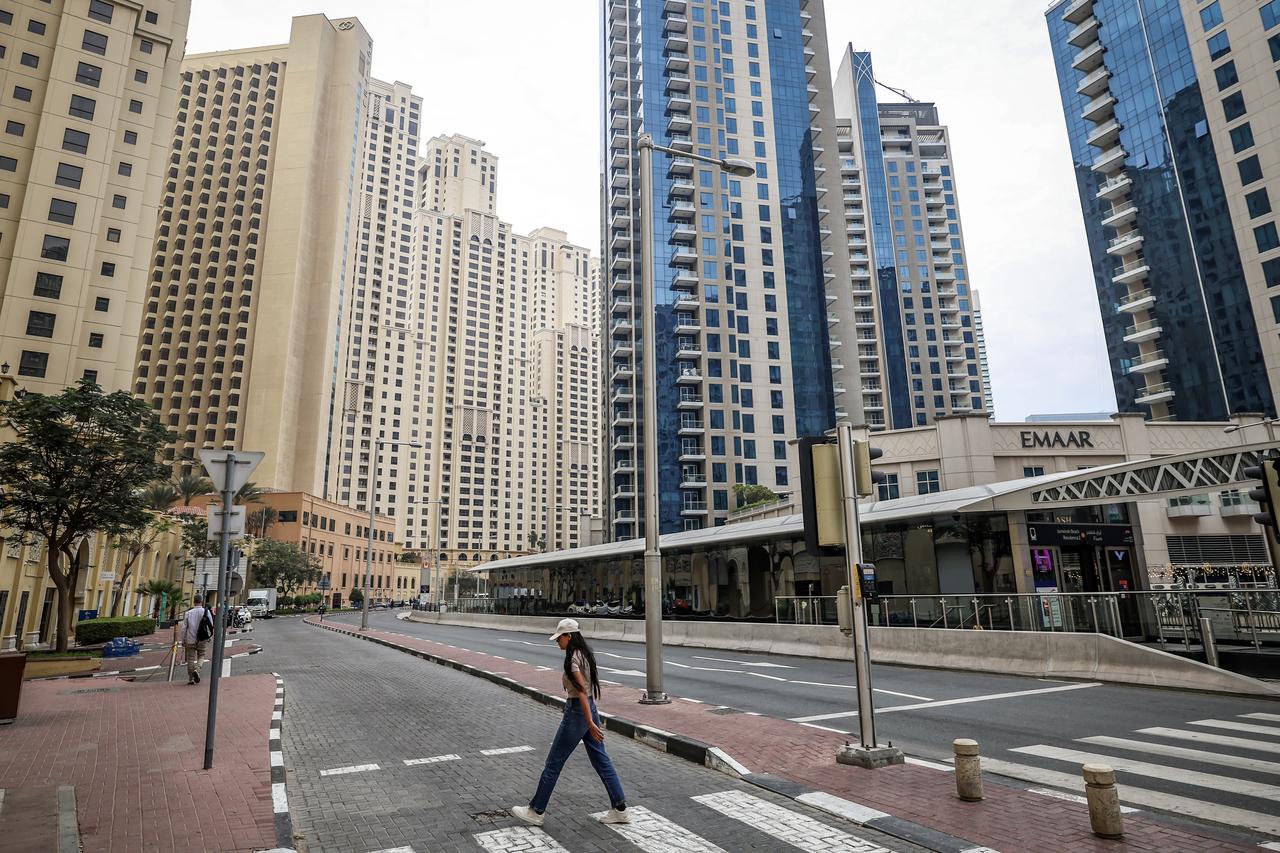
The UAE’s expected leniency reflects an attempt to stabilize its expatriate base during a period of geopolitical uncertainty.


 Set as preferred source
 Set as preferred source



 1 min read