Newsletters




Dubai authorities and business leaders are trying to contain reputational and economic fallout after Iranian missile and drone strikes targeted the United Arab Emirates during the ongoing regional conflict, as the country’s stock exchange continues to record losses led by real estate companies.
The Dubai Financial Market General Index (DFMGI) extended its drop to nearly 20% by Friday’s close, with the Real Estate Index—home to major developers such as Emaar—plunging more than 30%. Despite property transactions remaining active, with over 6,100 deals totaling $5.62 billion, fears of a prolonged conflict weigh on the future of the region’s property sector.
 0 min read
Iran has launched more than 1,800 missiles and drones at the Emirates since the conflict began, marking the highest number of projectiles Tehran has directed at any country involved in the war.
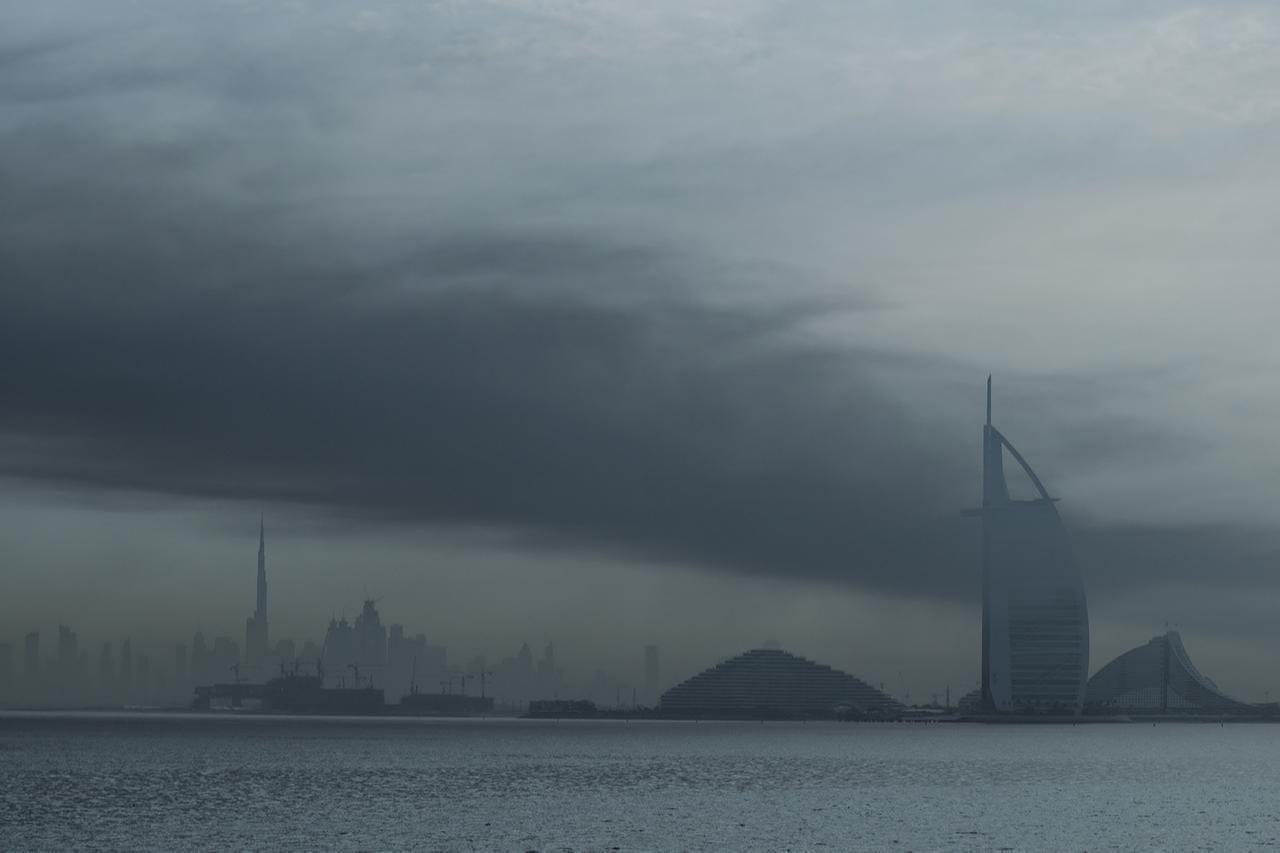
Although air defense systems intercepted most of the attacks, the scale of the strikes has challenged the long-standing perception of the Gulf as a stable and secure region.
The conflict has already produced economic ripple effects across the Emirates. Iran has warned that economic targets linked to the United States and Israel could be attacked, prompting several companies to evacuate offices in Dubai’s financial district earlier this week.
Major international banks, including Citibank and HSBC, temporarily closed their UAE branches amid rising security concerns. On Friday, Iranian drone strikes targeted the Dubai International Financial Center, with debris striking a building facade in the district’s Innovation Hub, sending smoke over the area and causing limited structural damage.
For decades, the United Arab Emirates promoted itself as one of the safest places in the world, pointing to low crime rates and political stability as key attractions for foreign residents and investors, as well as its business-friendly regulations and tax advantages.
The latest attacks, however, have unsettled that narrative as explosions and interception footage circulated widely online and tourists began leaving the city.

Authorities and state-backed messaging channels have intensified efforts to project normalcy during the conflict. Dubai’s official Instagram account shared a video with the message "Dubai is safe; will always be safe" to its 5.8 million followers.
In a separate public appearance early in the conflict, UAE President Mohamed bin Zayed Al Nahyan walked through Dubai Mall with a large entourage, a move widely interpreted as a signal that daily life in the city remained stable.
Officials are particularly focused on maintaining confidence among expatriates, who make up about 90% of the UAE population and form a key part of the country’s strategy to expand its economy beyond oil through tourism, finance, and services.
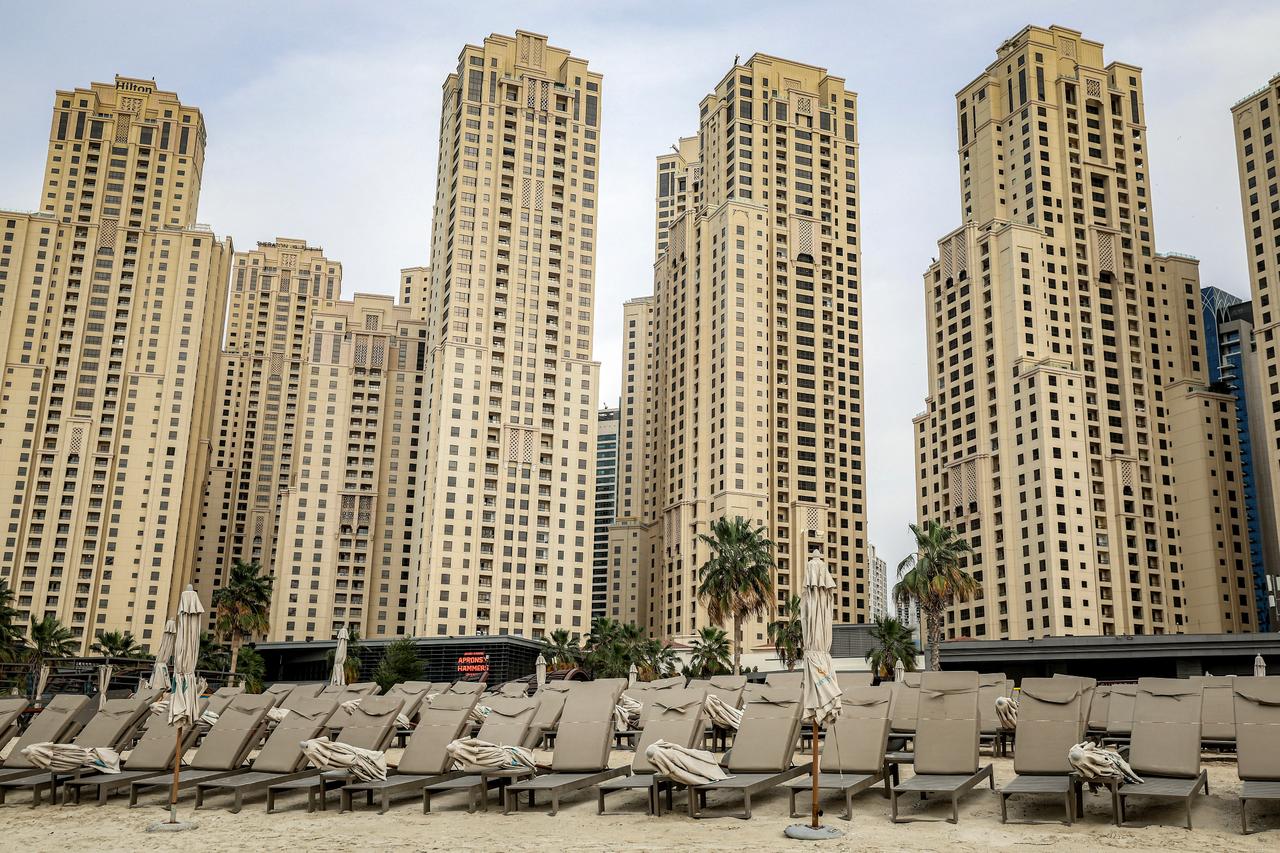
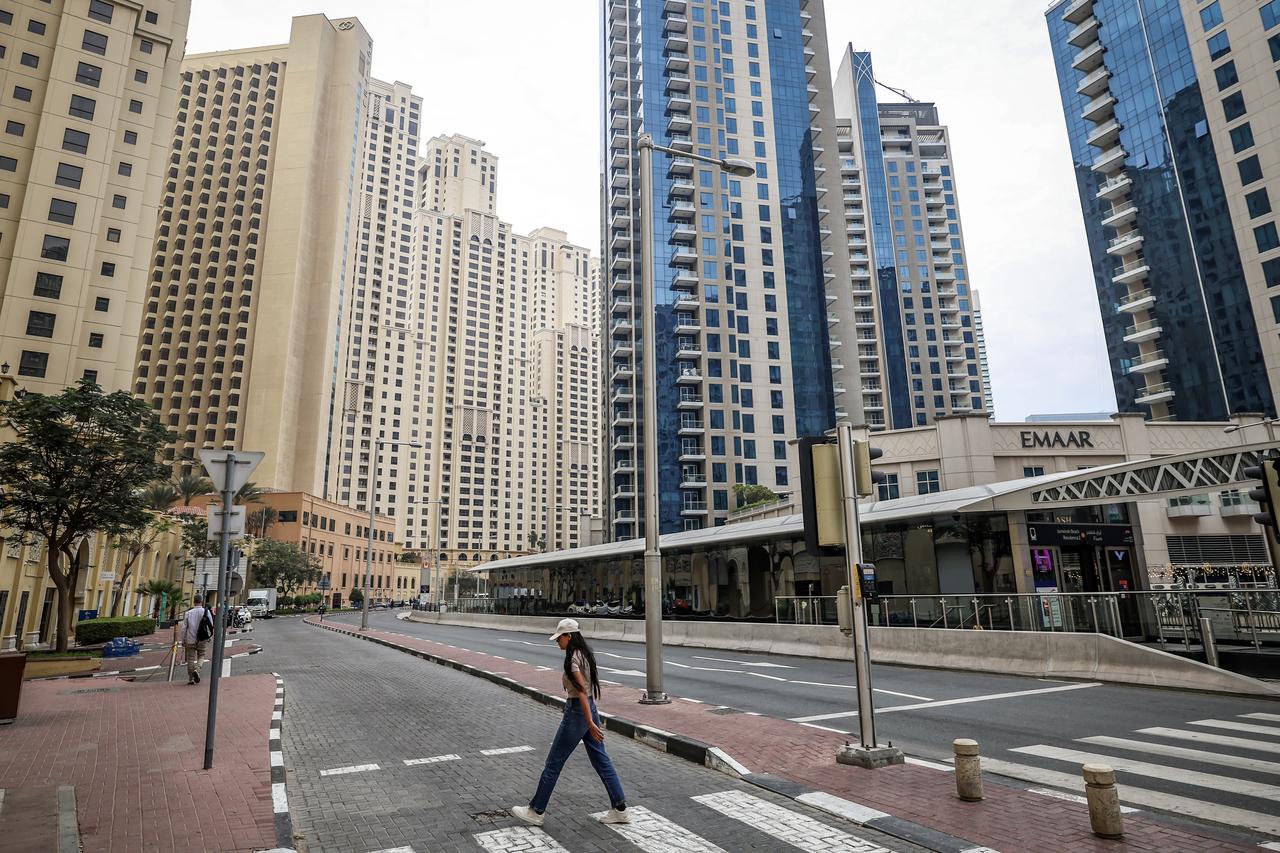
Despite official messaging, visitor activity has dropped noticeably at major attractions such as Dubai Mall and JBR Beach as tourists depart the country.
Emaar, the developer behind Dubai Mall and other major commercial complexes, warned retailers not to close or shorten operating hours during the conflict. In a notice sent to shops and restaurants, the company said closures could "undermine public order, create unnecessary concern and adversely affect the reputation and economic standing of the United Arab Emirates."
According to an earlier report by U.K.-based Tourism Economics, Gulf countries could face up to $56 billion in tourism losses in 2026, while international arrivals to the region may fall between 11% and 27% this year, depending on how long the conflict continues.
The tourism and travel sector contributed AED257.3 billion ($70 billion) to the UAE’s gross domestic product in 2025, accounting for 13% of the national economy.


 Set as preferred source
 Set as preferred source


 5 min read