Newsletters


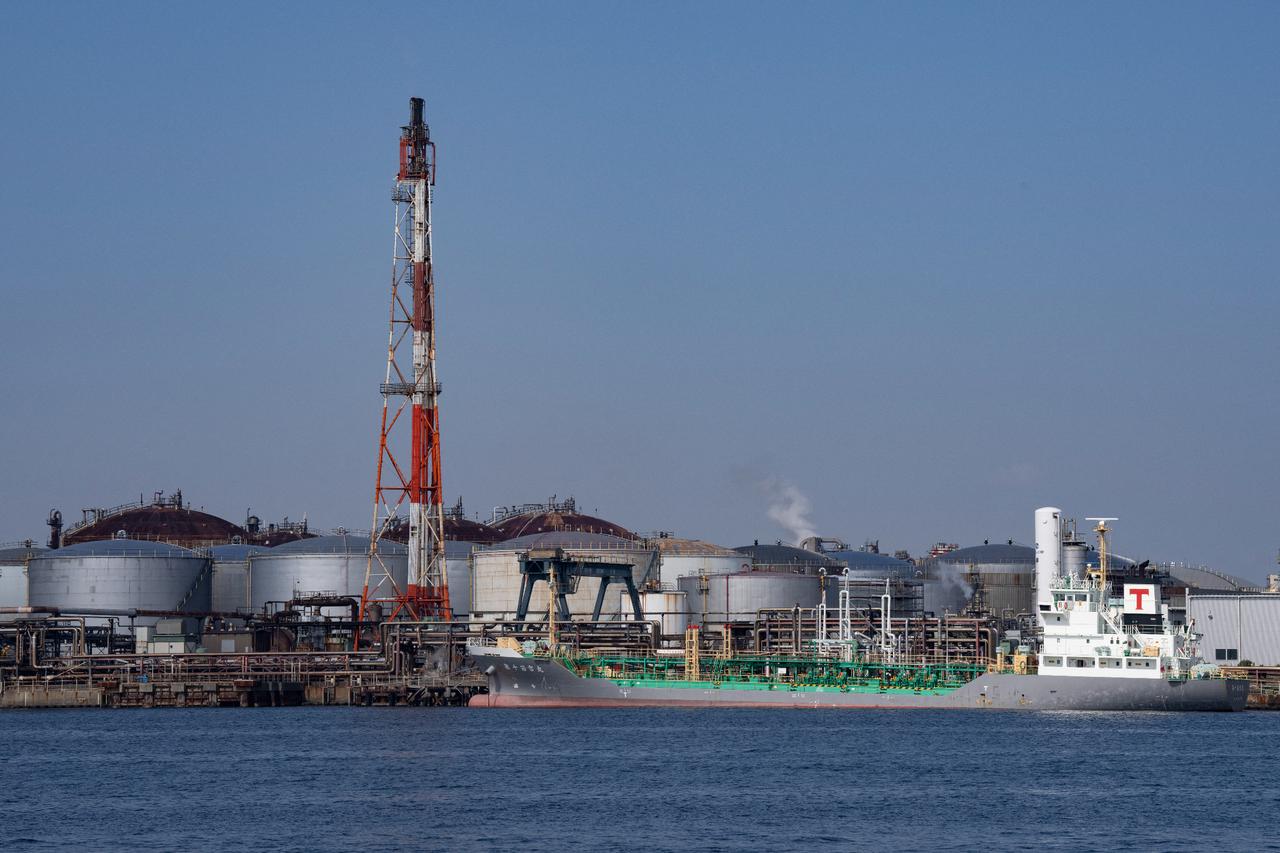


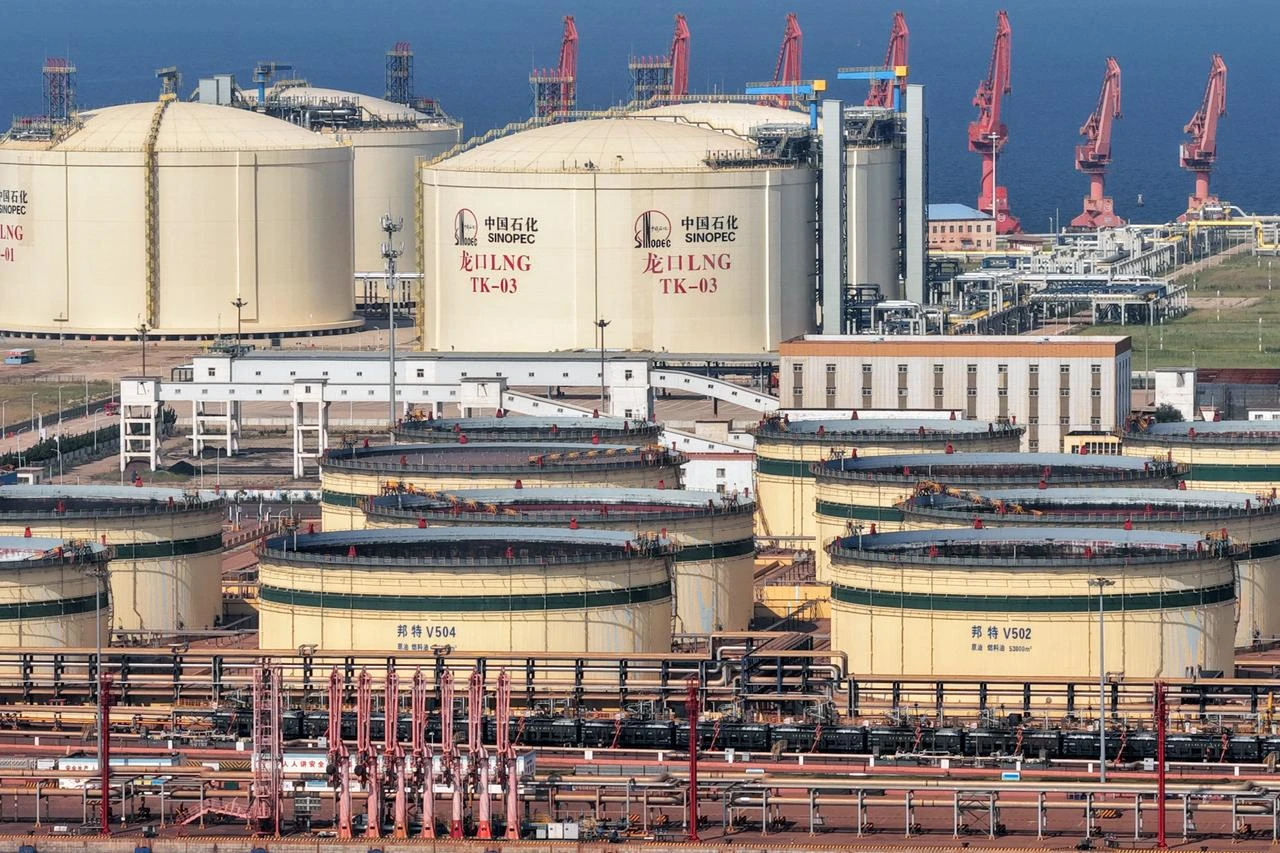
The U.S. is weighing the release of sanctioned Iranian oil currently stored on tankers as part of efforts to contain rising global crude prices, Treasury Secretary Scott Bessent said Thursday.
Speaking in a televised interview, Bessent said between 130 million and 140 million barrels of Iranian oil remain at sea and could be made available to the market. He indicated that Washington has already allowed Iranian oil shipments to continue leaving the Gulf despite ongoing tensions in the region.
The Treasury secretary said the administration could act by increasing physical supply rather than intervening in financial markets. He emphasized that the government is not taking steps in oil futures trading but is instead looking at releasing oil already stored offshore.
Bessent added that a new release from the Strategic Petroleum Reserve remains an option if needed to stabilize prices. "There is plenty more we can do on supply," he said, pointing to oil held at sea as an immediate source of additional barrels.
The U.S. Department of Energy released 172 million barrels from the Strategic Petroleum Reserve as part of a coordinated move by International Energy Agency (IEA) member countries to release a total of 400 million barrels of oil and refined products to calm markets.
International benchmark Brent crude moved above $119 per barrel on Thursday after Iran launched attacks on energy infrastructure across the Middle East in retaliation for Israel’s earlier strike on the South Pars gas field.
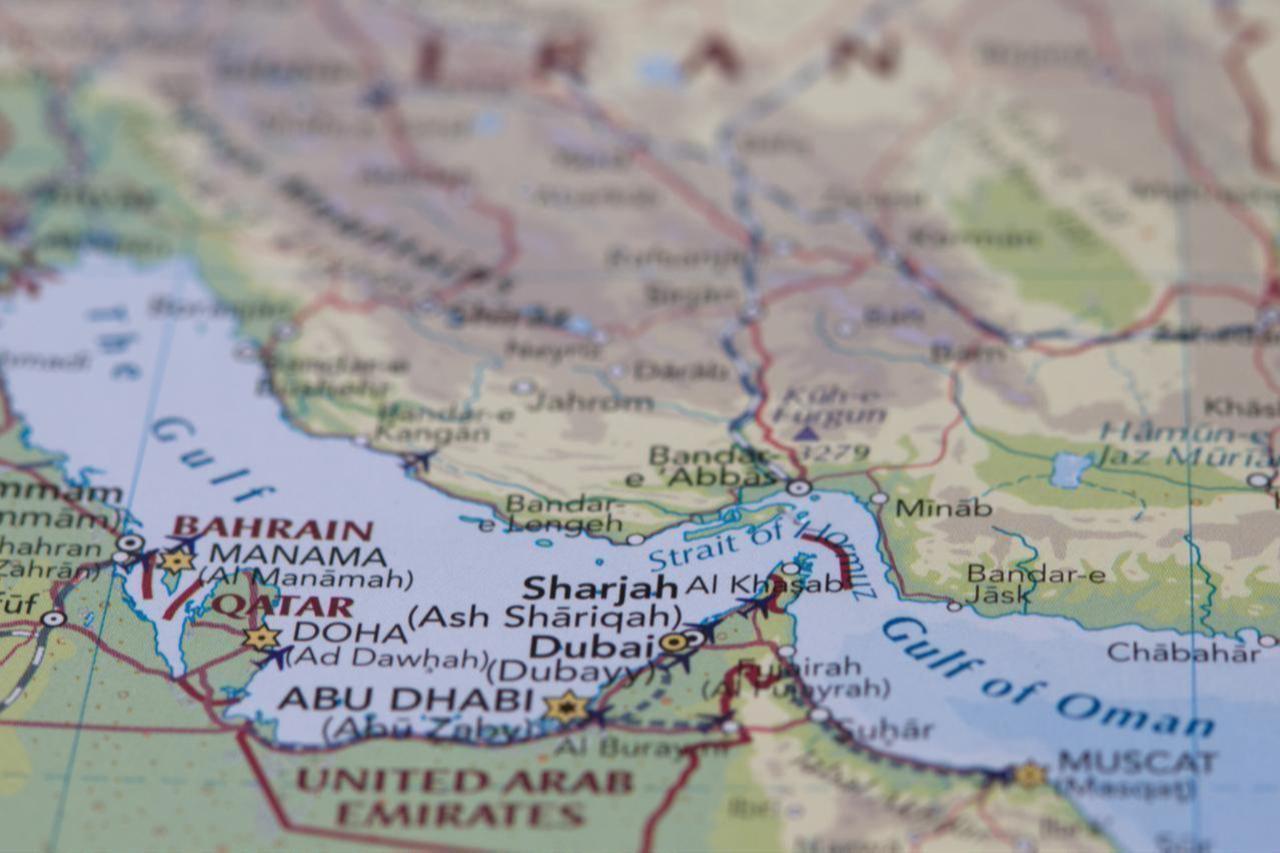
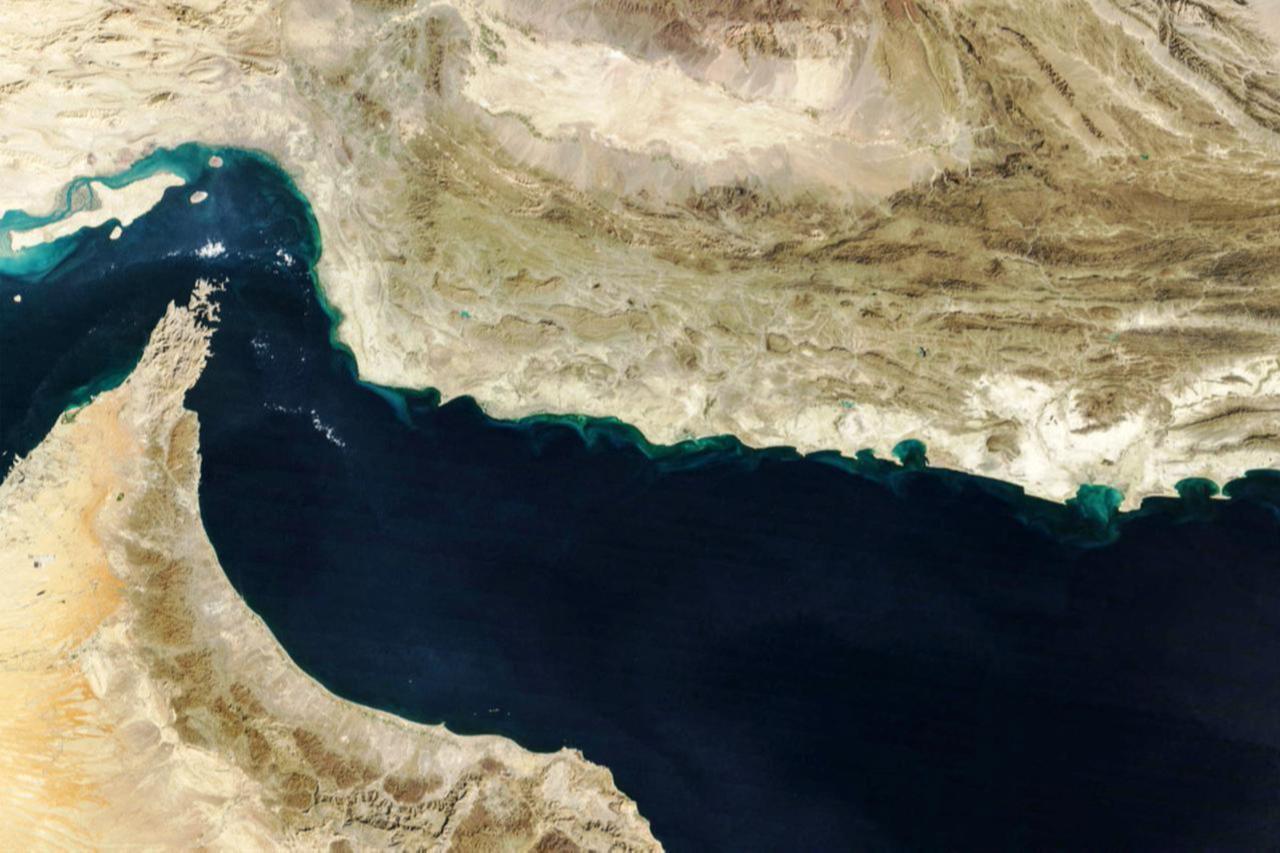
Bessent described the previous night as the most intense period of strikes involving Iran but stressed that the U.S. had not targeted Iranian energy assets. He also referred to the Strait of Hormuz as a temporary bottleneck rather than a long-term disruption point, suggesting that supply routes remain manageable for now.
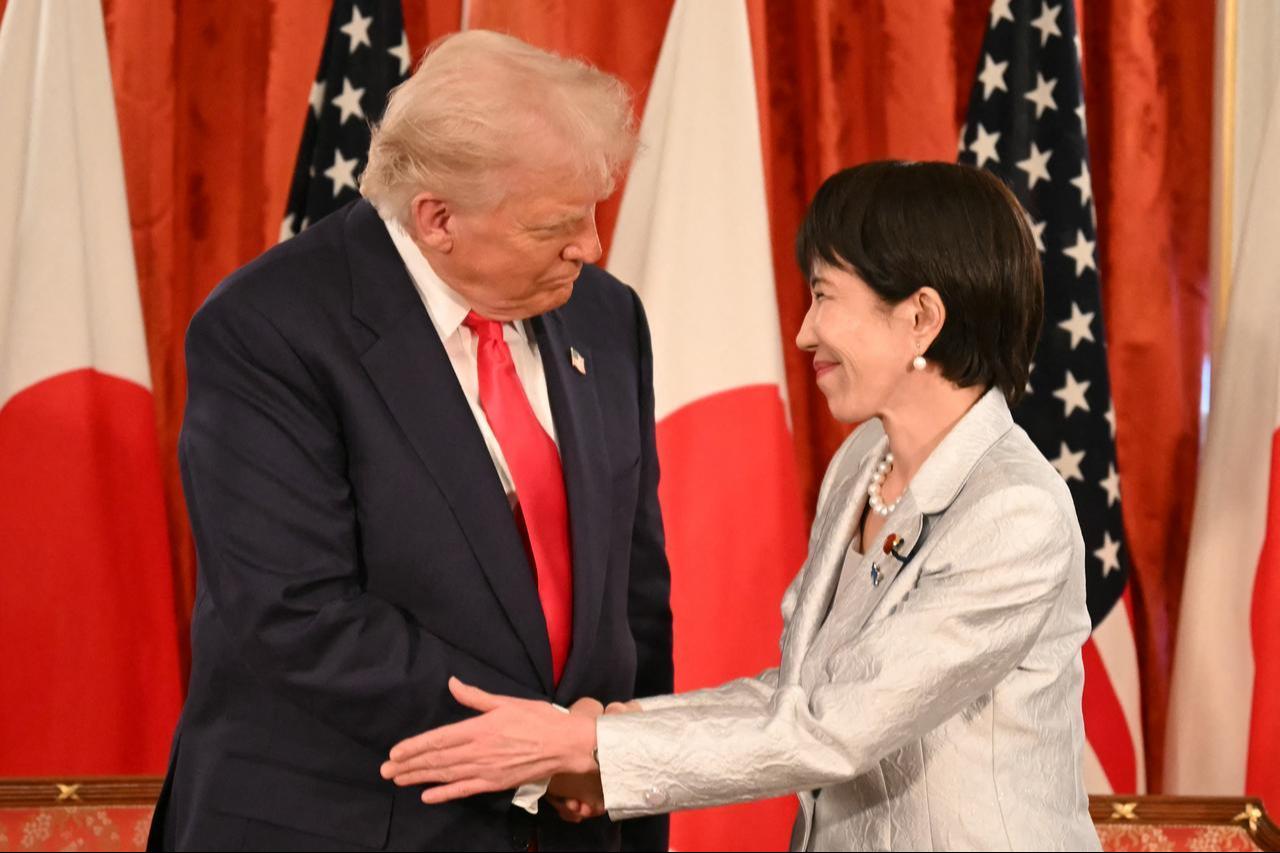

On U.S. calls for allies to secure shipping routes through the Strait of Hormuz, including deploying naval assets and supporting tanker escorts, Bessent said countries such as Japan could seek additional energy supplies from the Gulf, adding that President Donald Trump’s ties with Japan’s leadership could support closer cooperation.
His remarks come as Donald Trump meets Japanese Prime Minister Sanae Takaichi in Washington, with energy security and Gulf stability now central to bilateral talks. Trump has repeatedly called on countries reliant on Gulf energy to help safeguard shipping routes, arguing those benefiting from the corridor should play a more active role in keeping it open.
Japan, which sources around 90% to 95% of its crude oil from the Middle East, remains highly exposed to disruptions in the region, with roughly 70% of its imports passing through the Strait of Hormuz. Despite that reliance, Tokyo has so far avoided direct military involvement due to constitutional constraints, but is expected to coordinate closely with Washington on securing energy flows and managing market volatility.


 Set as preferred source
 Set as preferred source


 1 min read
 1 min read