Newsletters


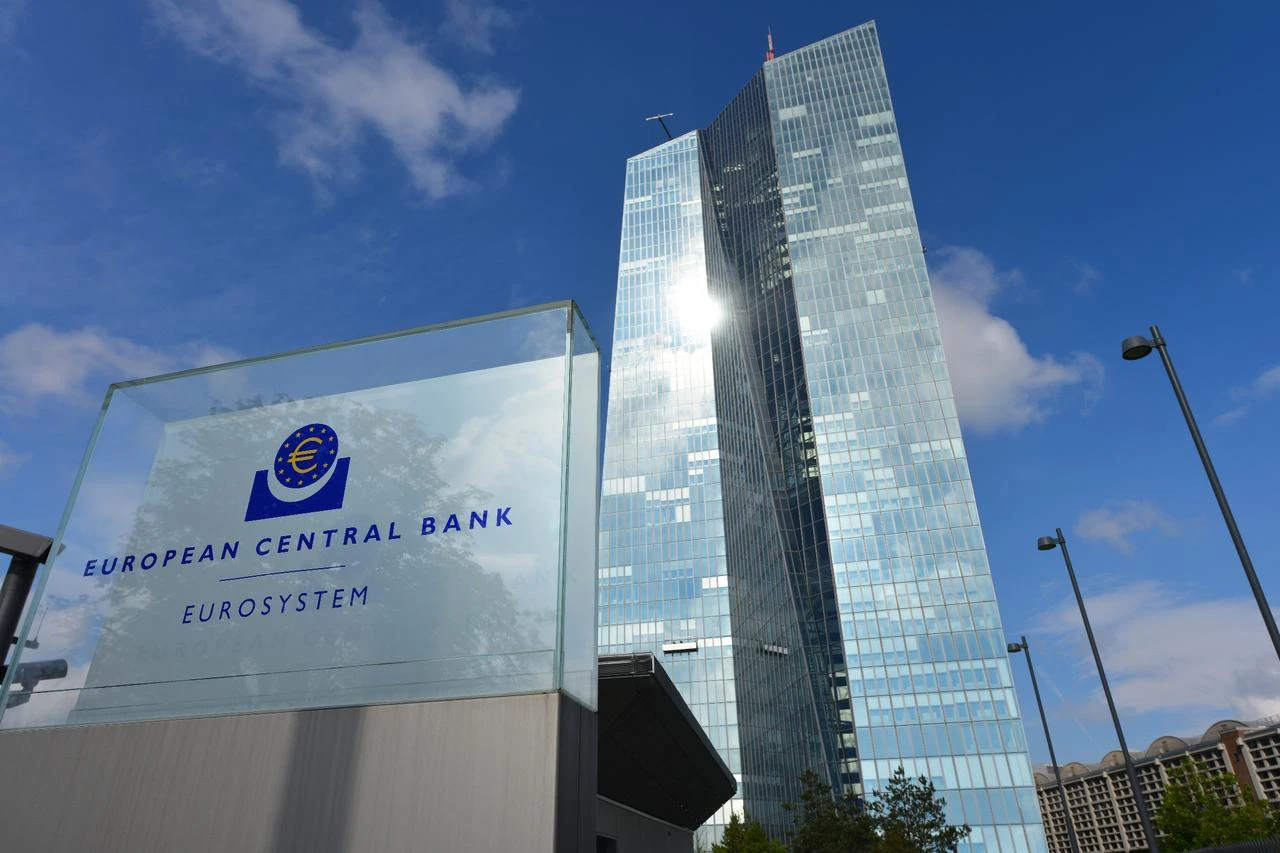


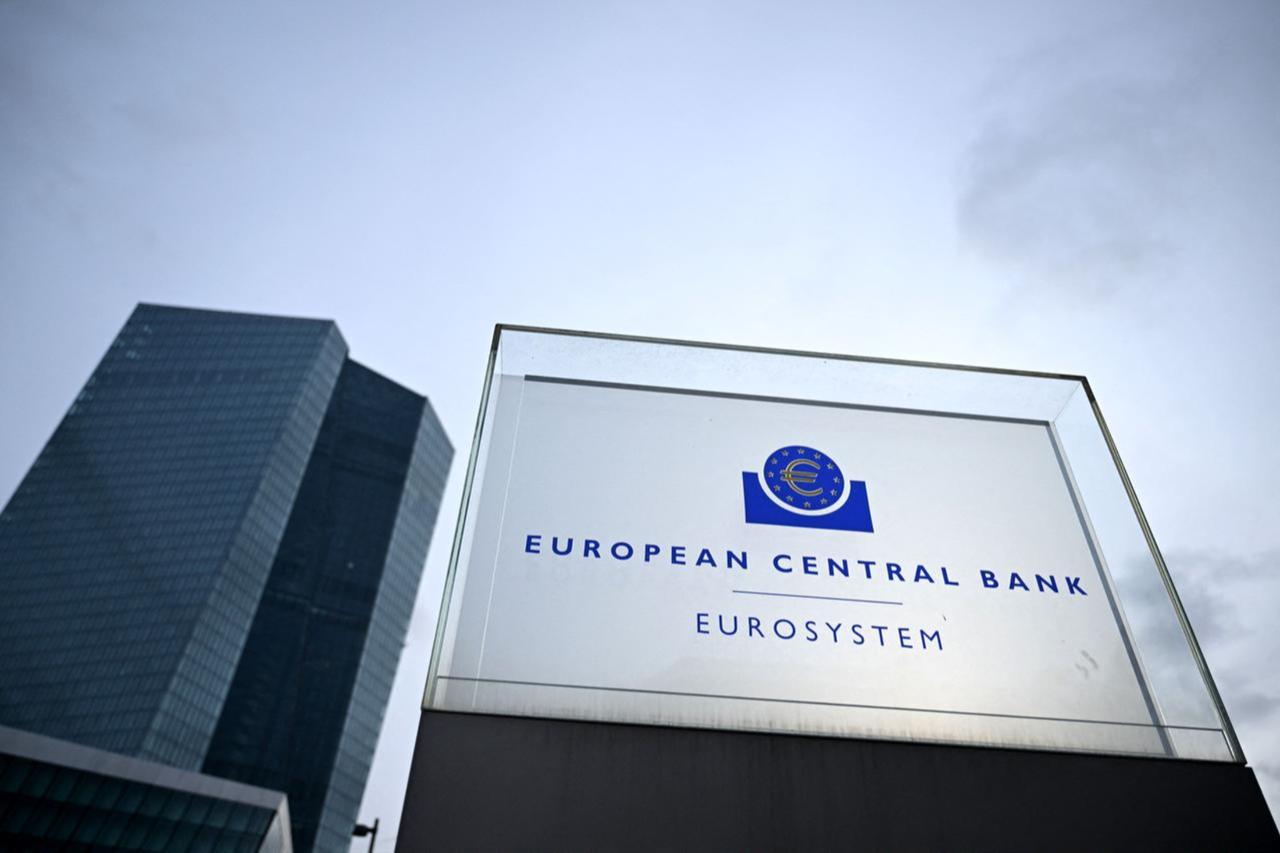
The European Central Bank (ECB) is expected to maintain a cautious stance at its monetary policy meeting Thursday as escalating geopolitical tensions in the Middle East complicate the inflation outlook.
Central banks are adjusting policy expectations against the backdrop of the economic fallout from the U.S.-Israel-Iran conflict.
Rising oil prices after renewed fighting in the region have fueled expectations that energy costs in the eurozone could rise again.
The risk that higher energy costs could spill over into broader prices through transport, manufacturing and services makes it more difficult for the ECB to declare victory in its fight against inflation.
The renewed conflict is again stoking inflationary pressure through energy prices, strengthening expectations that the ECB may move more cautiously on further policy easing.
Markets widely expect the bank to keep rates unchanged Thursday, while also pricing in the possibility of a rate hike at its next meeting.
ECB President Christine Lagarde's assessment of inflation, energy prices and geopolitical risks will be decisive for the short-term direction of European markets.
The bank's messaging on whether war-related cost pressures are temporary or likely to persist will play a key role in shaping interest rate expectations for future meetings.
Bas van Geffen, senior macro strategist at Rabobank, told Anadolu that the collapse of the U.S.-Iran ceasefire reduced the likelihood of a more dovish scenario for the ECB.
He said energy prices had returned to levels more generally consistent with the bank's baseline scenario.
Geffen said new uncertainties had emerged with renewed tensions in the Middle East, fueling expectations of a rate hike in the second half of the year.
"Lagarde may indicate that this tips the balance more towards upside inflation risks again, but we believe it does not warrant an urgent policy response," he said.
He said one more rate hike was likely, especially in September rather than this month.
 2 min read
Geffen said the renewed escalation involving Iran was driving up inflation risks and could embolden more hawkish ECB policymakers to push for another rate hike in July.
However, he said he expected most policymakers to avoid pressing for an immediate increase.
"On top of the increase in energy prices, the collapse of the MoU also adds new uncertainty—about the duration and scope of the renewed conflict, for example," he said.
"That uncertainty could lead to non-linear effects on both inflation and on growth, e.g. through consumer confidence," he added.
Jan-Paul van de Kerke, senior economist for the Netherlands and the eurozone at ABN AMRO, told Anadolu that he expects the ECB to raise rates again in September, bringing the deposit rate to 2.5%.
"This is to keep inflation expectations well anchored, as core inflation will likely stay elevated despite the declines in energy prices we are now seeing," he said.
"Ultimately, however, we expect second-round effects to be contained, and by early 2027 we expect the ECB to be confident enough in the inflation outlook to gradually bring rates back to its estimate of a neutral policy setting—we expect one rate cut each in Q2 and Q3 2027, bringing the deposit rate back to 2%," he added.


 Set as preferred source
 Set as preferred source


 1 min read