Newsletters


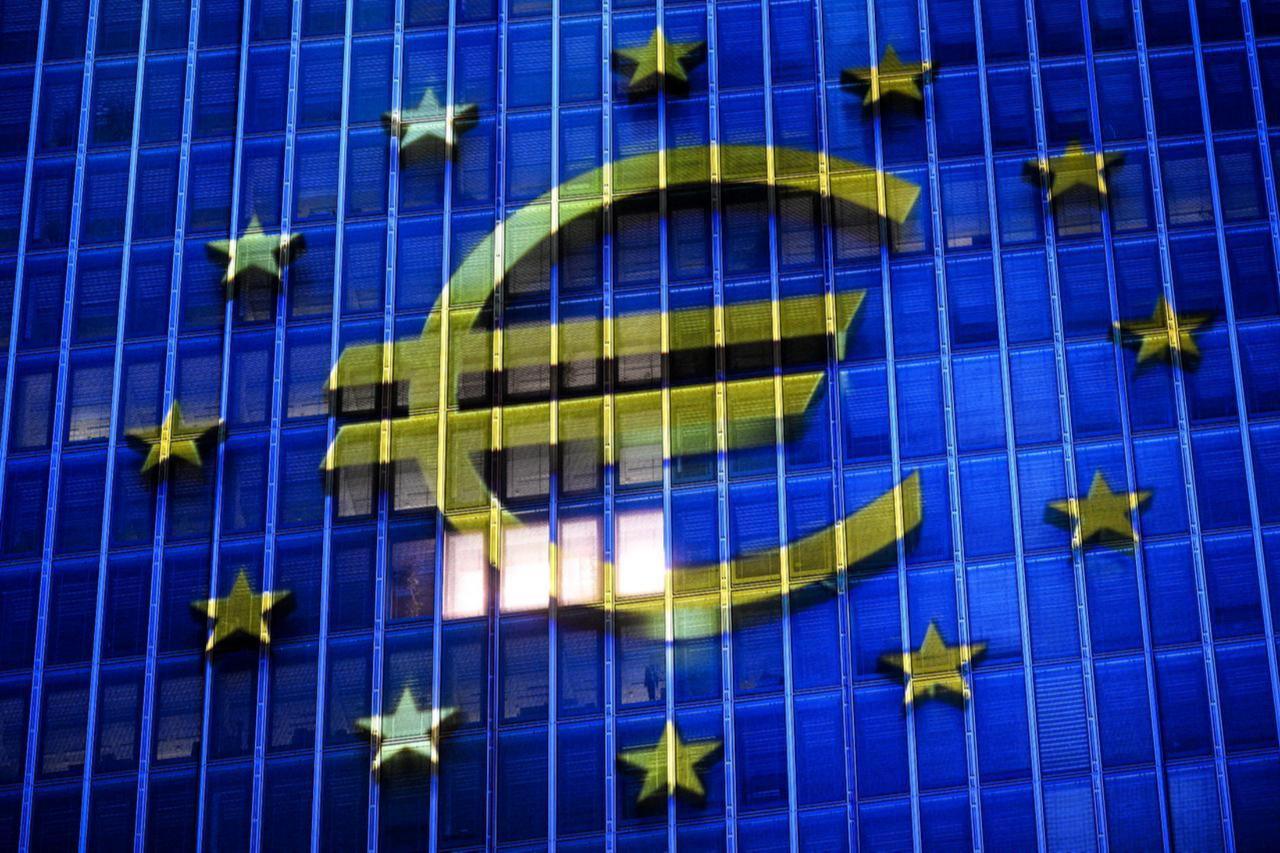


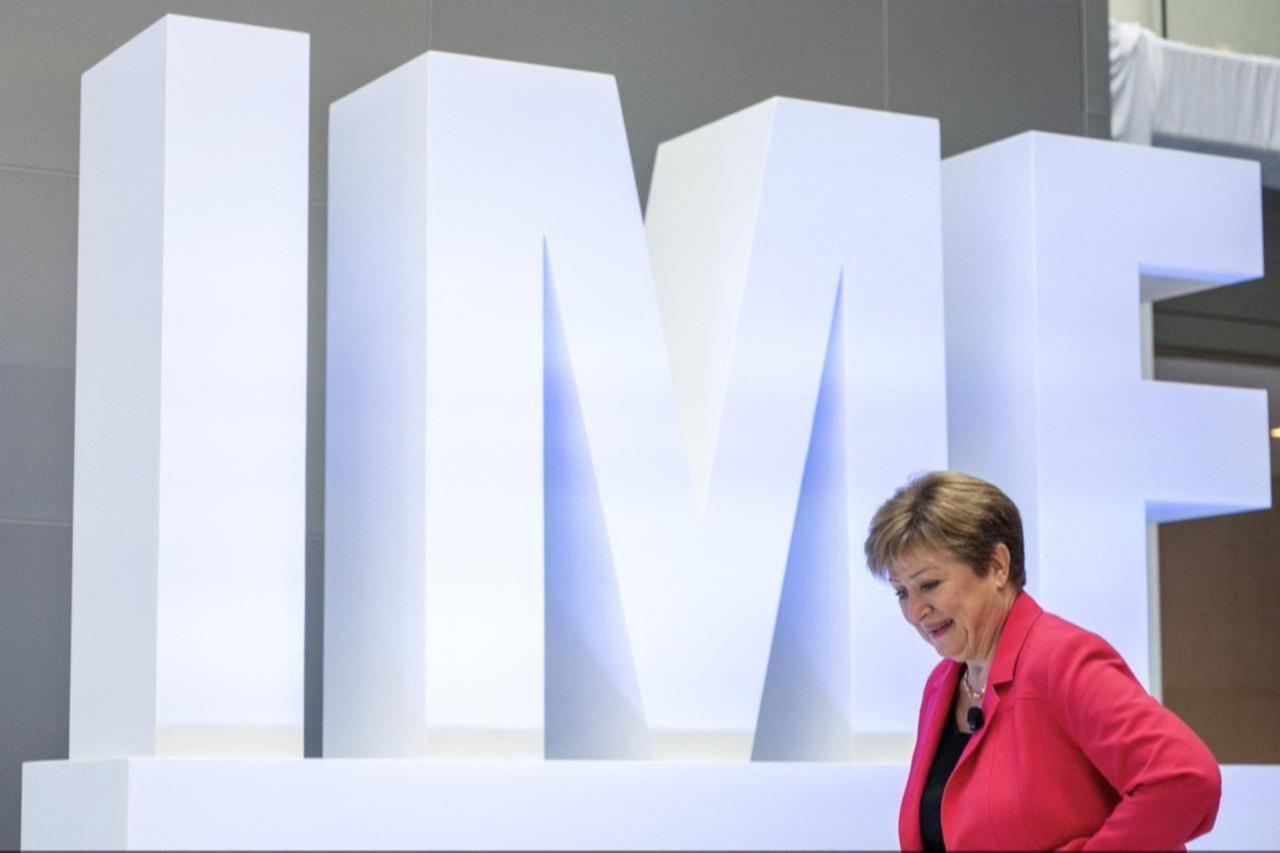
The International Monetary Fund cut its eurozone growth forecast and raised its inflation outlook Thursday, warning that energy price disruptions caused by the now four-month-old Middle East war are inflicting deeper economic damage than previously anticipated, as the European Central Bank raised interest rates for the first time since 2023.
The IMF now projects eurozone growth of 0.9% this year, down from its April estimate of 1.1%, before a partial recovery to 1.2% in 2027.
Inflation is forecast to hit 2.8% in 2026, up from the fund's earlier projection of 2.6% and a cumulative rise of 0.8 percentage points since the United States and Israel launched strikes against Iran in late February.
The conflict has effectively closed the Strait of Hormuz to Gulf oil and gas shipments, and officials warn that damage to production facilities could extend supply constraints for several more months.
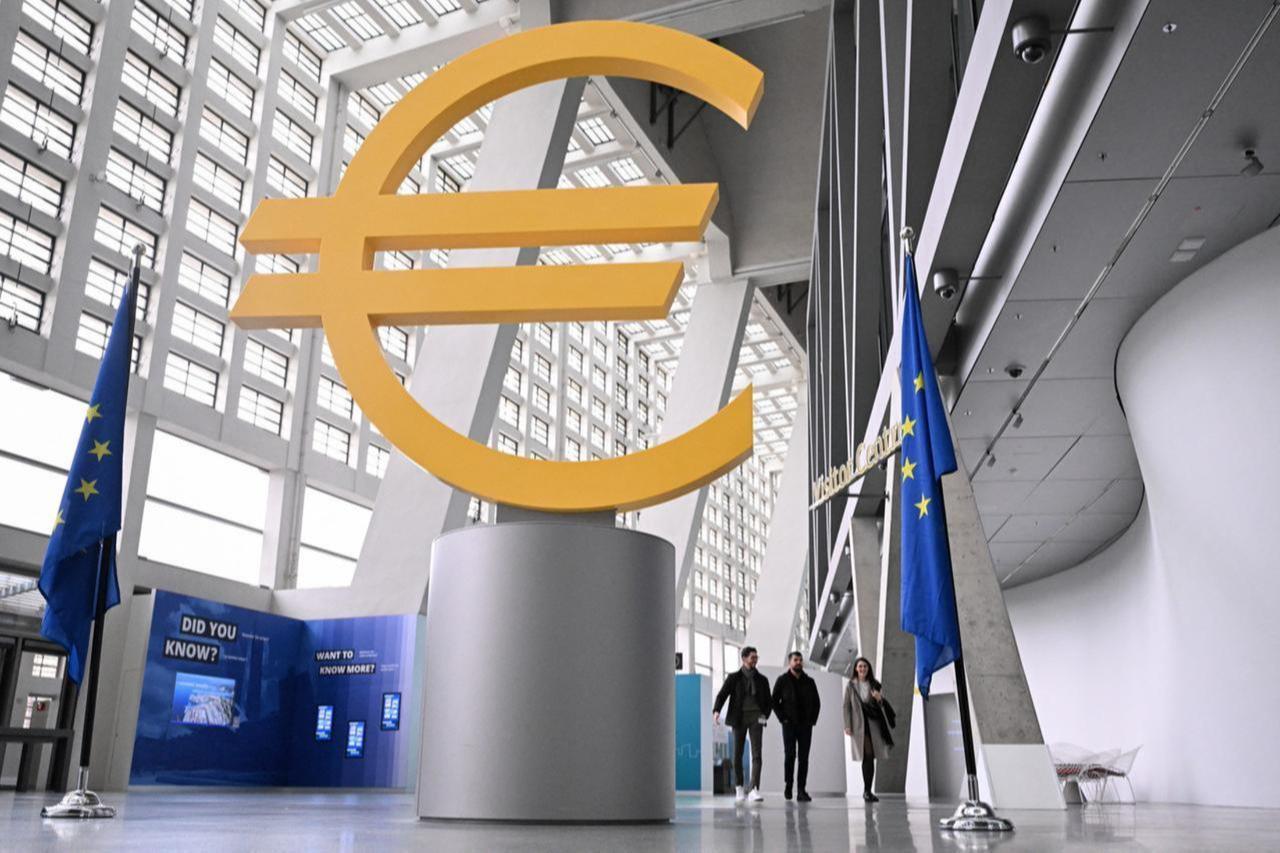

The Frankfurt-based ECB, citing war-driven inflation pressures, raised its benchmark deposit rate by 25 basis points to 2.25% Thursday, marking a sharp policy reversal after eight consecutive cuts that had brought the rate down from a historic peak of 4.0%. The decision was unanimous.
The rate increase, which takes effect June 17, is the institution's first tightening move since September 2023. The ECB's Governing Council said it was monitoring how the energy shock might affect the medium-term outlook, and pledged to follow a "data-dependent and meeting-by-meeting approach" to future decisions.
The bank simultaneously revised its own projections, cutting its 2026 growth forecast to 0.8% from 0.9% and lifting its inflation estimate to 3.0%, well above its 2.0% target, citing a more pronounced impact of the war on commodity markets, real incomes and confidence.
The move has renewed debate among analysts over whether the ECB is beginning a new tightening cycle or delivering a targeted, one-off adjustment. Roger Ruegg, head of multi-asset solutions at ZKB unit Swisscanto, framed the central question, asking "whether this marks the beginning of a new tightening cycle."
His colleague cautioned that it remains unclear whether tighter monetary policy can curb inflation "without further hurting an economy that is already showing signs of weakness."
Markets are currently pricing in close to three rate hikes across 2026, though economists are divided. Henry Cook, senior Europe economist at MUFG Bank, described his institution's base case as 0.50 percentage points of total tightening this year, characterizing it as "a measured adjustment rather than a fully-fledged tightening cycle," contingent on the Strait of Hormuz reopening over the summer.
Kevin Thozet of Carmignac sees two additional hikes before the end of summer, while Felix Feather of Aberdeen Investments expects Thursday's move to stand as the sole increase this year.
Patrick Barbe of Neuberger Berman went further, suggesting that if the Strait of Hormuz reopens and inflation cools while recession risks grow, the ECB could reverse course and cut rates in the second half of the year.
The IMF stressed the difficulty of the ECB's position, noting that an even more prolonged energy shock could push inflation and inflation expectations higher, while falling consumer confidence or financial stress could simultaneously weaken demand. The fund expects a further 25 basis point rate increase from the ECB before year-end, even after Thursday's move.
On fiscal policy, the fund urged governments to cushion the economic blow without resorting to excessive spending that would widen public deficits. "The immediate priority is to keep inflation expectations anchored and cushion the impact of the shock within the available fiscal space," it said.
The ECB's decision comes ahead of a closely watched Federal Reserve meeting on June 17, and rate decisions from the Bank of England and the Swiss National Bank on June 18, as markets watch whether major central banks will converge or diverge in their responses to the inflation surge.


 Set as preferred source
 Set as preferred source


 1 min read
 1 min read