Newsletters


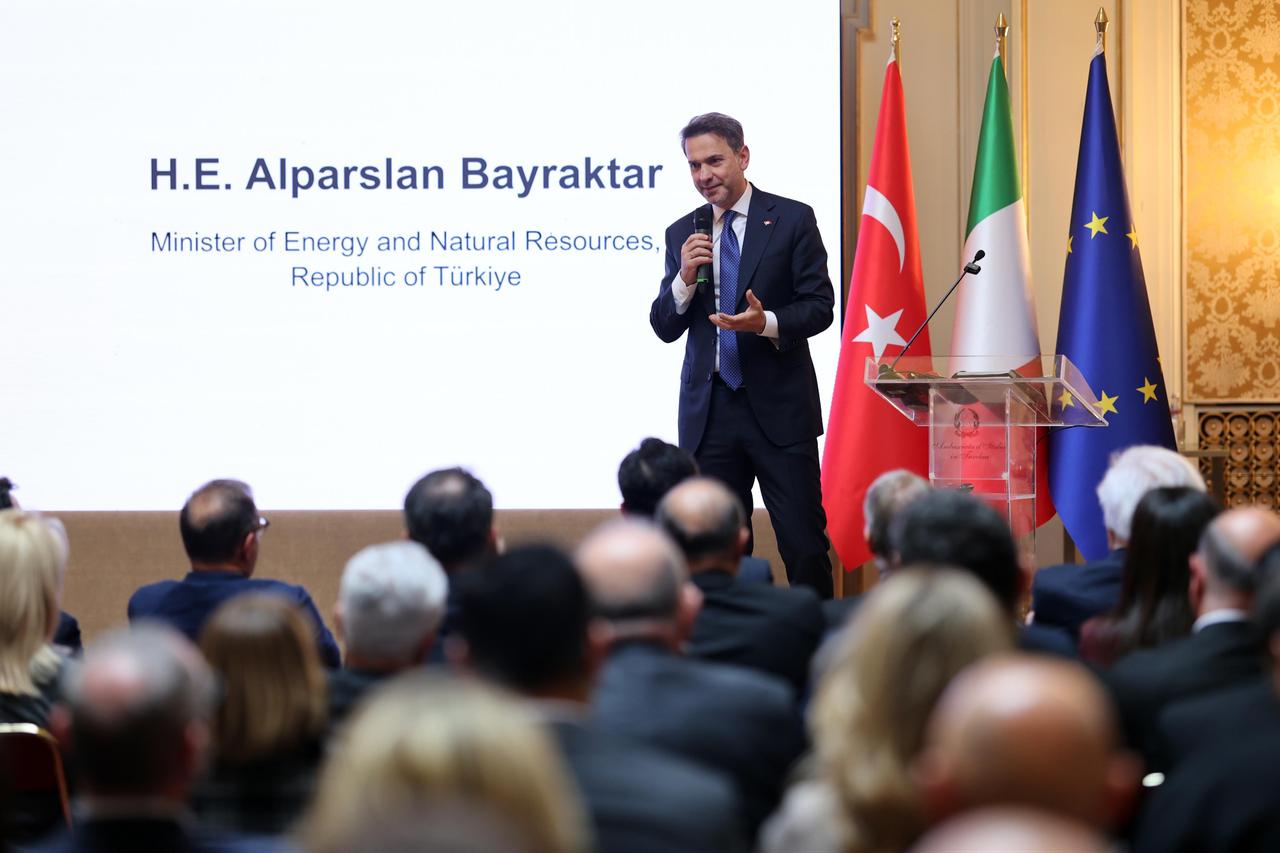


Türkiye is aiming to cooperate with Italian energy company Eni on oil and expects to announce a deal soon, Energy and Natural Resources Minister Alparslan Bayraktar said, describing the plan as “a big project” while declining to give details.
Speaking at an Italy-Türkiye energy partnership and business matching event at Venice Palace in Istanbul, Bayraktar said Ankara is planning to work with oil companies, Eni among them. “I cannot disclose the details of the agreement to you right now, we first need to finalize it,” he said.
He suggested the partnership could reach beyond the two countries. It could be built not only in Italy or Türkiye but also in third countries and other regions, he said, adding that Ankara is ready for ventures stretching from Africa to the Middle East and from the Middle East to Central Asia.
Separately, Bayraktar told the Turkey Energy Summit in Istanbul on Tuesday that Türkiye may sign agreements by the end of the year to acquire companies or explore further for hydrocarbons. The deals would support a target of producing 1 million barrels of oil and natural gas a day.
He said Türkiye has a production capacity of 300,000 barrels of oil equivalent, and that current planning would lift it to between 550,000 and 600,000 by 2028. Reaching the target would more than triple the current level, and even the 2028 figure would fall well short of it. His remarks suggest Ankara is looking abroad to close the gap.
“There may be more news, good news by the end of the year,” he said. “We may buy, acquire companies. We are making partnerships and will continue to do so. There may be new fields, new countries, it could be Africa.”
State-owned upstream company TPAO has signed agreements for offshore hydrocarbon exploration in Libya and Pakistan and has bought a stake in Iraq’s Kirkuk oilfield. Türkiye also has an offshore exploration agreement with Somalia and has been carrying out operations there.
Bayraktar said Türkiye is also studying possible electricity trade with Lebanon and is interested in hydrocarbon exploration in Lebanese waters. He pointed to the country’s own exploration capacity. “Turkey has become a country that can explore for natural gas, oil with its own ships. We have a very strong fleet,” he said.
At the Venice Palace event, Bayraktar said Türkiye faces three main energy challenges: rising demand, import dependence and decarbonization. He said policies to address them would create significant investment opportunities.
He said the National Energy 2040 Plan will be announced next week, with electrification at its core. “We will electrify our economy,” he said, adding that more electrification will be seen across all sectors, from industry to buildings.
He stressed the need to expand generation capacity, improve transmission infrastructure and use energy efficiently. Maximizing renewable energy is the government’s priority, he said, and energy efficiency and nuclear power are also important parts of the strategy.
Bayraktar recalled that Türkiye announced a 120-gigawatt renewable energy target at COP29 in Baku in 2024. He said it will set “a much bigger and more ambitious” renewable target at COP31.
 1 min read
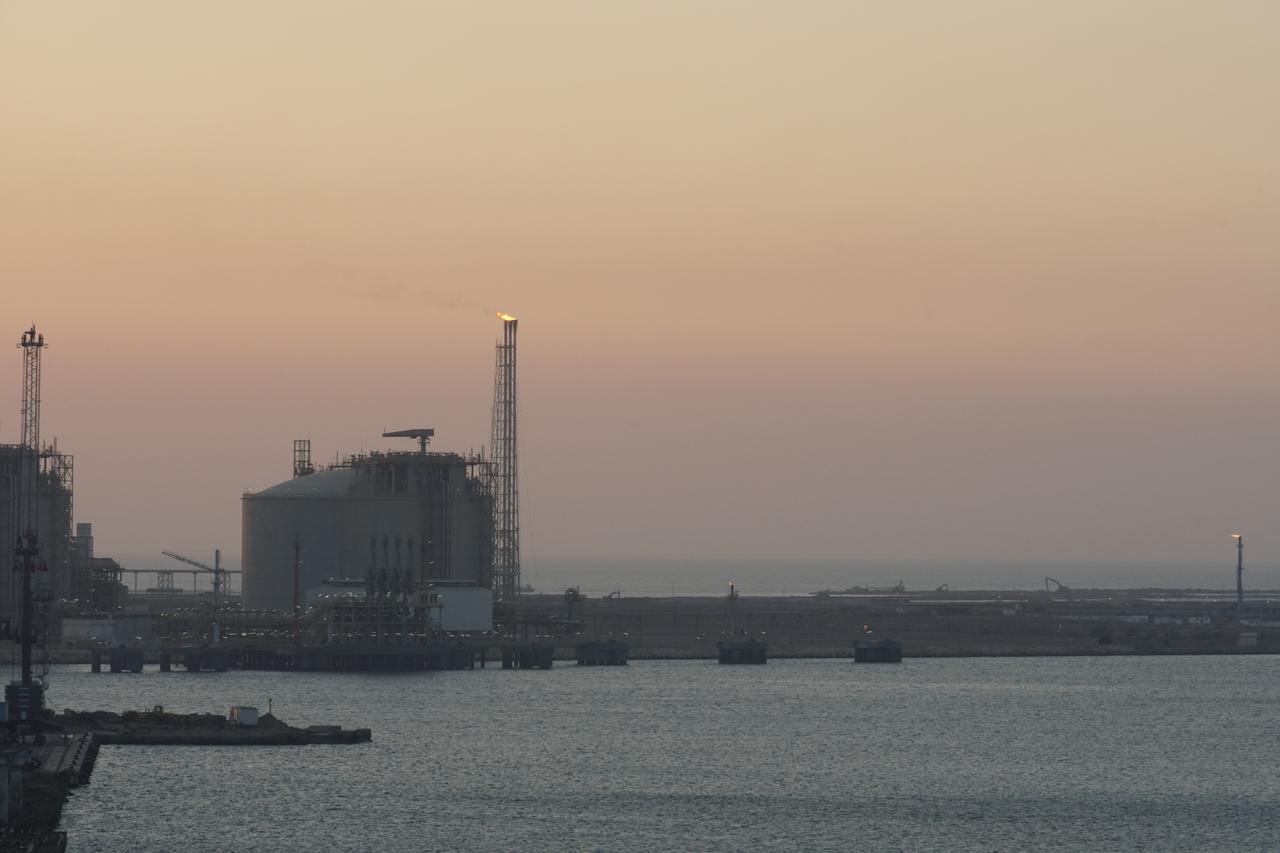
Bayraktar said Italian energy companies are involved in Türkiye’s natural gas production in the Black Sea. He thanked SACE, Italy’s official export credit agency, for financing some projects the two sides have developed together.
He said European Union countries are showing interest in Türkiye as an alternative to Russian gas. He told the Istanbul summit that some European countries have offered to buy natural gas from Türkiye after deciding to halt energy trade with Russia over its invasion of Ukraine. He said Türkiye could serve as an alternative route for Europe while becoming an energy center of its own.
Türkiye is developing many projects, some with Italian firms, Bayraktar said. It offers them not only for its own supply security but also for that of Europe and the wider region, he said.
He described the world as facing the biggest energy crisis of modern times, with successive crises becoming the “new normal.” That, he said, calls for broader, multilateral cooperation, and he cited Italy and Türkiye as a positive example of it.


 Set as preferred source
 Set as preferred source


 1 min read