Newsletters


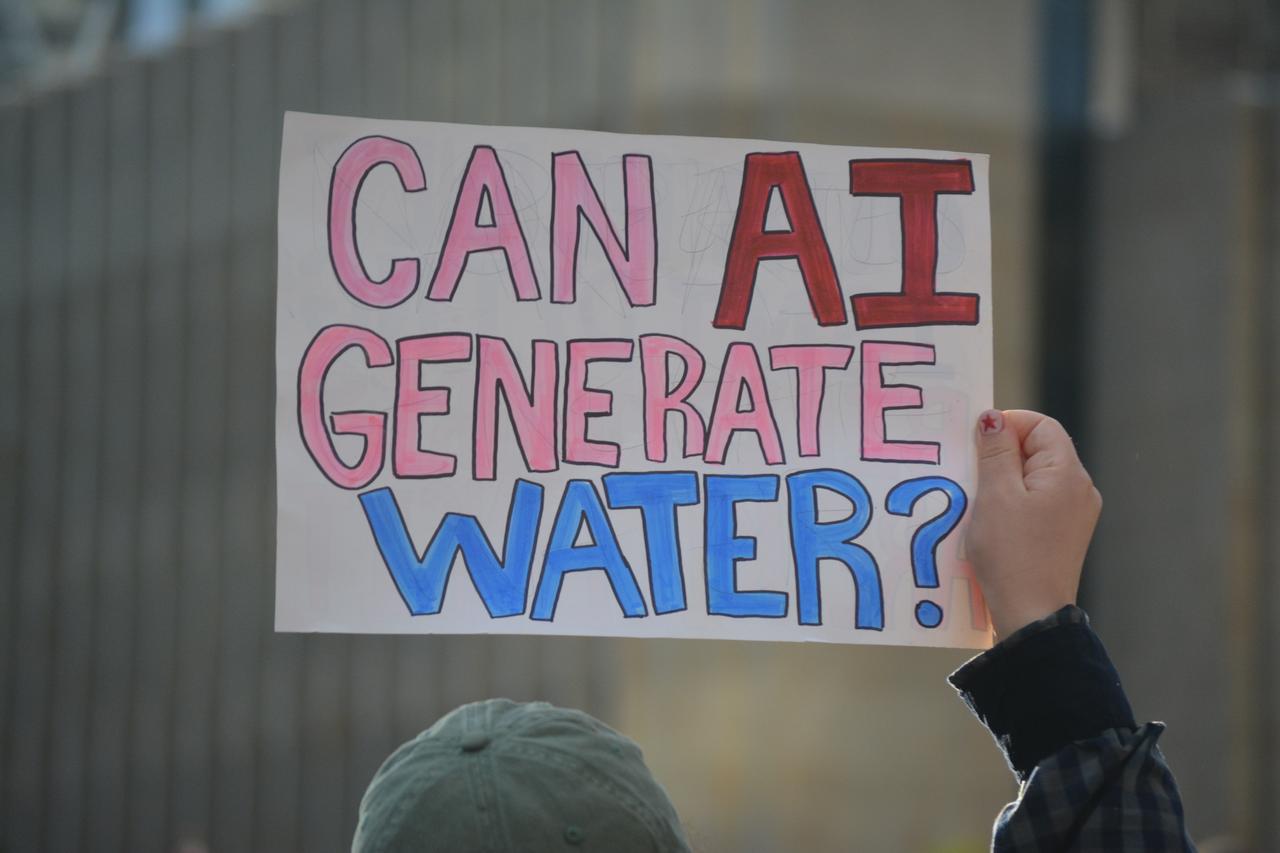


The rapid spread of artificial intelligence is drawing attention to the environmental effects of the data centers that power it. According to CNN, a September poll found that about 90% of Americans are more worried than excited about the expansion of AI data centers. Limited transparency from companies on their environmental impact makes the full scale of the problem hard to determine.
Training and running AI models require large amounts of electricity. Efficiency gains have improved, but growing user numbers and power-intensive applications such as video generation are driving total consumption higher.
According to the International Energy Agency (IEA), video generation can require thousands of times more energy than simple text queries. The agency’s data show AI data centers' electricity consumption rose 50% last year.
Analysis by Our World in Data shows data centers accounted for about 0.5% of global electricity consumption in 2025, a share expected to reach 1.5% by 2030. About half of that use takes place in the United States, where Lawrence Berkeley National Laboratory says data centers could account for 12% of electricity consumption by 2028.
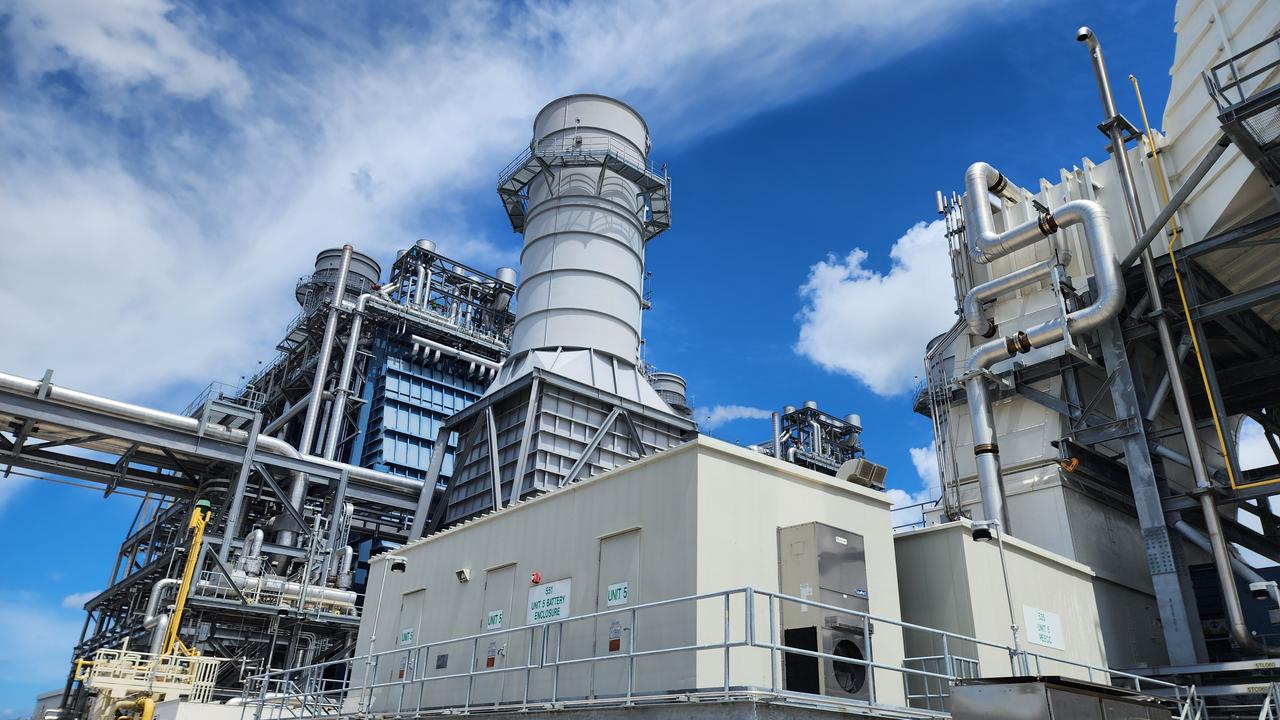

About 30% of the electricity data centers use worldwide comes from coal, 27% from renewable sources, and 26% from natural gas. The United States is also building new gas-fired energy infrastructure for data centers, and its turbines emit pollutants that can worsen air pollution and cause health problems. One study estimates the public health cost of U.S. data centers could reach $20 billion by 2028.
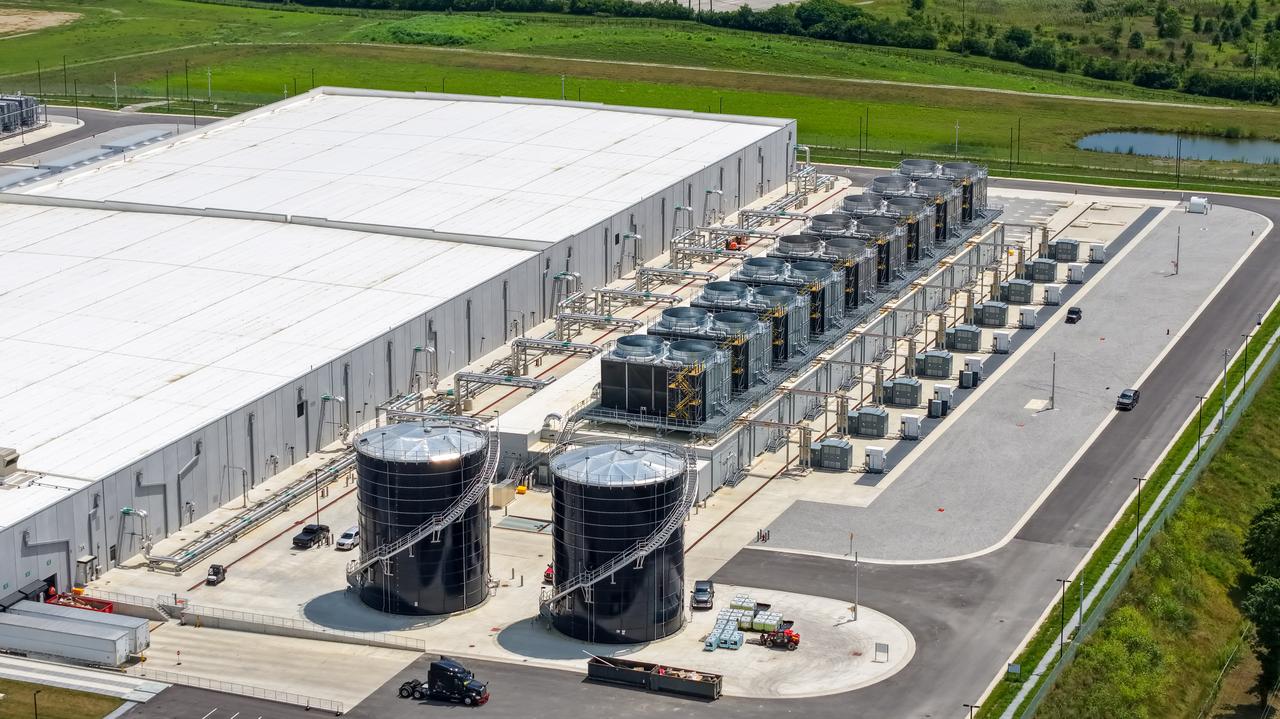
According to CNN, data centers consume water directly to cool equipment, while electricity generation adds indirect use. Amounts vary with technology, energy source, and local water resources. A 2025 Bloomberg analysis found that about two-thirds of U.S. data centers built or under construction since 2022 are in water-stressed areas.
Researchers at the University of California, Riverside estimate that direct water consumption by U.S. data centers could reach 110 billion gallons a year by 2030, equal to 7% of public water systems' annual consumption. A Ceres report covering seven states put indirect freshwater use for electricity generation at about 3.4 trillion gallons a year.
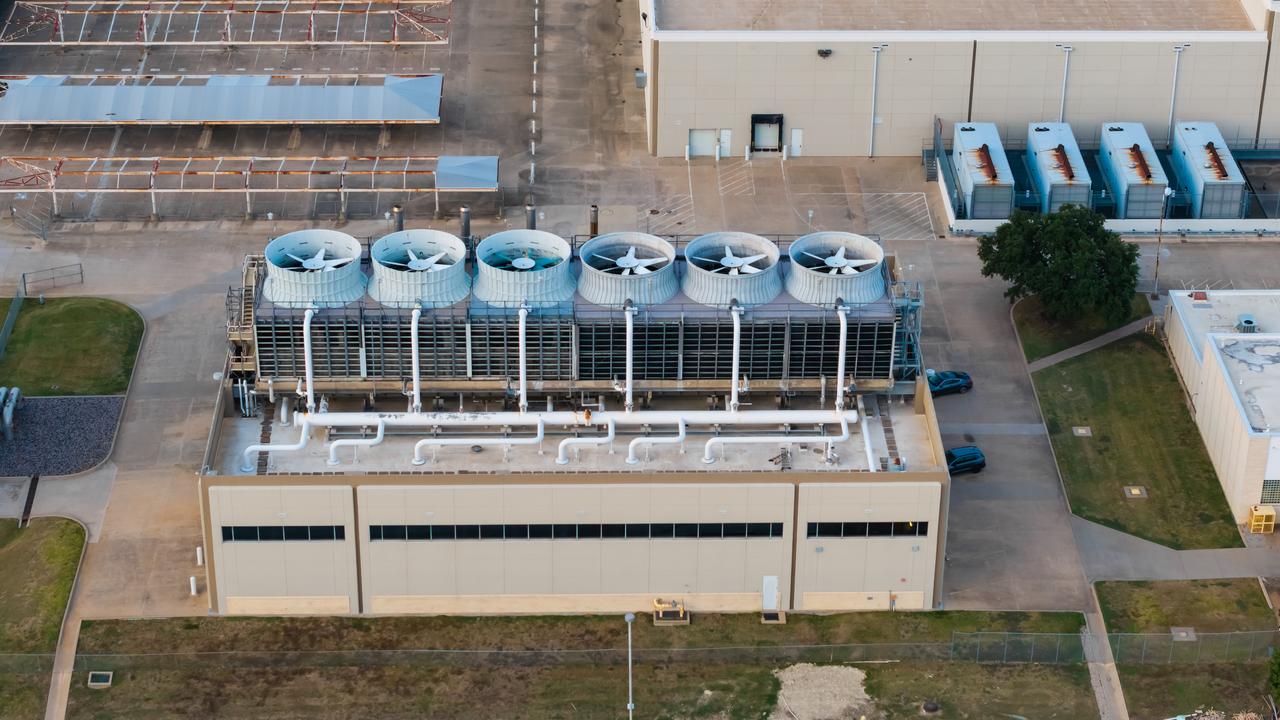
Cooling systems and generators can cause noise pollution, and residents living near facilities in some parts of the United States have taken legal action. Whether data centers raise local temperatures is debated. An Arizona State University study in Phoenix, Arizona, found that waste heat can warm downwind neighborhoods by up to about 2.2 degrees Celsius (4 degrees Fahrenheit), though more research is needed to confirm the effect. Some experts argue heat output does not differ greatly from other industrial facilities.
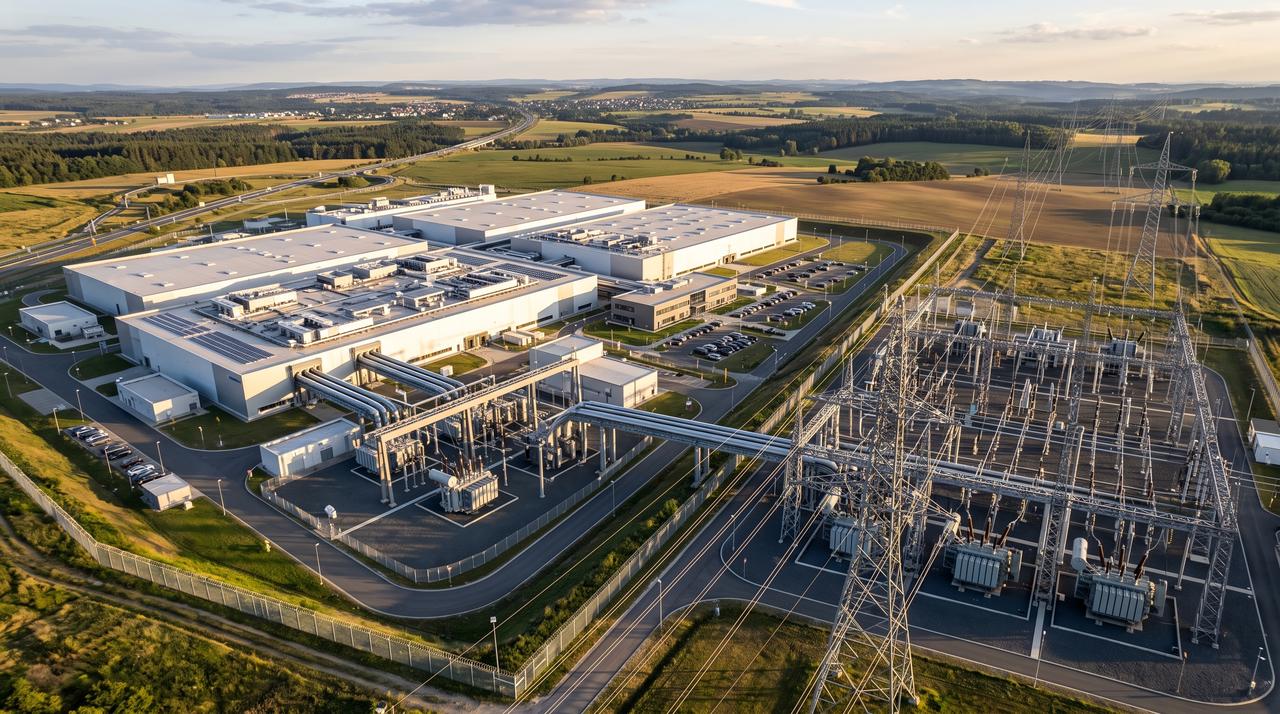
Mining the minerals used in AI hardware, particularly in the south, is linked to air and water pollution, deforestation and greenhouse gas emissions. Wider AI use could increase electronic waste, of which only about one-fifth is recycled today. The sector's mineral demand could also compete with the wind and solar industries.

Experts say environmental damage from AI is not inevitable. Where data centers are built, which energy sources they use and how they are supervised will be decisive.
Kaveh Madani, director of the United Nations University Institute for Water, Environment and Health, says we should assess who would benefit before building a new data center, including employment, local economic contributions, and effects on water users such as farmers. He says environmental costs should be regulated, monitored and reduced.


 Set as preferred source
 Set as preferred source



 1 min read