

 Newsletters


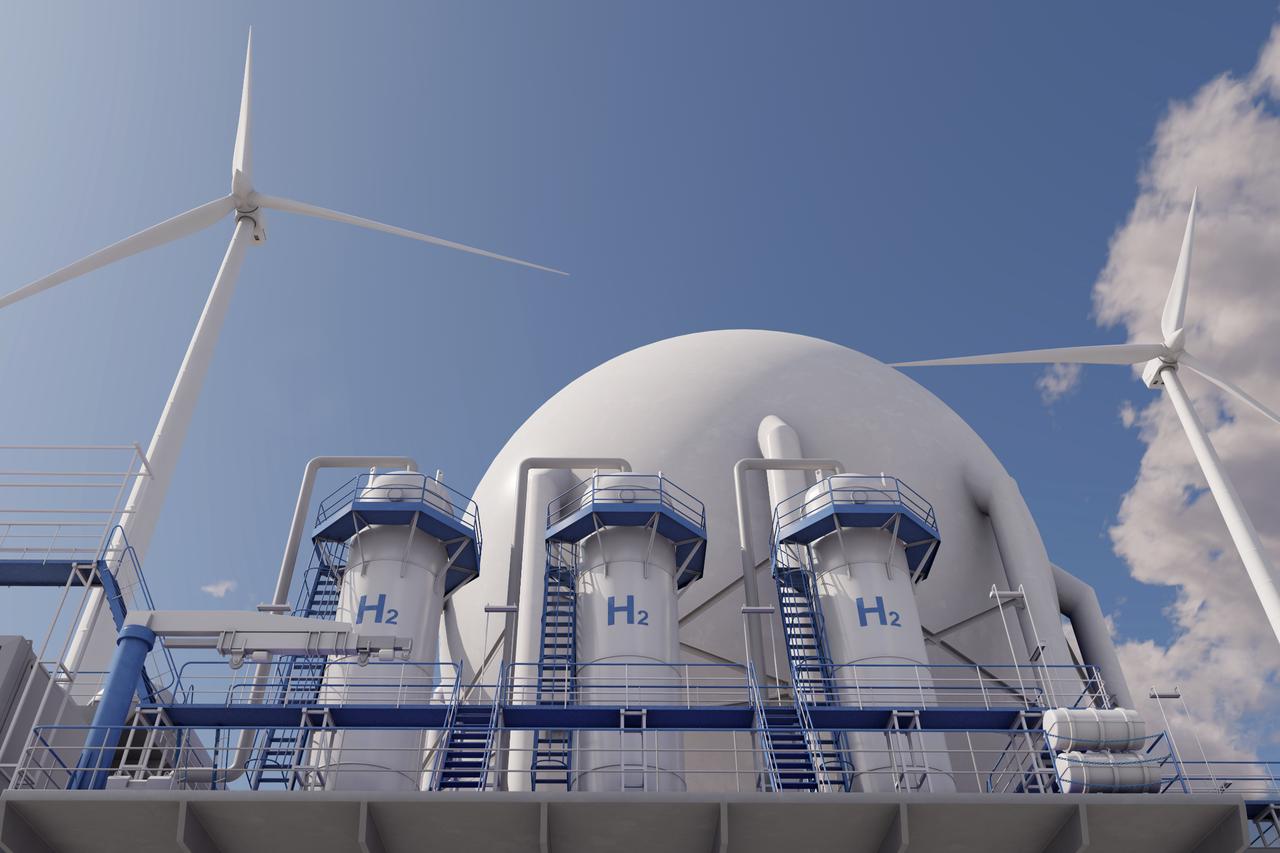


The European Commission has greenlighted a €6 billion ($6.45 billion) Italian public support program aimed at boosting renewable hydrogen production for the country’s transportation and industrial sectors, marking one of the bloc’s largest single-country hydrogen investments to date.
The European Commission said it reviewed and approved Italy's plan under EU state aid rules, finding it matches the EU’s climate and clean energy goals.
“This aid is necessary and appropriate to facilitate the production of renewable hydrogen for the decarbonization of the transport and industrial sectors,” the Commission said in its assessment.
With this program, Italy plans to support the production of 200,000 tons of renewable hydrogen each year.
The scheme supports two ways to make hydrogen: one uses electrolysis powered by renewable energy, and the other uses biogenic sources through biological and thermal processes.
The program will use two-way contracts for difference, a financial tool common in European energy policy. A strike price for hydrogen will be set through competitive bidding.
If the market price of an alternative fuel drops below the strike price, Italy will pay producers the difference.
If the alternative fuel price goes above the strike price, producers must pay the extra amount back to the Italian government.
The program is set to run until Dec. 31, 2029.
The Commission evaluated the Italian measure under Article 107(3)(c) of the Treaty on the Functioning of the EU, a provision that allows member states to support certain economic activities under specific conditions.
It also applied the 2022 Guidelines on State Aid for Climate, Environmental Protection, and Energy, known as the CEEAG framework.
The Commission found that the scheme meets four key conditions. It said the aid is needed because producers would not build renewable hydrogen capacity without public help.
The aid is also proportionate, since funding will be given through competitive bidding based only on the strike price, not through grants.
The Commission also decided that the environmental benefits, especially reductions in emissions in high-pollution sectors, outweigh any potential negative effects on competition in the EU market.
This approval is part of the EU’s broader effort to make clean hydrogen a main part of its energy transition.
In July 2020, the Commission released its EU Hydrogen Strategy, which set ambitious goals for clean hydrogen production and use.
It also started the European Clean Hydrogen Alliance to unite industry, civil society, and public authorities around a common plan.
More recently, the Clean Industrial Deal, which aims to keep Europe’s industry competitive while reaching climate goals, has made renewable hydrogen central to cutting emissions in sectors like steel, chemicals, and heavy transport.
EU rules let member states decide how to set up public support programs, but the Commission must make sure state aid does not harm competition or break internal market rules. Programs can only start after the Commission confirms they follow the law.
Italy’s program is now part of a growing number of national hydrogen support schemes in the EU, as countries work to build their own production capacity before the deadlines set by REPowerEU and Fit for 55 policies.


 Set as preferred source
 Set as preferred source


 1 min read
 1 min read


