Newsletters


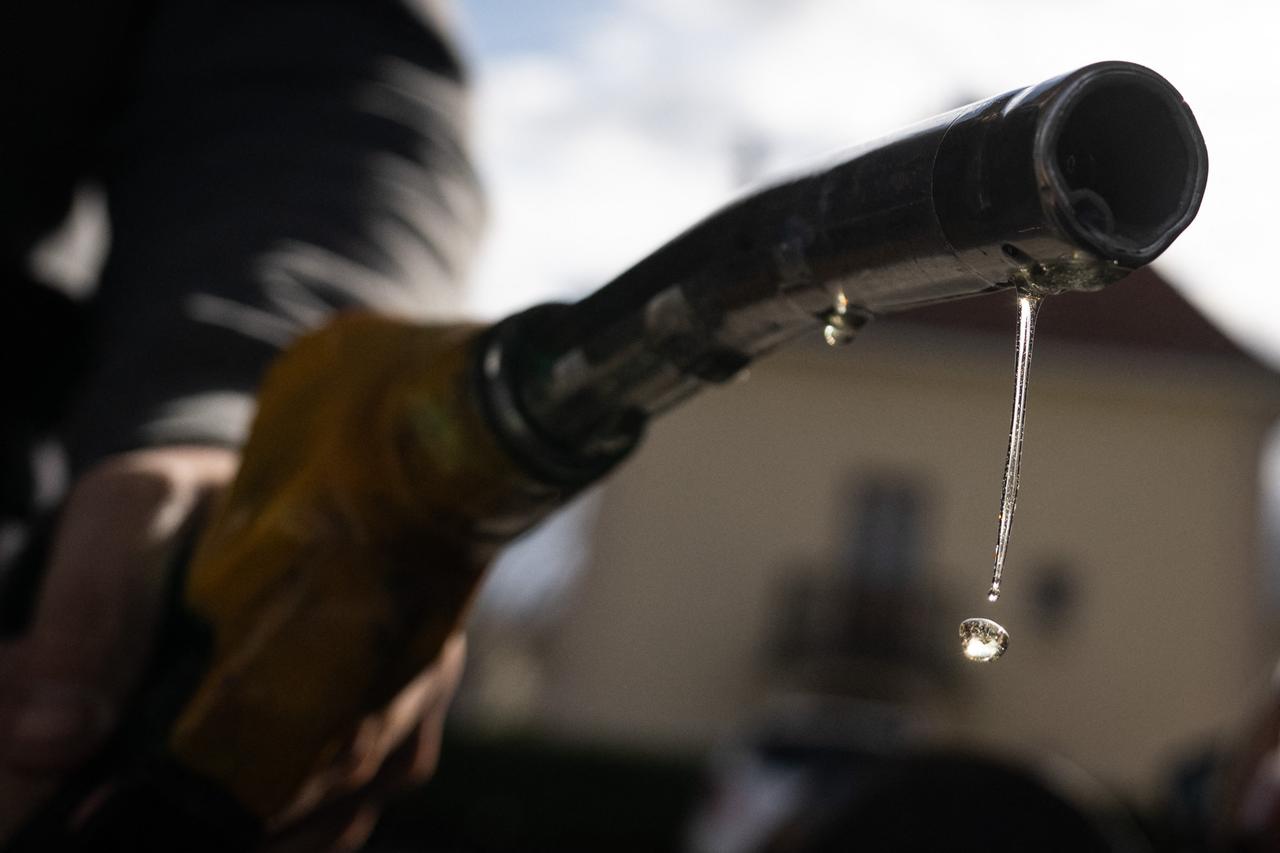


The European Union is assessing “all possibilities,” including fuel rationing and releasing more oil from emergency reserves, as it prepares for a prolonged energy shock caused by the Iran war, EU Energy Commissioner Dan Jorgensen said.
Speaking to the Financial Times, Jorgensen warned that the crisis would have long-term consequences for energy markets.
“This will be a long crisis . . . energy prices will be higher for a very long time,” Jorgensen said, warning that for some more “critical” products the EU expects conditions to be “even worse in the weeks to come.”
“The rhetoric that we’re using and the words we’re using are more serious now than they were earlier in the crisis,” he added.
“It certainly is our analysis that this will be a prolonged situation and countries need to be sure that they . . . have what they need,” Jorgensen said.
However, he said that while the EU was “not in a security of supply crisis, yet,” Brussels was drawing up plans to tackle the “structural, long-lasting effects” of the conflict.
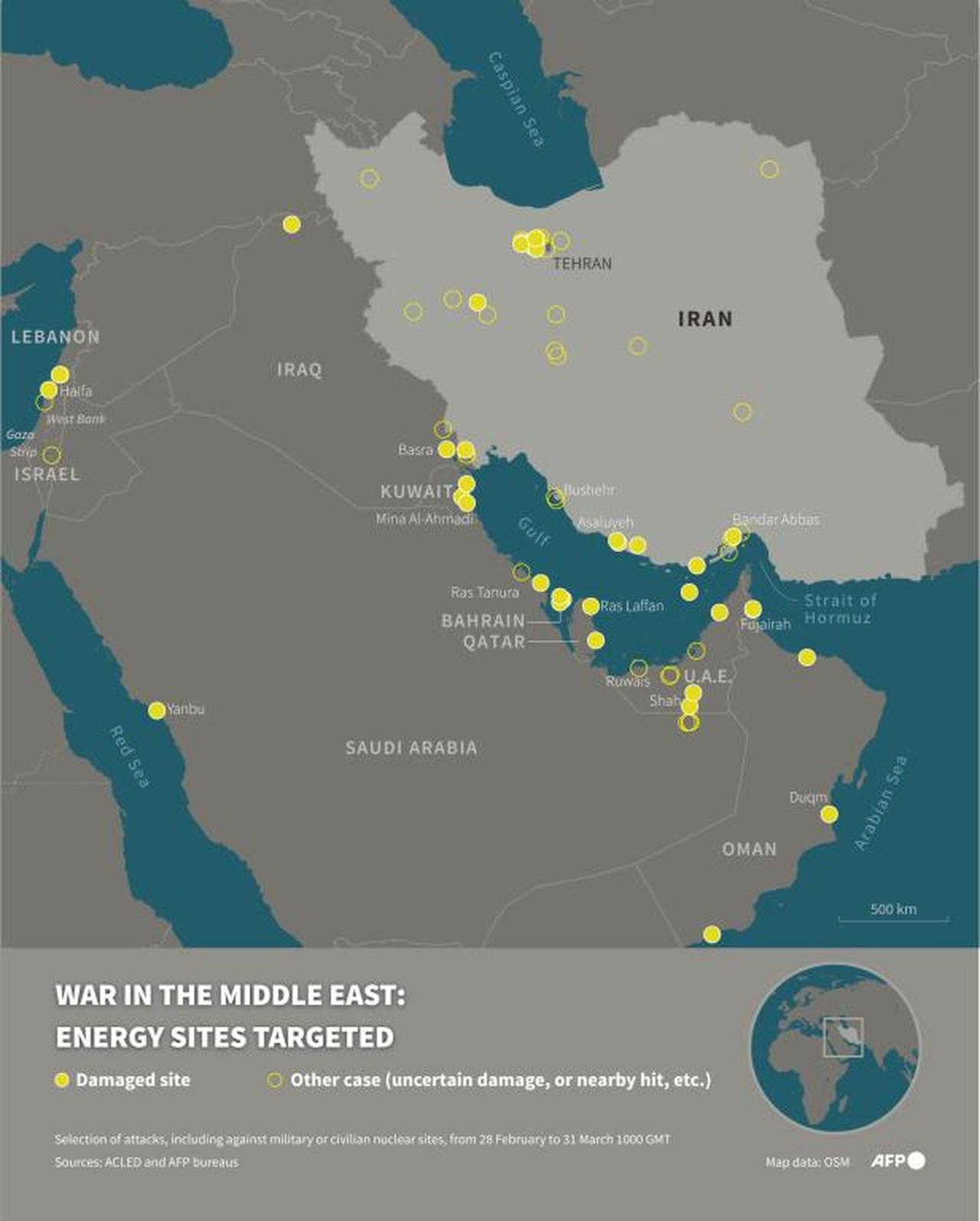
The U.S.-Israel war with Iran and tensions in the Strait of Hormuz have disrupted regional energy flows, contributing to shortages and price pressures worldwide.
On March 2, Iran announced restrictions on navigation in the Strait of Hormuz, a key transit route for oil tankers, threatening attacks on vessels attempting to pass without coordination.
About 20 million barrels of oil transit the strait daily, and its effective closure has driven up oil prices as well as shipping and insurance costs, raising global economic concerns.

Fuel prices across the European Union have surged following oil supply disruptions caused by the U.S.-Israel war with Iran, with diesel recording the sharpest increases.
Weekly data released by the European Commission showed that the war, which began on Feb. 28, drove a steep increase in pump prices across the bloc as traffic through the Strait of Hormuz slowed to near paralysis.
Before the Middle East crisis escalated, average gasoline prices across the EU stood at €1.64 per liter, while diesel averaged €1.59.
By March 30, gasoline prices had climbed to €1.87 per liter and diesel to €2.07, highlighting the scale of the market impact.
That marks an increase of 14% in gasoline prices across the bloc, while diesel prices have surged 30.2%.
In Germany, gasoline prices rose 17% from €1.82 to €2.13 per liter, while diesel jumped 32.4% from €1.73 to €2.29.
In France, gasoline increased 17.5% from €1.71 to €2.01 per liter, while diesel climbed 32.7% from €1.65 to €2.19.
In Italy, gasoline prices rose 4.8% from €1.65 to €1.73, while diesel increased 19.4% from €1.70 to €2.03.
In Spain, gasoline increased 6.1% from €1.47 to €1.56 per liter, while diesel surged 25.3% from €1.42 to €1.78.
 2 min read

Meanwhile, U.S. President Donald Trump said Friday that the United States could open the Strait of Hormuz and “take the oil and make a fortune,” describing the move as a potential economic boost.
“With a little more time, we can easily OPEN THE HORMUZ STRAIT, TAKE THE OIL, & MAKE A FORTUNE. IT WOULD BE A ‘GUSHER’ FOR THE WORLD???” Trump wrote on his Truth Social platform.
The Strait of Hormuz, through which around 20% of global oil supplies transit, has been disrupted since the United States and Israel launched a joint offensive on Iran.
The region has remained on alert since the United States and Israel launched an air offensive on Feb. 28, killing more than 1,340 people so far, including then-Supreme Leader Ali Khamenei.
Iran has retaliated with drone and missile strikes targeting Israel along with Jordan, Iraq and Gulf countries hosting U.S. military assets, causing casualties and damage to infrastructure while disrupting global energy markets.


 Set as preferred source
 Set as preferred source


 1 min read