Newsletters


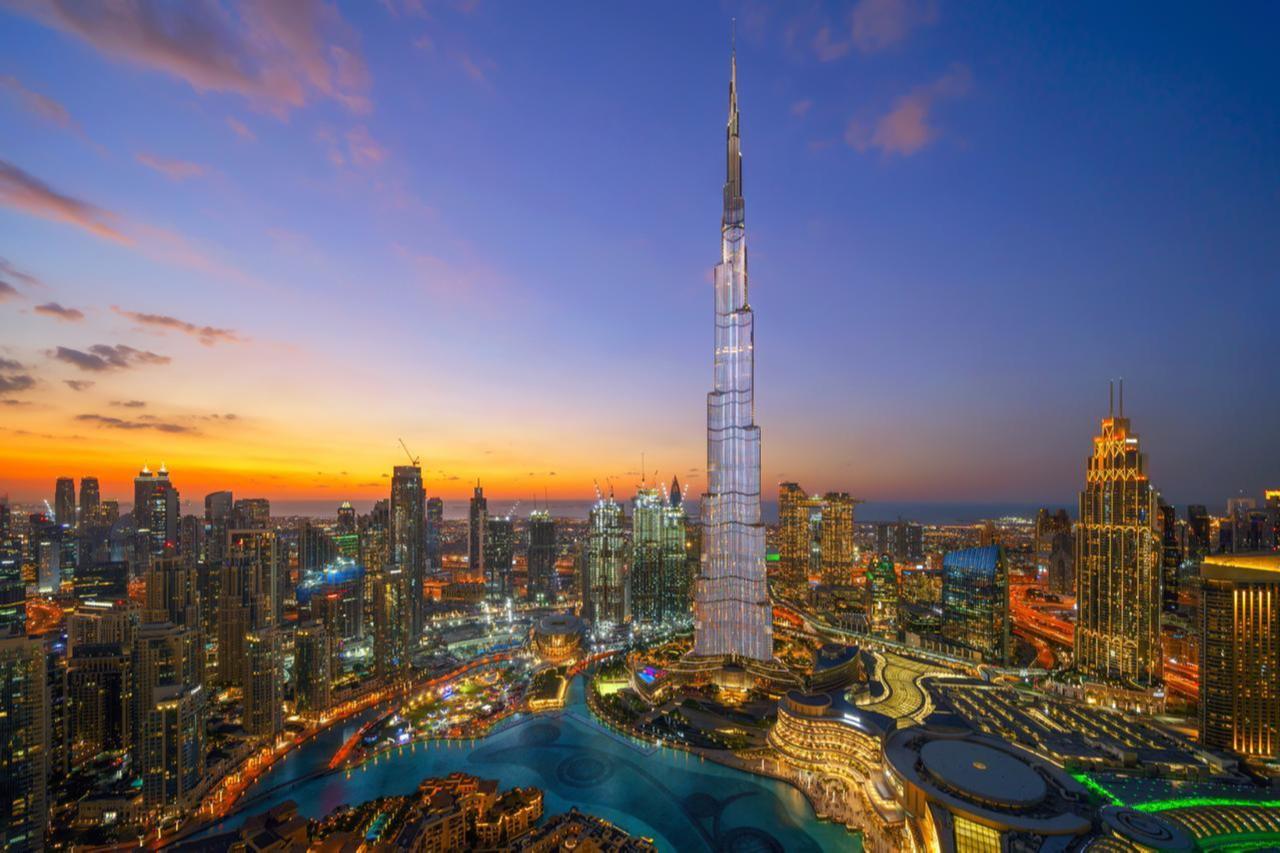


Before any missiles were launched, the fight over information had already begun. Within a day of the Feb. 28 strikes on Iran, a digital crossfire of recycled footage and unverified casualty counts had already flooded the web, as both sides raced to weaponize the narrative.
A Clemson University study found that this content reached millions of people within 24 hours. The strategy was to anchor the lie in something real, for the strikes did happen, and then flood that reality with false information.
Once the public can no longer distinguish real from fabricated, doubt itself becomes the weapon. That is precisely the goal.
However, this is not a footnote to this war. It is a front in it. This war is being fought on two fronts. Between Tel Aviv and Tehran, missiles have come to define the military balance, swift, visible, and consequential.
Yet, there is a second front, quieter and far less scrutinized, playing out on every screen and feed. Each actor in this conflict, from Washington to Riyadh to Tehran, is shaping the information environment with the same careful calculation they bring to their military decisions.
Governments put out casualty figures that serve their narratives. Influencers amplify unverified strike footage. Algorithms reward speed over accuracy, and outrage over nuance. The result is a public that is constantly updated but often unsure. In today’s wars, confusion is not an accident, but a part of the plan.
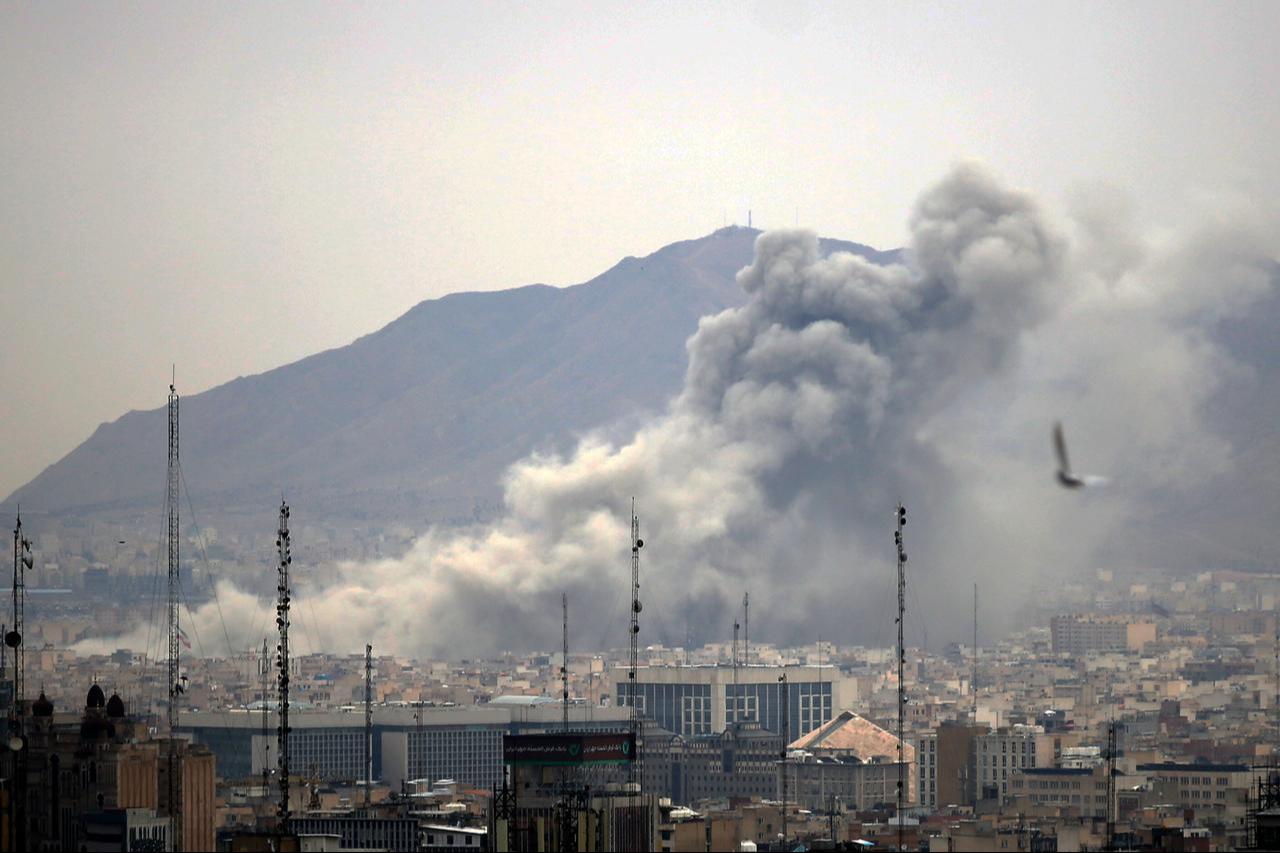

Look at what Gulf governments did the moment Iranian missiles started landing in Dubai, Abu Dhabi, and Riyadh. Interior ministries almost immediately warned citizens against sharing "rumors or unknown videos."
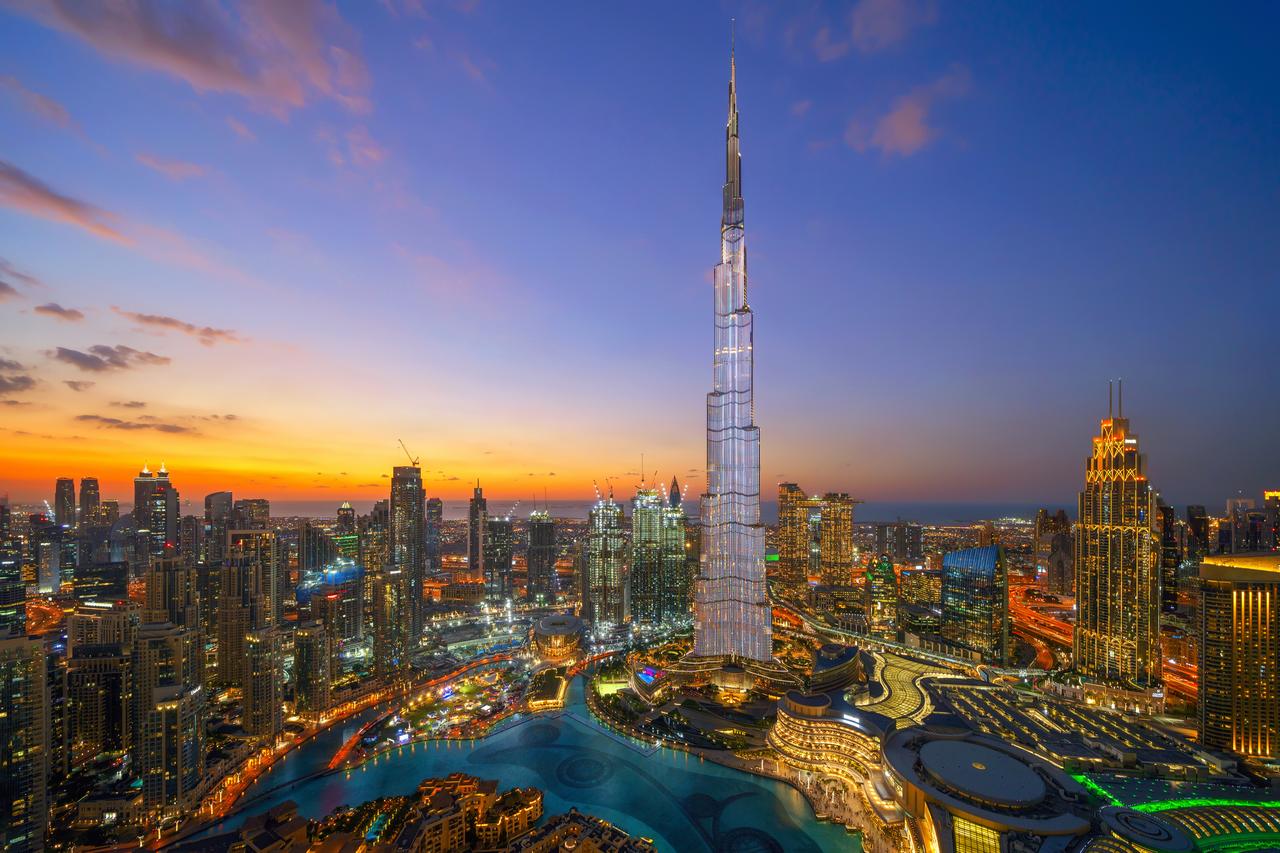
In the UAE, President Mohamed bin Zayed personally walked through Dubai Mall with his entourage, a moment widely broadcast by state media. Prominent content creator Khalid Al Ameri, who has 5.5 million TikTok followers, amplified the message by sharing footage of UAE leaders casually strolling through shopping centers during the crisis, telling his audience, “If that didn't prove how safe things were, nothing would.”
His post received nearly 200,000 likes. Meanwhile, Emaar, the real estate developer that operates Dubai Mall, sent a notice to shops and restaurants warning them not to close or reduce their hours during the conflict, stating that such actions could “undermine public order, create unnecessary concern, and harm the reputation and economic standing of the United Arab Emirates.”
Dubai's official Instagram account posted an emotional song. The lyrics: "Dubai is safe, will always be safe."
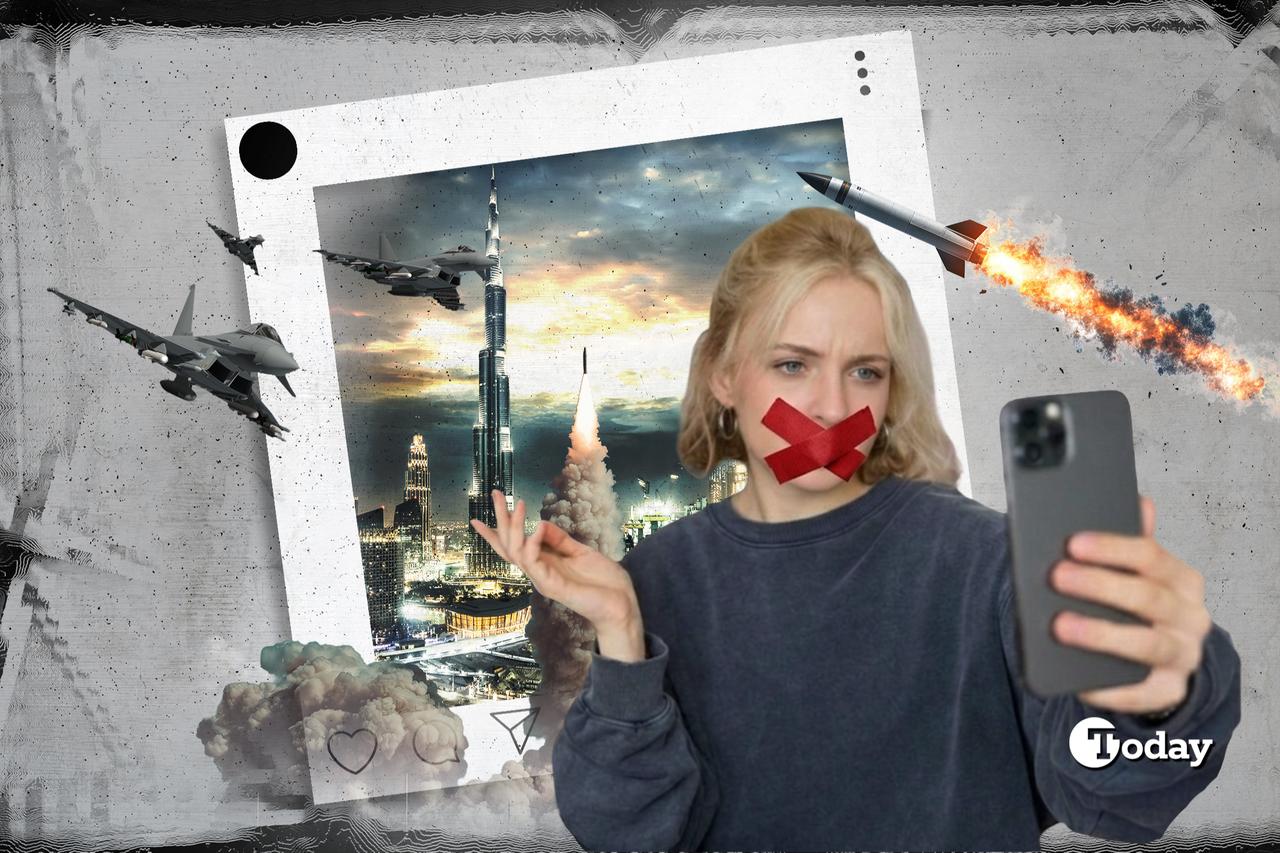
Then came the prosecutions. UAE authorities arrested more than 100 people for filming and posting footage of the strikes. Among those charged were a 60-year-old British tourist who deleted his video the moment authorities asked him to, and a Filipina domestic worker who took a single photo near the Burj Al Arab while waiting for work. Similar arrests followed in Kuwait, Qatar, and Saudi Arabia.
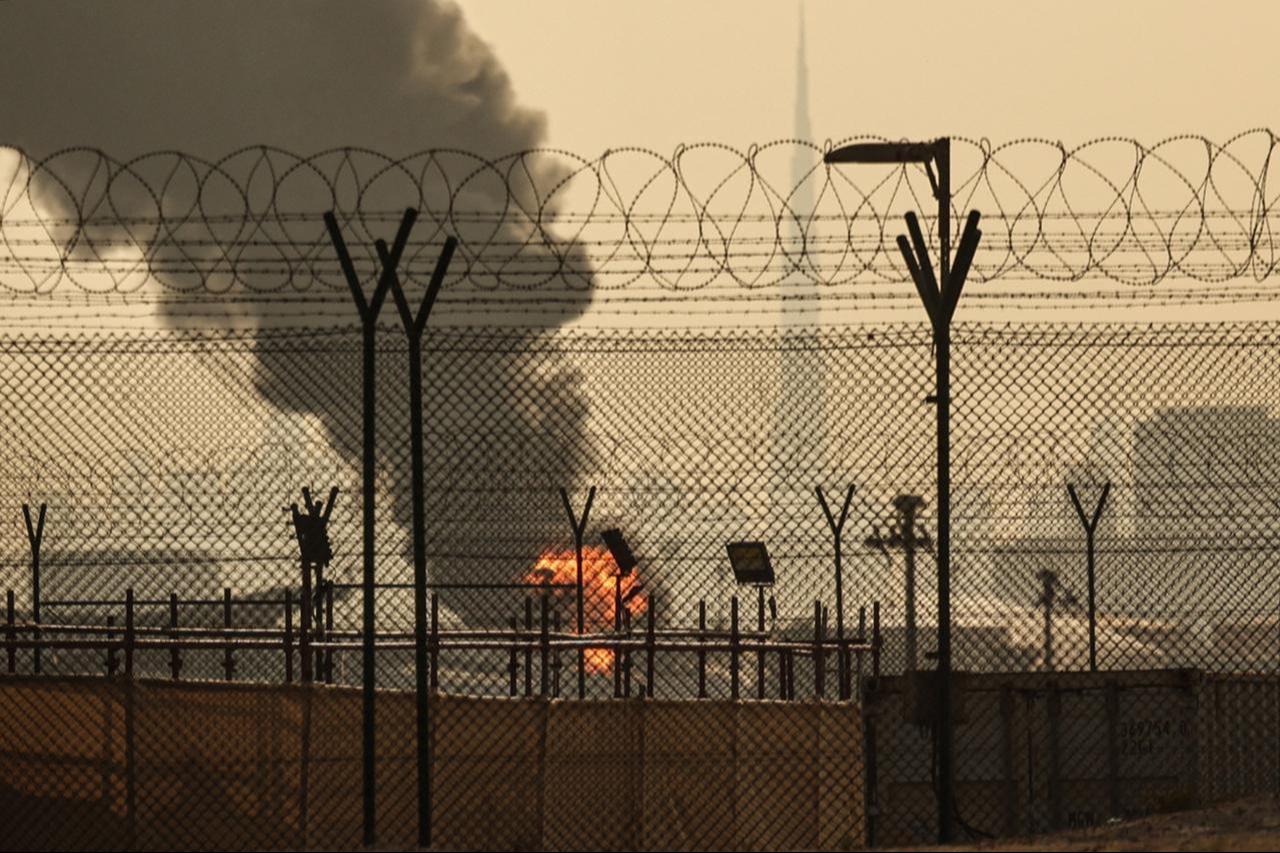
This was not incidental. Gulf states have spent decades and billions of dollars marketing themselves as safe, modern, globally connected places. A burning hotel in Dubai, smoke rising over Jebel Ali port, those images circulating freely would erode the brand on which their entire economic model depends. The censorship was not a side effect of their war strategy. It was the strategy.
In this conflict, social media platforms functioned less as channels for public information and more as operational tools where governments issued warnings, staked out positions, and shaped the interpretive ground before their adversaries could.
What made the Gulf response unusual was not that governments tried to control the narrative; nearly every government does. It was the precision of the operation. Within hours of the first strikes, each state had effectively split the information environment in two: an official channel projecting calm, and a suppressed channel where reality was leaking through anyway, until arrests made people think twice about posting at all.
CENTCOM was doing something structurally similar to the other side, using X to disseminate satellite imagery and strike assessments within hours of Iranian claims, not to inform the public in any meaningful sense, but to occupy the interpretive space before Tehran could frame them.
Iran's state media published its own casualty figures, though independent monitors arrived at considerably higher estimates through separate tallies. Israel did the same, posting strike footage and damage assessments on X within hours, establishing what had happened and why before any alternative account could gain traction.
Every actor was doing the same thing: using platforms not to communicate, but to foreclose. The goal was not to tell people what happened. It was to make sure no one had to ask, because the conclusion had already been written.
Some argue that audiences are more resilient than the doom-scrolling narrative suggests. Platforms have introduced conflict-specific labeling systems, and there is evidence that younger users approach viral conflict footage with greater skepticism than previous generations did.
However, resilience at the individual level does not translate into resilience at scale. Labeled misinformation continues to circulate long after a correction is applied, and the audience that sees the original claim is rarely the same as the one that sees the response.
The Institute for Strategic Dialogue has documented this gap extensively: corrections follow a different path than the content they are meant to counter.
This is not a gap that better moderation can close, because it is not a moderation failure. It is how the architecture was built.
The architecture rewards speed, and what governments have is something more durable: the capacity to organize the information environment at scale, for as long as the conflict runs. A correction issued twelve hours later reaches a fraction of the audience that saw the original claim. In a fast-moving conflict, twelve hours is a generation.
The region is being physically remade by this conflict, but it is being remade informationally at a faster pace, and the damage there will not disappear when a ceasefire is signed. Gulf states spent years cultivating an image of themselves as islands of stability, prosperity, and modernity.
They are now discovering that an image, however carefully constructed, has its own vulnerabilities.
The UAE alone reportedly intercepted over 1,600 drones and hundreds of ballistic missiles. Yet the images its government feared most were not of incoming fire. They were of smoke rising over Jebel Ali, of a burning hotel on Palm Jumeirah, of a Filipina domestic worker arrested for taking a single photograph near the Burj Al Arab.
The physical attacks can be intercepted. The narrative ones are harder to contain, and the tools built to contain them have proven unequal to the speed at which this conflict generates new material.
What is new in 2026 is not that war produces confusion. It always has. What is new is that every actor entered this conflict with an information strategy as deliberate as their military one, and that the two are now inseparable.
For states whose entire economic model rests on the perception of order, that may prove to be the most consequential vulnerability of all.


 Set as preferred source
 Set as preferred source


 1 min read
 1 min read