Newsletters


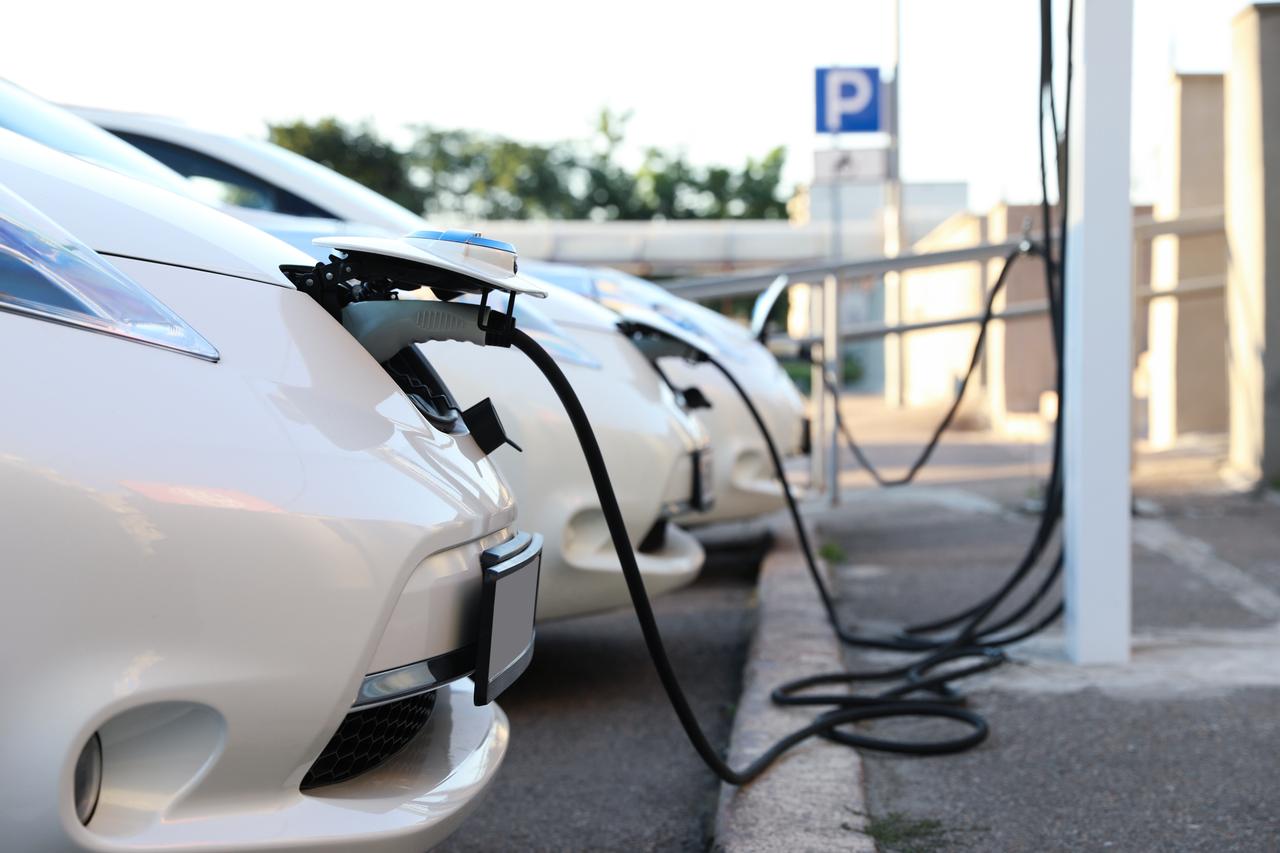


Fully electric car sales in the European Union rose 45% in the first eight months of 2026, reaching 1.64 million, as growth in the market expands beyond sales volume into lower prices, reduced oil dependence and global industrial competition, according to a new report.
The European Federation for Transport and Environment, or T&E, said in its latest “Progress Report on Electric Vehicles” that fully electric car sales in the EU increased 45% compared with the same period last year.
The share of fully electric cars in new vehicle sales rose to 28% in August, the report said.
In the second quarter of 2026, electric cars outsold gasoline-only cars for the first time across an entire quarter.
The figures suggest that growth in Europe’s electric vehicle market is no longer limited to certain countries or higher price segments.
France and Germany accounted for about half of electric car sales in the EU in the first half of the year, while the share of electric vehicles in new car sales reached 38% in France and 32% in Germany in August.
Sales volume also rose 69% in Italy, 151% in Slovenia and 103% in Bulgaria.
However, electric vehicles still account for single-digit shares of total car sales in those countries, showing that the pace of Europe’s transition varies significantly across the bloc.
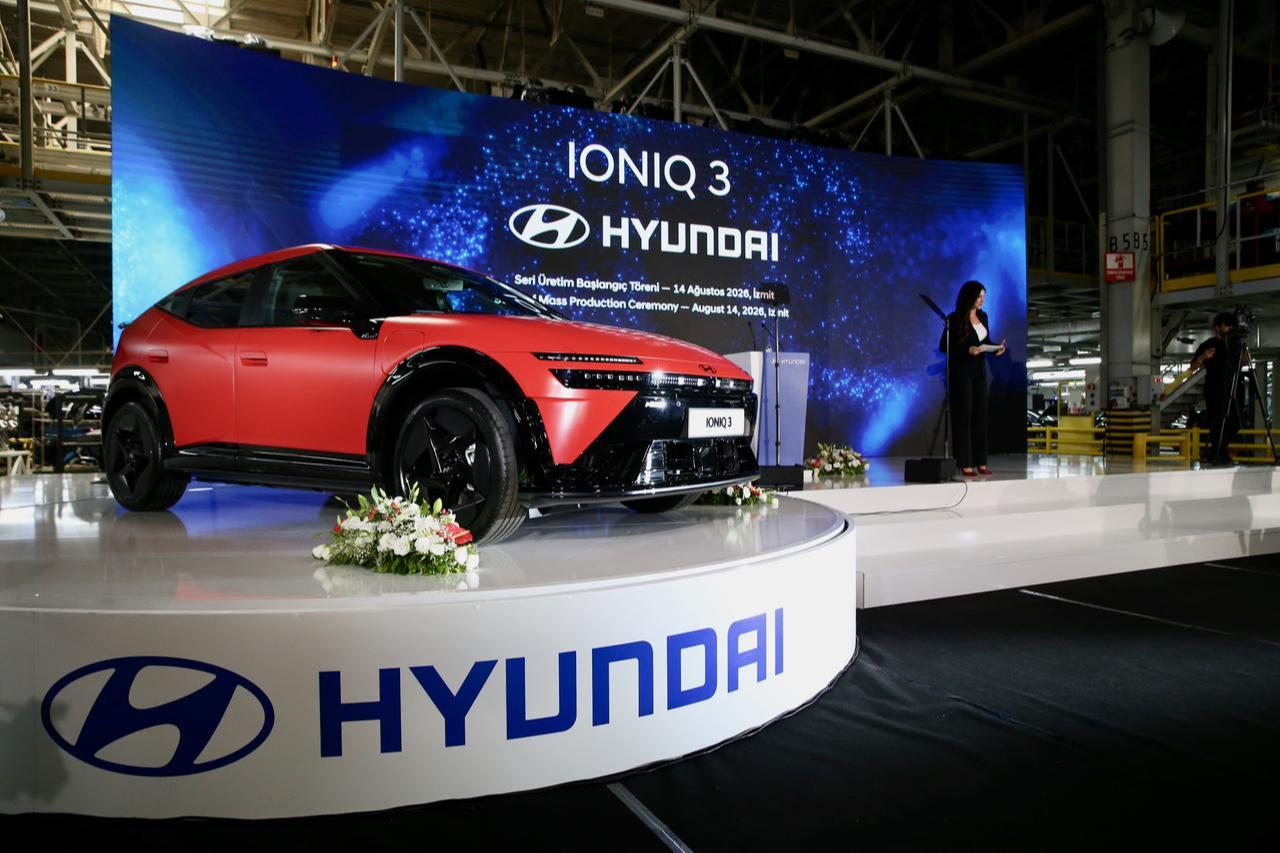

Another major change in the electric vehicle market is emerging in price levels rather than the number of available models alone.
According to the report, about 60 new fully electric models are expected to be launched in Europe in 2026, around four times the annual average of 15 new models recorded between 2021 and 2025.
But the more critical shift is manufacturers’ move toward lower price segments.
Sales of electric cars with starting prices below €25,000 are expected to reach about seven times their 2024 level this year.
Sales in this segment are forecast to rise another 34% in 2027, reaching about 10 times their 2024 level.
By the end of this year, 16 electric models are expected to be available in Europe for less than €25,000, including four priced below €20,000.
By 2028, about 10 models priced at or below €20,000 are expected to enter the market.
The trend shows that competition in the electric vehicle market is increasingly being shaped not only by range and technology but also by accessible pricing.
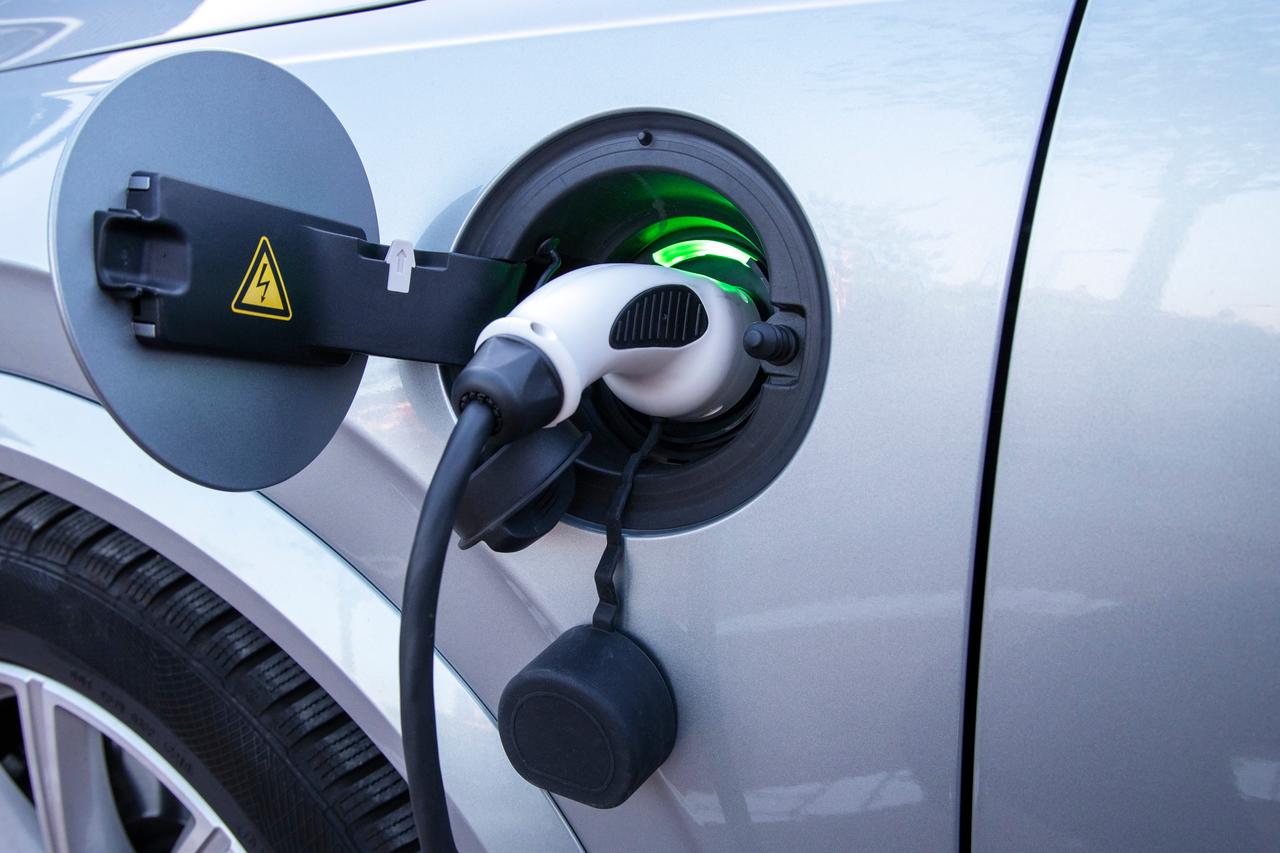
The growth of electric cars is also affecting Europe’s energy dependence.
According to the report, around 8 million electric cars in use in the EU prevented the consumption of 46 million barrels of oil in 2025.
The value of the avoided oil use was calculated at about €2.9 billion.
The operating cost of electric cars charged at home was also reported to be about 50% lower than gasoline and diesel vehicles as of Sept. 14.
T&E said the electric vehicle transition is therefore important for Europe not only in reducing carbon emissions but also in limiting exposure to oil price volatility and import dependence.
According to the group’s analysis, if a proposal by European People’s Party rapporteur Massimiliano Salini to weaken the EU’s car emission standards is implemented, Europe may need to import about 3.5 billion additional barrels of oil between 2026 and 2050.
The comparison is based on a scenario in which strong EU vehicle targets are maintained and more ambitious electrification is achieved in company fleets.
T&E projected that the additional oil imports could cost about €288 billion by 2050.
The report also warned that Europe’s electric vehicle policy has reached a critical stage for industrial competition.
If Salini’s proposal is implemented, the share of fully electric vehicles in the EU market could remain at 22% in 2030, according to the report.
Under the European Commission’s proposal, that share is projected to reach 47%.
Policy choices are also expected to affect competition between global automakers.
Under the scenario in which Salini’s proposal is implemented, global fully electric vehicle sales by European-based manufacturers could remain at 5.7 million in 2035.
Sales by Chinese manufacturers could reach 11.9 million in the same scenario.
The report said European-based automakers could close the gap with Chinese manufacturers in the global electric vehicle race if current emission targets are maintained.
T&E said decisions on 2030-2035 regulations will determine not only the pace of electric vehicle sales in Europe but also the position of the continent’s automotive industry in the global market.


 Set as preferred source
 Set as preferred source


 1 min read


 1 min read