Newsletters


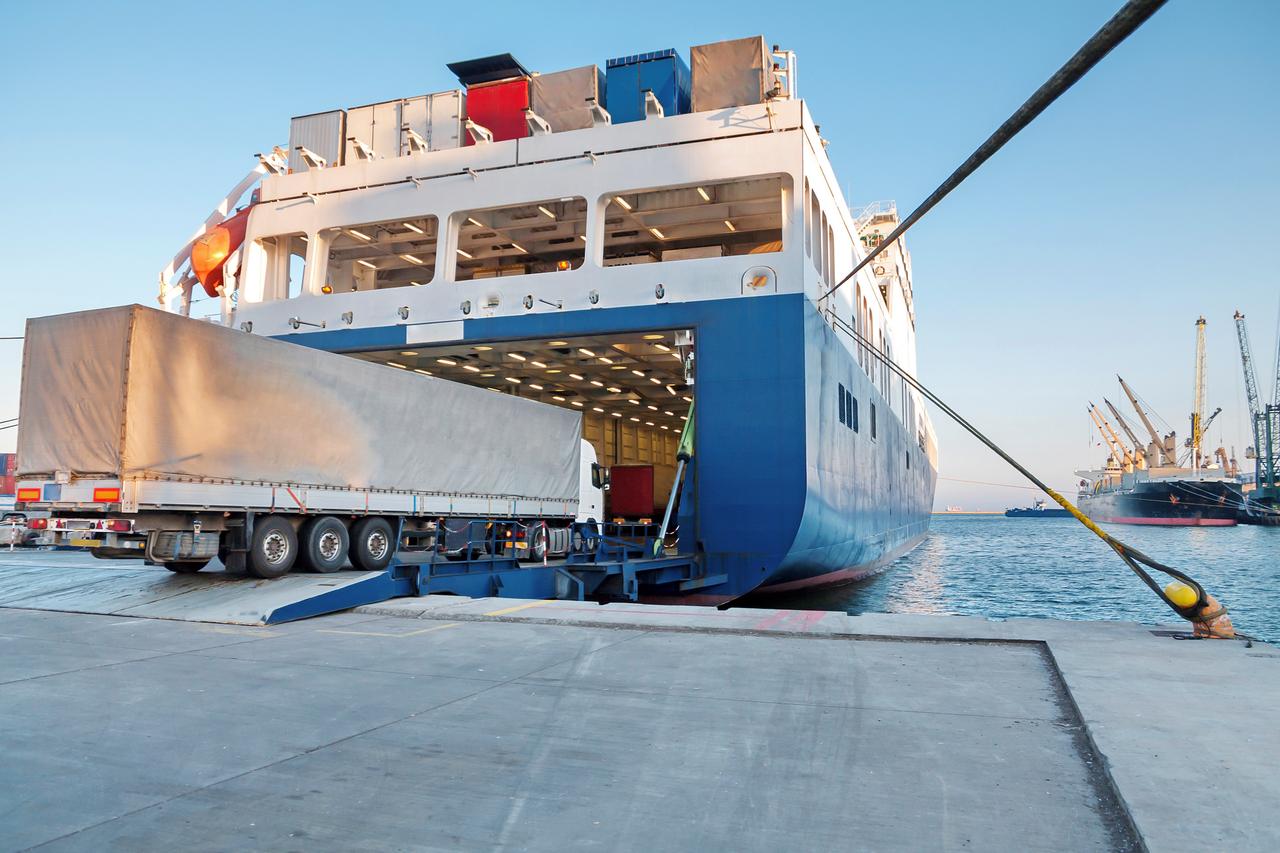


Dubai investors are closely tracking Türkiye for investment opportunities, particularly in port operations and logistics infrastructure, a Turkish sector official said.
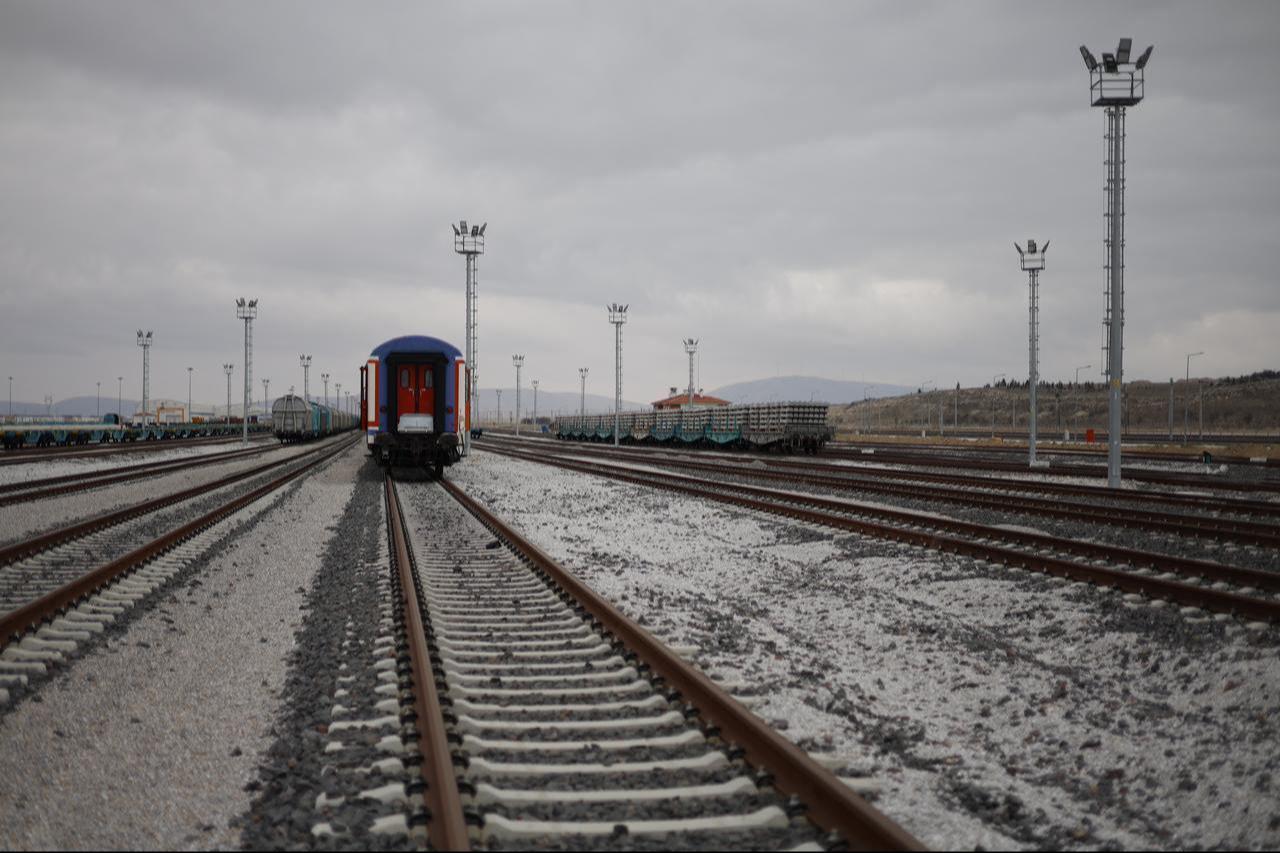
Mert Danisger, chief representative of the Dubai Chamber of Commerce’s Türkiye office, said attention is increasingly focused on rail projects connecting Türkiye with Gulf countries, which could give regional trade a new boost, while the Middle Corridor remains important for regional transportation.
"Once these projects are implemented, we will both reduce the burden on roads and ensure that goods from the Gulf region are distributed to Europe through Türkiye faster and more securely," he explained.
"Likewise, access for goods coming from Europe to the Gulf region will become easier."
Türkiye and Saudi Arabia signed transport and railway cooperation agreements in June 2026, with Ankara saying the planned link could connect the Gulf to Europe through Saudi Arabia, Jordan, Syria and Türkiye.
The project is being technically evaluated, while Türkiye has said the longer-term goal could include extending the route toward Oman, creating an additional overland trade route between the Gulf and Europe.
Danisger stressed that economic ties received a major boost from the Comprehensive Economic Partnership Agreement (CEPA) between Türkiye and the UAE, which entered into force in 2023.
The agreement aims to facilitate trade in goods and services, increase bilateral trade and diversify investments. Cooperation between the two countries has also expanded across transportation, energy, finance and other sectors.
As ties deepen, Turkish companies are expanding their activities in the UAE and the wider Gulf market, while construction, real estate, food and health are also among the sectors where UAE-based companies are seeking new partnerships.
He noted that the two countries also have strong air links, with expanded transportation options supporting trade, investment, and business contacts between Türkiye and the UAE.

Türkiye’s total bilateral goods trade with the UAE stood at $19 billion in 2025, nearly doubling from $9.9 billion in 2022, before the CEPA took effect.
Turkish exports to the UAE rose from $5.4 billion in 2022 to $9.3 billion in 2025, while imports from the UAE increased from $4.5 billion to $9.7 billion over the same period.
Under the agreement, 82% of product lines, representing over 93% of bilateral non-oil trade, have had customs duties eliminated or reduced.
Beyond goods, the agreement covers services, investment facilitation, and other areas of economic cooperation, giving companies on both sides a broader framework for expanding their activities.
The two countries aim to raise bilateral trade to $30 billion in the short term and $40 billion in the medium term, putting further emphasis on expanding trade and investment ties.


 Set as preferred source
 Set as preferred source


 1 min read

 1 min read