Newsletters


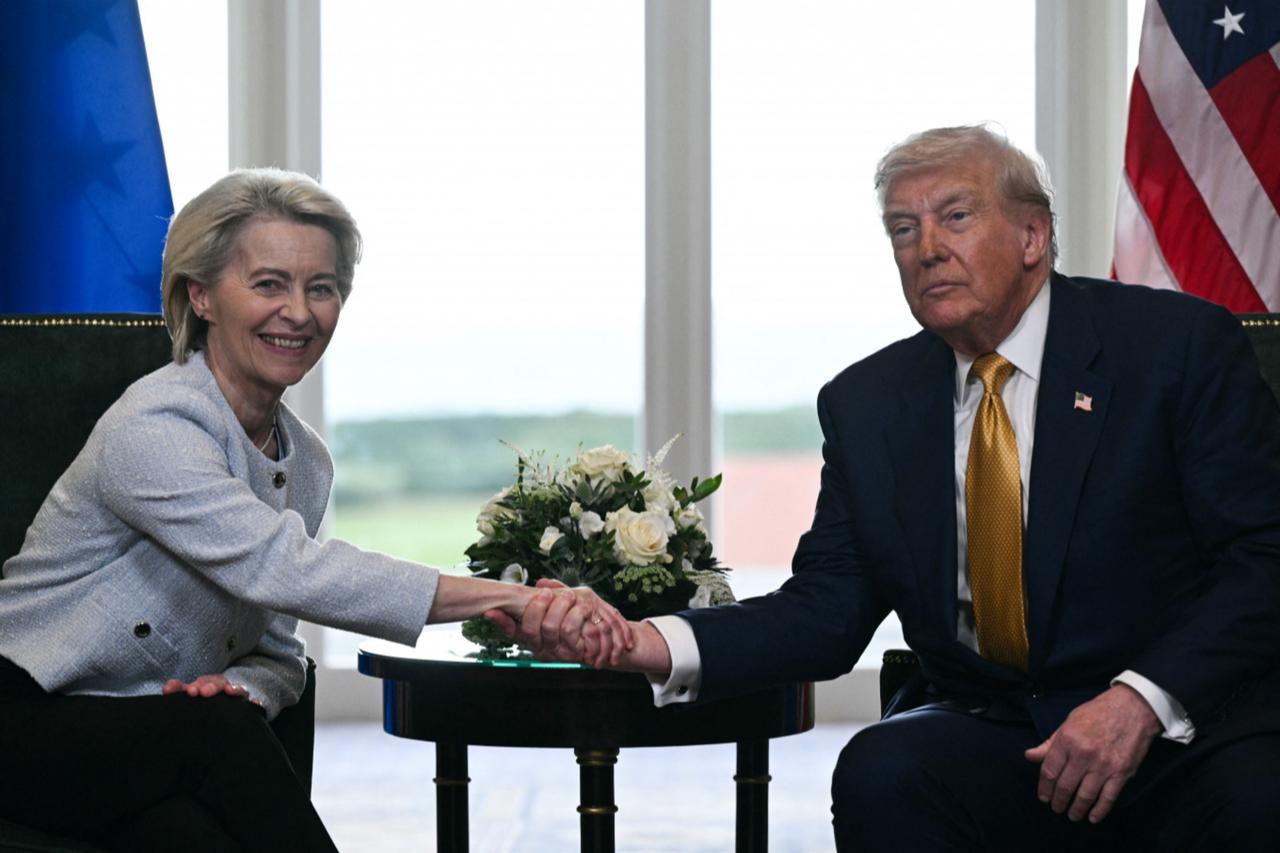


European Union lawmakers and member states reached a provisional deal late Tuesday to move ahead with a nearly year-old trade pact with the United States. The agreement aims to lock in more stable transatlantic trade terms before President Donald Trump’s July 4 tariff deadline.
The pact came together after hours of late-night talks between the European Parliament and member states, clearing the way for the EU-U.S. trade deal struck in July 2025 to take effect and easing tensions after months of tariff disputes.
Under the broader framework, most European goods face 15% levies, while the EU had pledged to remove duties on most U.S. imports in return. The new text moves that process forward and includes safeguards that would let the EU respond if Washington fails to keep its commitments or targets EU businesses.
The first regulation removes remaining customs duties on U.S. industrial goods and expands preferential access for selected American exports through tariff-rate quotas and lower tariffs on some seafood products and non-sensitive agricultural goods. A second measure extends the suspension of duties on lobster imports, including processed lobster.
The final wording also softened several earlier EU demands. Rather than making the removal of additional steel taxes above 15% a condition for the deal to move forward, the bloc gave Washington until the end of the year to scrap them. Lawmakers also dropped a clause that would have delayed implementation and pushed the agreement’s expiry deadline back by one year.


European Commission President Ursula von der Leyen welcomed the breakthrough and urged a quick finish to the implementation process. "This means we will soon deliver on our part," she said, adding that the deal could support "stable, predictable, balanced, and mutually beneficial transatlantic trade."
Some lawmakers struck a more cautious note. Bernd Lange, who heads Parliament’s trade committee, described the outcome as a win for a "comprehensive safety net," while Anna Cavazzini of the Greens argued that the deal "puts the EU at a disadvantage," even as she acknowledged it could still bring "a certain degree of economic stability."
The trade relationship carries major weight for both sides. Goods trade between the EU and the U.S. reached $1 trillion in 2025, making the pact central to wider transatlantic business ties. The provisional agreement still needs formal approval from both the Council and the European Parliament before it can enter into force.


 Set as preferred source
 Set as preferred source


 1 min read
 1 min read