Newsletters


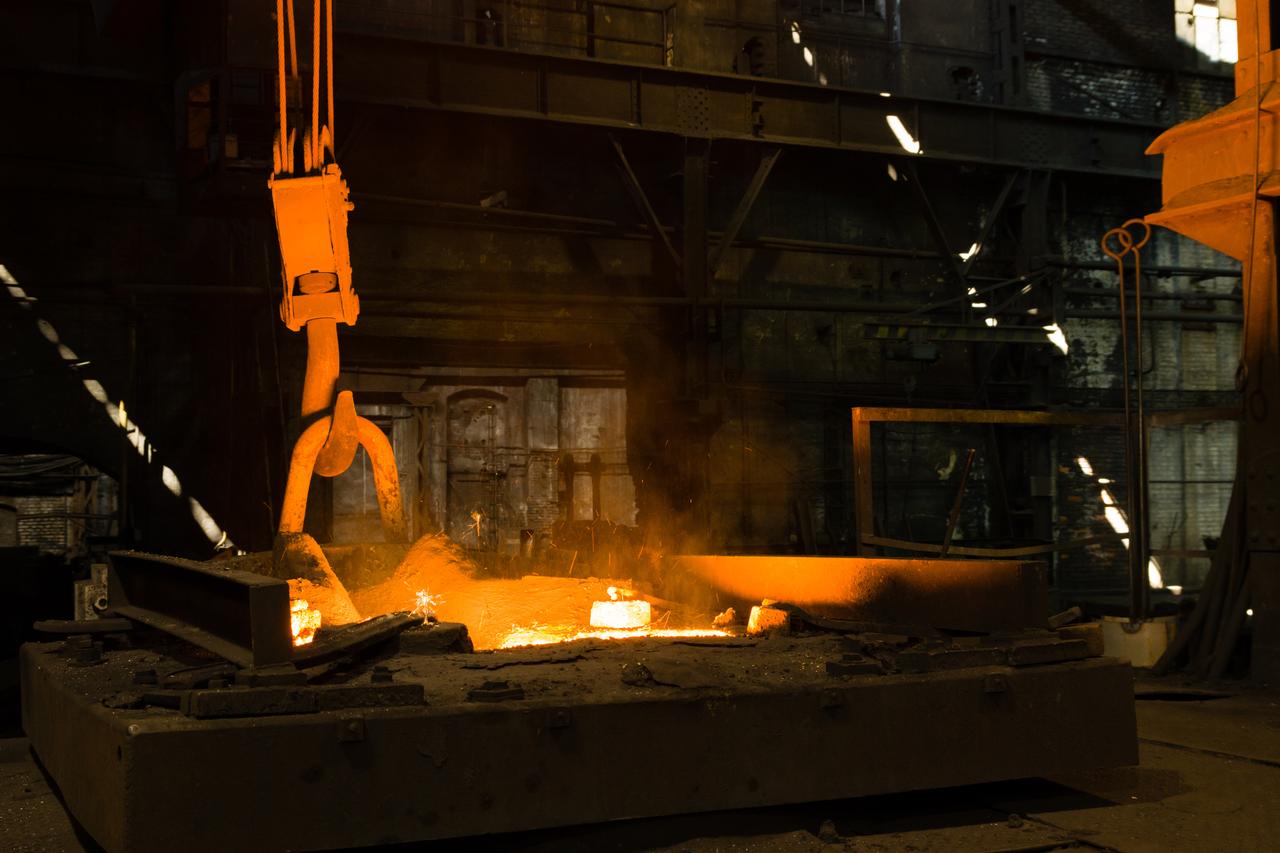


The European Parliament approved sweeping new trade measures Tuesday that will sharply raise tariffs and tighten quotas on steel imports starting in July, as Brussels steps up efforts to protect the bloc’s struggling steel industry from a wave of cheap foreign products.
EU lawmakers voted 606 to 16 in favor of raising out-of-quota tariffs on imported steel to 50% while cutting tariff-free import volumes by 47% compared to 2024 levels. The changes are set to replace existing safeguard measures that expire on June 30, 2026.
Under the new framework, duty-free steel imports into the EU will be capped at 18.3 million metric tons annually, matching the bloc’s 2013 import levels.
EU officials argued the market became increasingly distorted after that year because of global overcapacity, driven largely by subsidized Chinese steel production.
The legislation also introduces a "melted and poured" rule, meaning steel products will be classified based on where they were first melted and cast.
The measures still require final approval from EU member states before taking effect on July 1, 2026.
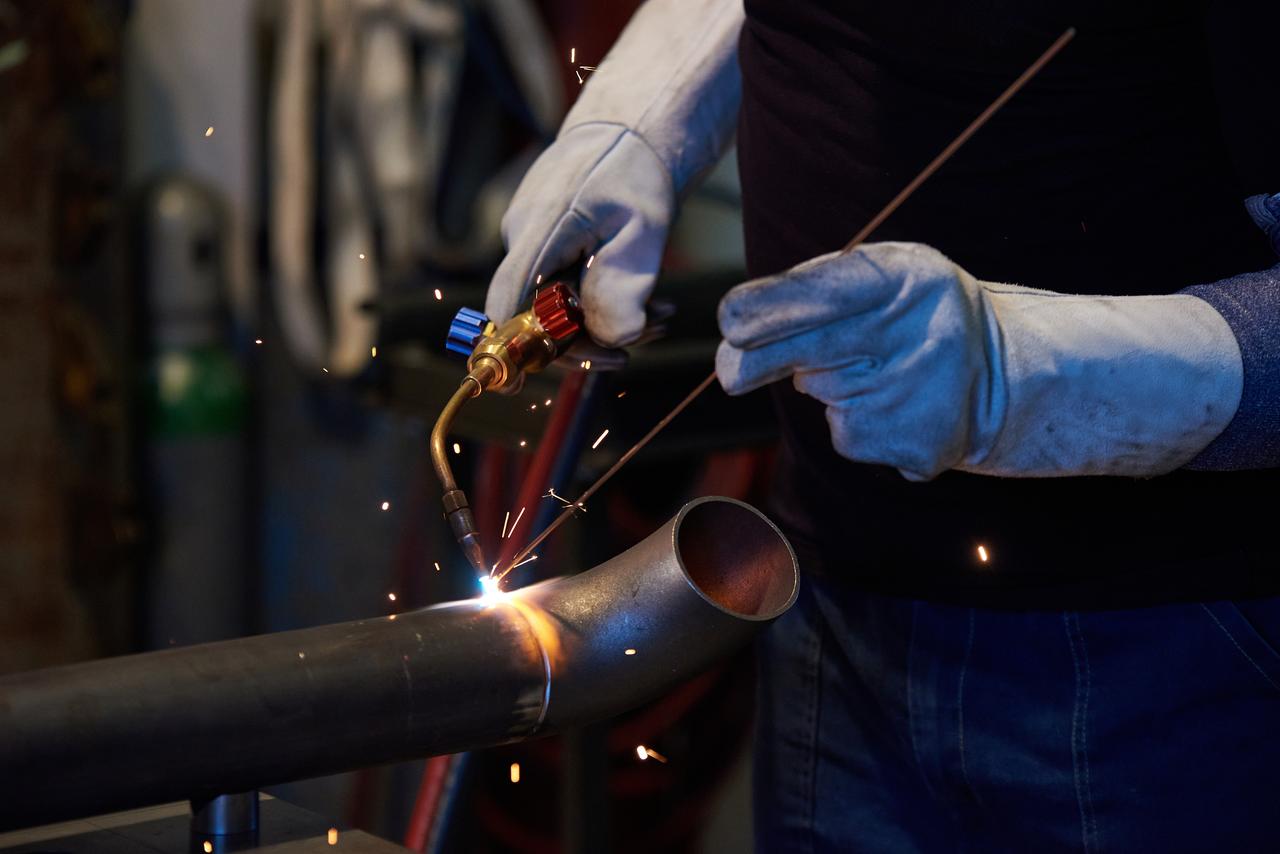

Steel producers across Europe have increasingly warned about shrinking competitiveness as imports rise and production weakens.
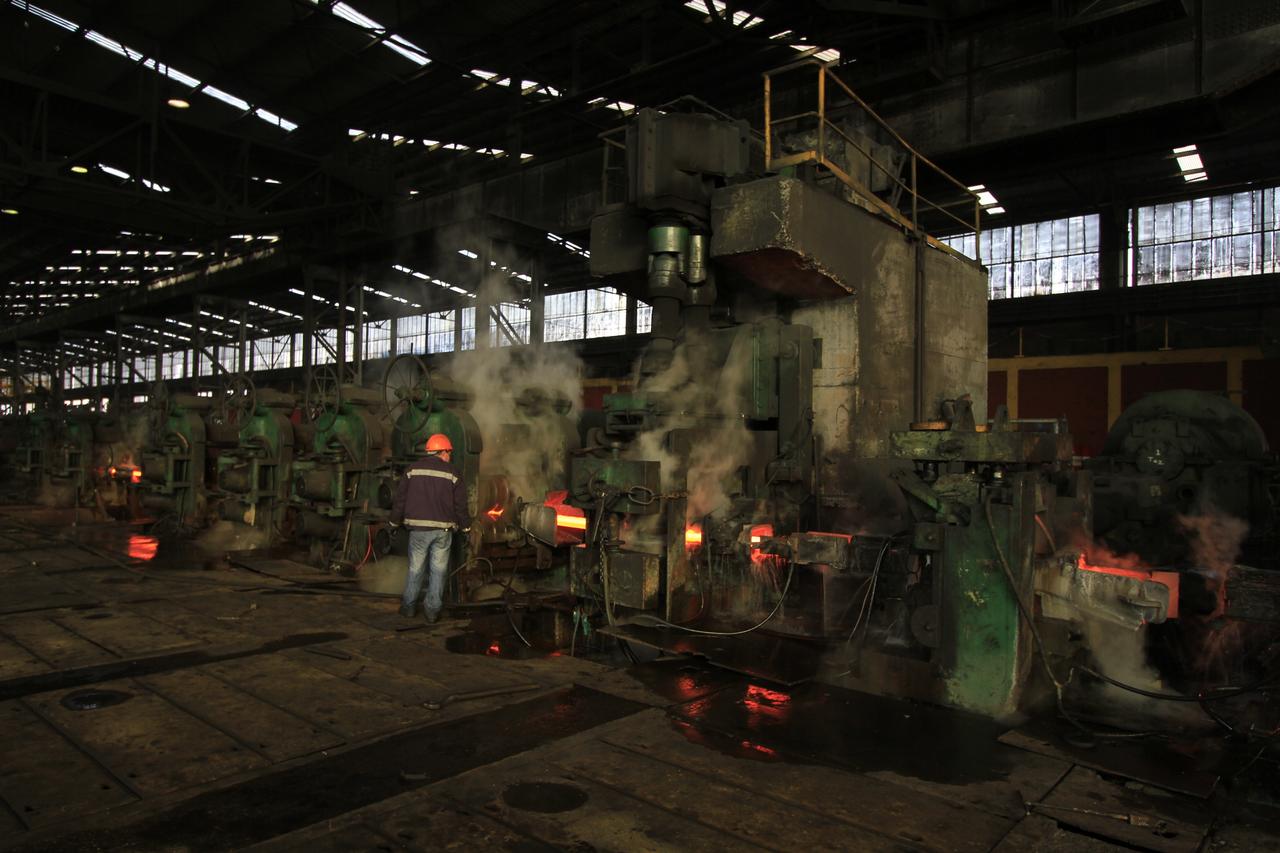
European steelmakers are currently operating at roughly 65% capacity because of growing import pressure and the impact of U.S. tariffs, while the new measures aim to push utilization rates closer to 80%.
The bloc's imports climbed 8.7% year-over-year in 2025 to 34.8 million tons, while EU crude steel production slipped to around 125.8 million tons from 130 million tons a year earlier, according to sector data.
The steel sector operates in more than 20 EU countries, directly employing around 300,000 people and supporting another 2.5 million jobs indirectly.


 Set as preferred source
 Set as preferred source


 1 min read
 1 min read