Newsletters


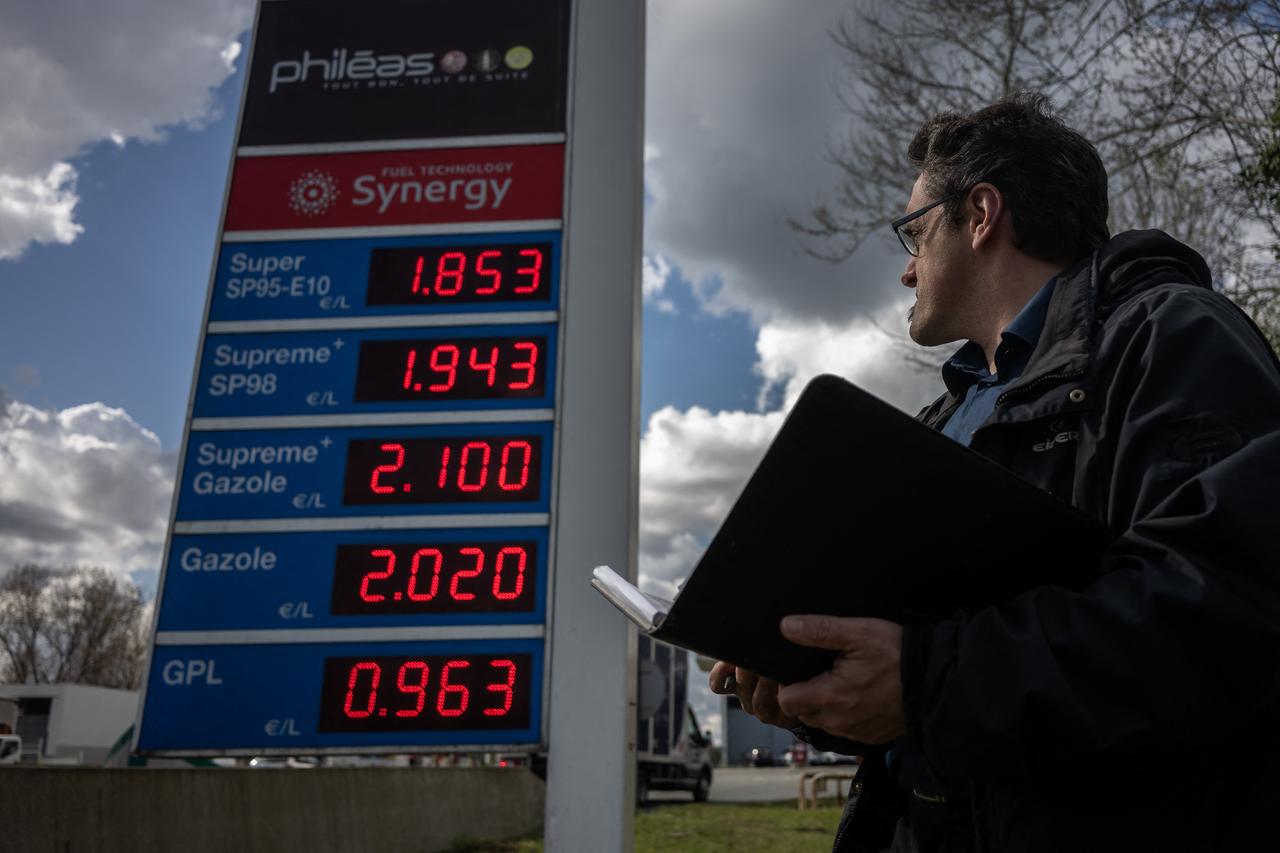


The European Union is preparing a package of temporary measures to contain rising energy prices, with electricity tax cuts, state aid flexibility, and lower grid fees at the center of its response.
European Commission President Ursula von der Leyen said Thursday the measures would be "temporary," "targeted" and tailored to limit the impact of higher fuel costs on electricity production and consumer bills. Governments will be allowed to expand state support to offset price increases, particularly for energy-intensive industries.
A key proposal focuses on reducing electricity taxes, which von der Leyen said remain significantly higher than those on gas in some member states. "This is unacceptable. We will propose lowering tax rates on electricity and ensuring that electricity is taxed less than fossil fuels," she said.
The Commission is also working on steps to improve grid efficiency and enable countries to cut network charges, aiming to reduce overall electricity costs for businesses and households.
The planned relaxation of state aid rules is expected to give governments more room to subsidize energy costs, but it also risks widening economic gaps within the bloc.
Countries with stronger fiscal capacity may be better positioned to support industries, while others face tighter budget constraints.
EU leaders acknowledged the need for rapid intervention but stressed that any support measures should avoid distorting competition within the single market.

Alongside short-term relief, the Commission is preparing a €30 billion ($34.7 billion) "investment booster" financed through emissions trading revenues.
The fund is designed to support clean energy projects and accelerate the transition to sustainable systems, particularly in lower-income member states.
The Commission is also reviewing the EU’s Emissions Trading System (ETS) to address price volatility.
Planned changes include adjustments to free carbon allowances and strengthening the Market Stability Reserve to increase supply flexibility in the short term.
Member states remain divided over the scope of reforms, with some pushing for more allowances to support industry and others warning against weakening a system that has cut emissions by 50% since 2005. A formal proposal is expected by July.


 Set as preferred source
 Set as preferred source


 1 min read
 1 min read