Newsletters


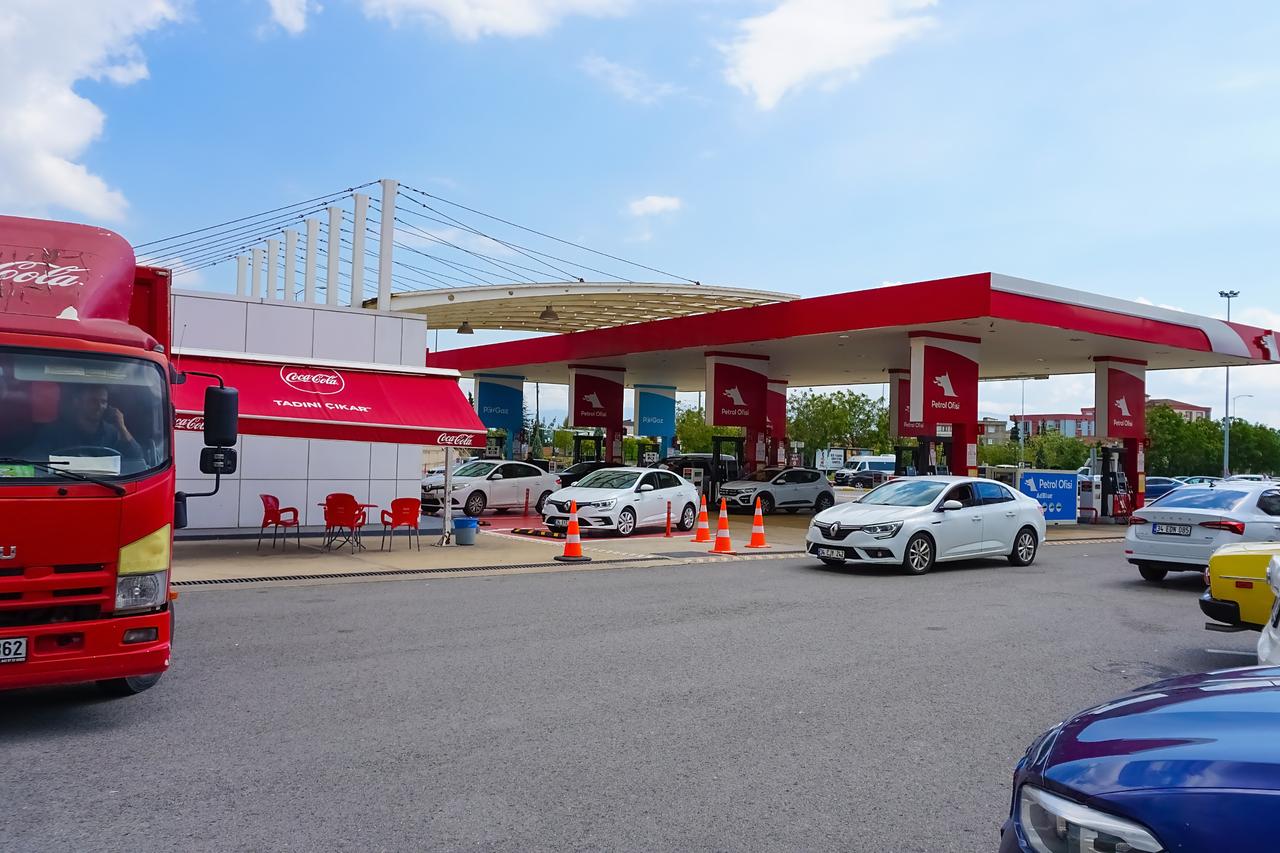


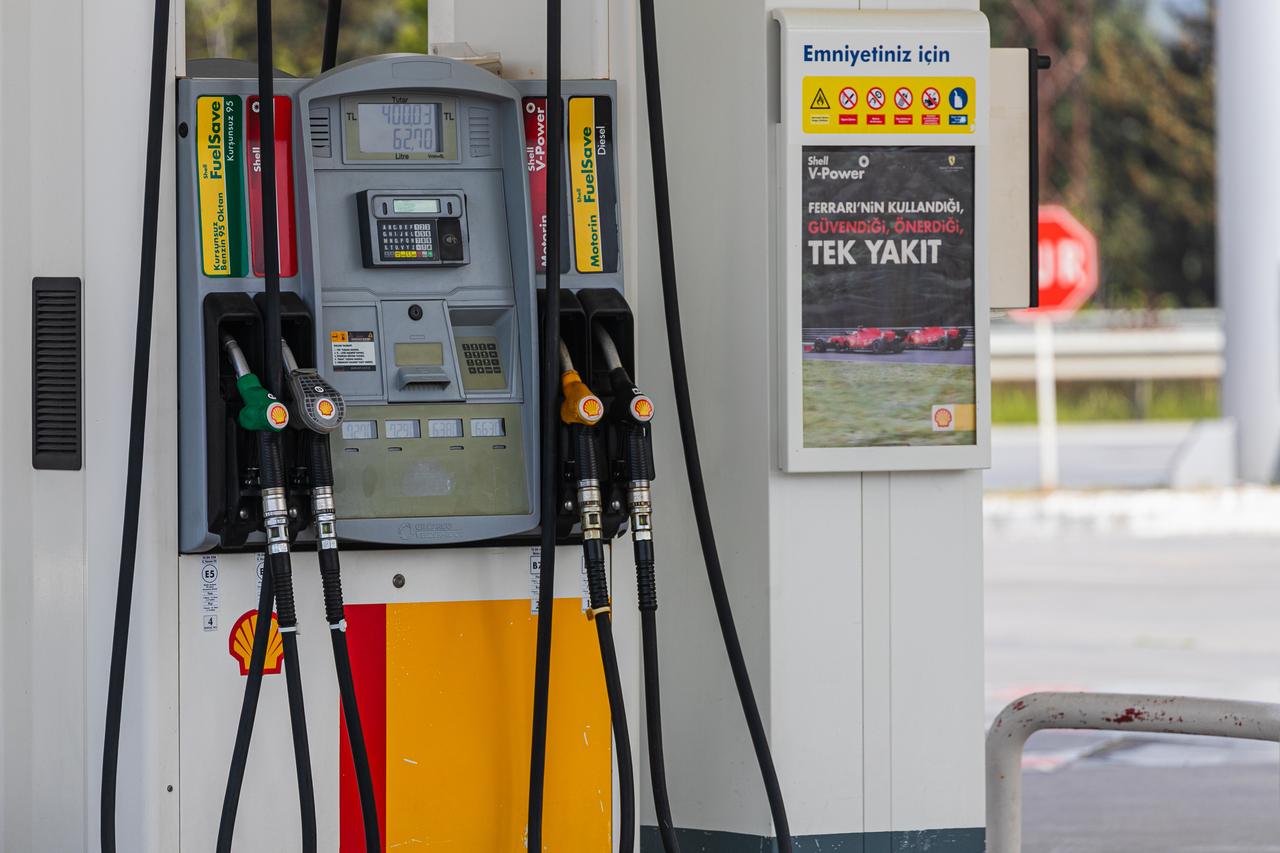
Türkiye introduced a temporary fuel tax adjustment mechanism on Thursday to cushion domestic pump prices from the surge in oil prices amid the Iran conflict, aiming to ease inflation pressure on households.
According to a presidential decree, if the prices of certain petroleum products rise after this date, up to 75% of the increase will be offset by reducing the Special Consumption Tax (SCT) applied to those products.
Fuel prices in Türkiye are set by adding refinery costs, SCT, value-added tax, and distribution margins. The mechanism, back for the first time since it was scrapped in 2022, will allow tax cuts of up to ₺14.8277 ($0.34) per liter for gasoline, ₺13.9006 for diesel and ₺11.3830 per kilogram for LPG.
If fuel prices fall, the adjustment system operates in the opposite direction. Up to 75% of the price decline may be reflected through increases in the SCT rate, although the adjusted tax cannot exceed the level applied on March 2.
The structure is designed to moderate price volatility by absorbing part of the global market fluctuations through tax changes.

The policy move comes as rising global oil prices draw attention to inflation risks in Türkiye. Brent crude recently exceeded $85 per barrel, raising concerns that higher energy costs could feed into consumer prices, particularly after recent food supply shocks that pushed headline inflation in February to 31.5%.
Fuel prices account for about 3.2% of Türkiye’s consumer price index (CPI). However, energy costs also affect production and transportation expenses across the economy.
An analysis by the Central Bank of the Republic of Türkiye (CBRT) estimates that a sustained $10 increase in oil prices could add between 1.2 and 1.6 percentage points to headline inflation over time through indirect cost pressures.
The temporary tax mechanism aims to limit the transmission of global fuel price increases to domestic markets, even though it requires the government to forgo part of its potential budget revenues. Fuel products generated ₺522.2 billion ($13.2 billion) in SCT revenue in 2025, or 26.11% of the government’s ₺2 trillion ($50.6 billion) total.


 Set as preferred source
 Set as preferred source


 1 min read
 1 min read