Newsletters




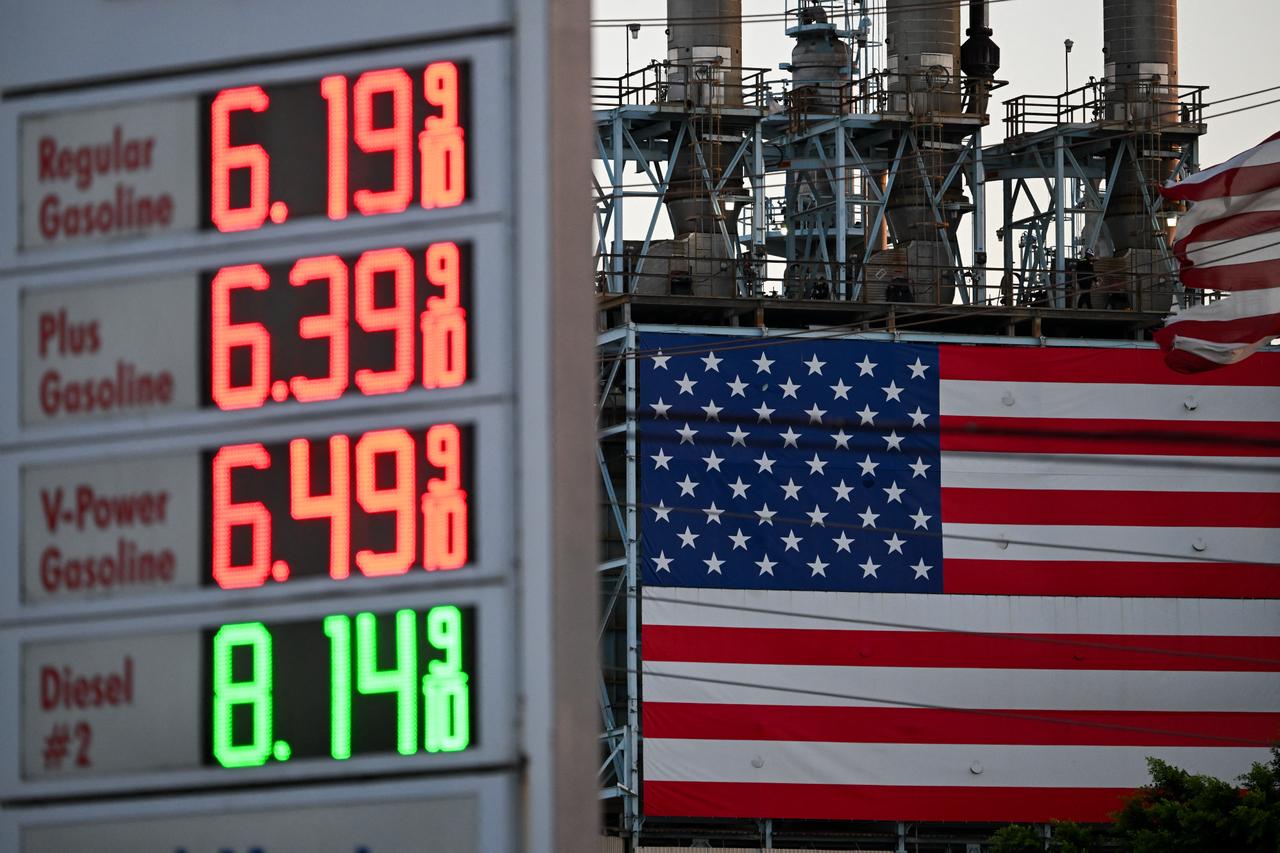
Global energy prices extended their rally on Tuesday after shipping through the Strait of Hormuz was halted, and a key liquefied natural gas facility in Qatar shut down, tightening supplies across oil and gas markets.
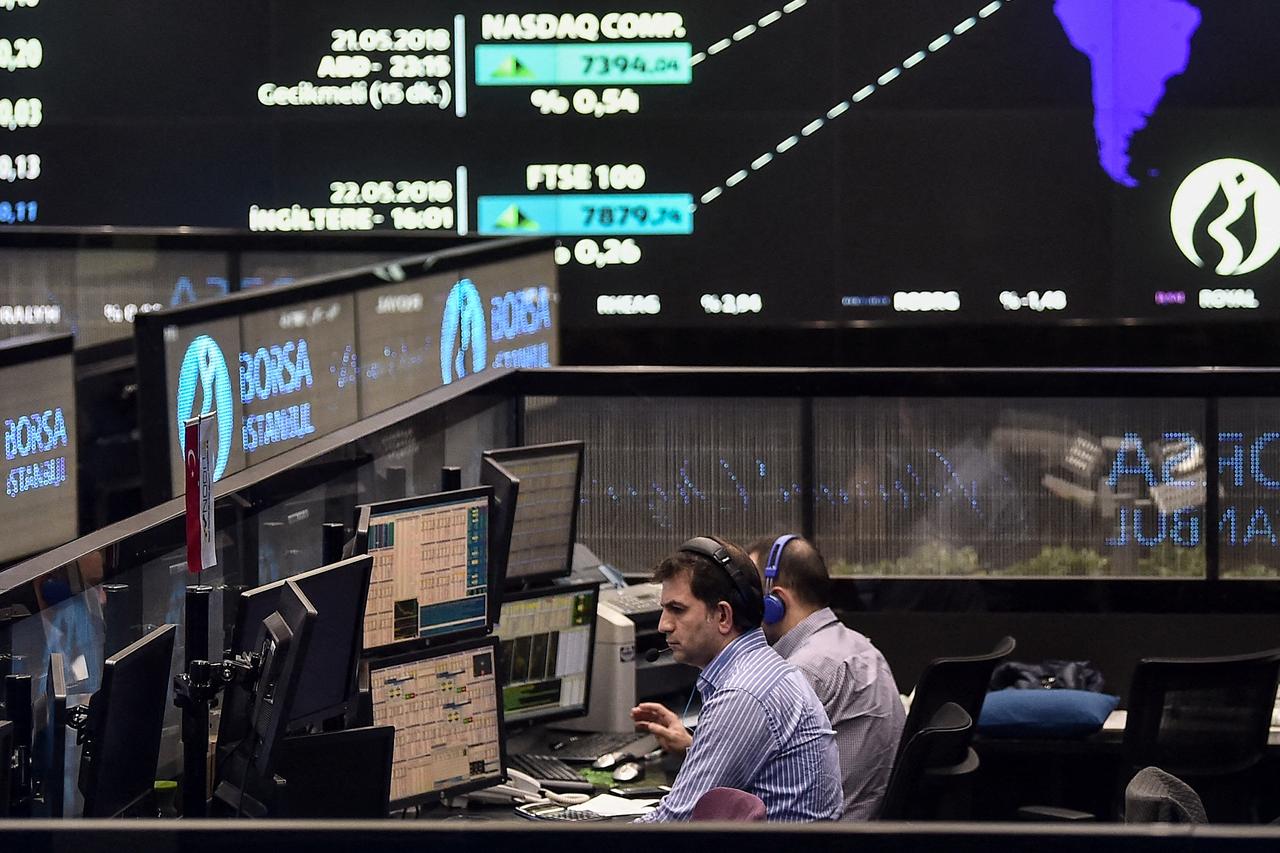
Brent jumped more than 8% to $85.12, its highest since July 2024, while U.S. crude WTI rose over 7% to $76.47 per barrel. At the Dutch-based Title Transfer Facility (TTF), Europe’s main virtual natural gas trading hub, April futures climbed to €65.5 ($76) per megawatt-hour, up more than 100% since the conflict began.
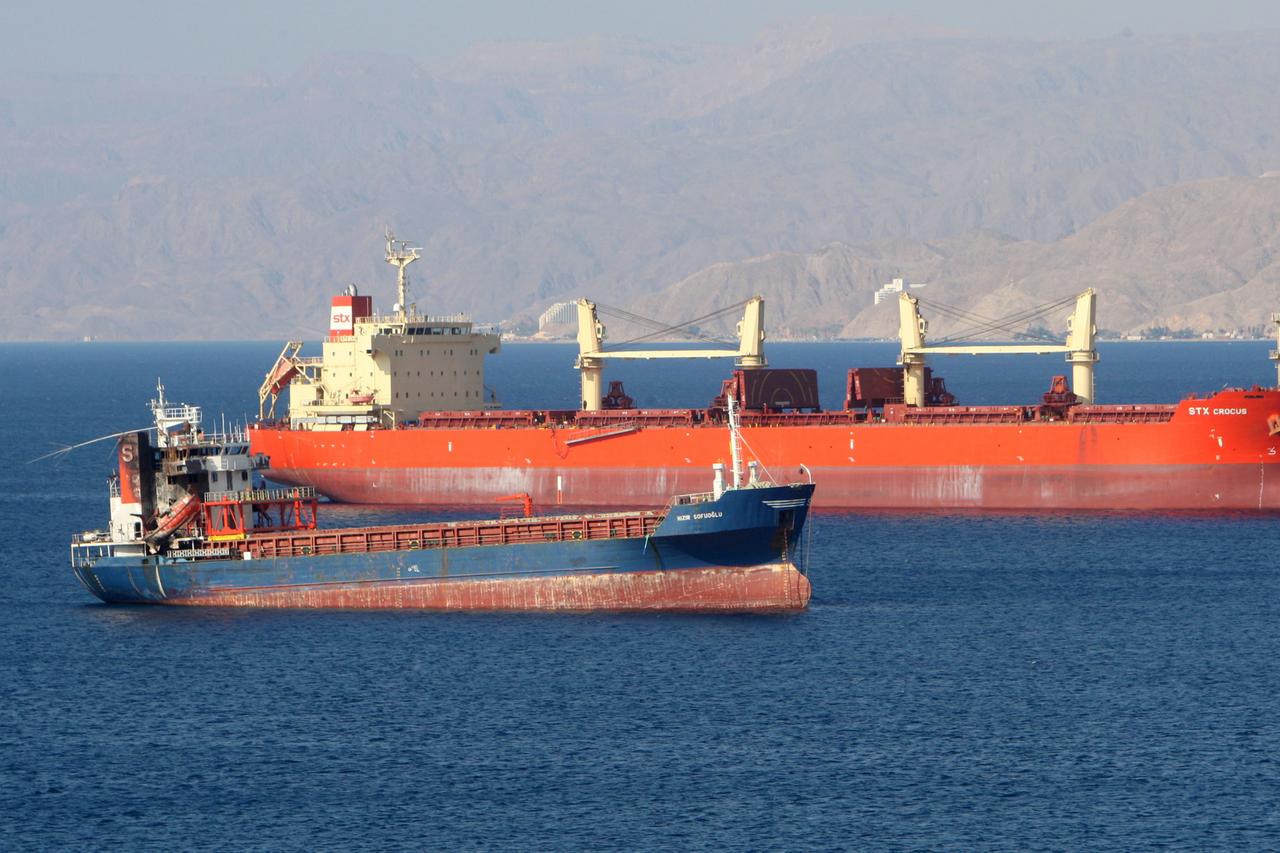
Commercial vessel traffic through the Strait of Hormuz, a strategic waterway that carries around 20% of global oil and LNG exports, halted after joint U.S. and Israeli strikes on Iran, disrupting a key route for nearly all of Qatar’s LNG shipments, which account for about 20% of global supply.
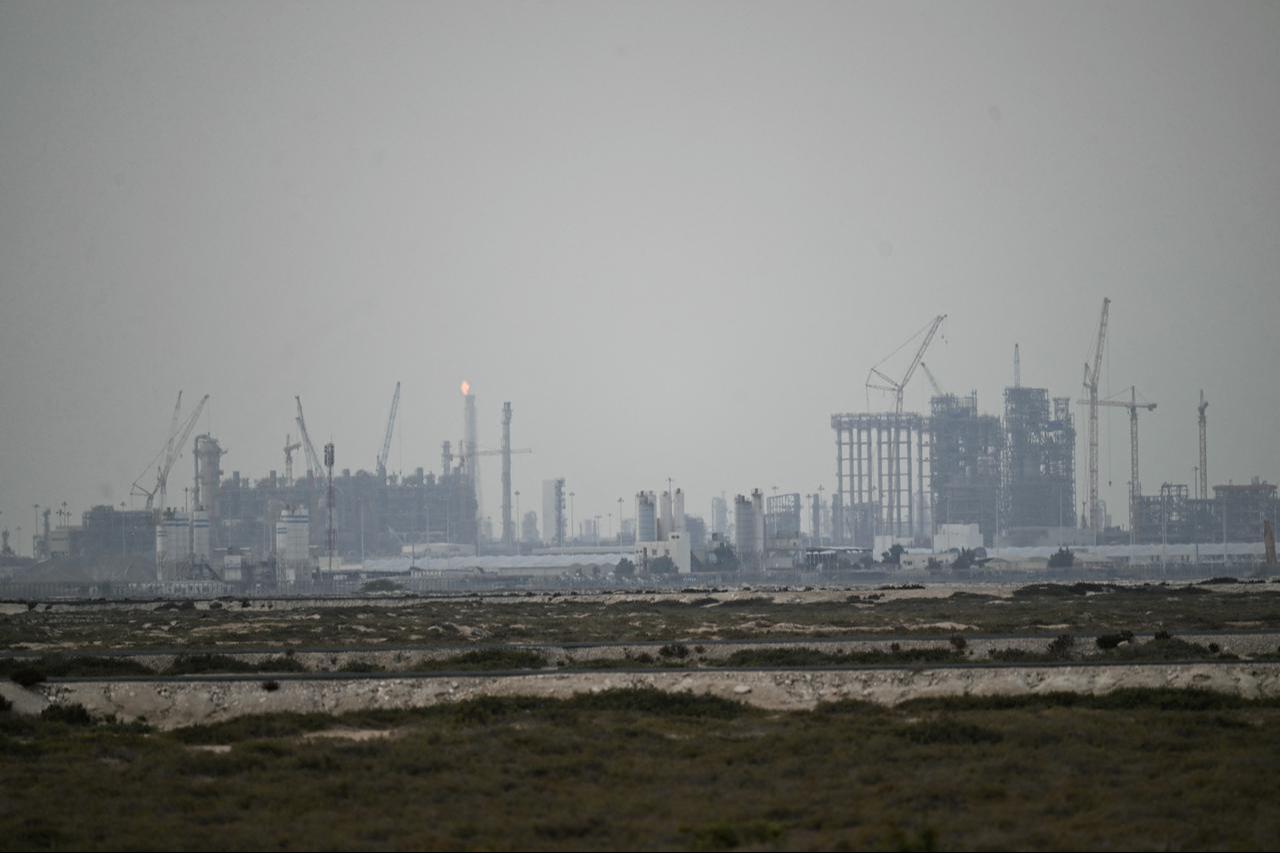
The situation worsened when a drone launched from Iran struck an LNG facility operated by QatarEnergy in Ras Laffan Industrial City, forcing the company to suspend production on Monday and declare force majeure on LNG deliveries, increasing uncertainty for long-term contract buyers and pushing some toward the spot market.
Following separate attacks on two gas processing plants, QatarEnergy also halted part of its downstream output, including urea, polymers, methanol and aluminium, a move that lifted aluminium prices 2% on the London Metal Exchange.

With shipping through Hormuz halted, competition for alternative LNG supplies from the United States and Australia is expected to intensify between European and Asian buyers, adding further upward pressure on prices.
Europe is also navigating tighter storage conditions. European Union gas storage sites are currently around 30% full, a lower level than at the same time last year.
The EU’s Gas Coordination Group, which monitors storage and supply security and coordinates emergency measures during crises, is set to meet on March 4 to assess the impact of the Middle East conflict.


 Set as preferred source
 Set as preferred source


 1 min read
 1 min read