Newsletters


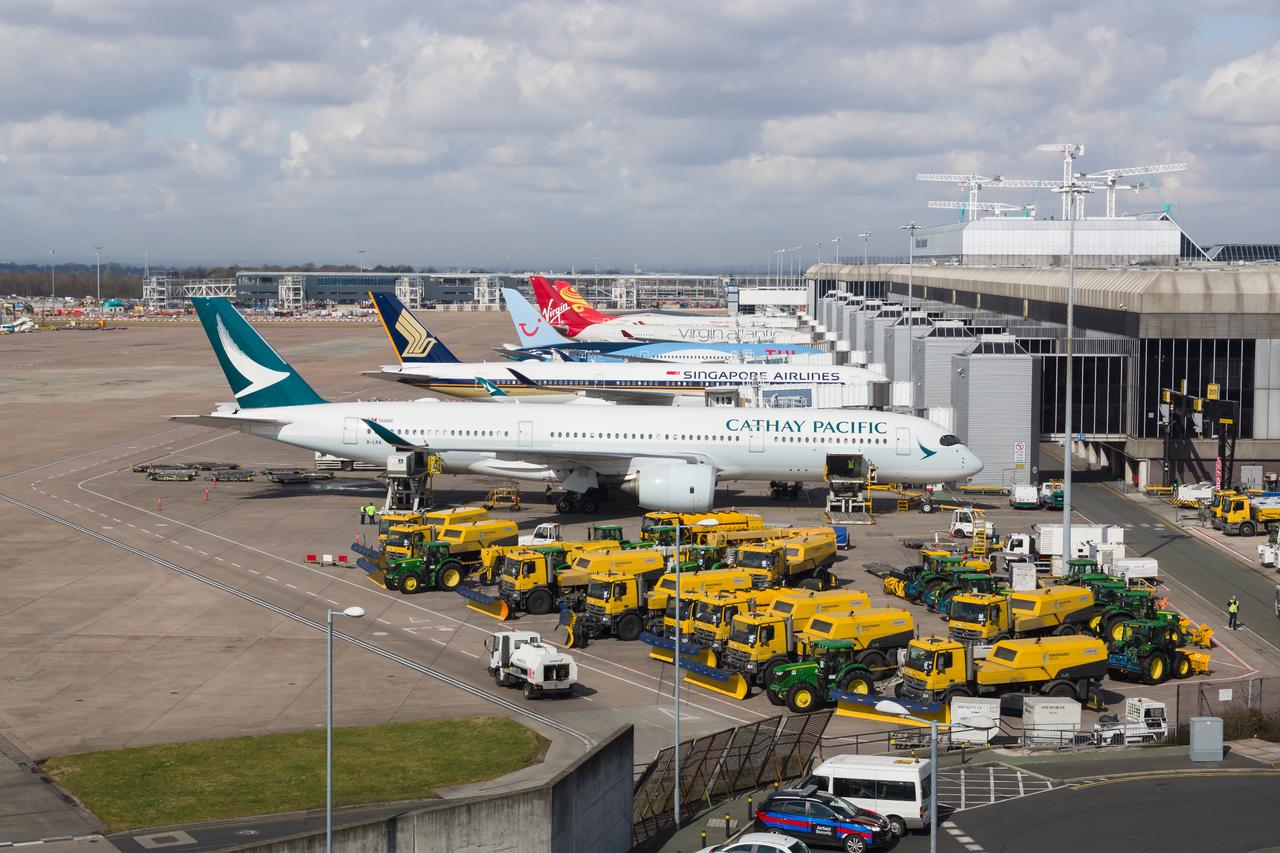


Europe has around six weeks of jet fuel remaining, the head of the International Energy Agency warned, signaling that flight disruptions could begin soon if supply routes remain blocked by the Iran war.
"I can tell you soon we will hear the news that some of the flights from city A to city B might be canceled as a result of lack of jet fuel," Fatih Birol said, describing the situation as "the largest energy crisis we have ever faced," driven by disruptions to oil, gas and other supplies through the Strait of Hormuz amid the Iran conflict.
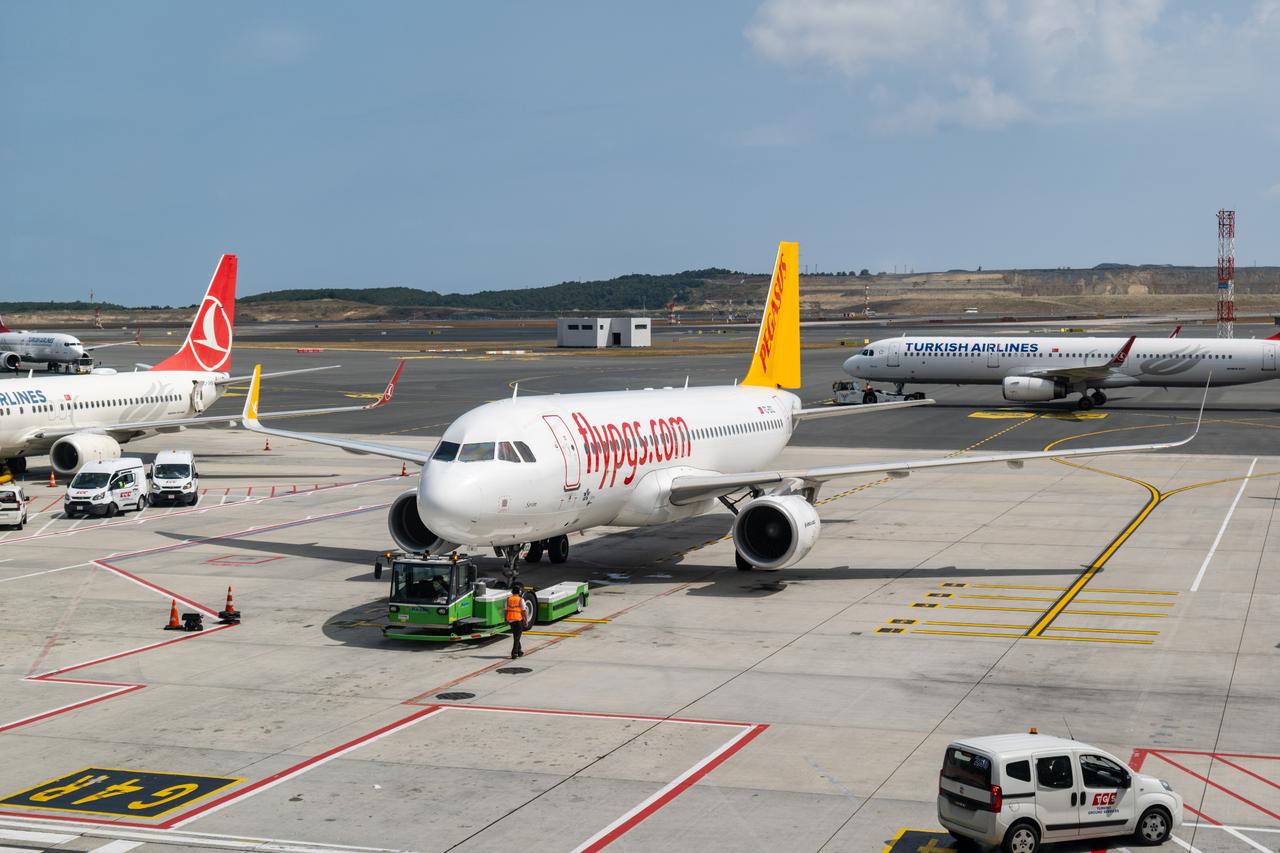
European airlines are increasingly feeling pressure from rising jet fuel prices and tightening supply, as the Strait of Hormuz carries about a fifth of global oil flows. In recent weeks, carriers have flagged declining reserves and supply constraints across the bloc, with flights facing possible fare increases or cancellations.
The European Commission has acknowledged the risk, stating that while there is currently no immediate shortage, disruptions could emerge in the near term, particularly in jet fuel supply.
Most recently, German carrier Lufthansa announced a cost-cutting plan on Thursday, outlining measures to reduce capacity and retire older aircraft.
The ongoing disruption is also expected to weigh on global economic growth and push inflation higher, with developing economies likely to feel the sharpest effects, Birol told Associated Press.
"The countries who will suffer the most will not be those whose voice are heard a lot," he said. "Everybody is going to suffer, no country is immune to this crisis."
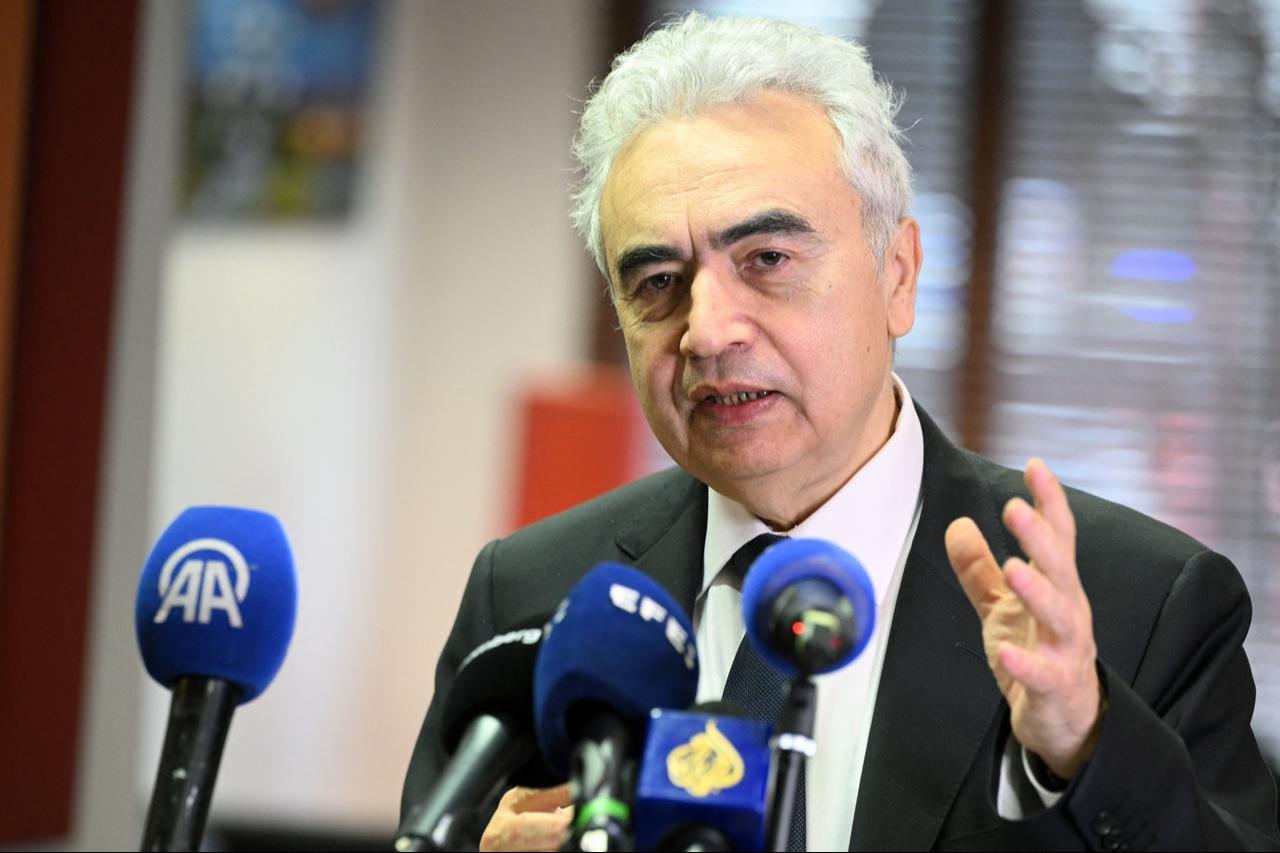

Birol also warned against Iran's attempts to introduce transit fees for ships passing through the Strait of Hormuz. "If we change it once, it may be difficult to get it back," he said, cautioning that such a system could spread to other key waterways.
More than 110 oil tankers and over 15 liquefied natural gas carriers are currently waiting in the Persian Gulf, which could ease the crisis if released, though Birol stressed it "is not enough."
Damage to energy infrastructure remains a major constraint. "Over 80 key assets in the region have been damaged," he said, noting that more than one-third are severely affected.
Restoring production to pre-war levels is expected to take months and could extend up to two years, according to Birol.
During the conflict, oil prices climbed to nearly $120 per barrel, the highest since 2022. Prices have since eased following a two-week ceasefire and renewed talks between the United States and Iran, but remain roughly 32% above pre-conflict levels.


 Set as preferred source
 Set as preferred source


 1 min read
 1 min read