Newsletters


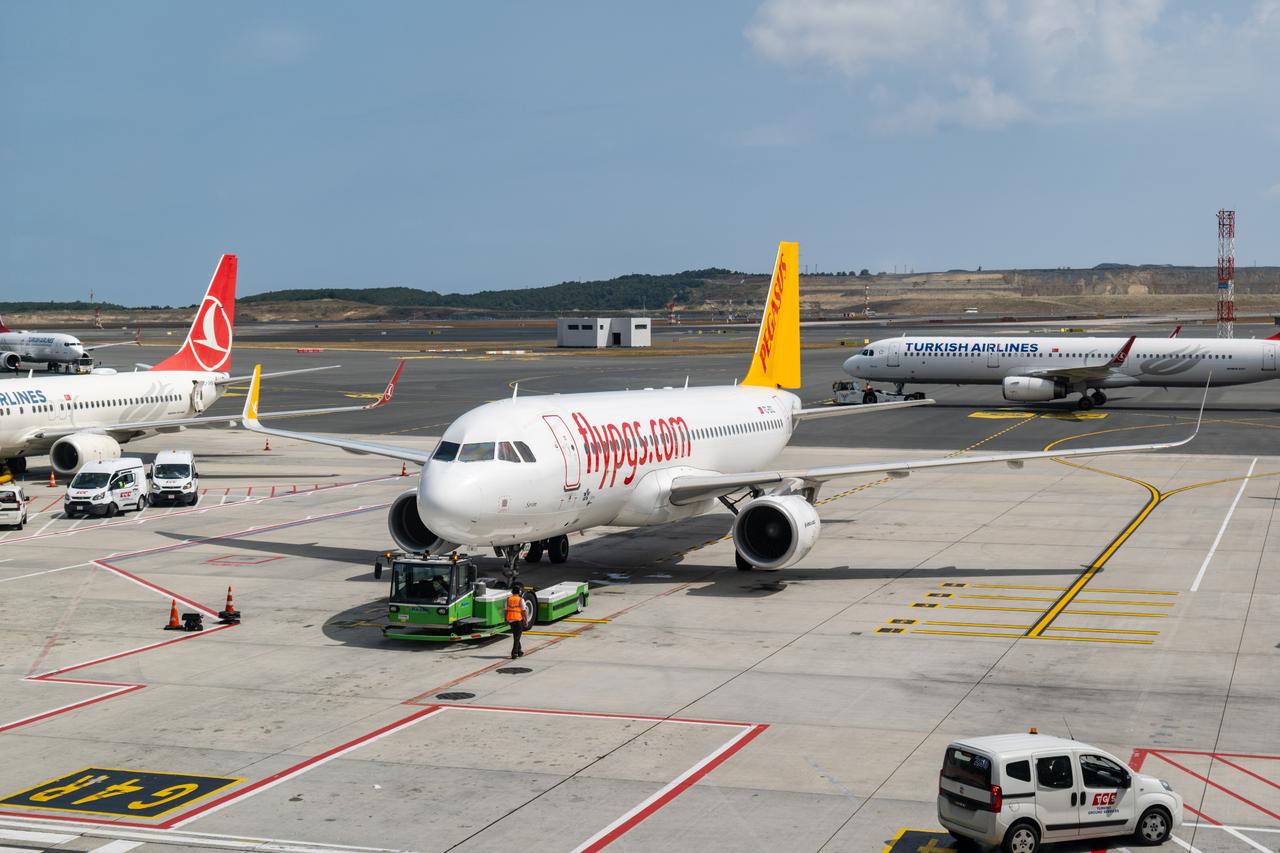


Türkiye’s flag carrier Turkish Airlines and low-cost carrier Pegasus sustained strong traffic growth in March 2026, according to company data, even as the Iran war disrupted global aviation by tightening fuel supply, raising costs, and forcing many airlines to cut capacity or adjust operations.
The conflict has hit energy infrastructure and tightened flows through the Strait of Hormuz, a critical corridor for jet fuel shipments. As supply strains deepen, airlines in parts of Europe and Asia face refueling limits and operational adjustments, increasingly reshaping flight schedules, route planning, and cargo capacity.
Against this backdrop, Türkiye’s aviation sector continues to expand, supported by uninterrupted fuel access and steady demand, allowing its carriers to maintain operations without the constraints seen in other markets.
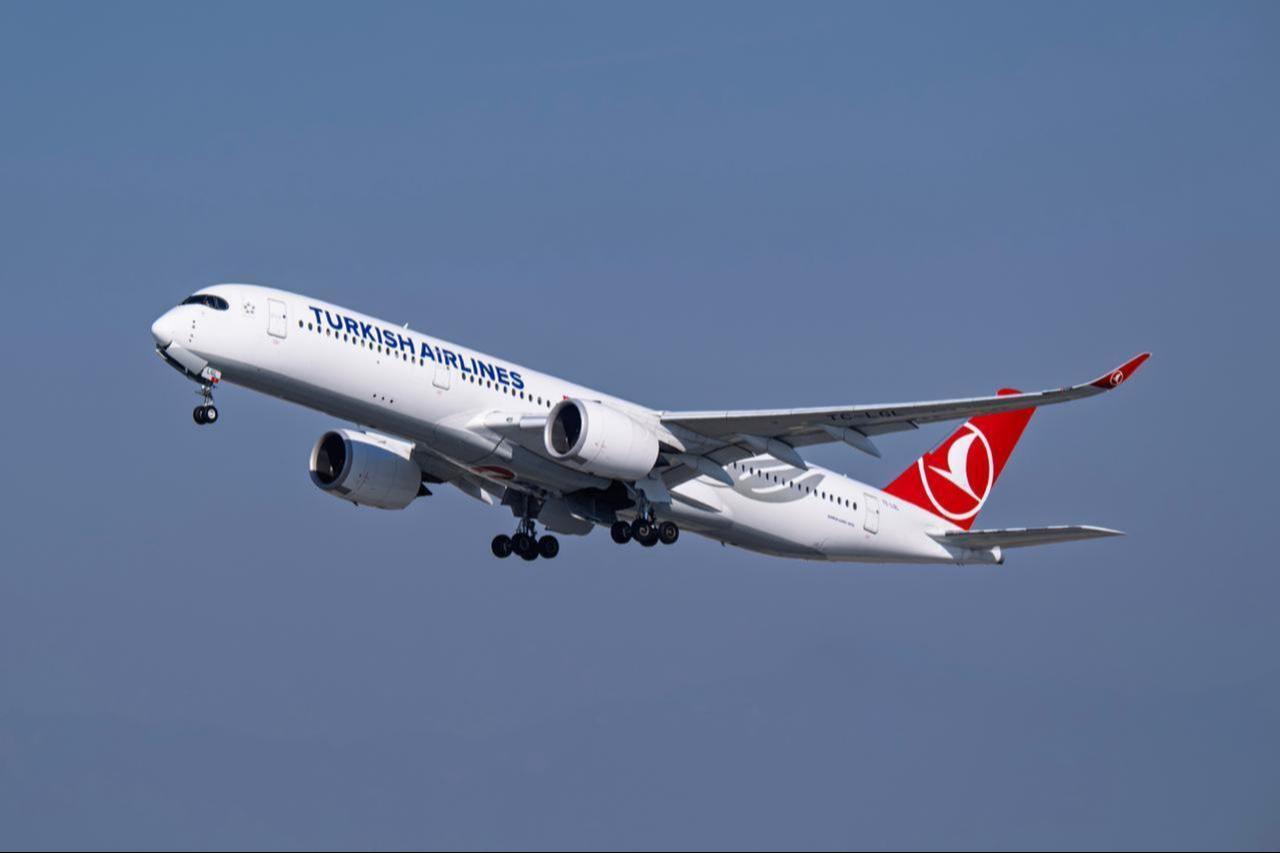
Turkish Airlines carried 7.2 million passengers in March, up 16% year-on-year, as growth held firm despite pressure in nearby markets. Flight activity also increased, with total landings rising 6.4% to 44,743.
Passenger load factor climbed to 83.6%, up from 77.5%, indicating stronger demand and more efficient capacity use.
Growth was driven by gains across multiple regions. Passenger numbers surged 34.7% on Far East routes and rose 30.2% in Africa, while Europe recorded an 11% increase and domestic traffic climbed 20.7%.

These gains offset a sharp contraction in the Middle East, where capacity dropped 36.1% amid conflict-driven airspace disruptions.
Cargo activity also strengthened, with freight and mail volumes rising 8.8% year-on-year to 198,300 tons.
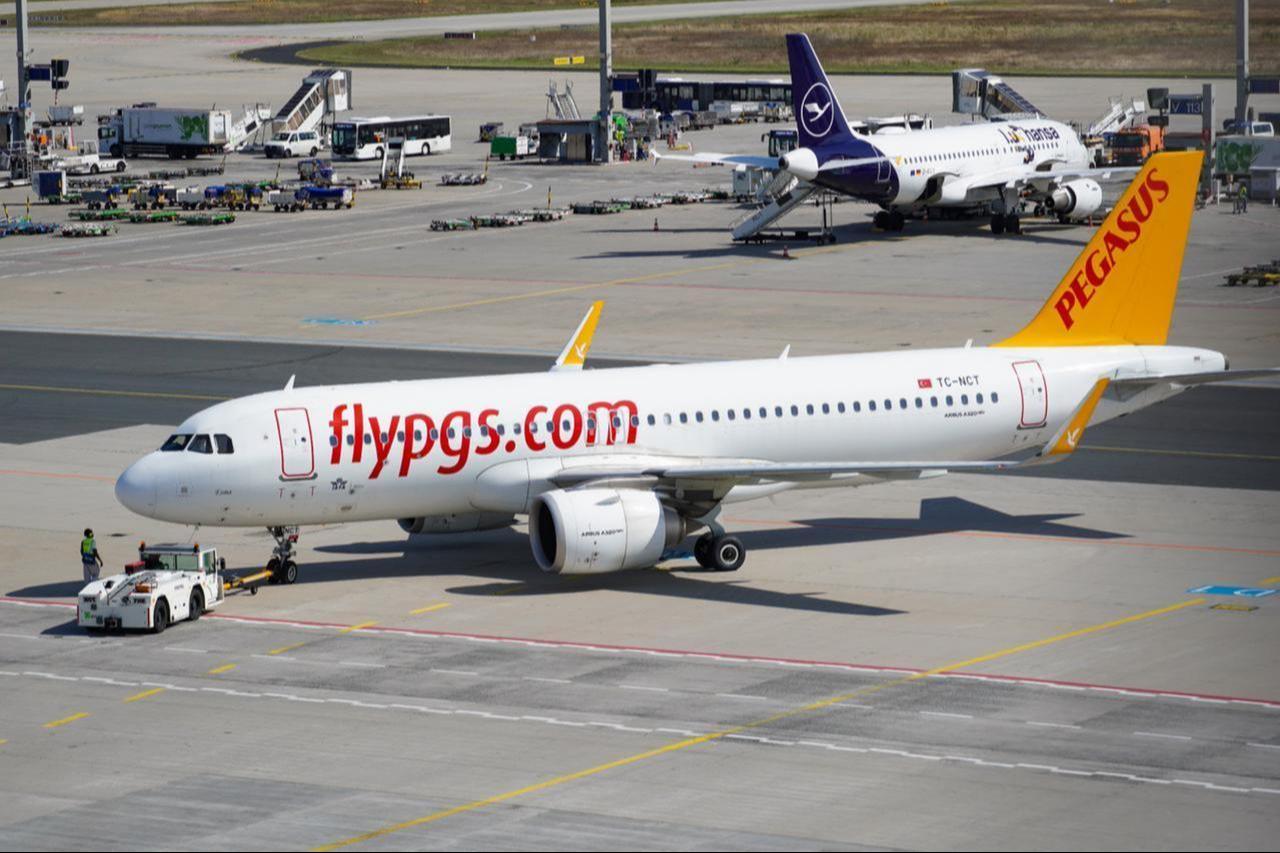
Pegasus Airlines reported more moderate growth, carrying 3.2 million passengers in March, up 5% from a year earlier. Load factor edged up to 84.5%, while total capacity increased 3%.
Domestic traffic rose 17% to 1.3 million passengers, helping to counter a 3% decline in international traffic to 1.85 million.
The same disruptions affecting airline networks are also reshaping operational logistics.
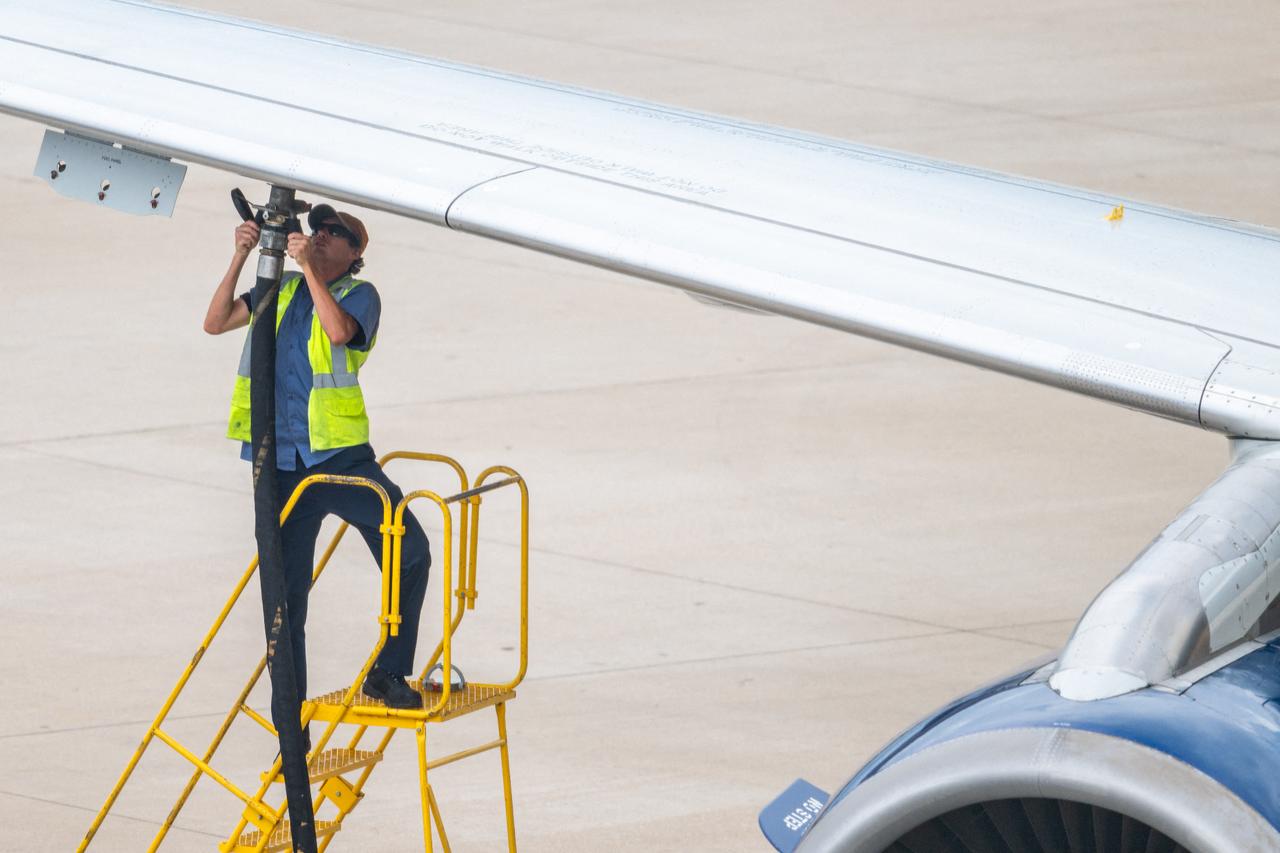
Fuel shortages in parts of Europe and Asia have forced airlines to adapt operations, including carrying additional fuel from departure points to avoid supply risks. This practice, known as fuel tankering, reduces cargo capacity as aircraft allocate more weight to fuel instead of freight.
Türkiye, however, has not imposed refueling restrictions, creating a clear operational advantage within a constrained global system. Some flights have reportedly landed in Istanbul solely for refueling, even when it is not their final destination, business-focused ekonomim.com reported.
This dynamic ties directly into the broader traffic resilience seen in Turkish carriers. With reliable fuel access and fewer operational constraints, Türkiye is increasingly serving as a functional stopover point in a disrupted aviation network—supporting both transit activity and sustained passenger growth while global competitors face mounting limitations.
The strain is driven by a sharp rise in jet fuel prices, which have climbed above $200 per barrel since the conflict began on Feb. 28, as attacks on key energy infrastructure and disruptions in the Strait of Hormuz tightened global supply. The corridor typically handles around a fourth of global jet fuel flows, making the impact particularly severe.


 Set as preferred source
 Set as preferred source


 1 min read
 1 min read