Newsletters


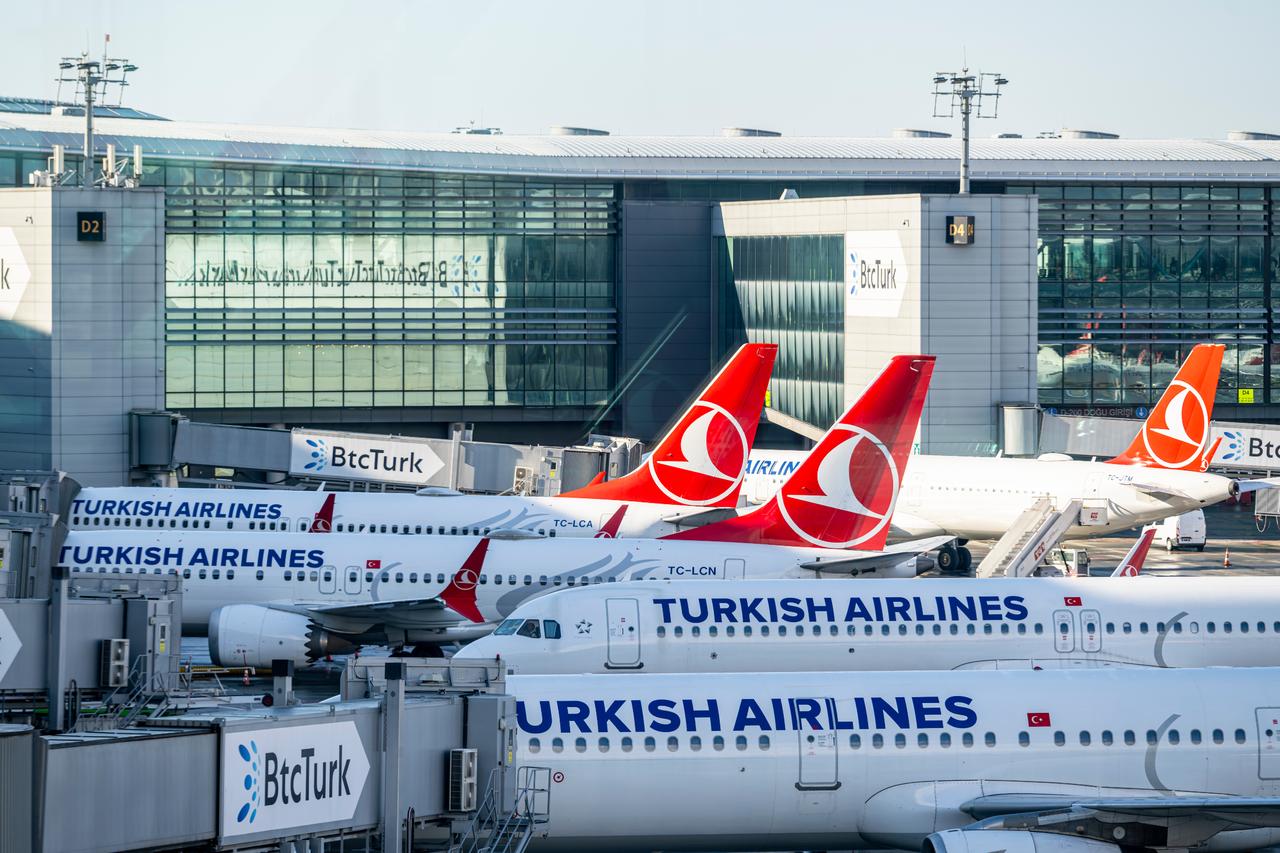


Türkiye's flag carrier Turkish Airlines is on track to post the highest booked passenger figure in its history during the Eid al-Adha holiday period, even as the global aviation sector grapples with soaring jet fuel costs amid the Iran conflict.
The airline expects to carry more than 305,000 booked passengers on May 31 through a combined 1,867 scheduled flights operated by Turkish Airlines and its low-cost subsidiary AJet, marking the busiest day ever recorded in the group's operational history.
Announcing the figures on social media, Turkish Airlines Chairman and Executive Committee President Murat Seker noted that holiday operations have continued smoothly despite heavy passenger traffic during the Eid period.
"Throughout Eid al-Adha, the Turkish Airlines family is working with all its strength to transport our guests safely and comfortably to their loved ones," Seker stated.
The carrier has scheduled a total of 16,544 flights between May 22 and May 31, including 10,034 international services and 6,510 domestic flights. The plan also includes 825 additional flights added to meet seasonal demand.
Turkish Airlines and AJet aim to transport approximately 2.7 million passengers during the 10-day holiday travel period, Seker added.
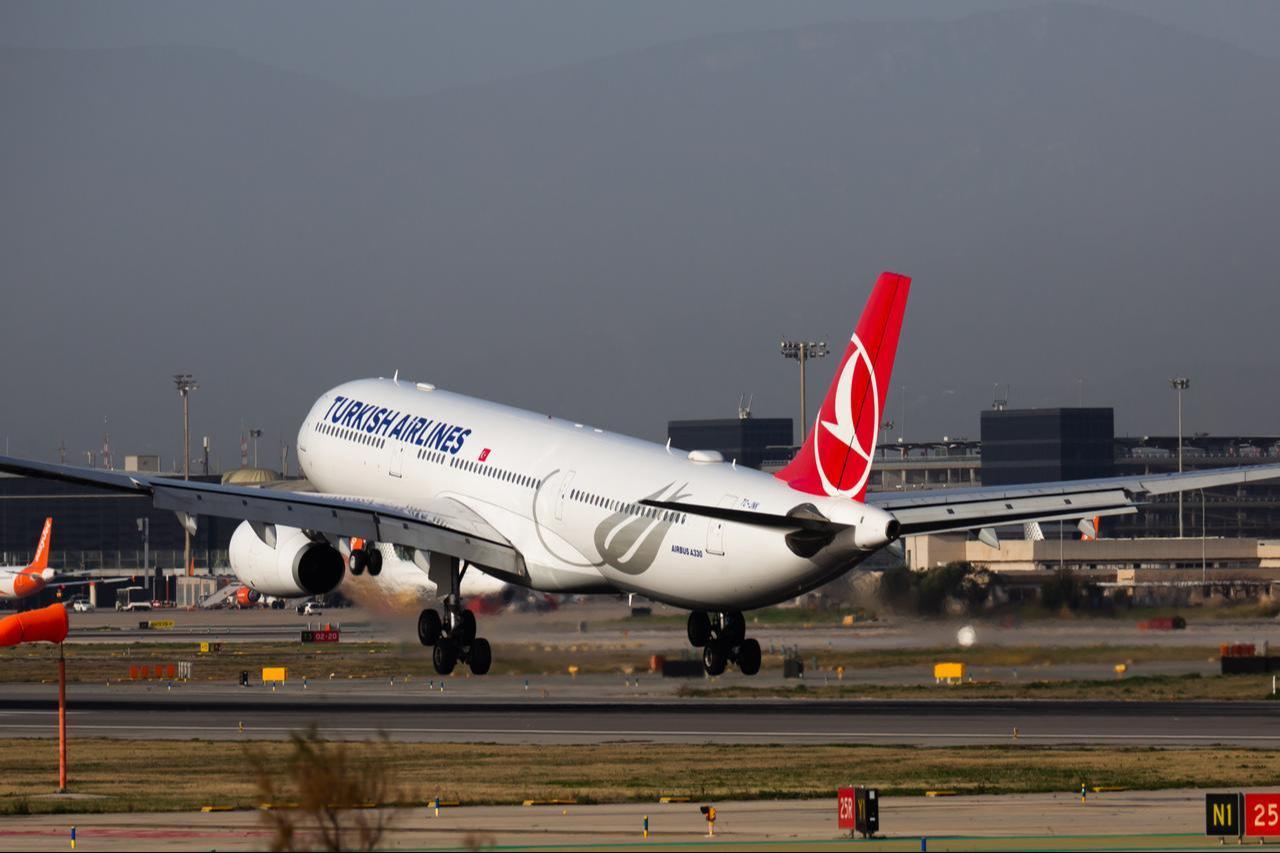

The record-breaking travel demand comes as airlines worldwide face mounting pressure from higher fuel costs. Since the outbreak of the Iran conflict, disruptions to shipping through the Strait of Hormuz, which carries roughly a quarter of global jet fuel shipments, have tightened supplies and pushed prices above $200 per barrel amid growing concerns over shortages.
Across the world, particularly in Europe, airlines have responded to soaring fuel costs by raising fares, trimming schedules and cutting capacity. Lufthansa has announced plans to remove around 20,000 short-haul flights from its summer timetable through October, while several carriers have warned of further reductions if supply pressures persist.
The crisis has also exposed weaker operators, with U.S. budget carrier Spirit Airlines ceasing operations in May after surging fuel costs derailed its restructuring plans.
Turkish Airlines has so far avoided the worst of the fuel crisis. While higher prices have increased operating costs, Türkiye's position as a major jet fuel exporter has helped shield the country from significant supply risks.
The airline carried 28.5 million passengers in the first four months of 2026, up 8.3% from a year earlier. April traffic, however, fell 2.9% year-over-year to 7.2 million passengers as the Iran conflict disrupted Middle East routes, sending regional passenger numbers down 55.7% amid airspace closures, flight suspensions and rerouted services.
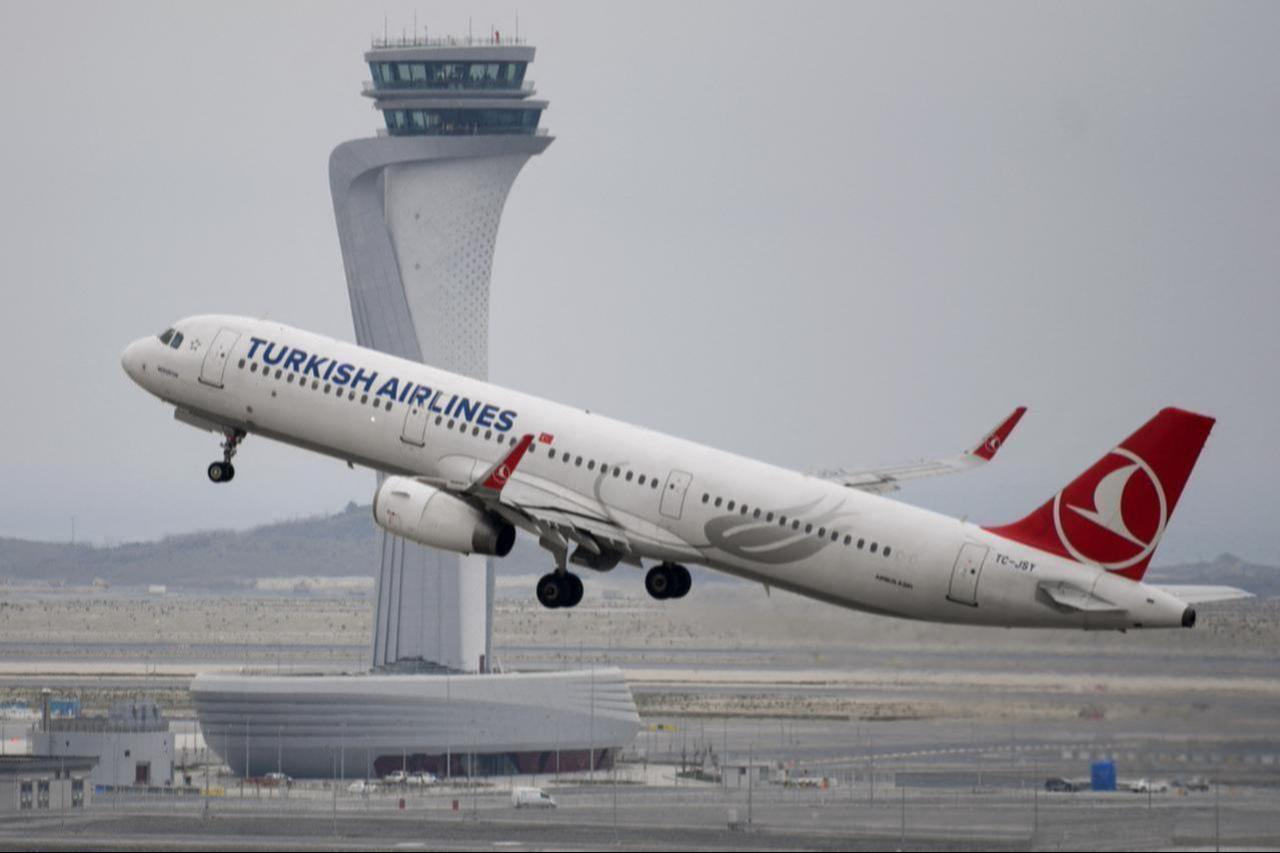
Seker also indicated that the airline has benefited from disruptions affecting Gulf aviation hubs. In earlier comments to the Financial Times, he said Turkish Airlines had attracted passengers who were unable to travel through competing hubs in Dubai, Abu Dhabi and Doha, while Istanbul remained fully operational after the conflict erupted in late February.
Major Gulf carriers, including Emirates, Etihad Airways and Qatar Airways, had to deal with airspace closures, flight suspensions and repeated operational disruptions during the conflict. At its peak, major transit hubs in Dubai, Abu Dhabi and Doha faced widespread shutdowns, while passenger traffic at Dubai International Airport sank 66% year-on-year in March.
With Istanbul remaining open throughout the turmoil, Turkish Airlines picked up a larger share of Europe-Asia transit traffic, strengthening its position on one of the world's busiest long-haul travel corridors.
"The current situation might help us to gain that passenger growth faster," Seker told the newspaper, adding that stronger demand could prompt the company to raise its growth projections over the next three to five years.


 Set as preferred source
 Set as preferred source


 1 min read
 1 min read