Newsletters


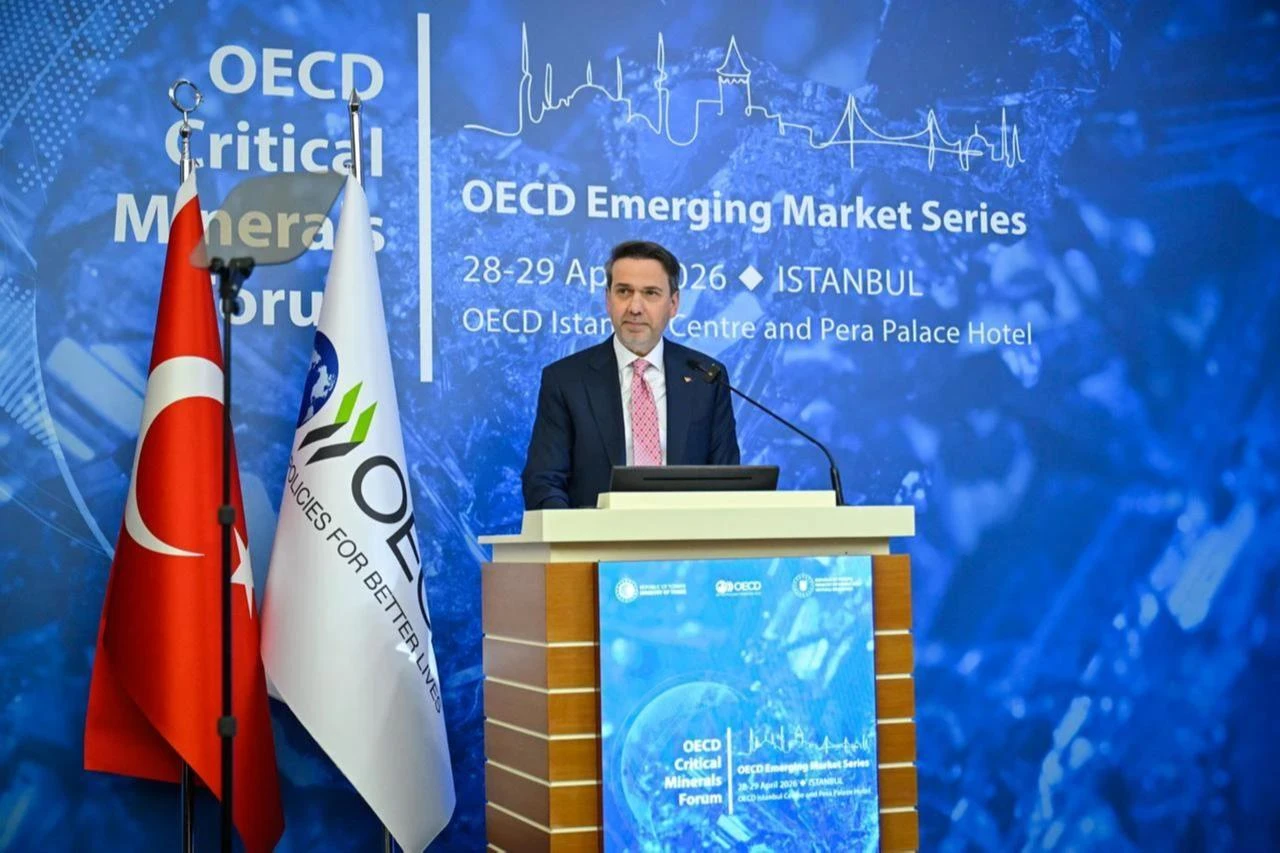


European counterparts have approached Turkish officials seeking to purchase gas routed through Türkiye that does not originate in Russia, Energy and Natural Resources Minister Alparslan Bayraktar said, as the country pursues a broader plan to supply natural gas to 16 million households by 2028 and expand its role as a regional oil and gas transit hub.
"Our European counterparts come to us and say they want to buy gas other than Russian gas through Türkiye," Bayraktar said, according to Turkish media.
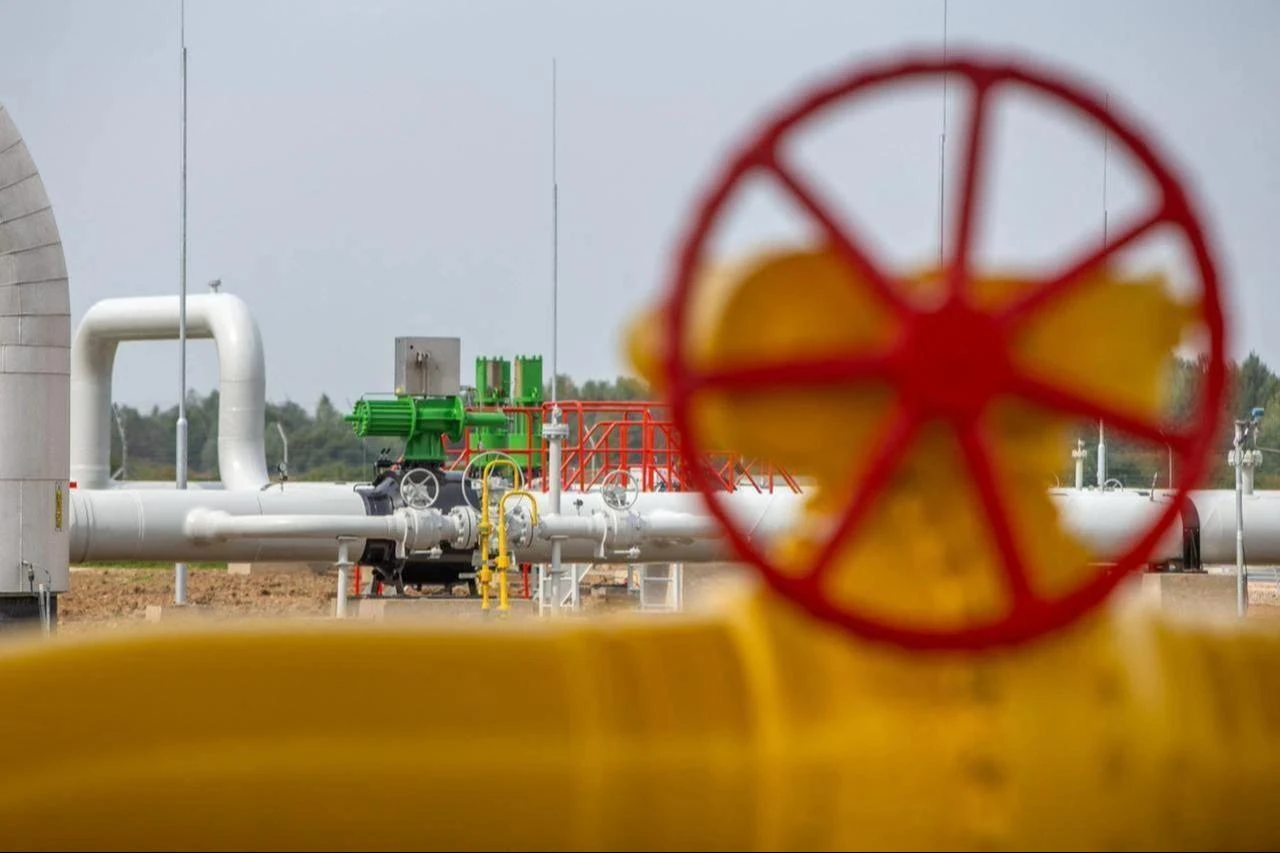

Bayraktar said Türkiye's annual gas consumption capacity stands at about 60 billion cubic meters, but recent infrastructure investment has expanded the country's supply capability to 70-80 billion cubic meters.
Among Europe's requests, he said, is whether Türkiye could export gas produced domestically at the Sakarya Gas Field in the Black Sea.
He added that when gas of undetermined origin enters Türkiye's system but becomes subject to trade under a legal framework, Turkish authorities are required to document which country the gas belongs to.
Bayraktar said Türkiye aims to supply natural gas to 16 million households nationwide by 2028, doubling an earlier target of 8 million households set for the end of 2026.
He said the expansion would draw on gas from the Sakarya Gas Field, where Türkiye has identified reserves of nearly 1 trillion cubic meters.
Production there began in 2023, and about 4 million homes currently use Black Sea gas, a figure he said would double by the end of this year.
To sustain the expansion, Bayraktar said the Osman Gazi floating production platform will move from Filyos to the Sakarya Gas Field in the coming weeks and remain in place for 20 years, processing offshore gas before sending it onshore.
 2 min read
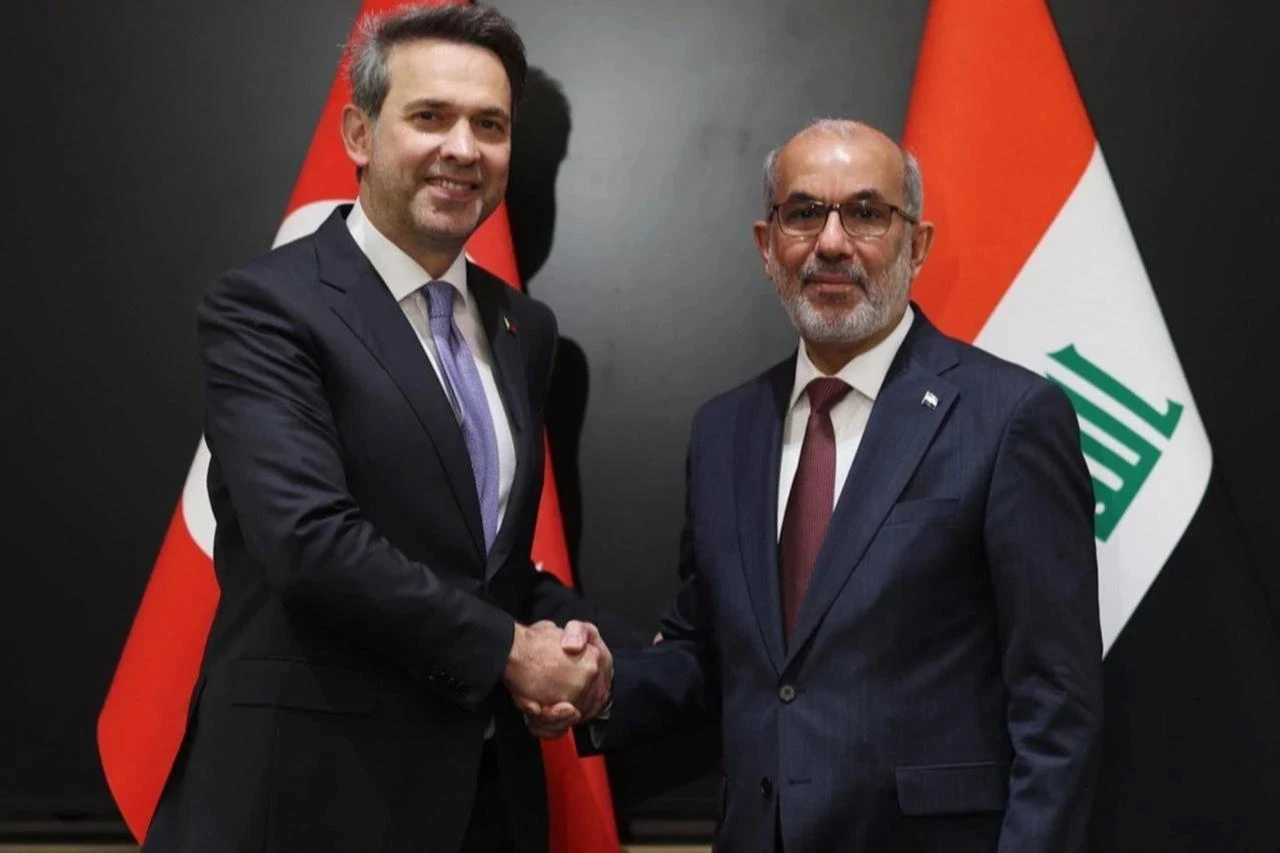
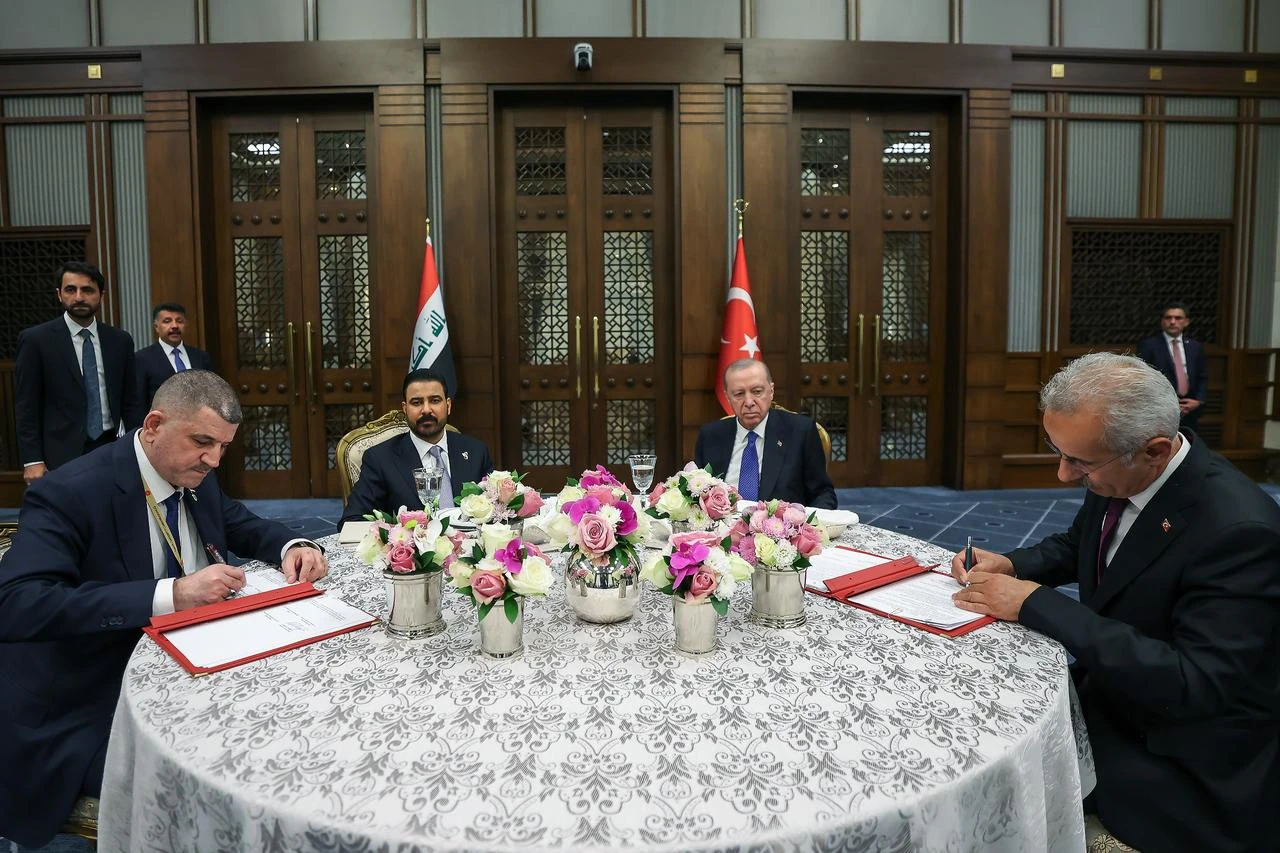
Bayraktar also detailed a July 1 agreement with Iraq expanding use of the crude oil pipeline linking the two countries, which he said would generate about $500 million, or nearly 25 billion Turkish lira, in annual transit revenue for Türkiye.
Under the deal, Iraq committed to a capacity of 750,000 barrels per day through the pipeline, which runs from Silopi to Ceyhan and has a total capacity of 1.5 million barrels daily.
Bayraktar said Türkiye and Iraq are discussing raising the pipeline's capacity to 2.5 million barrels a day, including through a proposed extension from Kirkuk to Basra to incorporate crude from southern Iraq.
He said that if the pipeline reaches that capacity, the associated economic value could reach $65 billion to $70 billion annually. Combined with a planned project to move Qatari gas to Türkiye and Europe via Iraq's "Development Road" corridor, he said the total annual value of oil and gas flows could reach $80 billion, or roughly $2 trillion over 25 years.
Bayraktar said Türkiye's underground storage facilities at Silivri and Salt Lake are entering the winter at full capacity, compared with European storage levels he put at about 57%. He said Türkiye's domestic oil production target is set to nearly double, to 600,000 barrels per day by 2028, from about 83,200 barrels daily currently produced at the Gabar field in Sirnak province.


 Set as preferred source
 Set as preferred source


 1 min read