Newsletters


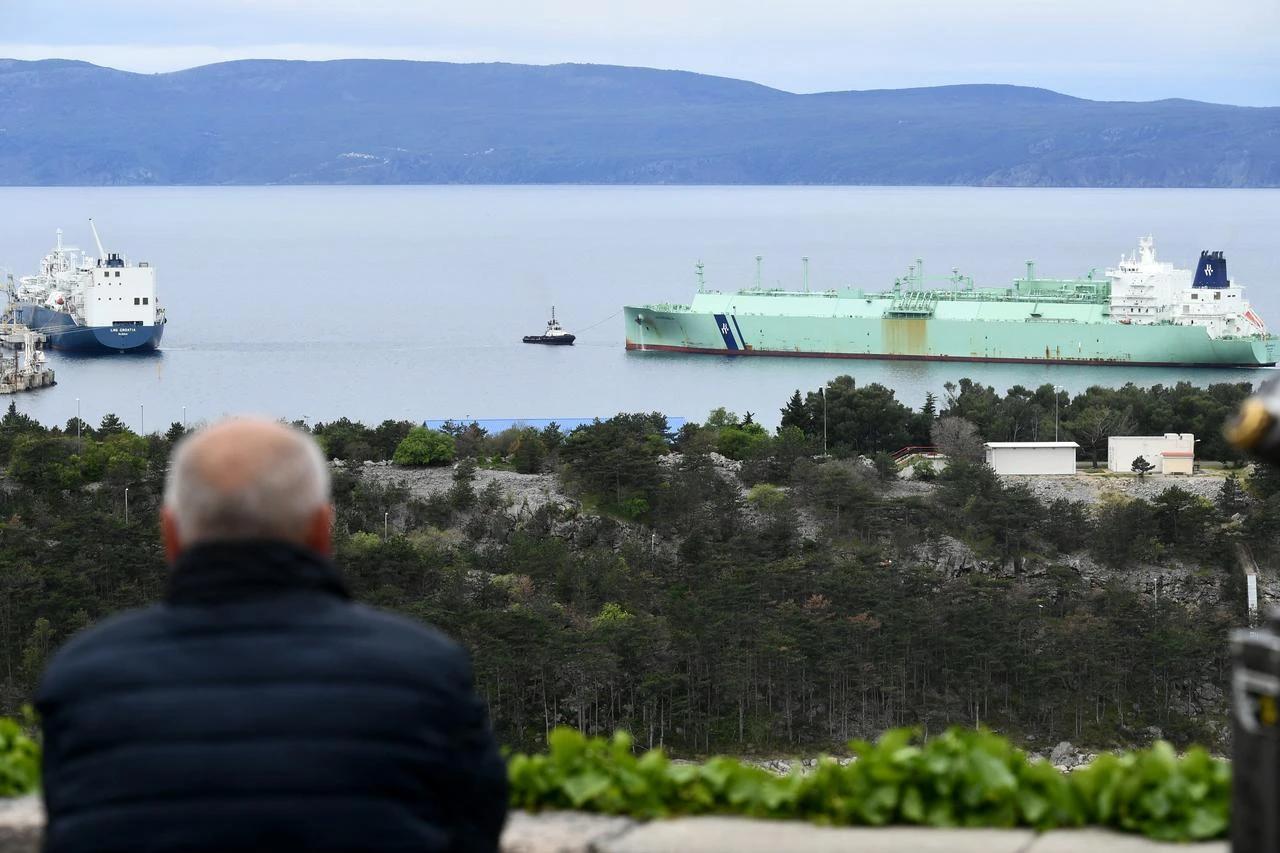


As Europe moves away from Russian energy, the United States is fast emerging as its largest gas supplier, with experts saying Croatia's Adriatic gas terminal could offer a pathway deeper into the continent.
Since Russia invaded Ukraine in 2022, gas supplies from the east have become increasingly weaponized, accelerating Brussels' plans to reduce its reliance on Moscow.
Russia still supplies about 12% of the European Union's gas imports, according to the European Council, but the bloc plans to ban them completely by the end of 2027.
To meet that deadline, the EU has spent billions of euros on infrastructure to handle larger volumes of liquefied natural gas (LNG), which is set to make the bloc the world's largest importer.
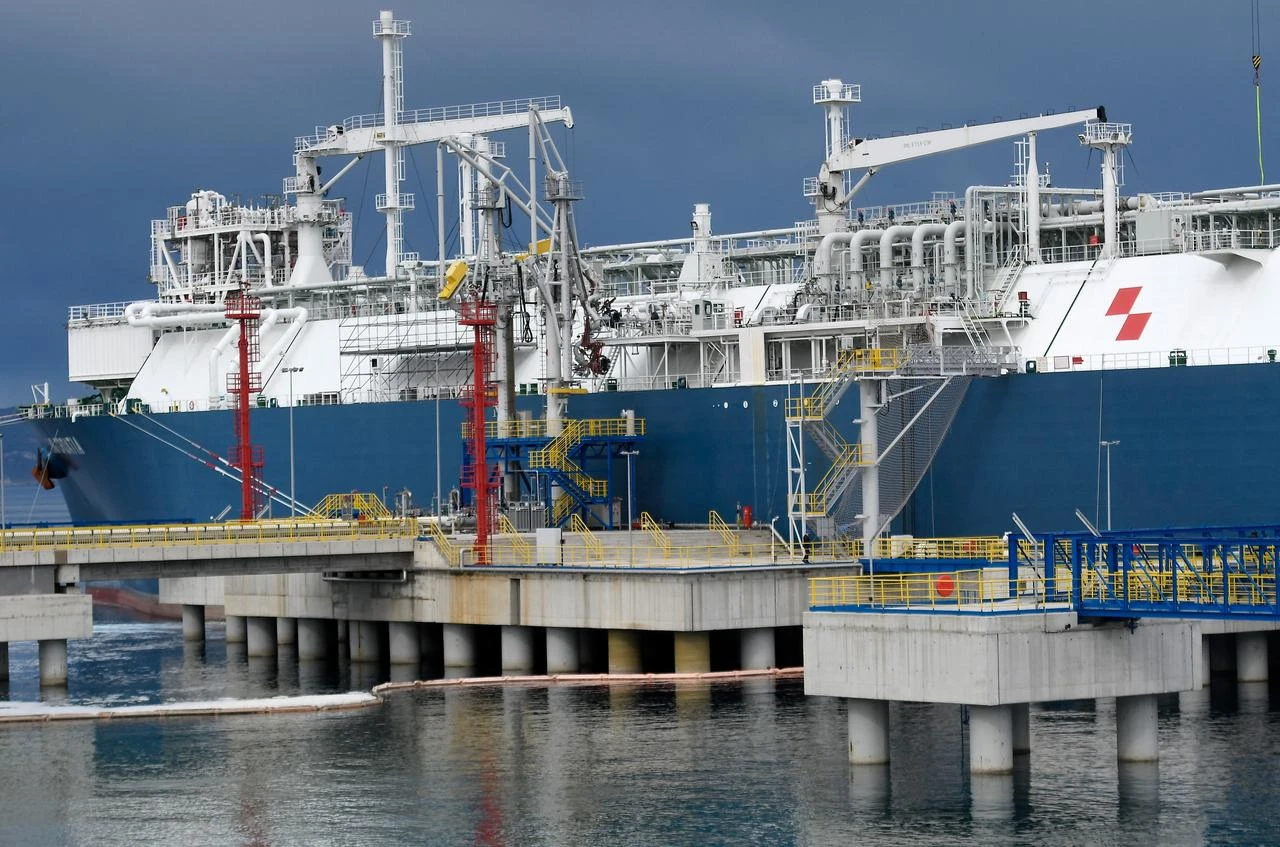

One of the key sites is Croatia's floating LNG terminal off the island of Krk, which, after a recent upgrade, can now handle nearly 6.1 billion cubic meters of gas, or around 2% of the EU's annual gas consumption.
Connecting pipelines link the terminal to Hungary, allowing U.S. gas to flow into Central Europe.
Energy analyst Ivan Brodic said the terminal's future could be much larger as the United States, already its biggest supplier, seeks to push Russia out of the regional energy market completely.
The United States is already the EU's largest source of LNG and is forecast to overtake Norway as the bloc's largest natural gas supplier in 2026, according to the Institute for Energy Economics and Financial Analysis (IEEFA).
"Americans do not want Russian capital in the energy sector in this region anymore," Brodic told Agence France-Presse (AFP).
"That is why they are pushing for the gas interconnection between Bosnia and Croatia," he said.
The U.S.-backed pipeline between the two Balkan countries would link Bosnia to Krk and connect it to Europe's gas network.
Some analysis suggests the route could even offer the cheapest gas for postwar Ukraine.
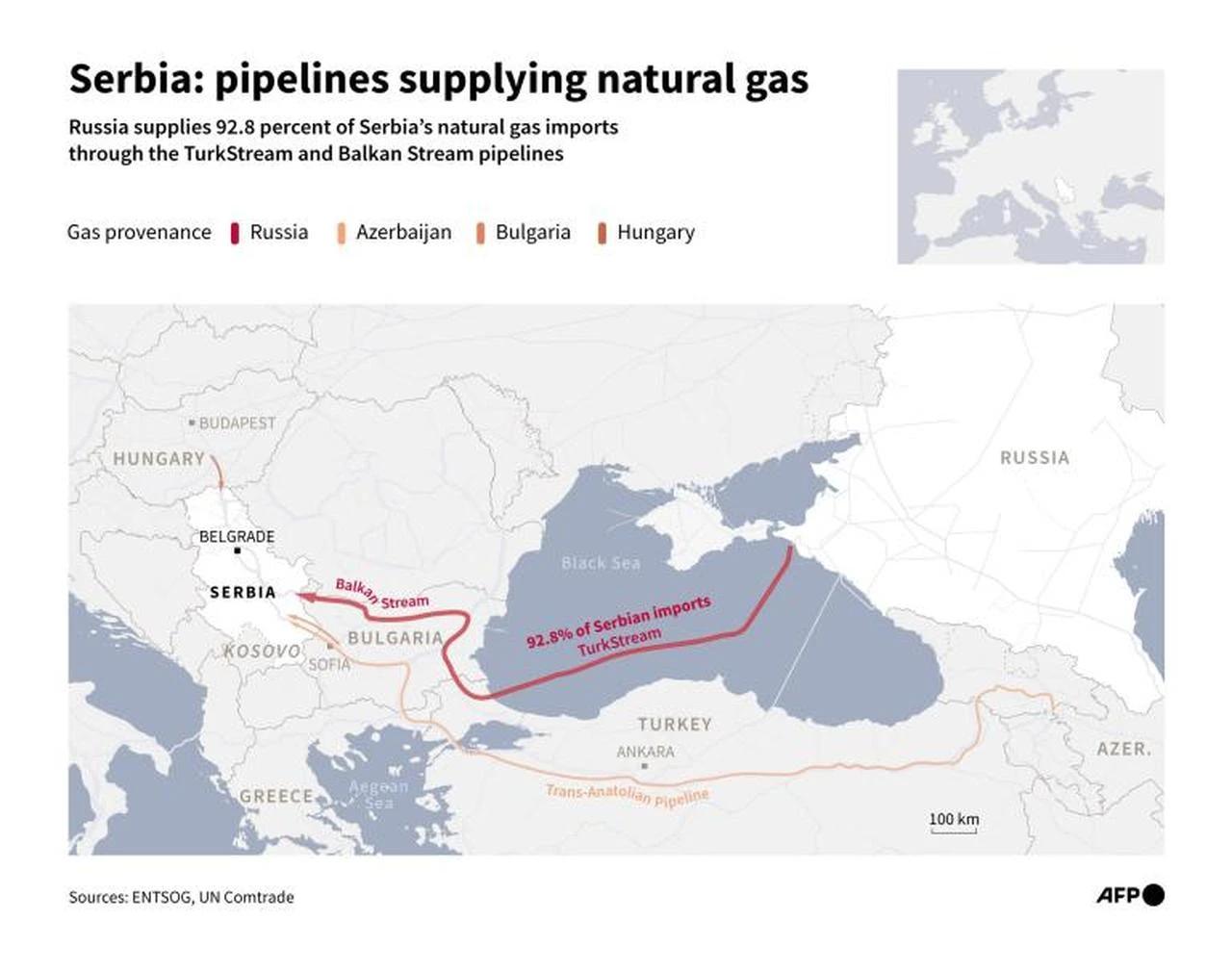
Earlier this year, U.S. Energy Secretary Chris Wright used a summit to promote the Trump Peace Pipelines Framework, a plan to expand energy infrastructure across Central and Eastern Europe.
The U.S. plan could turn Croatia into a major transit point for fuel imports, including oil, beyond the Balkans and into other parts of Europe.
Alongside its LNG facility, Croatia also has oil pipelines connecting it to Bosnia, Hungary, Slovenia and Serbia, with the capacity to pump nearly half a million barrels of crude per day.
"Energy dependence on Russia remains a strategic vulnerability in the region," a State Department report submitted to Congress in May said.
"Diversifying energy supplies, including with abundant U.S. sources, enhances regional stability and prosperity," the report said.
For the EU and Croatia, the Krk terminal has already proven its value, with its supply fully booked until 2036, according to LNG Croatia Managing Director Ivan Fugas.
"It was not only important for Croatia, but definitely also for the EU as it got an additional natural gas entry point," Fugas said.
The terminal, which has operated since 2021, was strongly supported by the United States, while Brussels funded nearly half of its cost of more than 230 million euros.
The terminal's success has also attracted attention in Kyiv.
Ukraine's underground storage operator, Ukrtransgaz, presented an analysis earlier this year showing that Croatia's LNG terminal could provide the cheapest route to supply the country.
Ukraine has one of Europe's largest underground gas storage networks, much of it dating back to the Soviet era. That capacity could help store large amounts of imported gas that could then be sent elsewhere in Europe.
Ukrainian President Volodymyr Zelenskyy and Croatian Prime Minister Andrej Plenkovic met earlier this year to discuss energy supply and storage, but no official announcements have been made.
With major investments, the route could become shorter and cheaper for Ukraine than existing options through Greece or Poland.
"But that does not mean anything if Croatia does not have the capacity," Fugas said, pointing to the need for pipeline upgrades to meet any new demand.


 Set as preferred source
 Set as preferred source


 1 min read


 1 min read