Newsletters




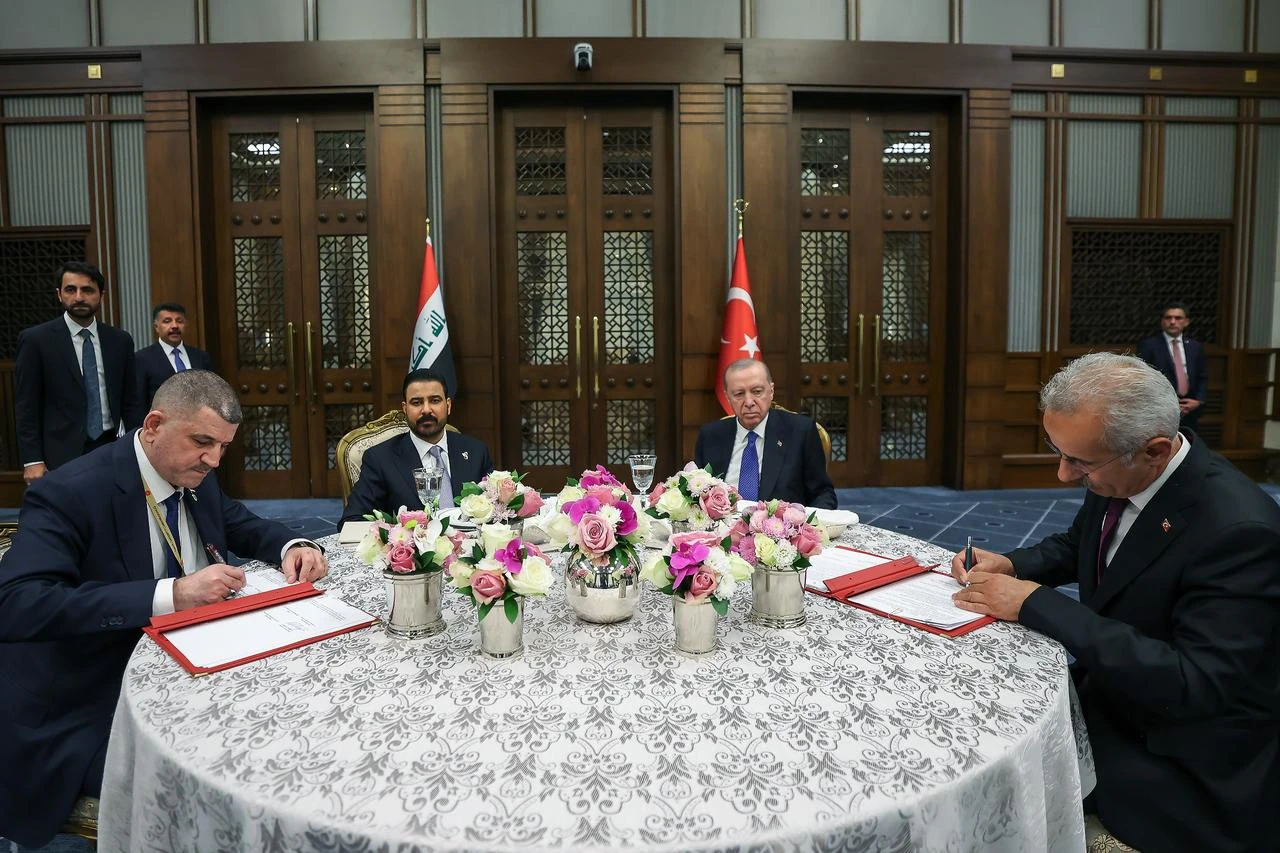
Türkiye is poised to meet the natural gas needs of 17 million households from its own fields by 2028, Energy and Natural Resources Minister Alparslan Bayraktar said in an interview with TRT Haber, as Ankara pursues an accelerating push to cut energy import dependency through a combination of domestic production milestones and a sweeping set of new agreements with Iraq.
Bayraktar said the Black Sea's Sakarya Gas Field, from which gas first reached consumers in August 2023, currently supplies the natural gas needs of 4 million households.
A second phase, scheduled for completion by the end of 2026, will double daily output to 20 million cubic meters, enough to cover 8 million homes. A third phase, expected by 2028, would bring the total to 40-45 million cubic meters per day, reaching the 16-17 million household threshold.
Central to that timeline is the Osman Gazi Floating Production Platform, which Bayraktar said is expected to depart from Filyos port around the end of September and be anchored at the Sakarya field, where it will undergo final commissioning and gas flare testing before production begins.
At the Gabar oil field in southeastern Türkiye, daily output has reached 83,200 barrels, setting a new record. Bayraktar framed Gabar's growth as inseparable from the security normalization underway in the region, noting that the Sirnak-area mountains once associated with armed conflict now host thousands of workers and generate significant economic activity.

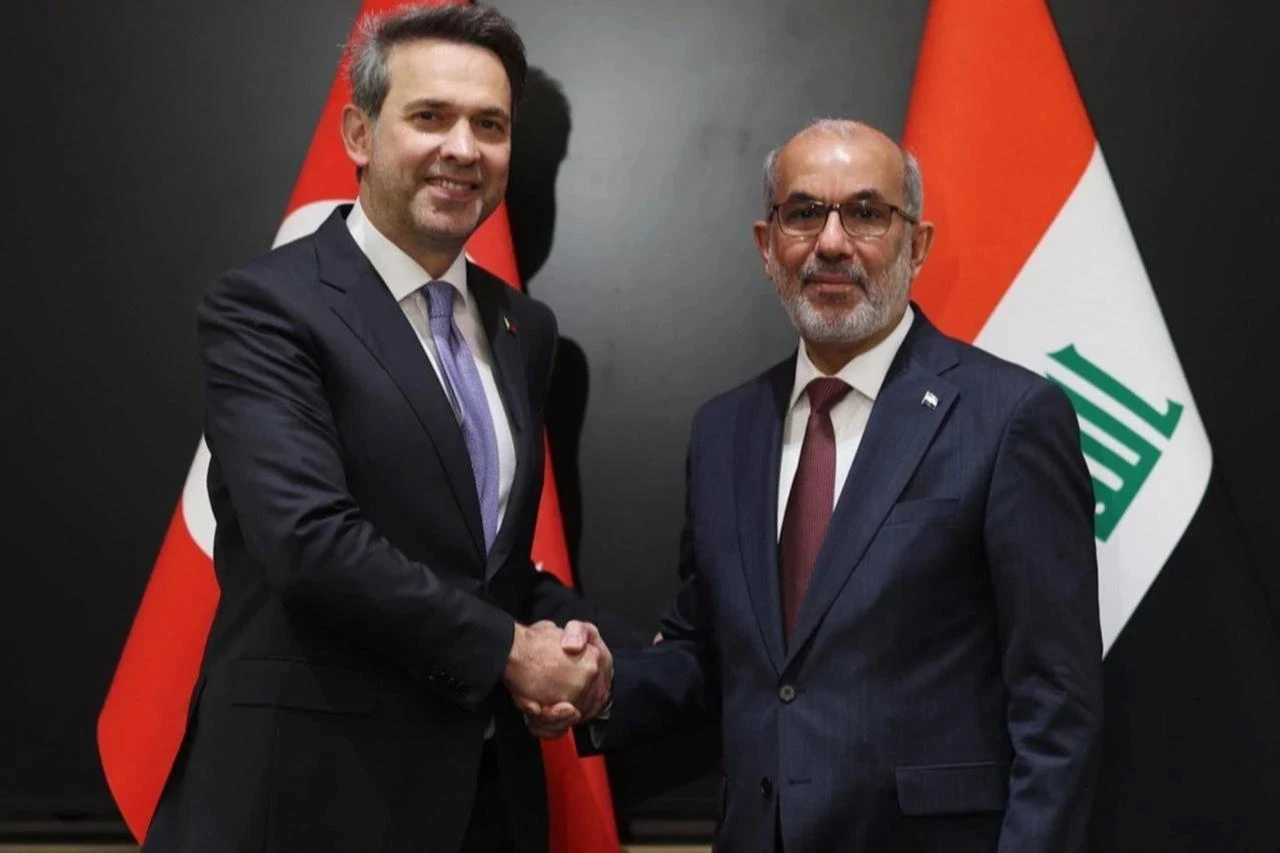
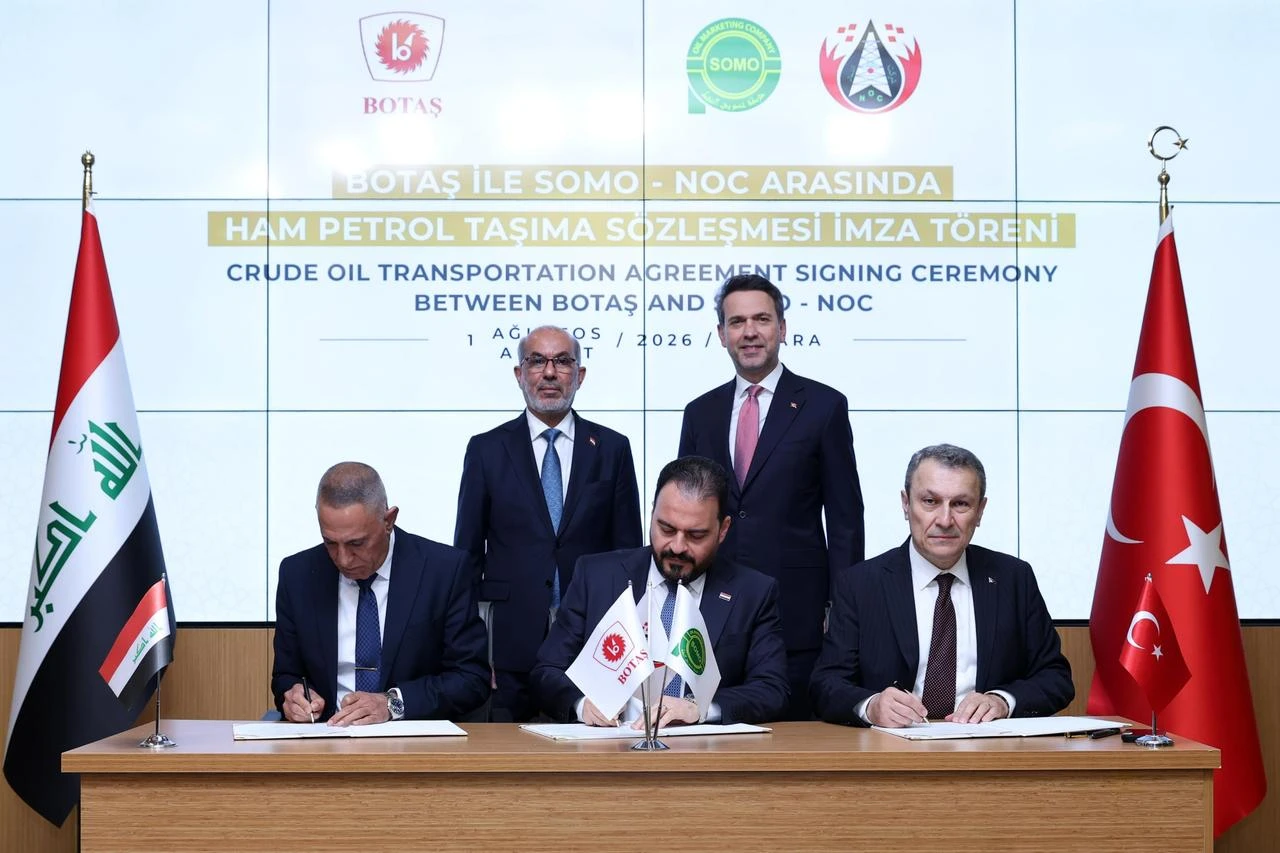
The minister described July as a defining month in Türkiye-Iraq relations, driven by a series of agreements he said had been in preparation for roughly two and a half years.
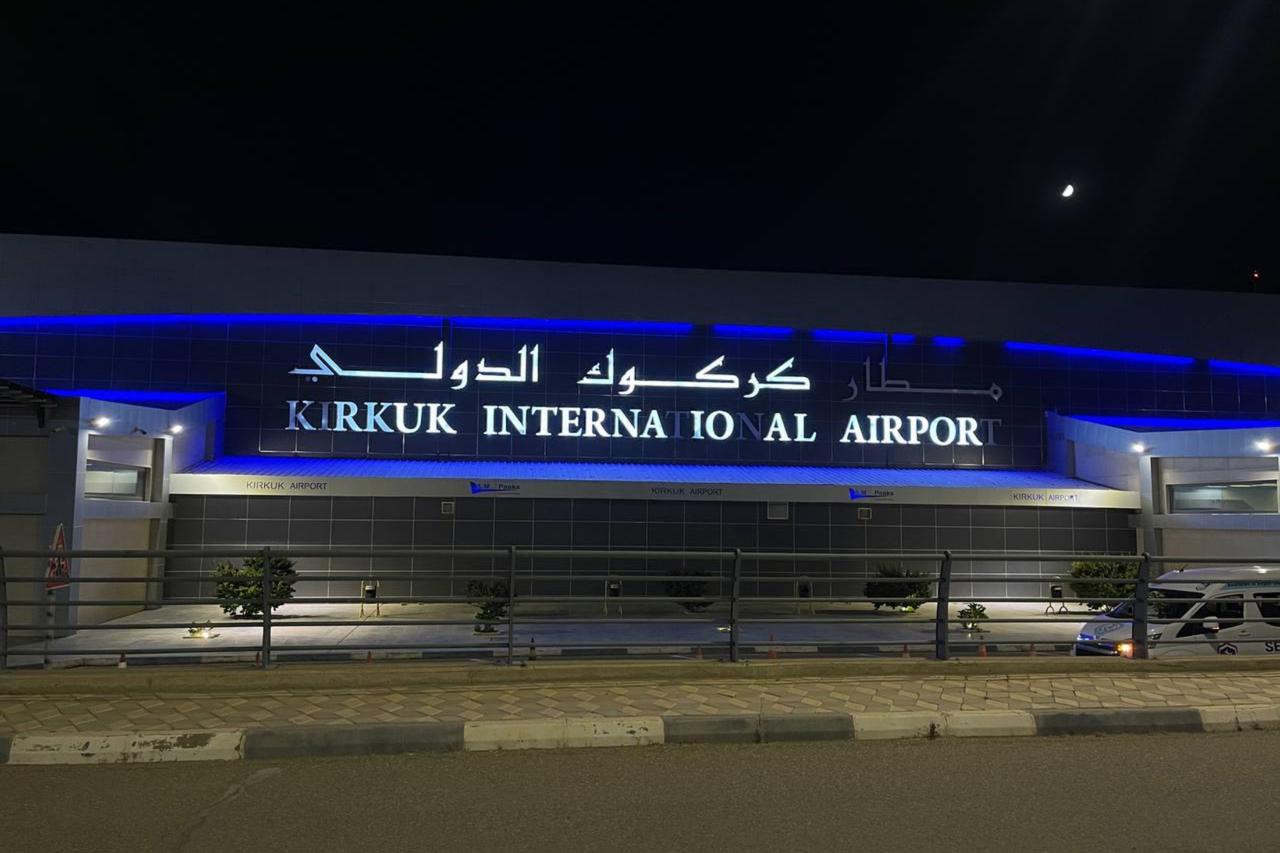
At the center is a deal granting Turkish Petroleum a stake in the Kirkuk oil fields alongside American and British partners. Bayraktar put the field's estimated reserves at approximately 3 billion barrels, with a potential value he put at around $250 billion at current prices, and said daily output could eventually reach 1.2 million barrels.
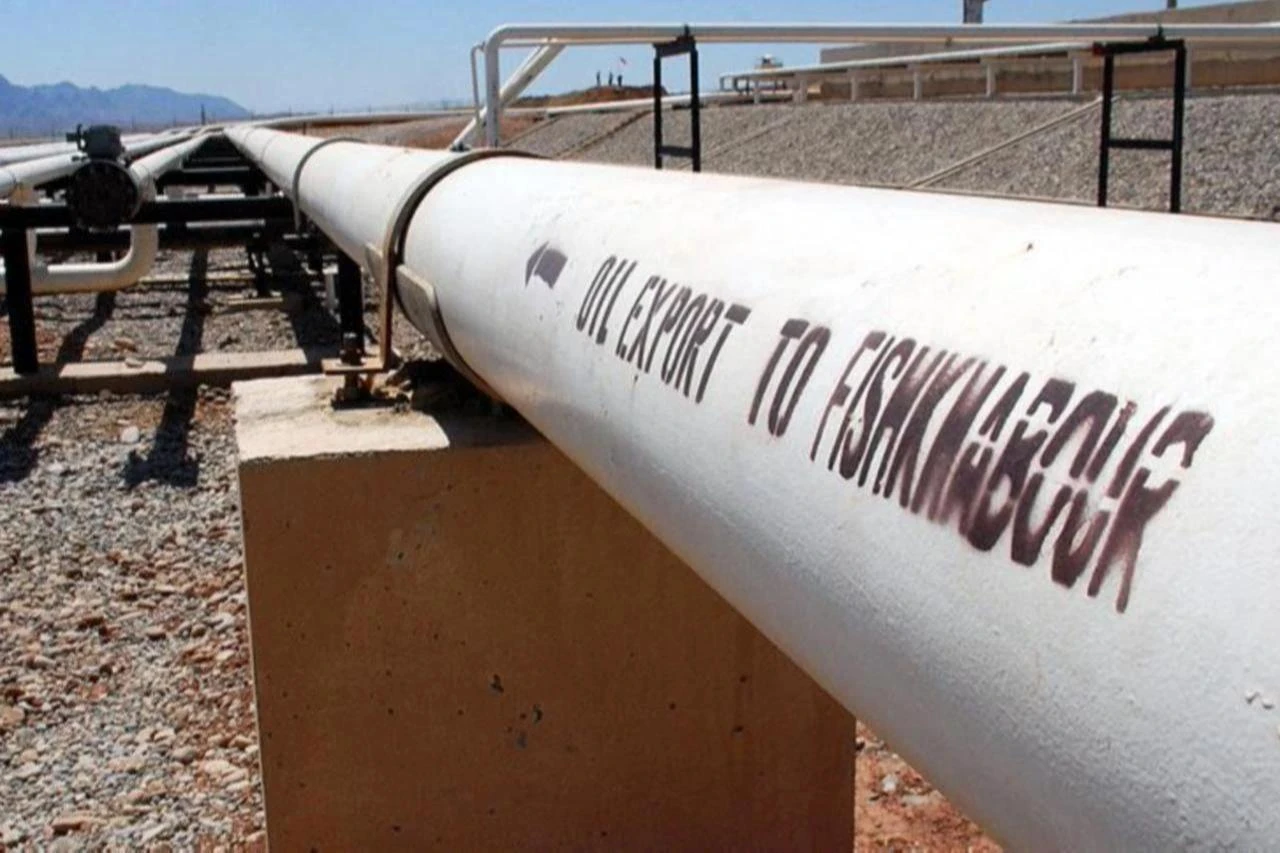
Under the current agreement, up to 750,000 barrels per day of Iraqi crude would flow through the existing Iraq-Türkiye pipeline to the Mediterranean port of Ceyhan, where it would be split between domestic refineries and export markets.
Bayraktar said that figure could ultimately be raised to 2-2.5 million barrels per day if the pipeline, which runs 650 kilometers between Silopi and Ceyhan and has a capacity of 1.5 million barrels per day, is extended southward to Basra.
The extension, he argued, would also allow Kuwait and other Gulf producers to route oil around the Strait of Hormuz, where he said around 20 million barrels per day currently transit amid active conflict risk.
In a separate development on the sidelines of bilateral summit talks, Iraq offered to supply Türkiye with the roughly 1 million barrels per day of crude oil it requires domestically, an offer Bayraktar said President Recep Tayyip Erdogan received positively.
"There is no need to buy oil from different places, our neighbor Iraq can supply this," Bayraktar quoted the president as saying.
Bayraktar also said discussions are underway on a parallel natural gas pipeline from the Gulf, which would eventually carry Qatari gas through Iraq and Türkiye to Europe.
Trade between the two countries, currently at $17 billion annually, could double to $30-35 billion within a short period if the full range of projects is realized, he added.
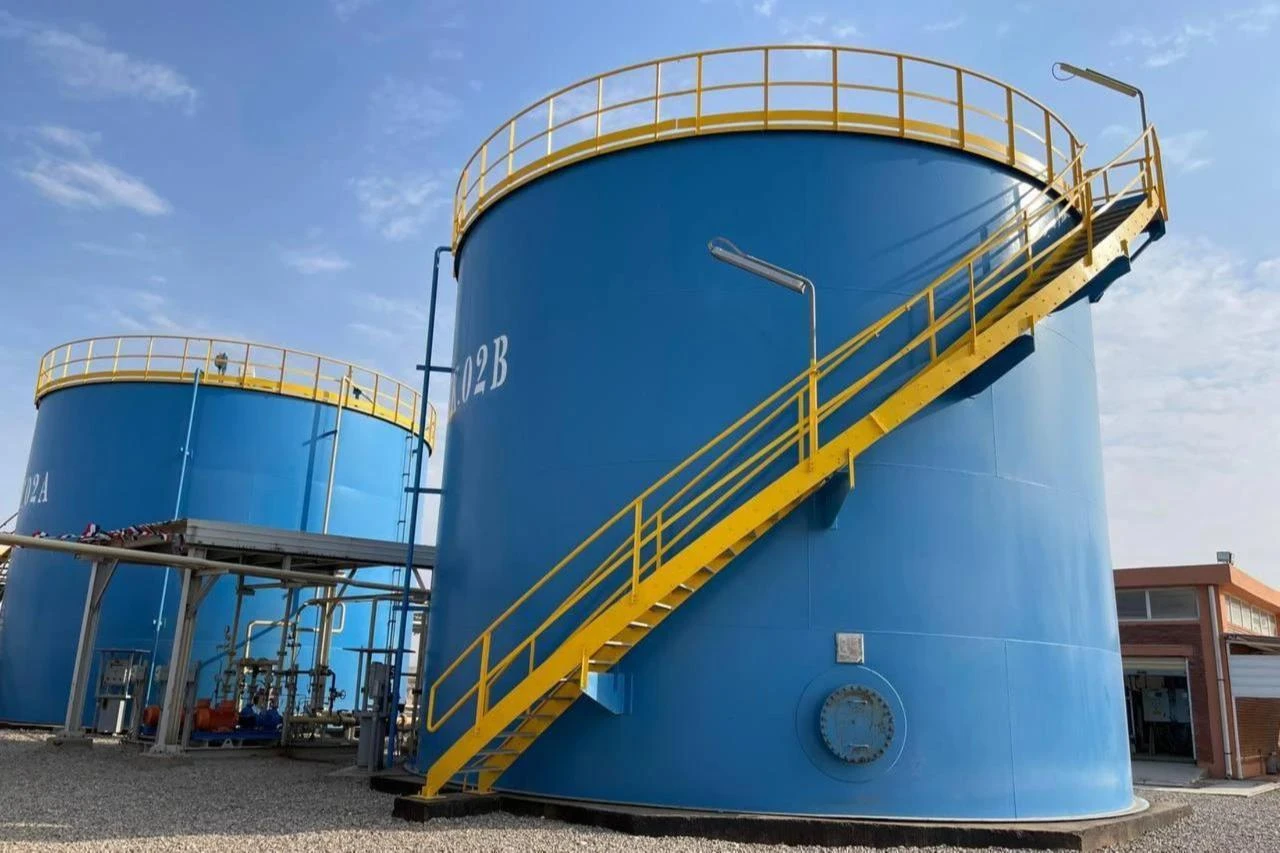
Bayraktar said Türkiye's state energy company, Turkish Petroleum, is now operating across multiple continents as part of a strategy launched under the 2016 National Energy and Mining Policy.
The drillship Cagri is currently conducting Türkiye's first deep-water solo operation off the coast of Somalia, in water depths of approximately 3,450 meters, with the drill now some 500-600 meters below the seabed and a total target depth of around 7,000 meters. Results are expected in the coming weeks.
In Bulgaria, Türkiye has acquired a 33 percent stake in an offshore Black Sea block where it will conduct gas exploration alongside Shell. Bayraktar also cited active work in Libya, where Turkish Petroleum holds stakes in two blocks, and signaled upcoming announcements from Guinea-Bissau, Angola, Liberia, Kazakhstan, Azerbaijan, Pakistan, and Bangladesh.
He noted that cooperation agreements signed earlier in the year with ExxonMobil, Chevron, BP, Shell, and TotalEnergies are now converting into commercial projects, with the BP partnership materializing as the Kirkuk deal.
On supply security amid the Hormuz crisis, Bayraktar said Türkiye's natural gas storage facilities are currently full at 6.3-6.5 billion cubic meters, enough to cover 45 days of winter demand at peak consumption.
He said the government aims to double storage capacity to 12-13 billion cubic meters.
He added that no supply disruption has occurred as a result of ongoing regional conflicts, and that diversification across source countries, transit routes, and LNG contracts with the United States, Algeria, and Nigeria has underpinned that resilience.
On nuclear power, Bayraktar said the Akkuyu plant's first reactor, which is in the testing phase at roughly 15-20 percent completion, is on track for a trial power generation run by the end of the year, with safety protocols taking precedence over speed.
He said that for the Sinop and Trakya plants, negotiations have accelerated with Canada and South Korea, and that he hopes to sign a deal within months, pending resolution of the financing structure, which he compared in scale to the Akkuyu project's roughly $30 billion in foreign investment.
On offshore wind, Bayraktar said a tender for Türkiye's first offshore wind capacity, under the government's renewable energy auction mechanism, is targeted for the first quarter of 2027, with the formal announcement expected in September or October.
On the sidelines, he noted that Türkiye is developing plans to supply Northern Cyprus with natural gas via an undersea pipeline, and potentially electricity via a transmission link, with the aim of converting the island's power plants from liquid fuels to gas and eventually enabling full electrification of its vehicle fleet.


 Set as preferred source
 Set as preferred source


 1 min read
 1 min read