Newsletters


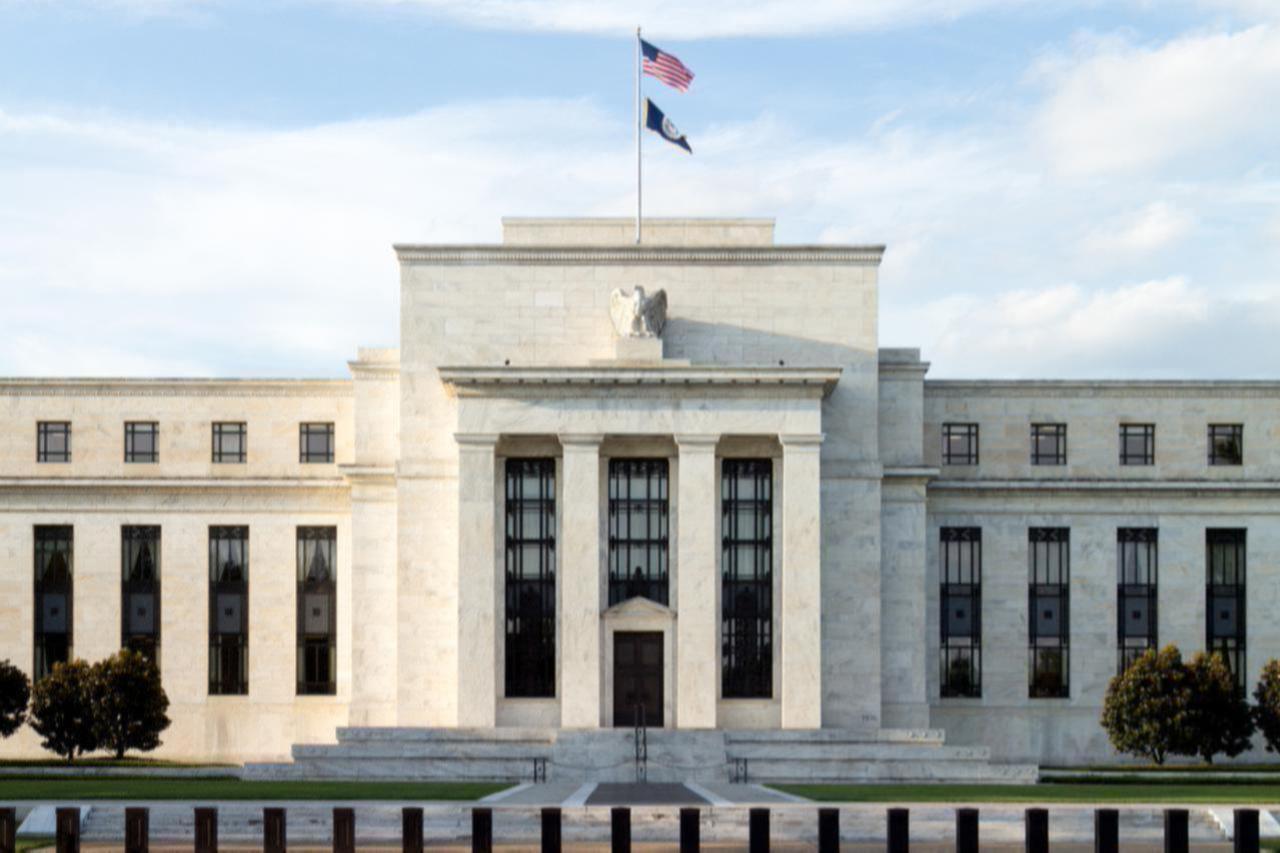


The US Federal Reserve reduced interest rates by a quarter percentage point on Wednesday in its third consecutive cut this year, but the decision exposed the deepest split among policymakers in 2025 as the central bank navigates conflicting economic signals.
The rate cut brings the federal funds rate to a range between 3.50 percent and 3.75 percent, marking the final monetary policy decision of the year. However, the path forward remains uncertain as officials grapple with persistent inflation concerns, labor market weakness, and the economic impact of President Donald Trump's tariff policies.

The decision revealed significant fractures within the Federal Open Market Committee, with three members breaking ranks in the most dissent seen this year. Governor Stephen Miran voted against the quarter-point reduction, advocating instead for a larger rate cut. Meanwhile, Austan Goolsbee and Jeffrey Schmid opposed any reduction, preferring to maintain rates at current levels.
The unusual three-way split underscores the challenge facing Fed Chair Jerome Powell as policymakers weigh competing priorities. Some members remain focused on bringing down borrowing costs to support the labor market, while others express caution about cutting rates too aggressively while inflation stays elevated.
Economic projections released Wednesday indicate the Federal Reserve has penciled in just one additional rate cut for next year, according to the central bank's closely watched "dot plot" forecast. The projection reflects a more cautious stance as officials balance the need to support economic growth against ongoing inflationary pressures.
The Federal Reserve's quarterly projections have consistently shown division throughout 2025, with some committee members emphasizing inflation risks while others have advocated for steeper cuts to provide relief to borrowers.


 Set as preferred source
 Set as preferred source


 1 min read
 1 min read