Newsletters


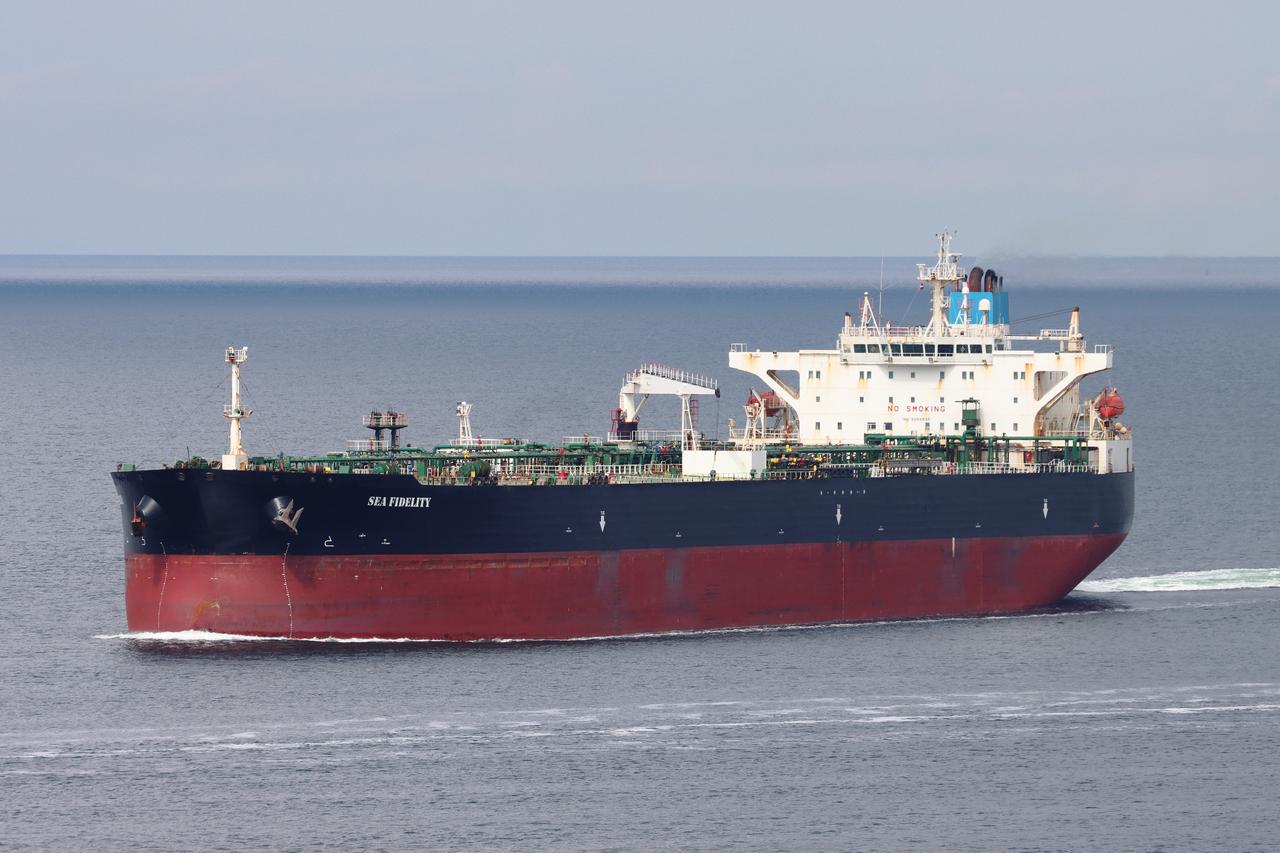


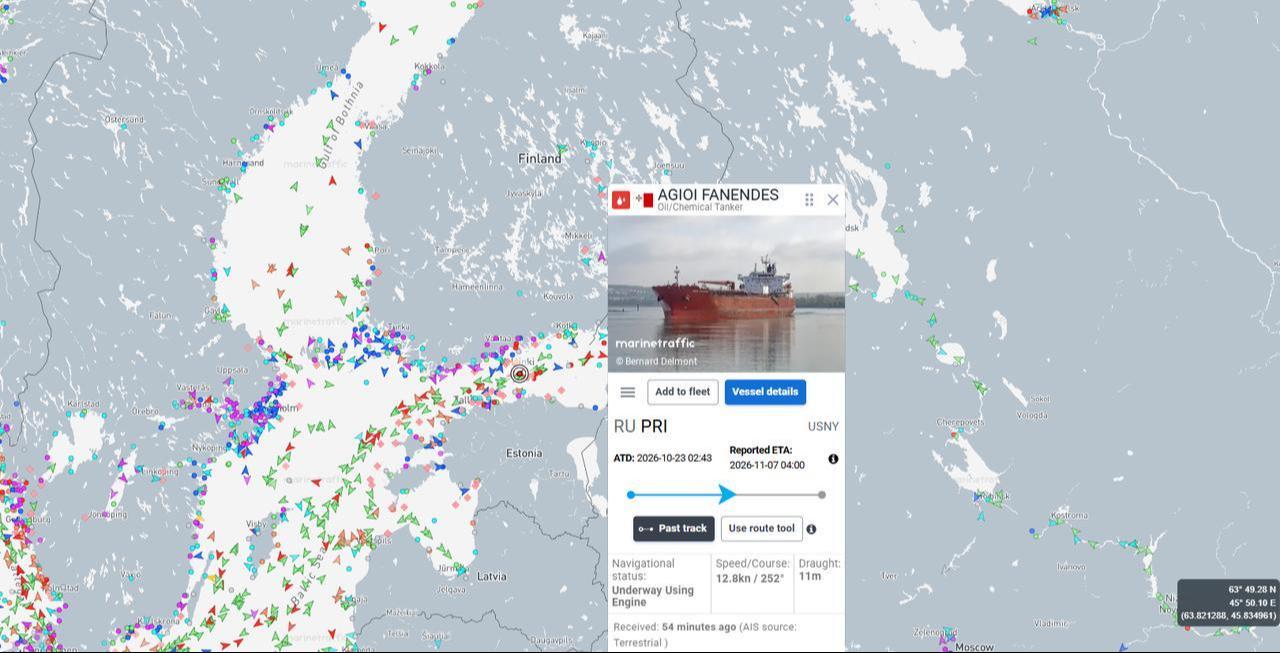
First tanker loaded with Russian diesel is heading for New York after Moscow agreed to resume fuel exports to global markets under an arrangement reached between Russian President Vladimir Putin and U.S. President Donald Trump, according to LSEG shipping data.
The medium-sized vessel Agioi Fanendes took on 40,000 metric tons of ultra-low sulfur diesel at Russia’s Baltic port of Primorsk on Oct. 22. It is expected to arrive in the United States on Nov. 7, Reuters reported.
The agreement reverses part of the restrictions that have kept Russian petroleum products out of Western markets since the war in Ukraine began in 2022.
On Oct. 9, Trump announced that Russia would immediately supply more than 300,000 metric tons of diesel, equivalent to 2.25 million barrels, followed by another 500,000 tons in November and 1 million tons "immediately thereafter."
The U.S. Treasury Department also issued a sanctions waiver allowing the sale, delivery and import of diesel fuel, including into the United States, through April 7, 2027.
Moscow subsequently began relaxing its self-imposed export restrictions, allowing shipments to resume despite earlier efforts to preserve domestic supplies.
Russian Deputy Prime Minister Alexander Novak has indicated that the country could restore monthly diesel exports to between 3 million tons and 3.5 million tons by the end of the year, approaching its usual export volume.
The deal has drawn criticism from Ukraine and some U.S. lawmakers, who argue that renewed purchases provide Moscow with revenue despite its ongoing war against Ukraine.

Russia has shifted much of its diesel trade toward markets outside Europe since the EU’s full embargo on Russian oil products took effect in February 2023. Türkiye, Brazil and several African countries have become important destinations for its fuel.
However, Ukrainian drone strikes on Russian refineries have repeatedly disrupted fuel production, forcing Moscow to limit exports to protect domestic supplies.
The attacks have compounded the impact of refinery maintenance and other operational disruptions, leaving Russia with less diesel available for overseas buyers.
The International Energy Agency (IEA) reported that Russian refinery processing fell to 3.8 million barrels per day in June, its lowest level in more than 20 years and around 30% below the year-earlier level.
Diesel production was estimated to have declined by nearly 30% compared with 2025, prompting the government to restrict fuel exports to preserve domestic supplies.
Russian diesel exports averaged around 345,000 barrels per day so far this year, down 41% from the previous year, according to shipping data cited by Reuters.
Before the restrictions, Russia was one of the world’s largest diesel exporters, with monthly shipments of diesel and gasoil substantially higher than recent levels.


 Set as preferred source
 Set as preferred source


 1 min read

 1 min read