Newsletters


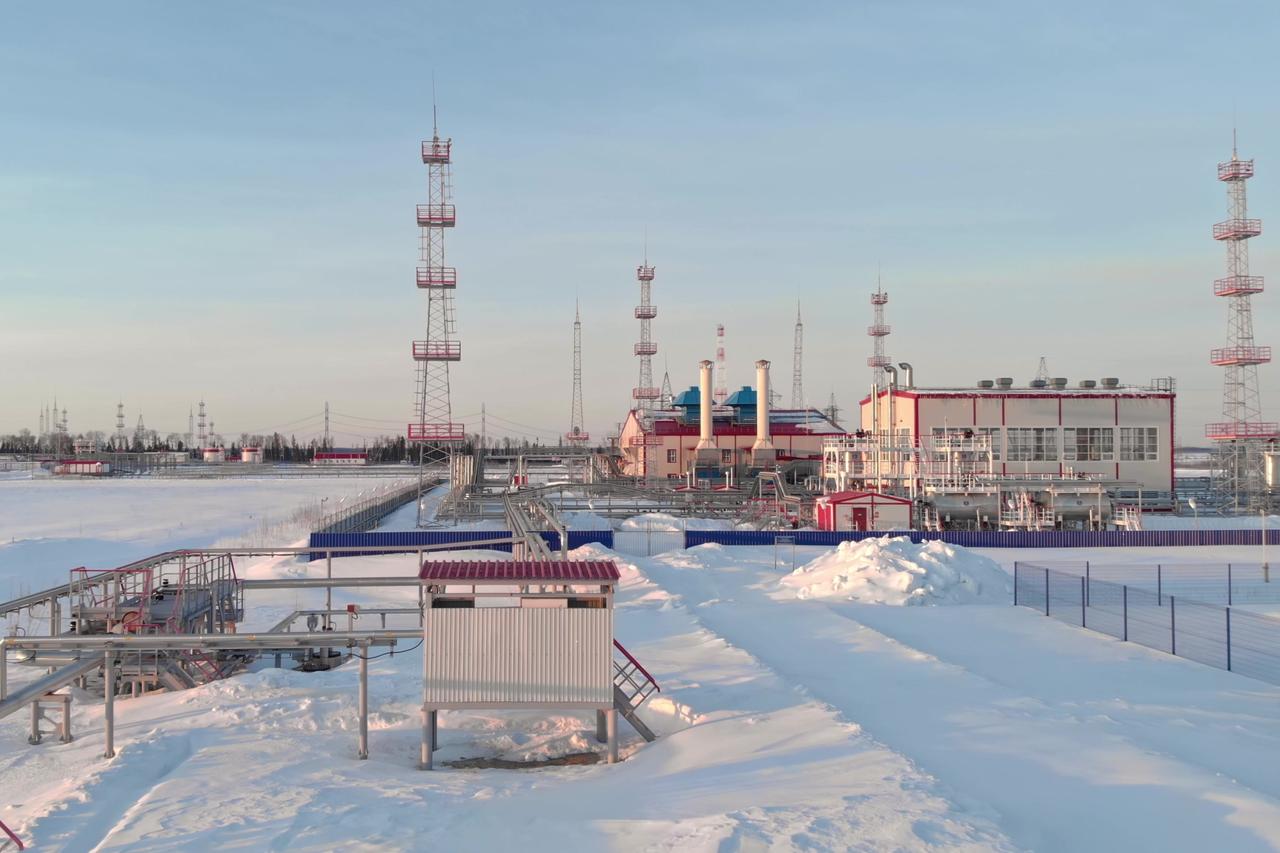


Türkiye will secure a share of the diesel Russia supplies to global markets under an agreement with the U.S., Energy and Natural Resources Minister Alparslan Bayraktar said, as Ankara seeks to protect energy supplies amid mounting global disruptions.
Speaking to local broadcaster Kanal 7 on Sunday, Bayraktar explained that Russia had restricted diesel exports in recent months before the agreement. Türkiye has since held talks to secure a share of the fuel, although the minister did not disclose volumes or delivery dates.
Türkiye imported 1.2 million tons of diesel in August, up 9% year over year, while domestic consumption rose 4.4% to 2.6 million tons, according to official figures. Russian diesel imports fell 73.4% to 245,862 tons from 922,818 tons a year earlier, reducing Russia’s share of imports to 21.1% from 72.4%.
The deal comes as Türkiye seeks to diversify its energy supplies amid mounting global disruptions, which Bayraktar described as "the biggest energy crisis of modern times." He cited disruptions to key shipping routes, rising transport and insurance costs, and attacks on energy infrastructure.
"Daily shipping costs of $25,000-$40,000 have now climbed to more than $1 million," Bayraktar said, pointing to the disruption around the Strait of Hormuz, through which around 20 million barrels of oil normally pass each day. "The Strait of Hormuz is almost out of the picture," he added.
Türkiye has limited exposure to the strait, with no dependence on it for natural gas and around 10% of its oil supply linked to the route. Bayraktar cautioned that the outlook remained uncertain amid multiple disruptions.
Despite rising global energy costs, Türkiye has no plans to raise electricity or natural gas prices in October or November. "We have no price change planned at the moment," Bayraktar said, adding that the government would continue monitoring market conditions and budget pressures.
Natural gas prices have risen from $400 to $1,000 this year, according to the minister. Türkiye's latest energy price adjustment, introduced in April 2026, was around 24%-25%, in line with the Central Bank's inflation expectations at the time.
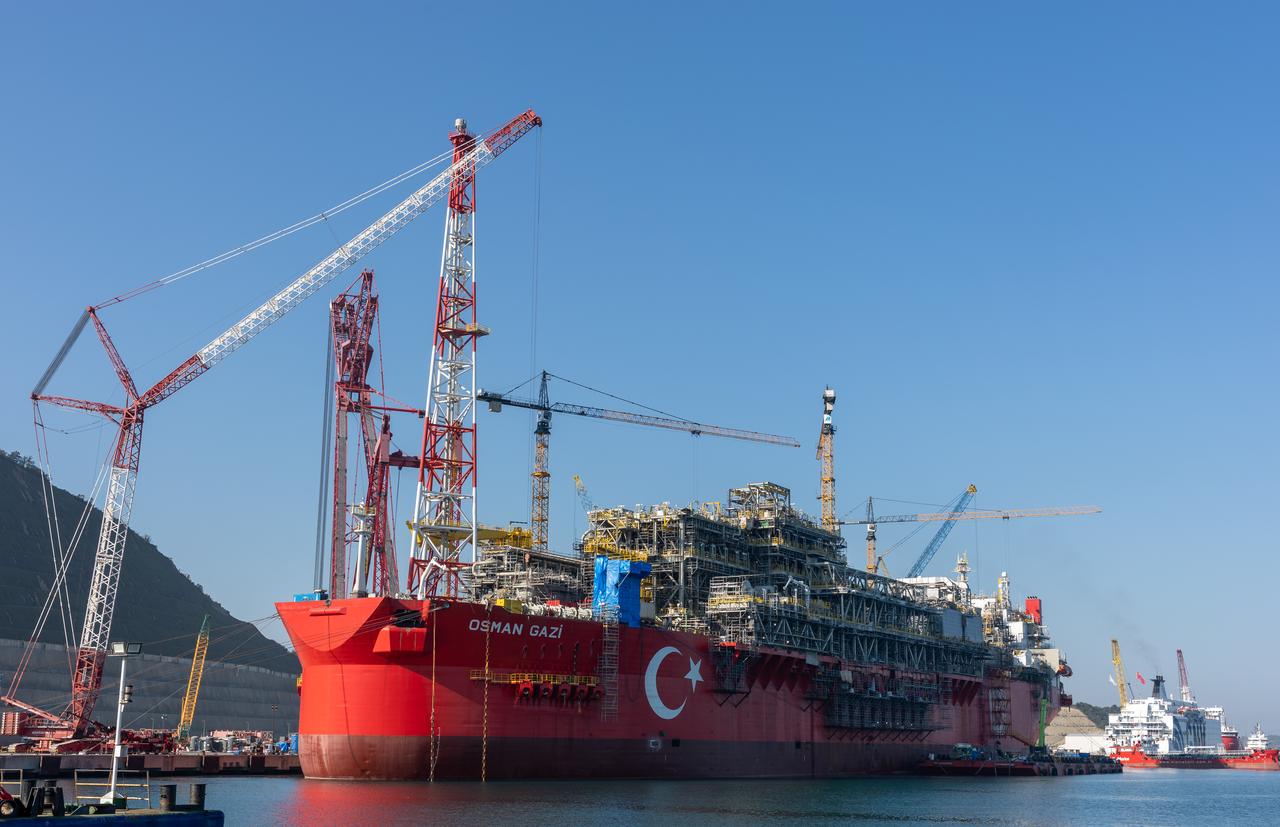

Türkiye plans to bring a second floating gas production platform to the Black Sea in the first quarter of 2028, adding 25 million cubic meters to daily output and lifting total production to 45 million cubic meters. That would be enough to supply three out of every four households.
"With 45 million cubic meters, we will be using our own gas in three out of four homes in Türkiye," Bayraktar said.
The first platform, Osman Gazi, was sent to the Black Sea on Saturday and is expected to raise daily output from the Sakarya gas field to 20 million cubic meters from 9.5 million. Bayraktar expects the project to generate $3.5 billion to $3.6 billion in annual gas production value from 2027, reducing import costs.
He said the savings would reduce reliance on foreign supplies, adding, "That means $3.5 billion a year will remain in our pockets."
Türkiye is also pursuing new oil discoveries. Drilling is underway at the Akcabeyli well in the western Black Sea, while authorities aim to raise daily production in Adiyaman to 14,000-15,000 barrels by year-end. A 24-well program targeting unconventional oil and gas in Batman and Diyarbakir is scheduled to continue through 2028.
Production at the Gabar field in Sirnak has reached 84,000 barrels per day, with further exploration targeting output above 100,000 barrels.
Türkiye also aims to load fuel and begin operating its first nuclear power plant, Akkuyu, before the end of the year, although extensive safety testing is still underway. "Our first priority is nuclear safety," Bayraktar said, emphasizing that the testing process would proceed without compromising safety standards.
The first reactor is expected to supply 3% of the country's electricity, rising to around 10% when all reactors are operational. Ankara is also negotiating with South Korea, Canada, China and Russia over additional nuclear projects in Sinop and Thrace.


 Set as preferred source
 Set as preferred source


 1 min read

 1 min read