Newsletters


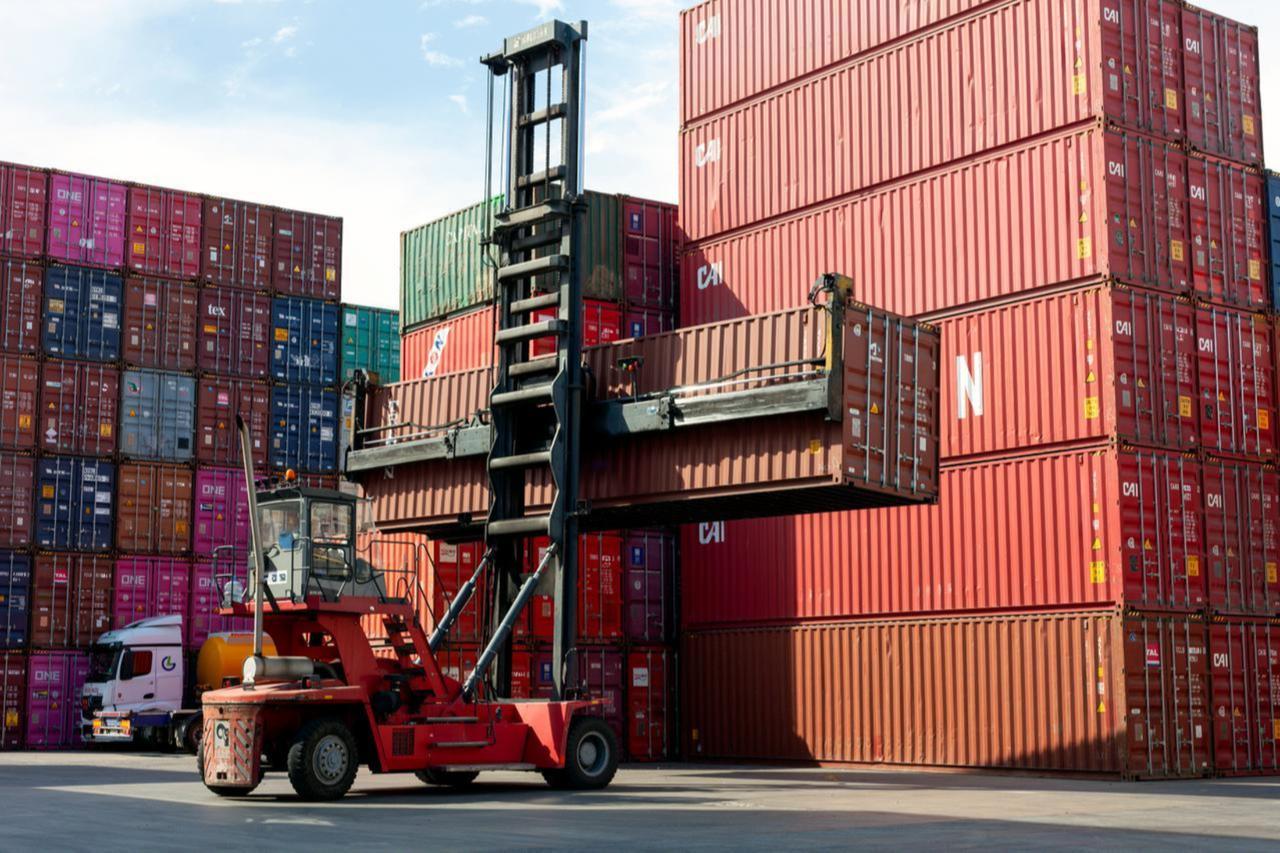


France supports modernizing the EU–Türkiye Customs Union if certain conditions set by the European Commission are met, while highlighting energy, innovation and mutual investment as key areas for stronger bilateral cooperation, French Minister Delegate for Foreign Trade and Investment Support Nicolas Forissier said ahead of talks in Ankara on Tuesday.
"The modernization of the Customs Union may help reduce trade barriers, ensure fair competition conditions for businesses and place bilateral trade on a stronger footing," Forissier said, signaling openness to advancing negotiations under the right framework.
However, he made clear that political and regulatory conditions remain decisive. "Since 2023, modernization has returned to the agenda, but it remains conditional on concrete progress in several areas defined by the European Commission," Forissier said. "This debate does not concern France alone. It involves all European Union member states."
The EU–Türkiye Customs Union, in force since 1995, eliminates tariffs and quotas on industrial goods and some processed agricultural products, while requiring Türkiye to align with the EU’s external tariff, but it does not cover services, agriculture, public procurement or digital trade.
The current dispute centers on modernizing the agreement, as Türkiye is not automatically included in EU free trade deals with third countries and seeks expanded coverage and fairer participation in trade decision-making.
Forissier underlined that the EU remains Türkiye’s largest trading partner and a central pillar of its industrial and economic integration. "The European Union, as Türkiye’s largest trading partner, is an extremely important actor for the Turkish economy and vice versa, due to tightly integrated industrial value chains," he told business-focused ekonomim.com.
He argued that the current agreement already covers industrial goods and some processed agricultural products, alongside separate preferential trade arrangements in coal, iron, steel and agriculture.
Forissier also addressed concerns that Europe’s emerging industrial policy framework could limit access for external partners such as Türkiye. "I want to say this clearly: the ‘Made in Europe’ approach does not aim to exclude our partners or close the European market," he said. Instead, he said the initiative is focused on strengthening Europe’s industrial capacity.
"The main objective is to ensure that public procurement and European funding effectively support actors established within the European Union and creating value here," he asserted.
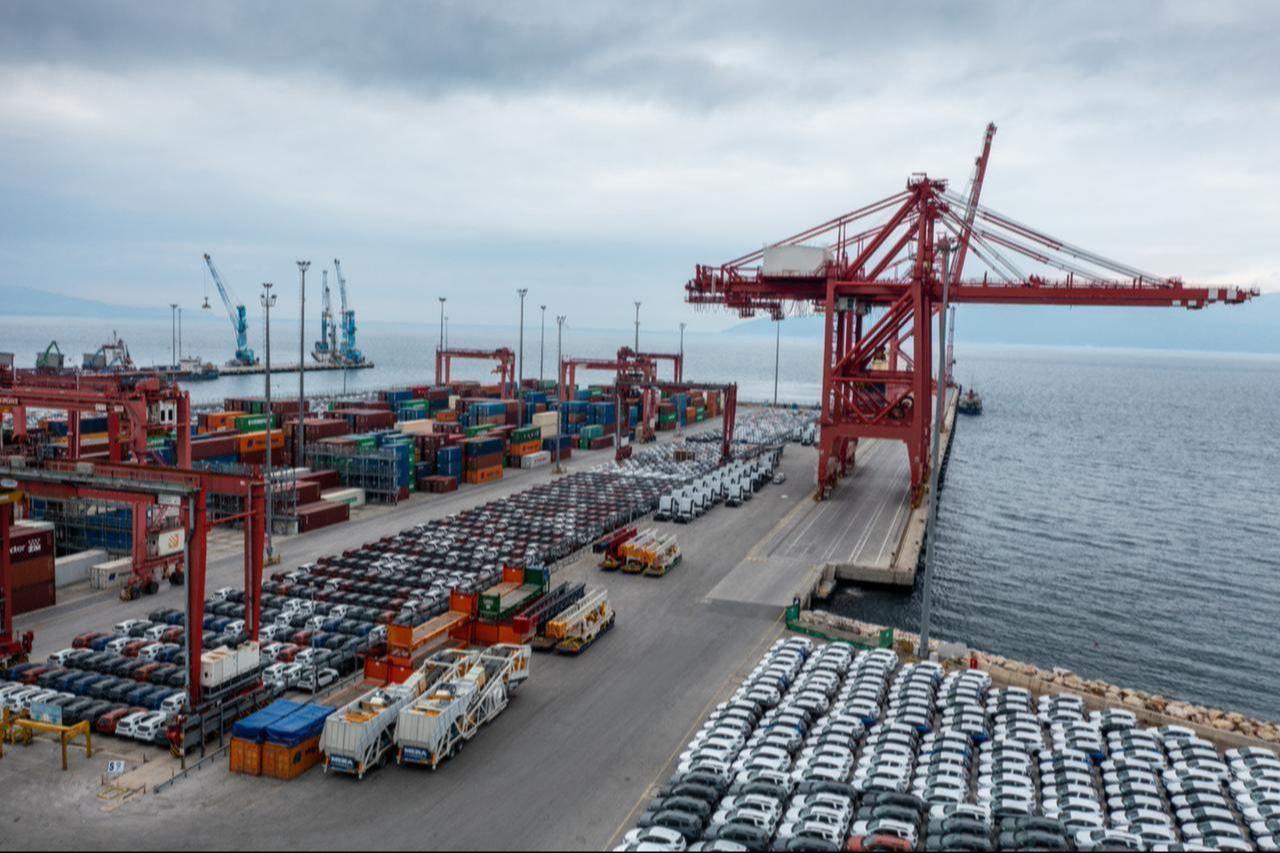

Forissier said energy cooperation between France and Türkiye has gained importance amid global geopolitical uncertainty and pointed to Türkiye’s renewable expansion as a key area of alignment, citing its current capacity and target to reach 120 gigawatts of wind and solar power by 2035.
He pointed to concrete joint projects already underway. "The joint venture between TotalEnergies and Ronesans Enerji aims to develop 2 gigawatts of new renewable capacity by 2028," he said.
Forissier added that industrial cooperation also extends to energy infrastructure. "Nexans produces cables in Türkiye that connect power plants to the grid," he said. "Complementarity between our two countries is particularly strong in energy efficiency and low-carbon technologies."
The minister said French companies have already established a substantial economic presence in Türkiye and plan further expansion. "French companies operating in Türkiye provide 185,000 direct jobs and contribute to nearly 400,000 jobs overall," he said. "Between 2020 and 2024, these companies invested or reinvested €3.6 billion in the Turkish economy,” he said. “They plan an additional €5 billion in investment or reinvestment over the next three years."
He underscored that French and Franco-Turkish companies account for approximately 1.6% of Türkiye’s GDP. "If there is one message I want to convey to Turkish companies, it is this: Come and invest in France," Forissier stressed.


 Set as preferred source
 Set as preferred source


 1 min read
 1 min read