Newsletters





Global index provider FTSE Russell left Türkiye’s Advanced Emerging Market status unchanged in its annual country classification review published Tuesday, while keeping the country off its watch list for possible classification changes.
The decision followed the postponement of some index changes concerning Türkiye in FTSE Russell’s September 2026 review and a market rout triggered by some investment funds failing to meet redemption requests in mid-September.
The index provider said it continued discussions with Türkiye's stock exchange, Borsa Istanbul, and the country's market regulator, the Capital Markets Board (CMB), over whether the level of detail in free-float share data could be improved.
Addressing long-standing concerns over market transparency and potential price abnormalities, the CMB had already introduced sweeping changes to its Investment Funds Guide on Aug. 28. The changes tightened rules for investment funds, while a Sept. 3 decision revised how free-float shares and ratios were calculated.
The regulator said the changes aimed to limit the ability of investment funds, particularly money market funds and equity hedge funds, to contribute to unusual price movements and systemic risks through related-party unsecured borrowing and other transactions, while strengthening transparency and investor protection.
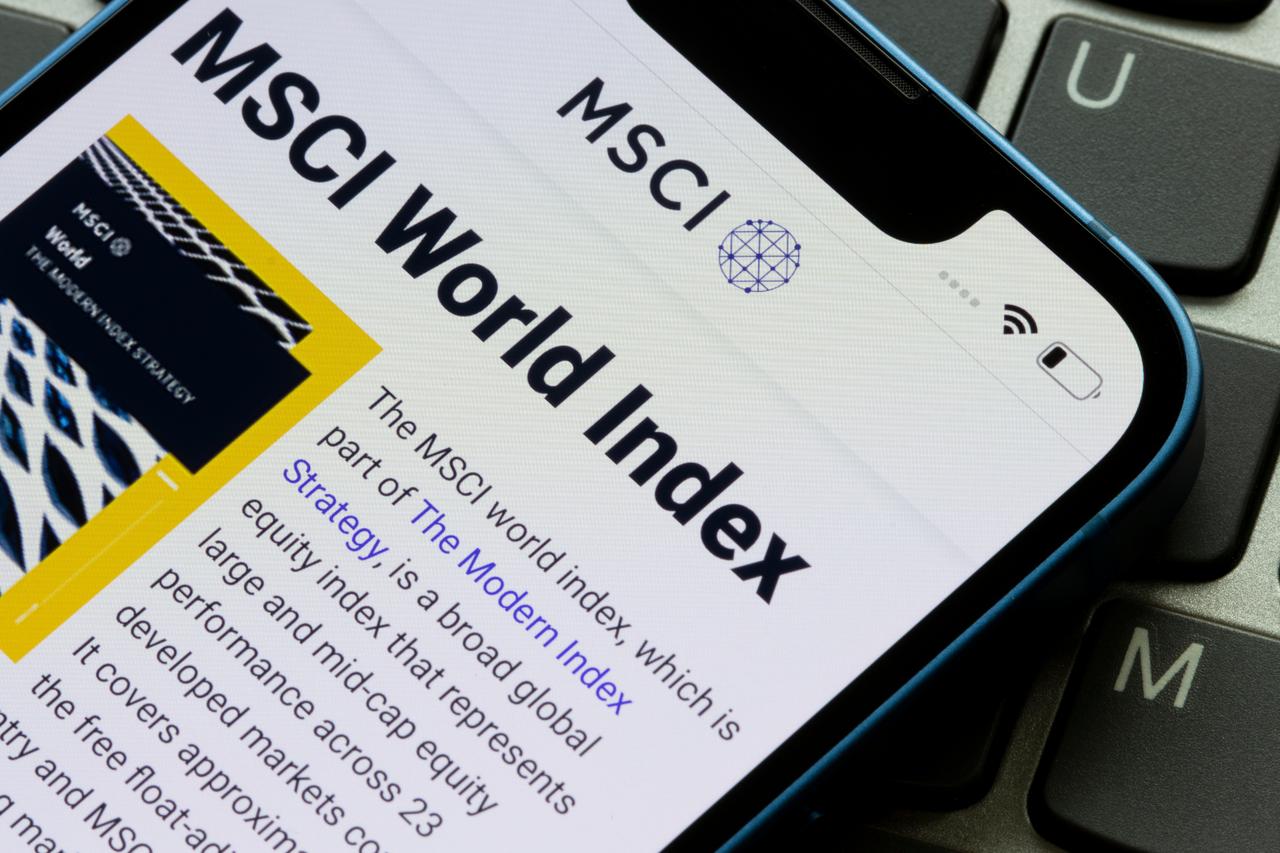
The decision also comes ahead of a November review by another major global index provider, MSCI. In June, MSCI warned that it could launch a consultation on the treatment of Türkiye and its eligible securities if it did not see sufficient tangible and credible progress on shareholder transparency and coordinated trading.


Meanwhile, Turkish authorities are continuing a broad market investigation that widened after the September market rout, which began as several portfolio management companies offering investors sharply higher returns through concentrated stock holdings came under heavy selling pressure and faced a liquidity crunch.
The CMB has ordered the liquidation of 131 investment funds run by seven portfolio companies, affecting 455,758 individual investors and more than $19 billion in assets at that time.
Prosecutors are looking into trading in 26 Borsa Istanbul-listed stocks over suspected market manipulation, while also tracing money transfers and links to individuals and accounts that recorded unusually large gains.
The probe has grown to 217 suspects. Of those, 85 have been arrested and 98 placed under judicial control. Among those arrested are Tera Yatirim Holding Chairman Emre Tezmen, Tera board members Emre Alkin and Kerem Alkin, Tera Portfoy General Manager Alper Ozturk and Pusula Holding Chairman Serdar Turhan.
Authorities are also looking into financial transactions involving executives and their relatives, including bank activity, money transfers and cryptocurrency movements abroad dating back to 2024. They have frozen assets belonging to dozens of suspects and seized luxury vehicles, private jets and yachts allegedly linked to people under investigation.


 Set as preferred source
 Set as preferred source


 1 min read
 1 min read