Newsletters


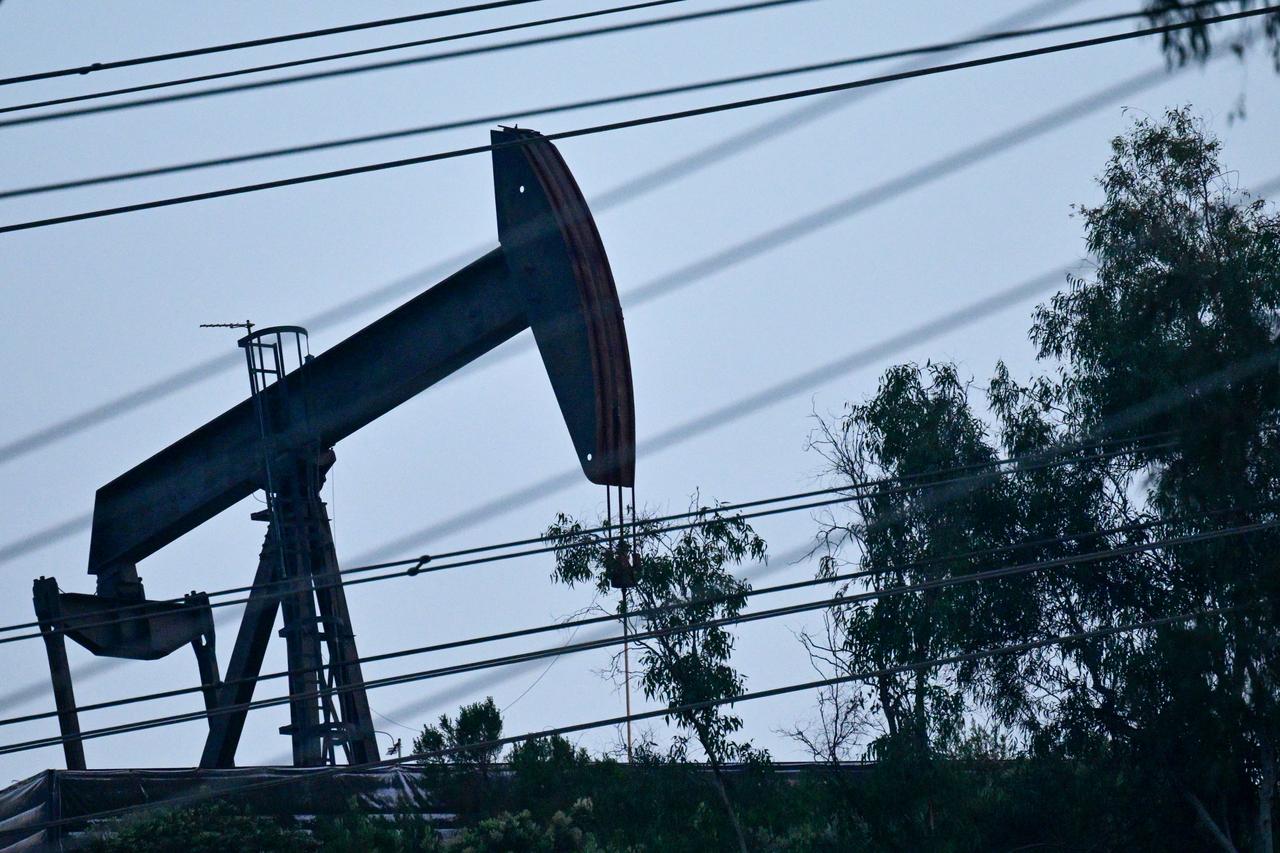


Finance ministers from the Group of Seven economies are holding emergency discussions on a coordinated release of strategic petroleum reserves after oil prices spiked sharply following disruptions to nearly half of the energy flows through the Strait of Hormuz, reports say.
The ministers were scheduled to hold a call with International Energy Agency (IEA) Executive Director Fatih Birol at 8:30 a.m. New York time on Monday to assess the impact of the Iran war on energy markets and discuss possible measures to stabilize supply, the Financial Times reported.
According to the report, several G7 members have already indicated support for a joint intervention. Three countries, including the United States, are backing the idea of tapping emergency reserves managed through the IEA’s collective system, according to officials familiar with the preparations.
Some U.S. officials are considering a coordinated release of between 300 million and 400 million barrels, equivalent to roughly 25% to 30% of the approximately 1.2 billion barrels held in strategic reserves by IEA members. The reserves form part of a collective emergency mechanism created to respond to major oil supply disruptions and sharp price shocks.
IEA member countries currently hold more than 1.24 billion barrels in public emergency stocks, alongside an estimated 600 million barrels in industry-held reserves that could also enter the market if needed, according to an internal document prepared for the agency’s emergency meeting.
Those reserves could cover nearly one month of total oil demand across IEA countries and more than 140 days of net imports, the report suggested.

IEA members have coordinated five collective reserve releases since the agency’s emergency stockpile system was introduced in 1974, including two in 2022 aimed at stabilizing markets after Russia’s invasion of Ukraine disrupted global energy supplies.
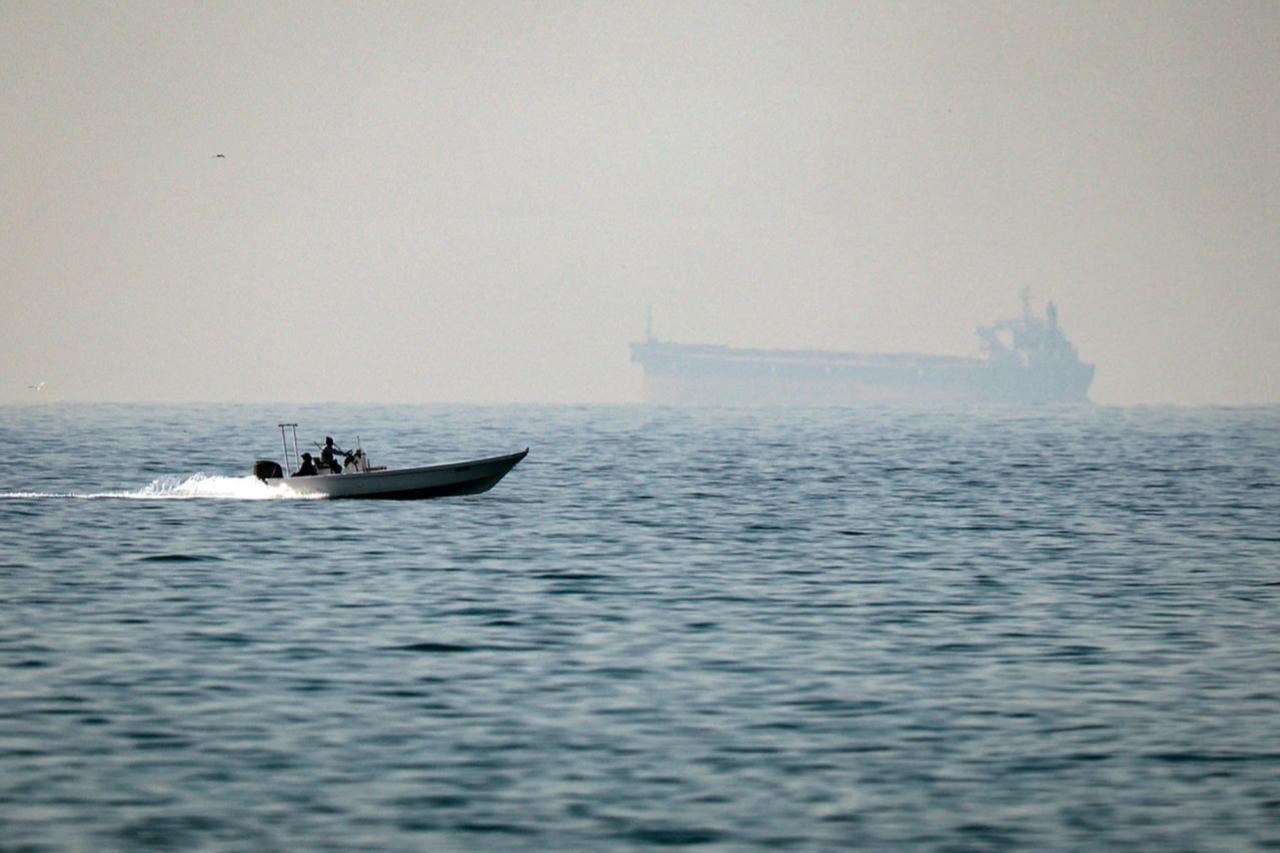
On Monday, oil prices surged more than 30%, with Brent crude reaching $119.3 and WTI crude $119.5 per barrel, driven by fears of prolonged supply disruptions in the Strait of Hormuz that intensified after Kuwait and the UAE announced plans to scale back production over the weekend, as the effective closure of the strait does not allow tankers and commercial vessels to move freely through one of the world’s most important oil transit corridors.
As of 8:50 a.m. GMT, oil prices eased to around $107 for Brent crude and $103.8 for WTI, implying a roughly 47.6% surge since the start of the war.


 Set as preferred source
 Set as preferred source


 1 min read
 1 min read