Newsletters


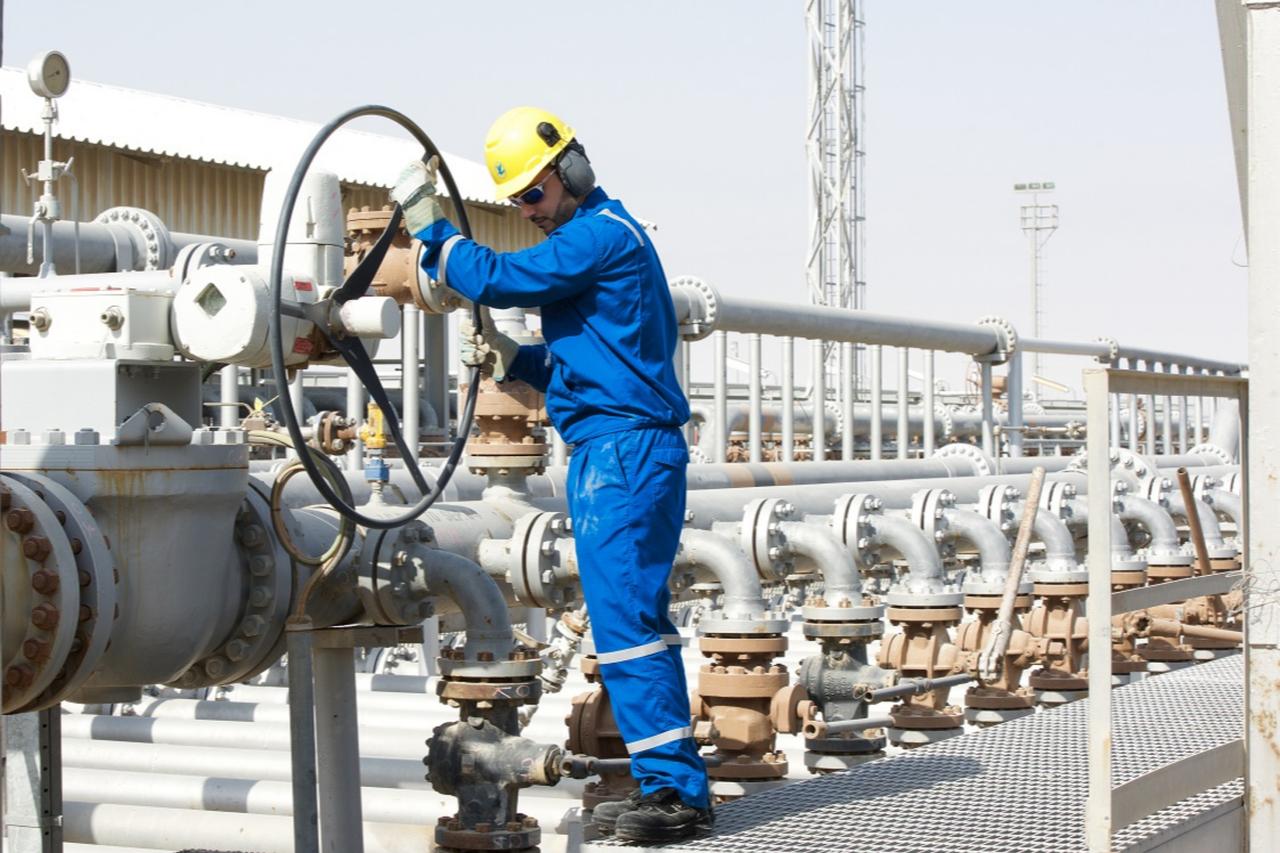


Kuwait, the fifth-largest oil producer in OPEC, producing about 2.6 million barrels per day, has begun cutting oil output after shipping through the Strait of Hormuz effectively ground to a halt amid escalating regional tensions.
State-run Kuwait Petroleum Corp. announced on Saturday that it reduced production at both oil fields and refineries following Iranian threats against safe passage for vessels transiting the strait. The company described the measure as precautionary and said production levels would be reviewed as conditions evolve.
Output reductions began with about 100,000 barrels per day early Saturday and are expected to nearly triple on Sunday, according to a person familiar with the plan cited by Bloomberg. Additional cuts could follow depending on storage capacity and developments around the Strait of Hormuz.
Kuwait Petroleum Corp. is a major exporter of naphtha to Asia and a key supplier of jet fuel to north-west Europe. Naphtha is widely used as a feedstock in petrochemical production.
In the United Arab Emirates, Abu Dhabi National Oil Co. said it is managing offshore production levels to address storage requirements as tanker movements through the waterway stalled, though the company did not provide specific figures.
The disruption came after a wave of attacks across the region following U.S.-Israeli strikes on Iran. Tehran responded by targeting sites in Israel as well as locations in countries hosting U.S. military bases, including Qatar, the United Arab Emirates and Bahrain.
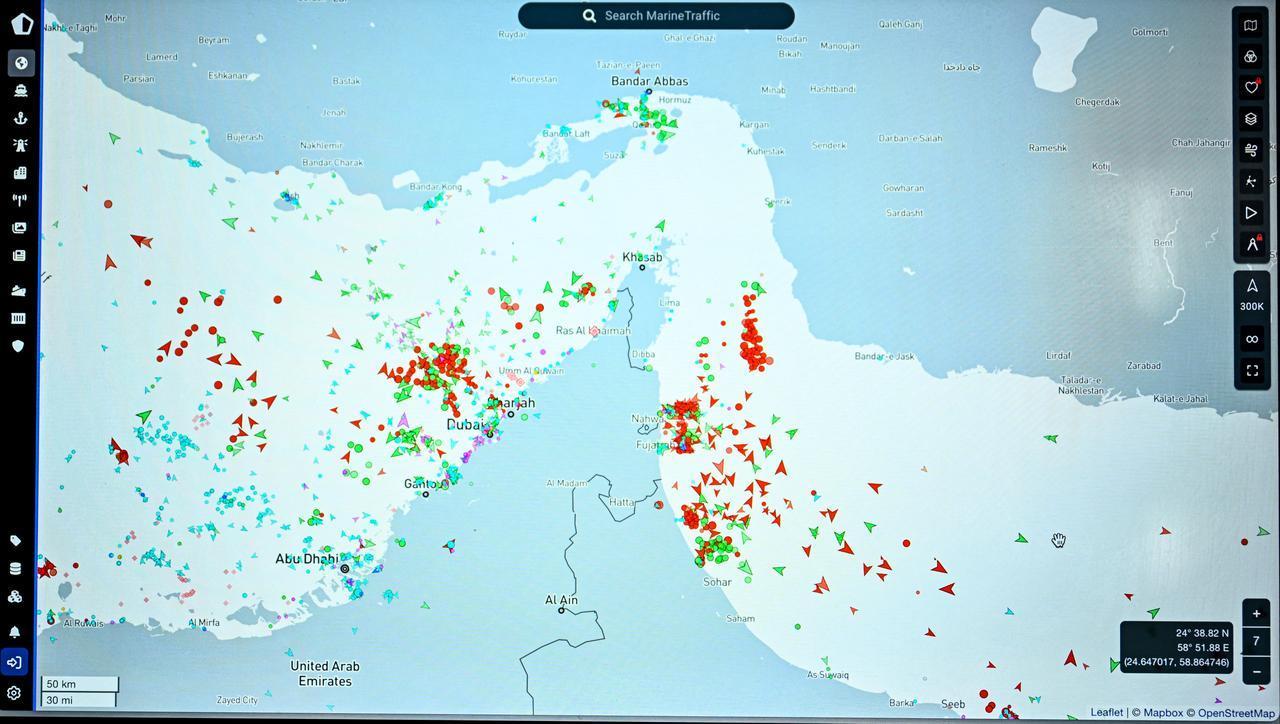
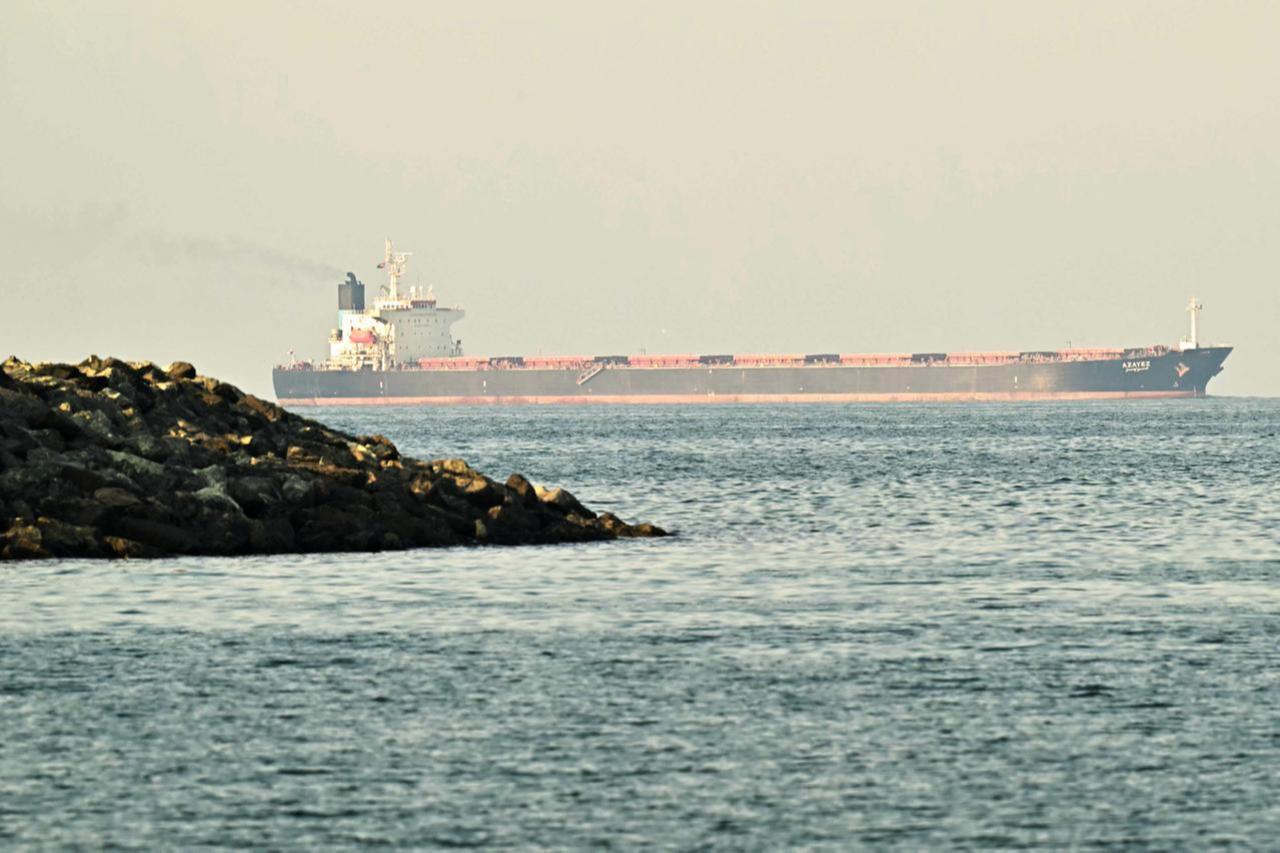
Shipping through the Strait of Hormuz, one of the world’s most critical energy transit routes, effectively stopped after Iran banned unauthorized access to the waterway. Maritime insurers also withdrew war-risk coverage for vessels operating in the area, leaving ships unable to transit the strait.

Earlier this week, Saudi Arabia shut down the 550,000 barrels per day Ras Tanura refinery as a precaution following an Iranian drone strike.
Iraq also began shutting production at its largest oil fields, including the Rumaila field and the West Qurna 2 project, removing over 1 million barrels per day of output after the closure of the Strait of Hormuz.
In northern Iraq, companies halted production at fields exporting crude through a pipeline to Türkiye's Ceyhan port, which shipped about 200,000 barrels per day via the route in February.
As energy flows across the region were disrupted, Brent crude surged nearly 30% this week, rising above $90 per barrel for the first time since April 2024.
QatarEnergy, the state-run energy company of Qatar, also halted production of liquefied natural gas (LNG) along with other petrochemical and industrial products, pushing European gas prices up 67% to €53.38 ($62) per megawatt hour at the Dutch TTF hub.
According to S&P Global Ratings, Gulf energy exports rely heavily on the Strait of Hormuz, with 89% of Saudi Arabia’s shipments passing through the route, while Iran, Kuwait and Qatar ship 100%; Iraq exports 97%; and the United Arab Emirates sends 66% through the waterway thanks to alternative pipelines linked to Abu Dhabi.


 Set as preferred source
 Set as preferred source


 2 min read
 1 min read