Newsletters


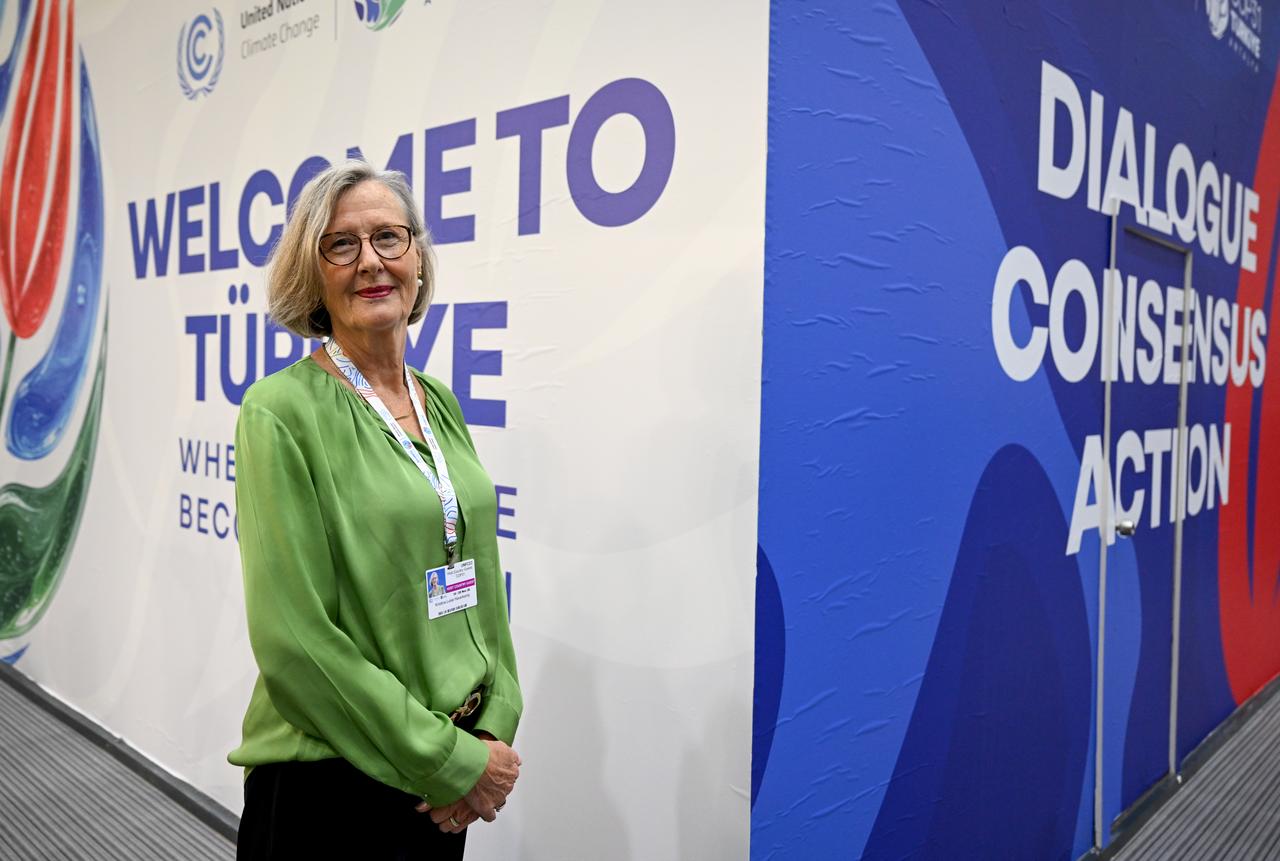
Germany and Türkiye have significant opportunities to expand energy cooperation through joint battery production, critical raw materials processing and green hydrogen projects, German Energy Agency (dena) Managing Director Kristina Haverkamp said Friday at the COP31 UN Climate Change Conference in Antalya, Türkiye.
Haverkamp said the two countries already had a strong foundation for cooperation in the energy sector, supported by an official government-level energy partnership and longstanding ties between German technology providers and Turkish manufacturers.
She identified three areas where the partnership could be strengthened as both countries accelerate their energy transitions and invest in renewable energy technologies.
The first is battery storage, which Haverkamp described as essential for integrating renewable electricity into national power grids.
"Both Türkiye and Germany are experiencing a major boom in battery storage. Large-scale batteries are absolutely indispensable for integrating renewable electricity into the grid," she said.
Haverkamp said she expected global demand for battery storage to grow steadily in the coming years, making joint manufacturing an attractive opportunity.
"I think a joint manufacturing venture would be a very promising business model," she added.

Haverkamp identified critical raw materials as the second major area for cooperation, highlighting their importance in technologies ranging from wind turbines and electric vehicles to solar panels.
She said Germany and Türkiye could strengthen their collaboration in processing these materials and developing higher-value products rather than focusing solely on raw material supplies.
Haverkamp also noted that the Turkish-German Energy Partnership had recently been expanded to include raw materials, reflecting both governments' interest in cooperation in the sector.
The third area, she said, is green hydrogen and its derivatives, where Türkiye's renewable energy potential, industrial manufacturing capabilities and port infrastructure could complement Germany's industrial demand.
"Türkiye today has an ambitious energy plan and high potential for renewable energy generation. It has very good industrial manufacturing capabilities, including its workforce, and excellent port infrastructure," she said.
She said these advantages could allow Türkiye to make an important contribution to the green hydrogen value chain.
However, Haverkamp cautioned that securing buyers for hydrogen production remained a significant challenge.
"The challenge is finding buyers, in other words, securing offtake for the product being produced," she said.
Germany's industrial sector needs to decarbonize, she added, creating potential demand for green hydrogen and its derivatives.
Bringing Turkish production capabilities and German industrial demand together could therefore create a successful partnership, she said.
 1 min read
Haverkamp also emphasized Türkiye's importance to Germany's energy security and resilience, particularly following the latest energy crisis.
She recalled that German Economy and Energy Minister Katherina Reiche had highlighted the importance of the partnership at the Turkish-German Energy Forum in June.
Haverkamp said both countries shared an interest in protecting critical infrastructure against physical and hybrid attacks, identifying cybersecurity and infrastructure protection as further areas for cooperation.
She also stressed that expanding renewable energy generation could strengthen energy security by reducing dependence on imported fossil fuels and exposure to price shocks.
"Renewable energy is generated from domestic resources. This makes you much more independent of price shocks associated with imported fossil fuels," she said.
However, she noted that the variable nature of renewable electricity generation and its decentralized structure created challenges for grid stability.
Grid modernization, digitalization and technologies that improve the resilience of electricity networks could therefore become additional areas of Turkish-German cooperation, she said.
Haverkamp also pointed to opportunities for joint investment in wind and solar energy projects in Türkiye, emphasizing the need for an appropriate regulatory framework to support such investments.


 Set as preferred source
 Set as preferred source




 1 min read