Newsletters


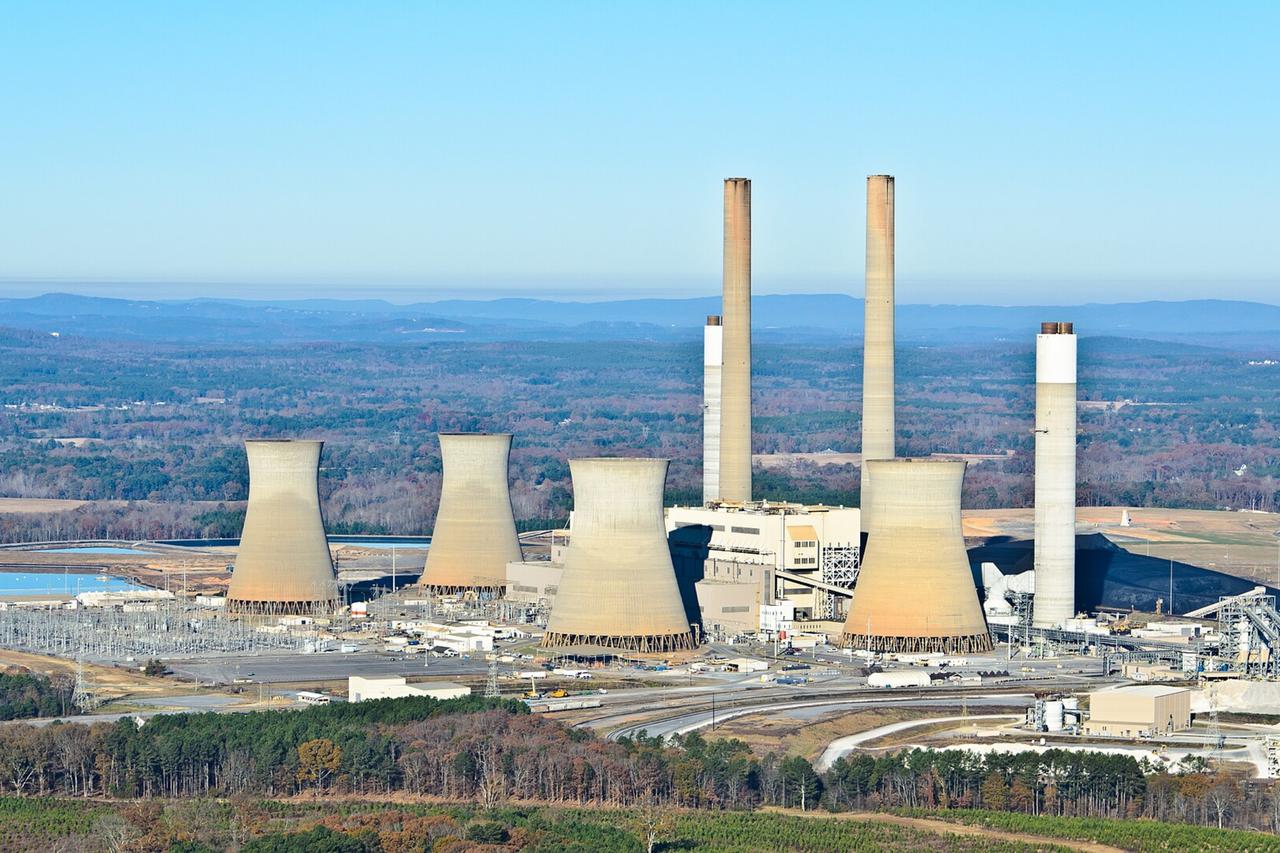


A global energy contradiction emerged last year as total coal power capacity grew by 3.5%, even though actual electricity produced from coal dropped by 0.6% worldwide, according to a Global Energy Monitor (GEM) study reported by AFP.
Crucially, the United States was the only major economy to go against this global trend by significantly increasing its coal-fired electricity production.
The rapid growth and falling cost of solar and wind energy are now strong enough to meet most of the world's rising electricity demand.
Consequently, even though new power plants are still being built, they sit idle more often as cleaner alternatives take priority on the grid.
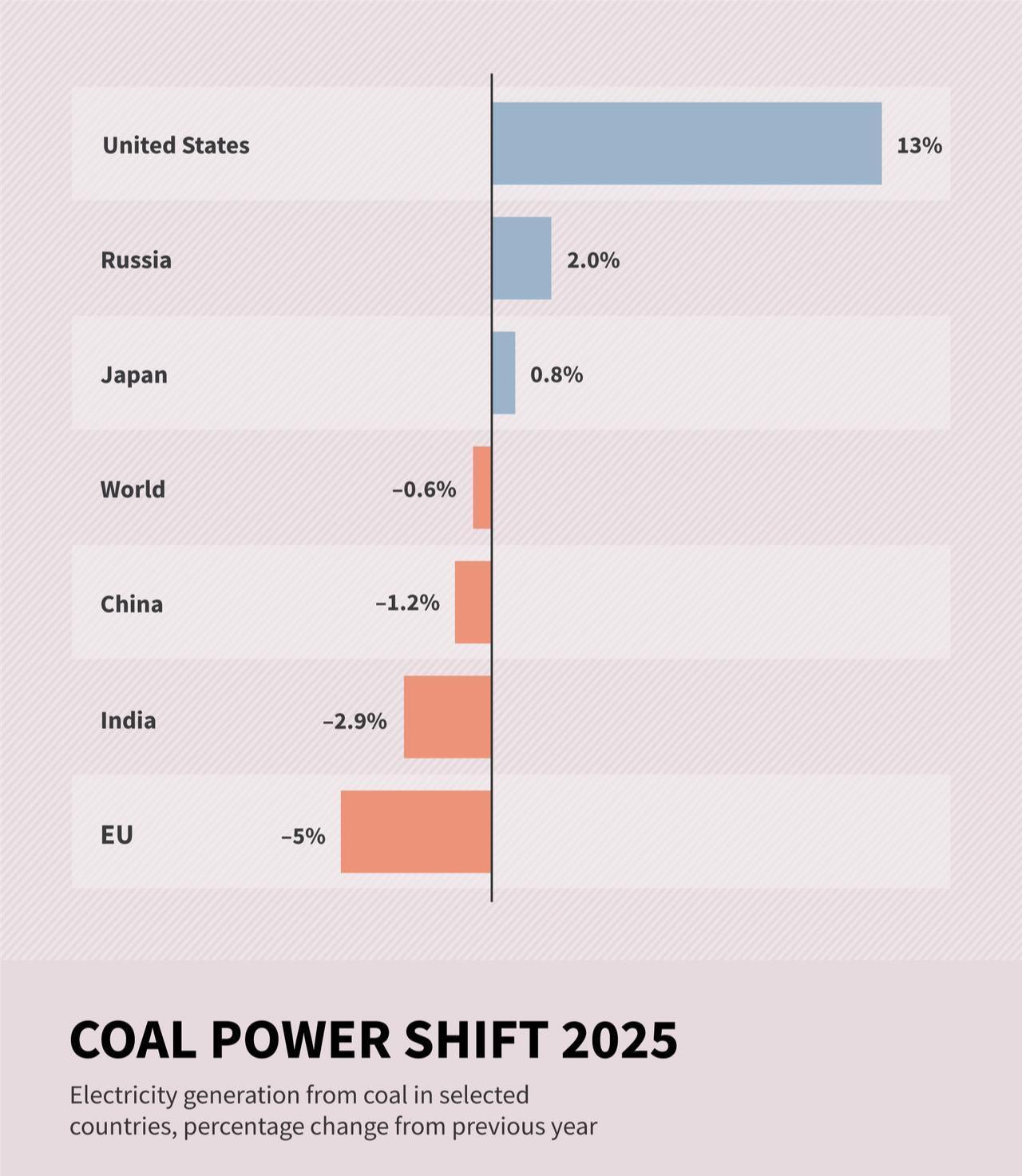

The majority of this new capacity, about 95% comes from China and India. In China, coal capacity grew by 6% even though actual coal power generation dropped by 1.2%, cushioned by a massive surge in new renewable installations.
A similar trend played out in India, where coal capacity rose by nearly 4% while actual generation decreased by almost 3%.
This trend is largely driven by local economics. The provinces leading these projects are major coal-producing hubs with deep incentives to keep building, alongside a desire for a reliable backup supply to protect power grids when renewable energy drops.
The global retirement of older coal units has slowed significantly, with nearly 70% of plants scheduled for decommissioning instead staying online. In Europe, these extensions trace back to energy security policies established during the 2022–2023 supply crisis.
However, the United States stood out as the only major economy to substantially increase its coal-fired generation, surging by over 80 terawatt-hours (TWh) year-on-year.
This increase was supported by a domestic policy environment that actively incentivized coal utilization, distinguishing the U.S. from other global markets where generation is on the decline.
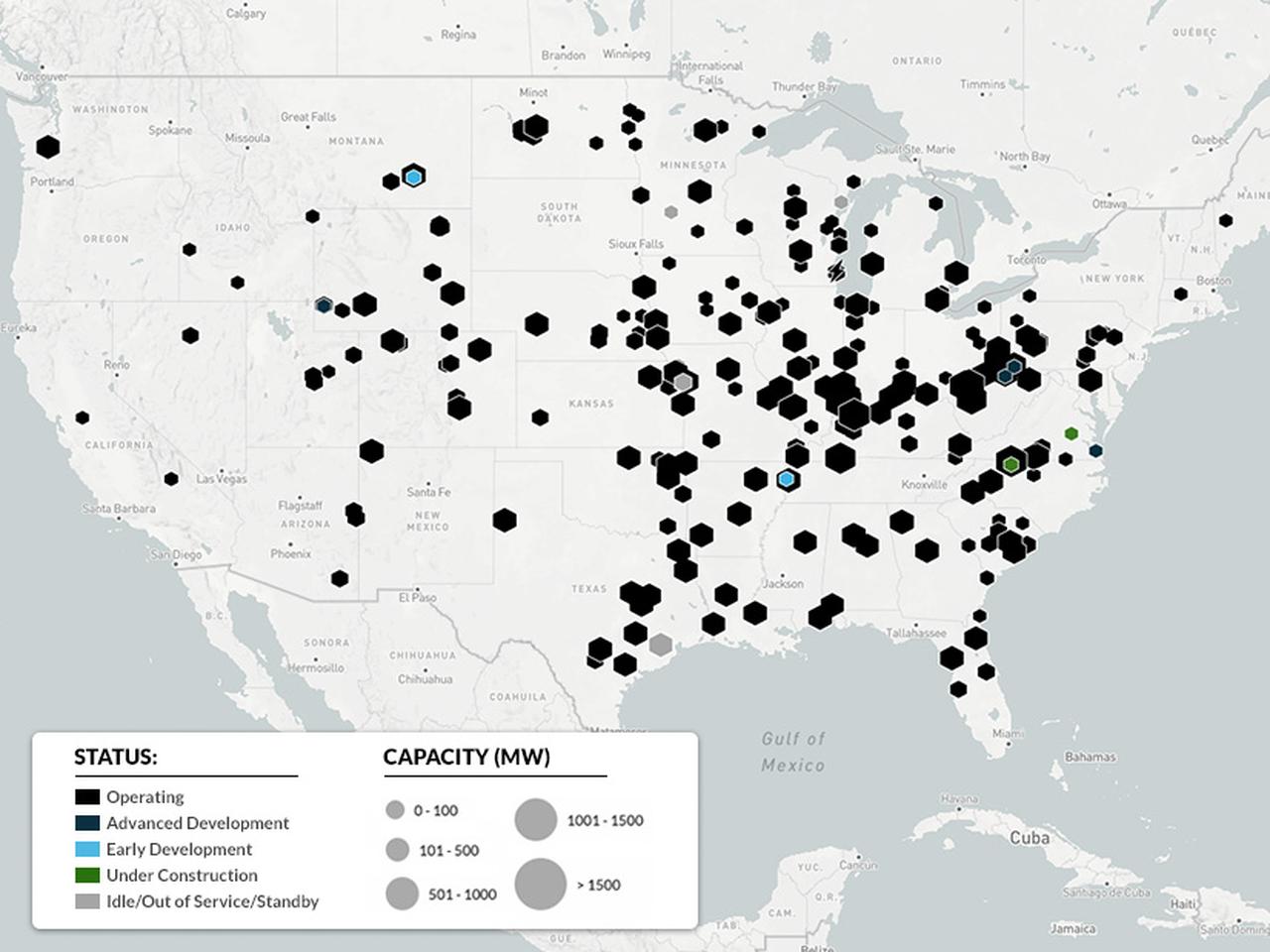
While clean energy sources like wind and solar have jumped 10% so far this year to absorb incoming demand, coal's persistence remains tied to political favoritism and infrastructure bottlenecks.
In nations like India, non-fossil fuels make up half of the installed capacity, yet grid constraints mean coal still generates three-quarters of net power.
Overcoming the structural grid biases that favor fossil fuels remains the primary hurdle to translating massive renewable capacity into a permanent phase-out of coal.


 Set as preferred source
 Set as preferred source


 1 min read
 1 min read