Newsletters




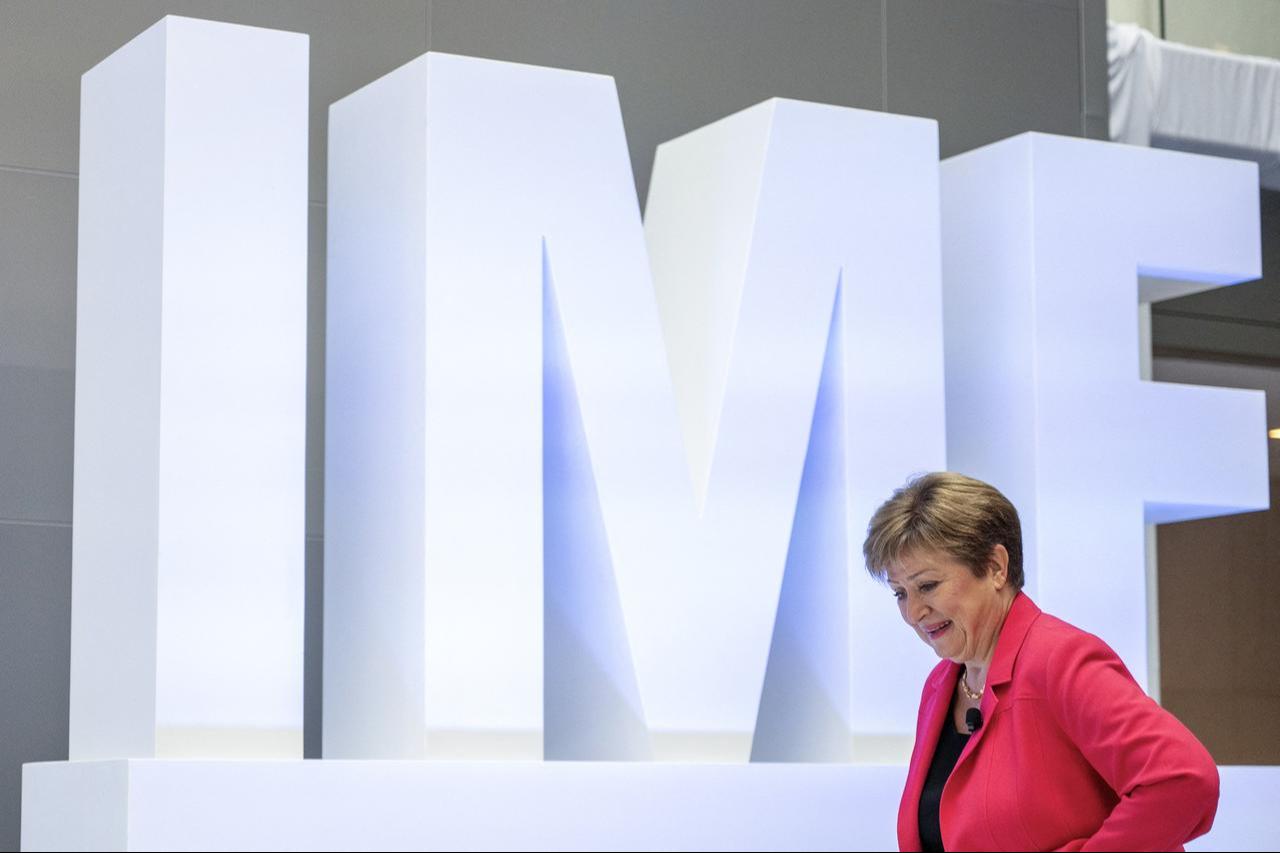
International Monetary Fund (IMF) Managing Director Kristalina Georgieva warned Thursday that the ongoing conflict in the Middle East could weigh on global economic stability if it drags on, citing risks to energy markets, inflation, and investor confidence.
Speaking at the Asia in 2050 Conference in Bangkok, Georgieva said the war had the potential to ripple through global markets by pushing up energy prices and weakening growth prospects.
She added that the situation could place additional pressure on policymakers already managing fragile economic conditions.
"This conflict, if it proves to be more prolonged, has obvious potential to affect global energy prices, market sentiment, growth, and inflation, placing new demands on policymakers," Georgieva said.
The IMF said it is closely monitoring the developments in the region and is working to assess the broader economic consequences. According to Georgieva, the findings will be reflected in the IMF’s upcoming World Economic Outlook report scheduled for release in April.
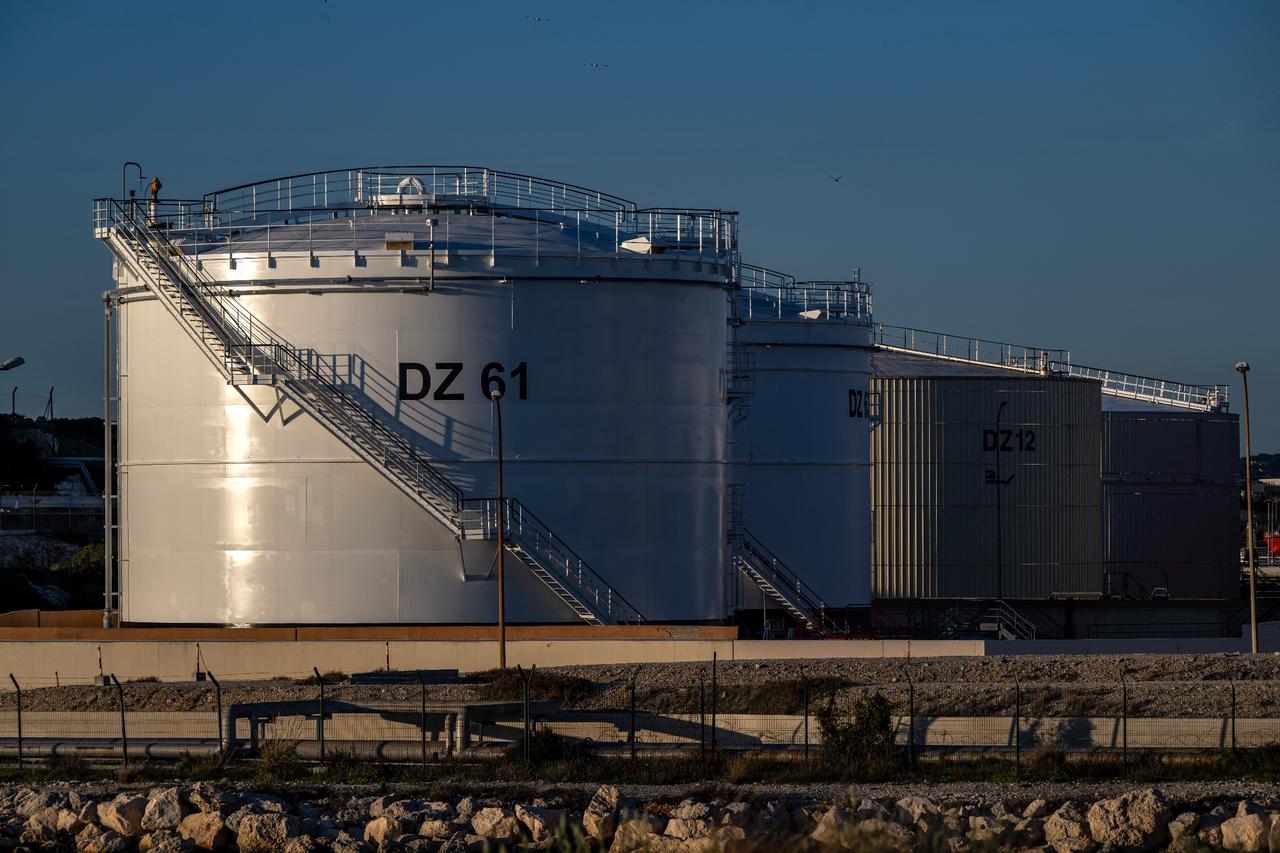
Recent tensions in the Middle East have already disrupted travel routes and oil shipments through the Strait of Hormuz following Iran’s retaliation to U.S.-Israel strikes.
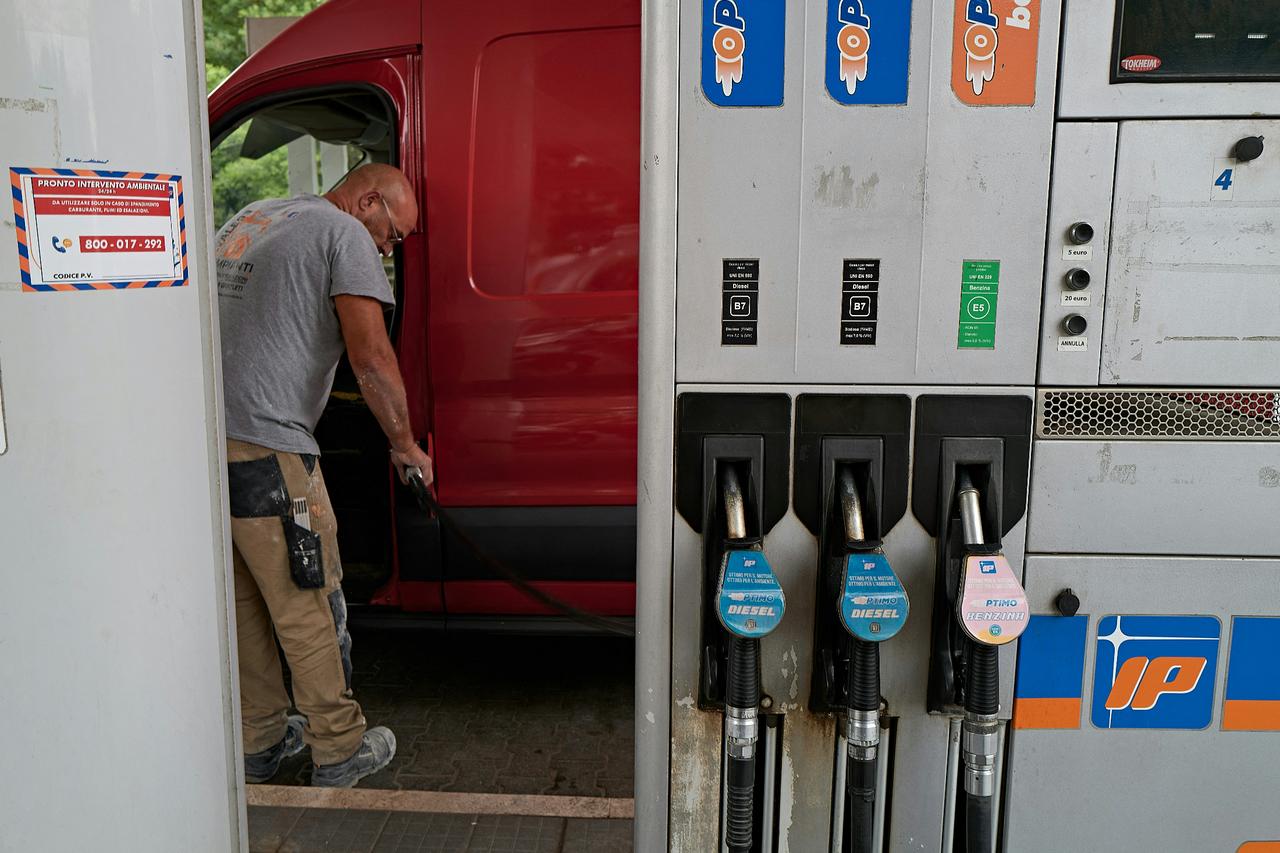
As Brent crude rose above $85 per barrel for the first time since June 2024, European natural gas prices doubled to more than €65 per megawatt hour at the Dutch TTF hub, increasing the risk of higher inflation and slower global growth.
Georgieva said the global economy is entering a period marked by recurring and unpredictable disruptions, ranging from geopolitical tensions to trade frictions and technological changes.
"We are in a world of more frequent, more unexpected shocks," she said. "Most of the time, we cannot predict what exactly they will be. But all of the time, we can strive to be ready for them."

Georgieva noted that Asian economies have strengthened their financial systems and institutional frameworks since the 1997–1998 Asian financial crisis, helping improve investor confidence and economic resilience.
However, she cautioned that the region must continue preparing for repeated shocks and rising geopolitical uncertainty.
She encouraged Asian countries to deepen regional economic ties and reduce non-tariff trade barriers to mitigate external risks.
"There is no point lamenting what is happening outside your remit," Georgieva said. "Focus on what is in your hands, on what you can do to get your country and your economy in the best of shapes for this world we have entered."
Financial markets have already reacted to the tensions, with technology-heavy stock indexes in South Korea and Taiwan among the hardest hit as foreign investors sold billions of dollars in shares.
"The sooner we see the end of the calamity, the better for the whole world," Georgieva said.


 Set as preferred source
 Set as preferred source


 1 min read
 1 min read