Newsletters


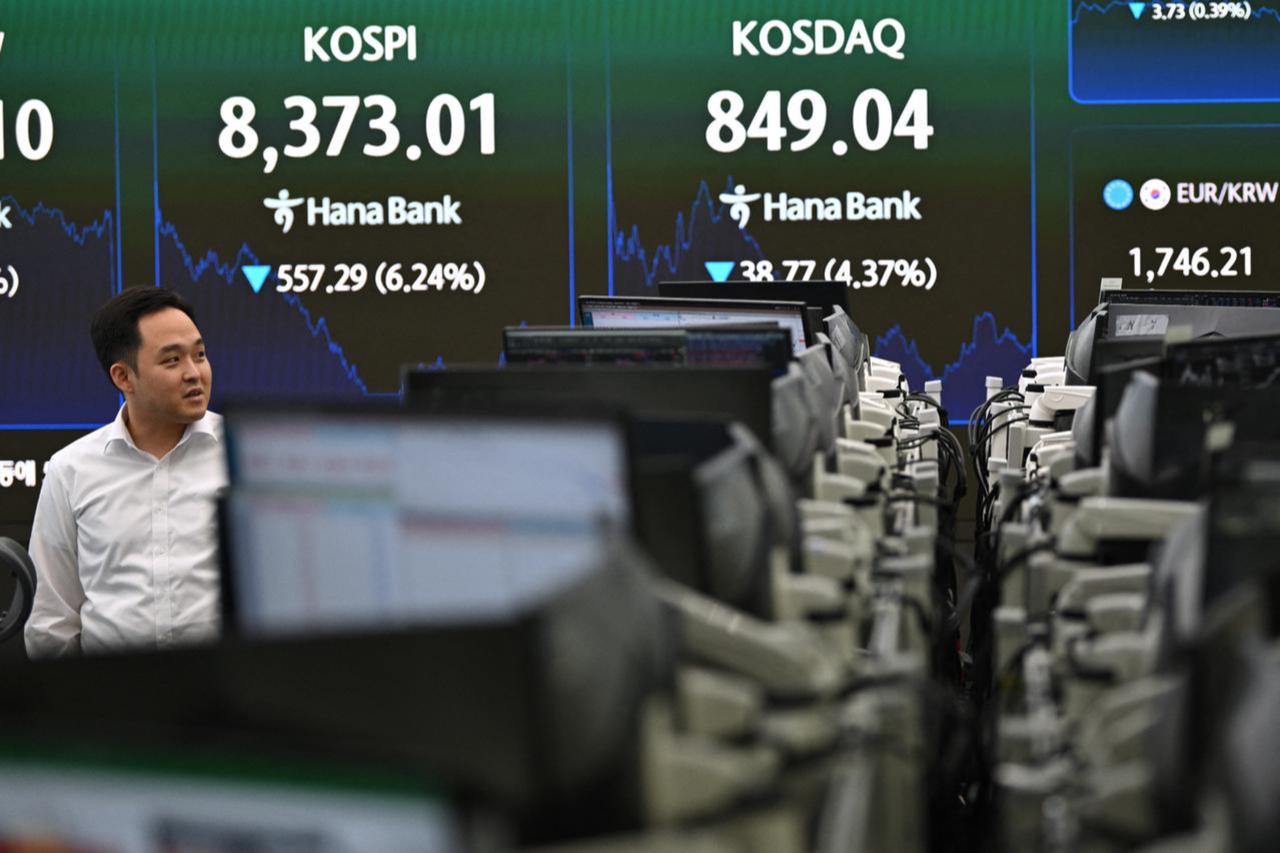


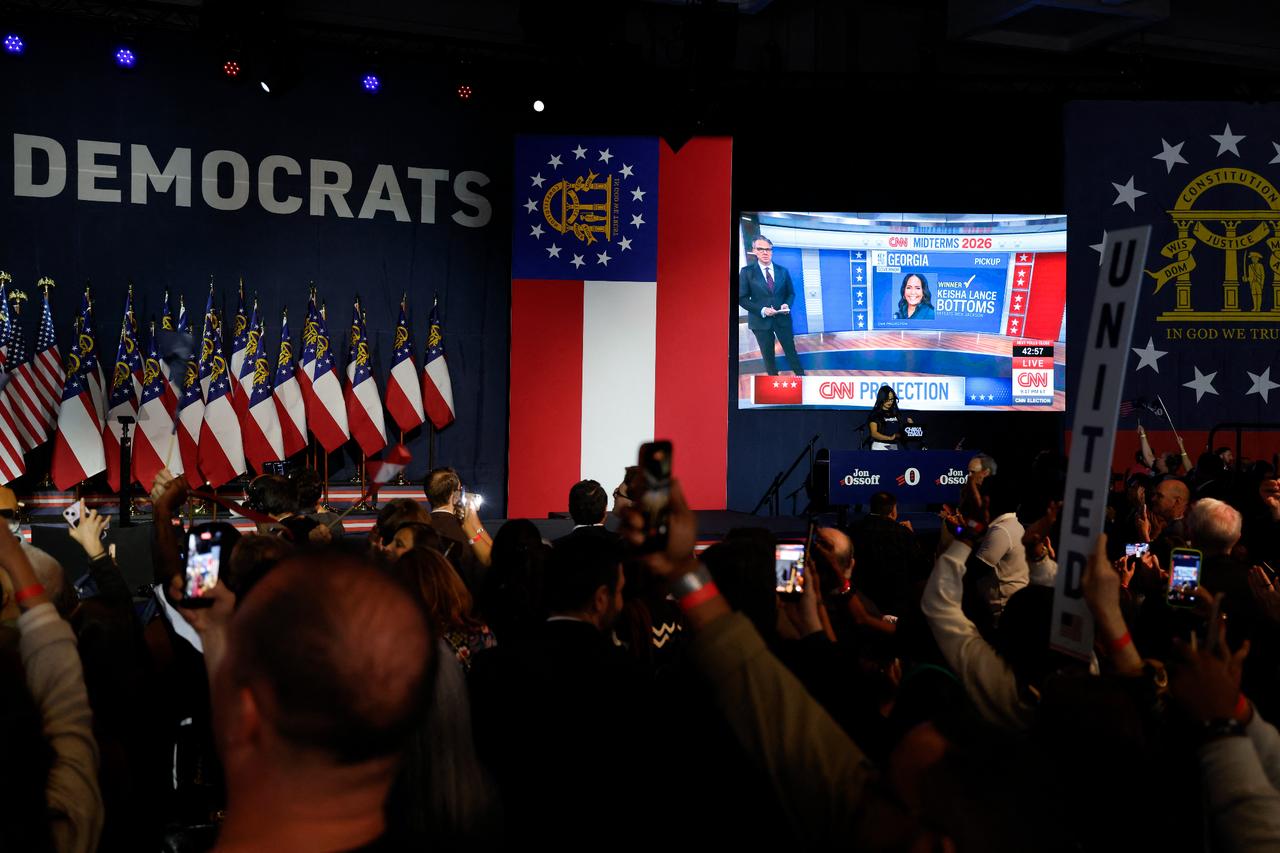
Global markets came under pressure Wednesday as Democrats regained control of the U.S. Senate and were projected to win the House of Representatives, raising investor concerns over the future of President Donald Trump's economic policies and the potential for greater regulatory scrutiny.
Early election results showed Democrats securing a Senate majority with 51 seats, while U.S. media outlets projected the party would also gain control of the House, potentially limiting Trump's ability to pursue tax cuts and expansionary fiscal policies.
The prospect of Democratic control of Congress weighed on U.S. stock index futures and weakened risk appetite across Asian markets, with investors assessing the implications for technology companies, artificial intelligence (AI) regulations and the broader economic outlook.
The U.S. dollar index fell 0.5% to 101.3 on Wednesday, while the euro gained 0.6% against the dollar to $1.1250.
Demand for safe-haven assets increased, pushing the yield on the benchmark 10-year U.S. Treasury note down seven basis points to 4.9%.
Gold rose 0.9% to $3,954 an ounce amid political uncertainty.
Analysts expect a Democratic-controlled Congress to complicate the Trump administration's policy agenda, potentially contributing to further market volatility.
While the U.S. budget deficit is expected to widen, Democratic control of Congress could restrict the administration's ability to implement additional tax cuts and fiscal stimulus.
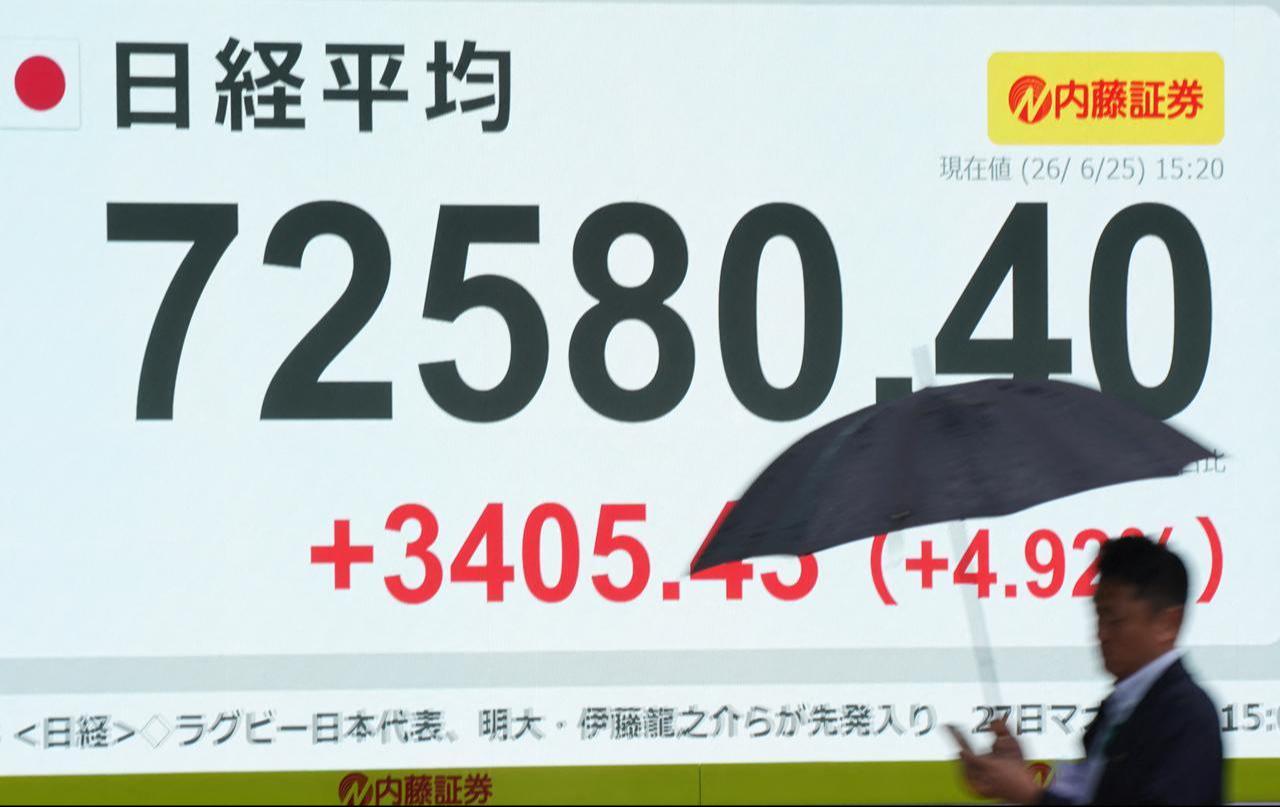

Asian equity markets traded mostly lower Wednesday as the U.S. election results weighed on investor sentiment.
Japan's Nikkei 225 fell 2.9% near the close of trading, while South Korea's Kospi declined 1.2% and China's Shanghai Composite slipped 0.1%.
Hong Kong's Hang Seng bucked the regional trend, gaining 0.2%.
In China, the People's Bank of China said applications for its stock purchase loan program had exceeded $30 billion.
Meanwhile, China's Caixin services purchasing managers' index (PMI) declined to 50.8, while the composite PMI fell to 52, indicating slower growth in business activity.
The market reaction followed a mixed session on Wall Street on Tuesday.
The S&P 500 gained 0.36% and the technology-heavy Nasdaq Composite rose 0.83%, while the Dow Jones Industrial Average fell 0.38%.
Apple shares declined 1.9% after the technology company warned that rising memory chip costs would weigh on its gross profit margin.
Investors also focused on the Federal Reserve's monetary policy outlook amid signs of continued economic strength and persistent inflationary pressures.
Money-market pricing indicated that the probability of a 25-basis-point Fed rate hike in December had risen to 80%.
The latest Job Openings and Labor Turnover Survey (JOLTS) showed that U.S. job openings increased by 333,000 in September to 7.5 million, exceeding market expectations.
Investors were awaiting Wednesday's ADP private-sector employment report for further insight into labor market conditions.
Meanwhile, oil prices declined amid expectations that diplomatic efforts between Washington and Tehran could ease tensions in the Middle East and reduce concerns about regional energy supplies.
January-delivery Brent crude futures fell 0.7% to $102.80 per barrel.
However, uncertainty over the conflict remained a concern for investors, particularly following a reported U.S. attack on an Iranian-owned vessel during the elections.

European stock markets closed mostly lower Tuesday, weighed down by declines in mining and energy shares as investors monitored the U.S. elections and eurozone inflation developments.
The UK's FTSE 100 lost 1.14%, Germany's DAX 40 fell 0.45% and France's CAC 40 declined 0.34%, while Italy's FTSE MIB was little changed.
Corporate earnings and analyst recommendations also drove individual stock movements.
German pharmaceutical company Bayer reported third-quarter results above expectations despite weakness in its agricultural division and raised its year-end targets.
Bayer shares climbed more than 7% during trading before closing 4.5% higher.
Sportswear manufacturer Adidas fell 2.3% after UBS downgraded its investment recommendation from neutral to sell.
German airline Lufthansa reported third-quarter revenue of $13.7 billion, beating estimates despite higher fuel costs.
Its shares rose 4%, even as the company announced plans to raise ticket prices next year.
Aircraft engine manufacturer MTU, meanwhile, declined 3.1% after Bank of America withdrew its investment recommendation.
Türkiye's benchmark BIST 100 index opened Wednesday at 11,157.86 points, up 1.22%, diverging from losses across several major global equity markets.
The index had closed Tuesday at 11,023.55 points, gaining 0.56%, with a daily trading volume of ₺117 billion ($2.33 billion).
At 10:00 a.m. local time (07:00 a.m. GMT), the U.S. dollar traded at ₺50.0225, the euro at ₺56.1960 and the British pound at ₺67.3790.
The Turkish market's positive opening came as investors continued to monitor the U.S. election results, global interest rate expectations and developments in the Middle East.
With Democrats securing control of the Senate and projected to take the House, attention is turning to how the new balance of power in Washington could affect fiscal policy, technology regulation and global financial markets.


 Set as preferred source
 Set as preferred source


 1 min read
 1 min read