Newsletters


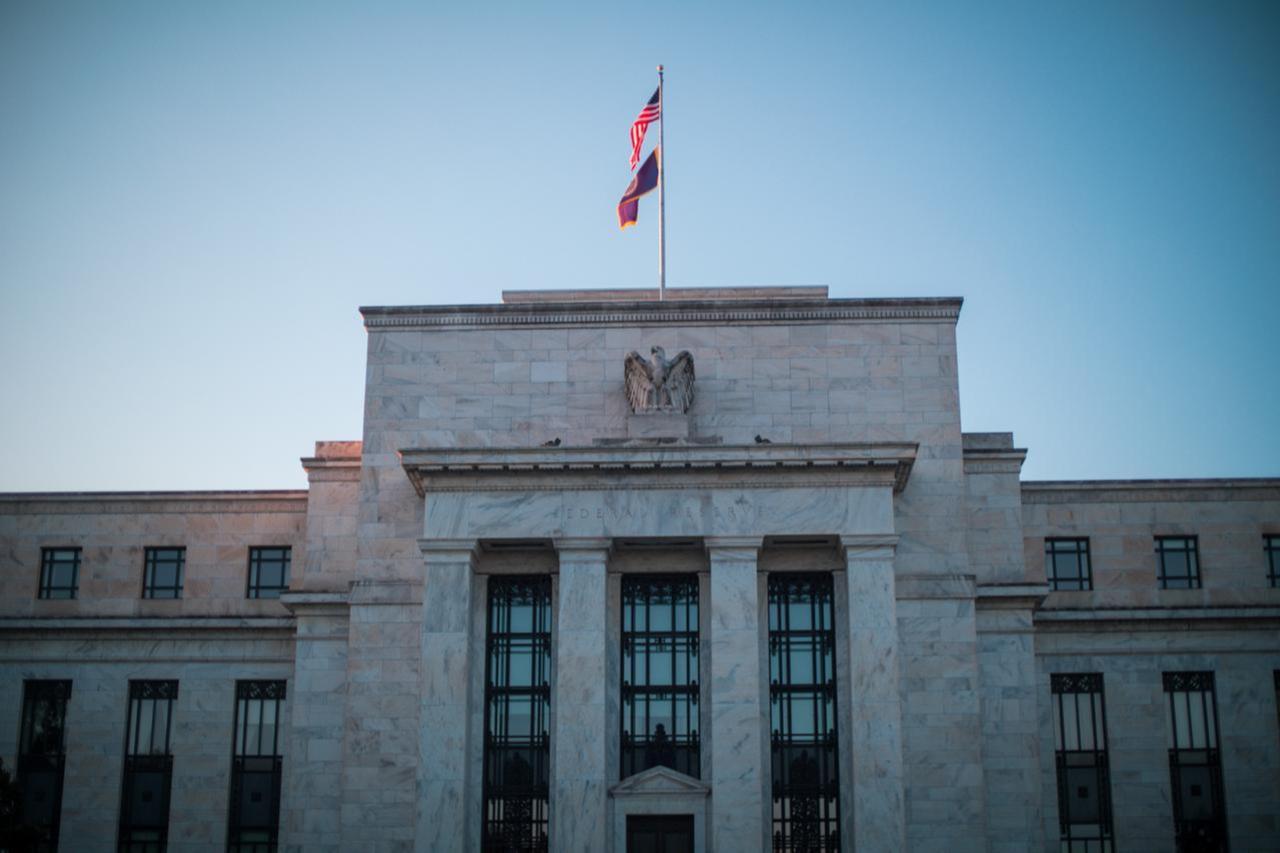


Stronger-than-expected U.S. inflation on Tuesday reinforced expectations that the Federal Reserve could raise interest rates again in December, sending gold and equities lower as investors reassessed the monetary policy outlook.
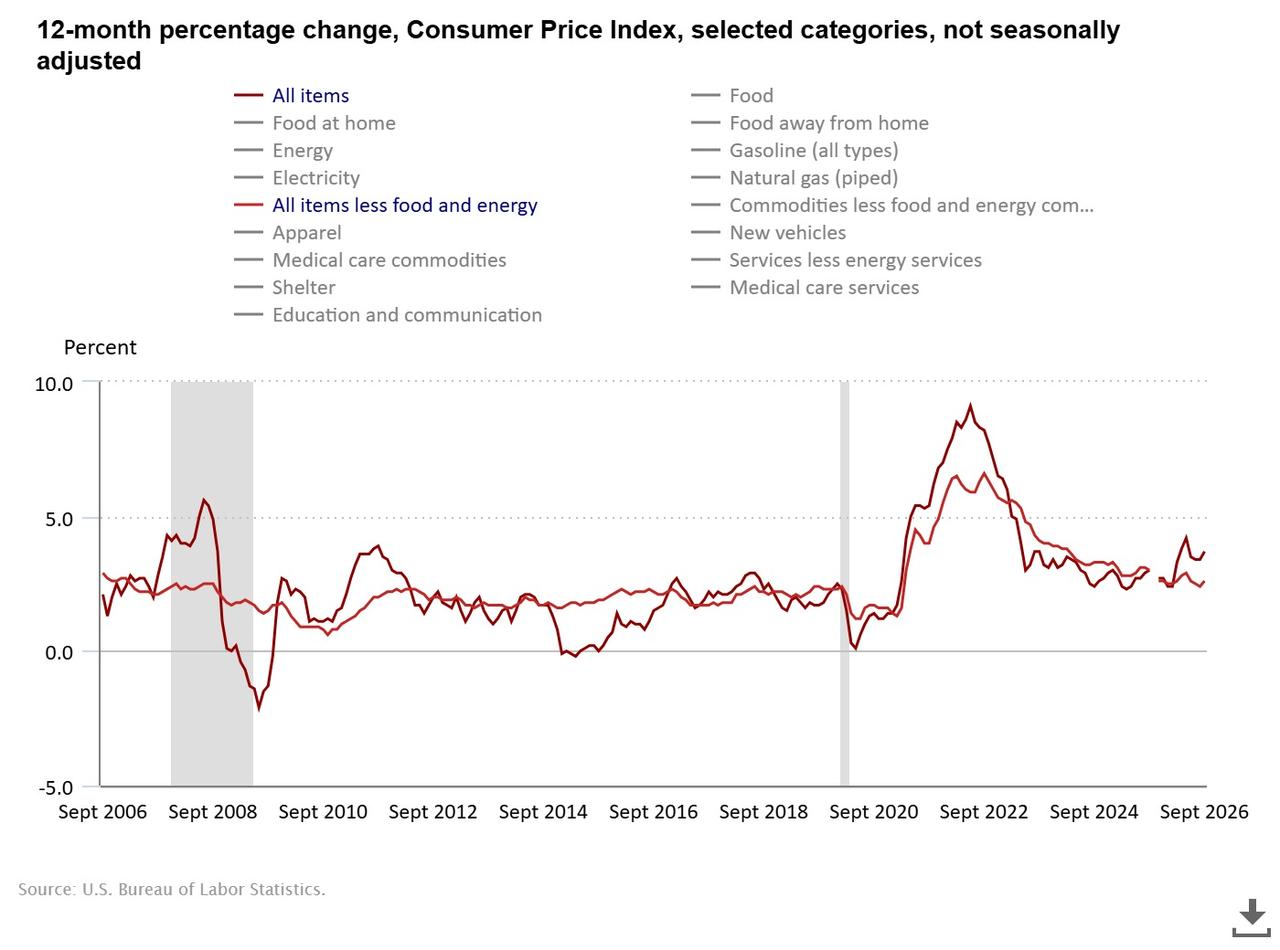
U.S. consumer prices rose 0.4% in October, above economists' expectations of 0.3%. Although the increase slowed from September's 0.6%, the latest reading added to concerns that inflationary pressures remain persistent.
Spot gold dropped 2.1%, or $87.60, to $4,052.90 an ounce as of 1330 GMT, while silver shed 2.8% to $51.90. The inflation report also rattled U.S. government bonds, sending Treasury prices lower and yields higher as traders strengthened their bets on further monetary tightening.
Yields on Treasuries maturing in two to five years jumped by more than 10 basis points on Tuesday. Markets also moved to price in at least two rate increases by the middle of 2027, alongside a small probability of a 50-basis-point move in December.
U.S. stock futures also retreated as investors assessed the prospect of higher borrowing costs. Futures tied to the S&P 500 fell 0.5%, while Nasdaq-100 futures dropped 1.2%. Contracts linked to the Dow Jones Industrial Average traded around the flatline.
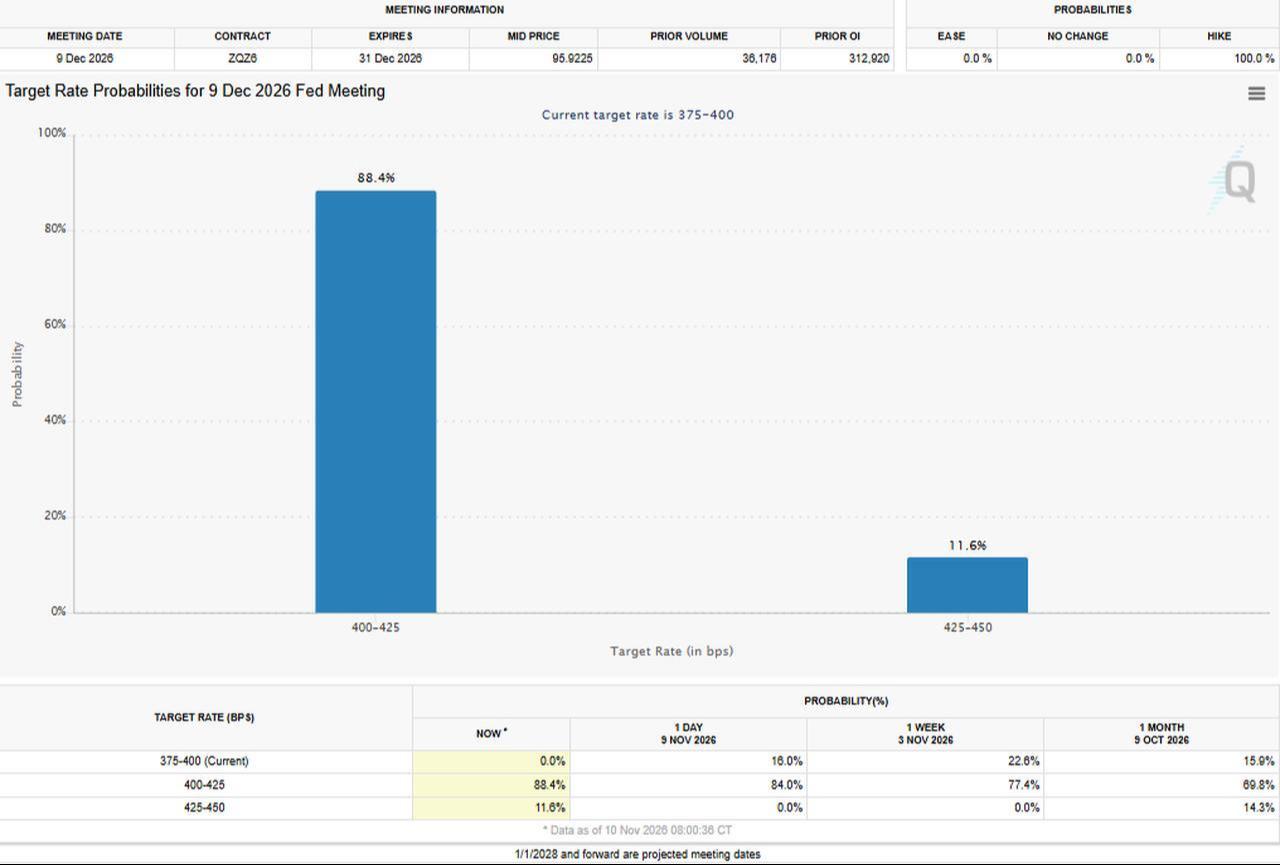
Market expectations for a larger rate increase also began to emerge following the inflation report, with traders assigning roughly a 10% probability to a 50-basis-point hike in December, according to CME Group interest-rate futures.
A quarter-point increase remains the overwhelmingly favored outcome, with its probability standing at around 90%.

Energy prices climbed 0.7% in October, following a sharp 5.2% increase in September. Gasoline prices rose 1%, while electricity costs advanced 0.9%. Natural gas prices moved in the opposite direction, falling 0.8%.
Food prices also picked up, increasing 0.5% after remaining unchanged in September. Grocery prices rose 0.4%, while dining-out costs increased 0.5%.
Shelter costs climbed 0.3%, accounting for more than 30% of the overall monthly increase in consumer prices.
Core consumer prices, which exclude volatile food and energy costs, rose 0.3% for the third consecutive month.
Other categories also recorded increases, with recreation prices climbing 0.8%, motor vehicle insurance costs rising 0.7% and medical care prices advancing 0.3%. Used car and truck prices, meanwhile, fell 1.2%, reversing September's 0.7% increase, while communication prices edged down 0.1%.
The Bureau of Labor Statistics did not release annual headline or core inflation figures for October because the government shutdown in October 2025 disrupted the collection of survey data needed for year-over-year comparisons.
Annual inflation had been expected to reach 3.9%, but no official headline figure was available to assess that forecast.
The inflation figures came after Federal Reserve Governor Christopher Waller signaled support for another interest rate increase in December, including the possibility of a larger move if price pressures proved stronger than expected.
Before the inflation report, Waller indicated that he was leaning toward a 25-basis-point increase even if monthly inflation improved. However, he also suggested that a substantially stronger reading could justify considering a 50-basis-point hike.
In a speech on Tuesday, Waller reiterated that he considers a December increase likely and stressed the importance of delivering previously signaled rate increases within a reasonable timeframe.
“While the precise timing of the hikes doesn’t matter, ensuring that the promised hikes are implemented in a reasonable period of time does,” he said.
Higher interest rates generally weigh on gold because the non-yielding asset becomes less attractive compared with interest-bearing investments.


 Set as preferred source
 Set as preferred source


 1 min read
 1 min read