Newsletters


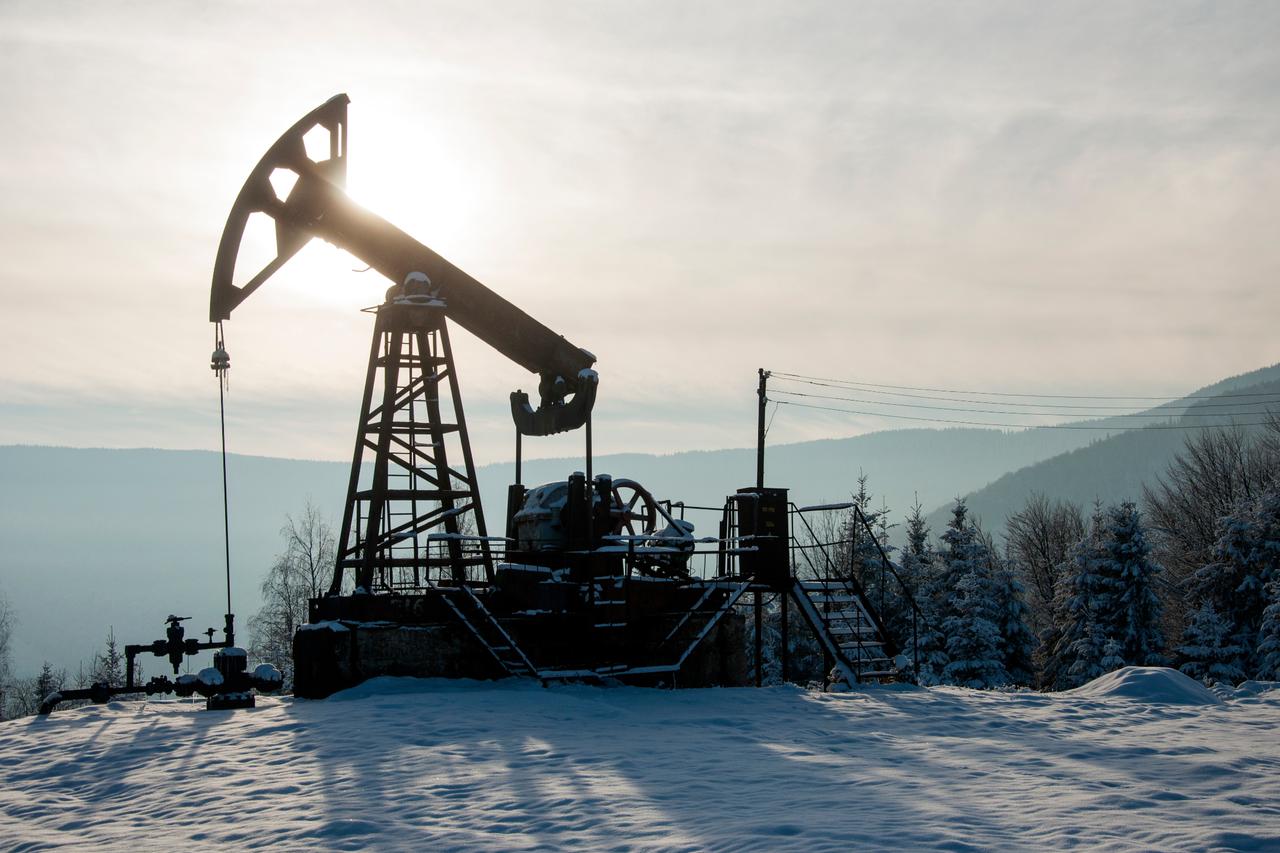


International oil benchmark Brent fell below $90 a barrel for the first time since August on Tuesday as U.S. President Donald Trump's signals of a possible end to the conflict with Iran eased concerns over prolonged disruptions to Middle East energy supplies.
Brent crude futures for January delivery dropped as much as 3.1% during the session, briefly touching $89.7 a barrel before recovering some losses. The international benchmark was down around 2.9% at $89.89 as of 11:50 a.m. local time, compared with Monday's close of $92.57.
The latest losses extend a sharp sell-off that has taken Brent down approximately 23% from its six-month peak of $118 reached on Oct. 30. The benchmark had already plunged 5.85% in the previous session.
U.S. benchmark West Texas Intermediate (WTI) crude futures for December delivery also fell, declining 2.8% to $84.34 a barrel.
Markets reacted to Trump's comments on Monday that further military action against Iran did not appear necessary at this stage, raising expectations that the conflict could move toward an end.
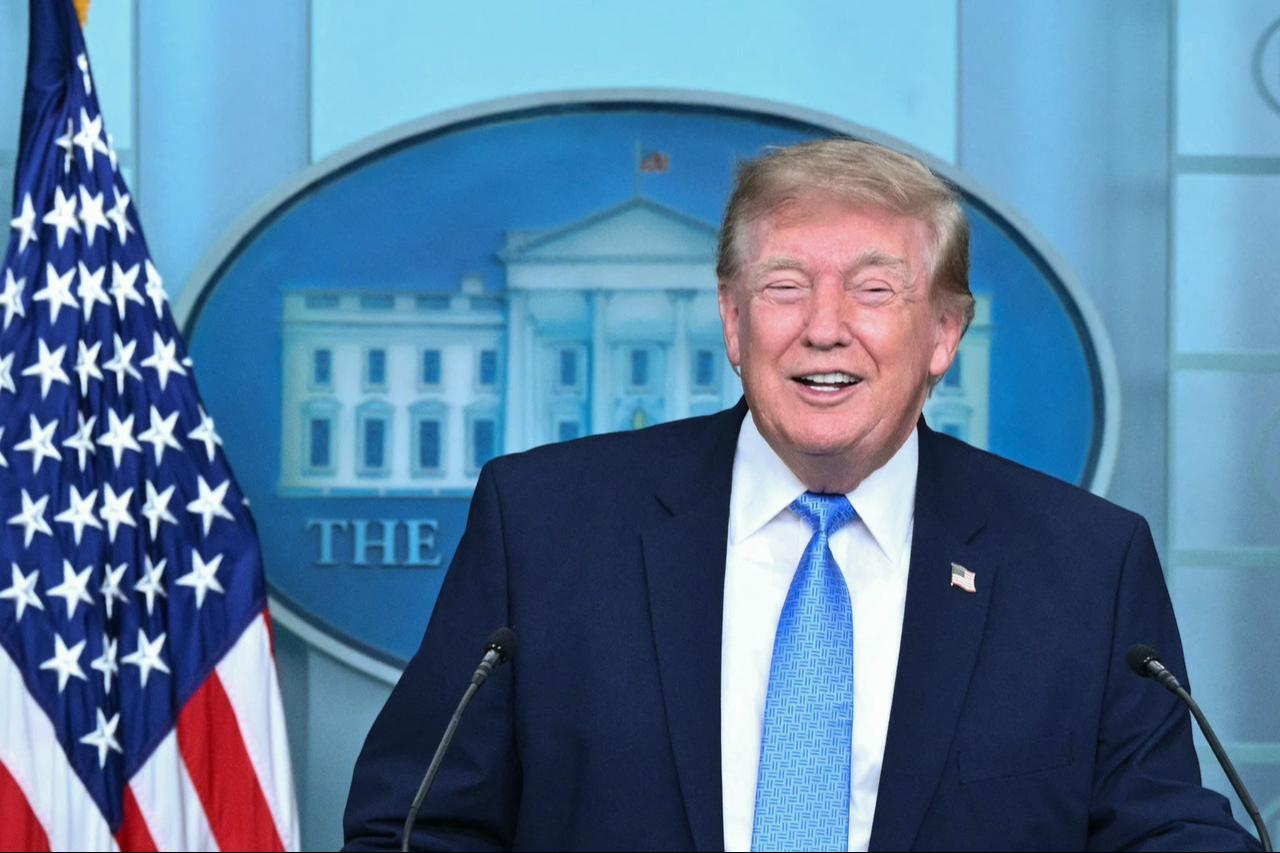
Speaking at the White House after meeting with Qatari Prime Minister Sheikh Mohammed bin Abdulrahman, Trump indicated that Washington would hold off on additional strikes while remaining prepared to resume military operations if necessary.
"At this point, taking the military action doesn't seem to be a very necessary thing — but we're locked and loaded, ready to go for any reason," he told reporters.
Trump also pointed to progress toward ending the conflict, adding that he expected it to conclude fairly soon.
"We're seeing momentum toward the end of this conflict. I think it's going to be ending fairly soon," he said.
The U.S. president also expressed hope that Washington could reach an agreement with Tehran, although he maintained that American forces remained ready for further action.
His remarks helped pull down the geopolitical risk premium in oil prices, as traders reassessed the likelihood of further disruptions to crude shipments from the region.

Beyond diplomatic developments, growing concerns over a global supply surplus are adding to the downward pressure on crude prices.
JPMorgan estimated that the global oil market recorded a surplus of around 1.4 million barrels per day in October, as high prices weighed on demand and production increased.
OPEC's oil output also rose in October, led by higher production in Saudi Arabia, Kuwait and Iraq, according to a Reuters survey, despite continued export constraints.
Meanwhile, attacks on shipping around the Strait of Hormuz continue, but they have not escalated enough to restore a significant geopolitical risk premium, according to market analysts.
The U.S. naval blockade in the strait also remains in place, leaving the market exposed to potential supply disruptions if tensions flare up again.
Investors are also watching diplomatic efforts in the Middle East, including Qatar's mediation, for signs of a broader agreement between Washington and Tehran.
The U.S. Energy Information Administration's Short-Term Energy Outlook, due later Tuesday, is expected to provide fresh forecasts for global oil supply, demand and prices.


 Set as preferred source
 Set as preferred source


 2 min read
 1 min read