Newsletters


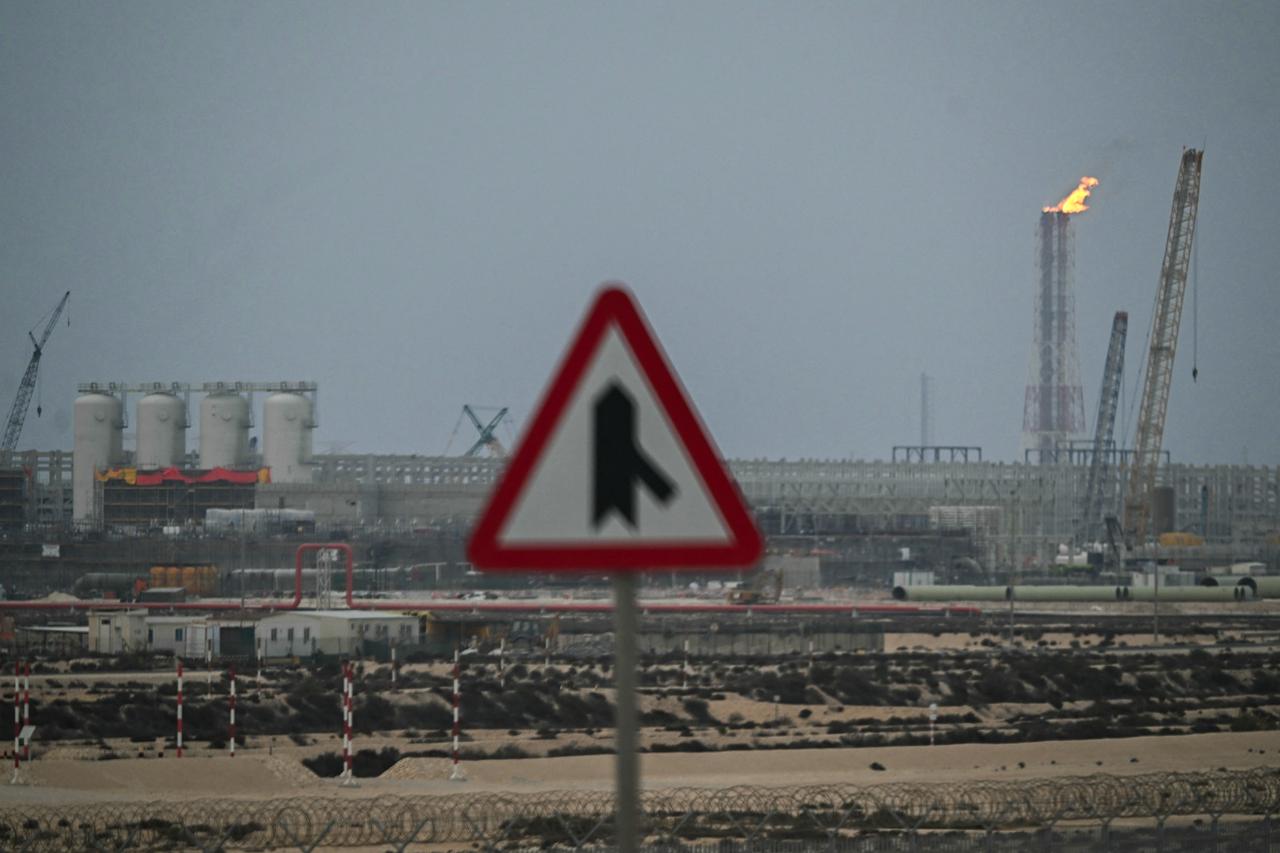


Qatar's energy minister warned that the Middle East war could "bring down the economies of the world," predicting all Gulf energy exporters would shut down production within weeks, driving crude oil to $150 a barrel and gas prices to nearly four times pre-war levels, in a stark assessment of the conflict's global economic impact.
Energy Minister Saad al-Kaabi told the Financial Times (FT) that even if the war ended immediately, it would take Qatar "weeks to months" to return to a normal cycle of deliveries following an Iranian drone strike at its Ras Laffan plant, the heart of its liquefied natural gas operations.

Qatar, the world's second-largest LNG producer, was forced to declare force majeure this week after the strike. Kaabi, who is also chief executive of QatarEnergy, said the company had no choice.
"We were actually informed by our military that there is an imminent threat to the facilities offshore. So we shut down operations safely, as safely as we can, and we mobilized around 9,000 people in 24 hours and brought them back," Kaabi said.
"When we have our people in danger and we're actually being hit in a military zone and we can't work anymore, and we can't put our people in harm's way, we have to declare force majeure," he added.
Production would not restart until there was a complete cessation of hostilities. "So the signal is when our military says there is a complete stop of hostilities and we are not being attacked anymore," Kaabi said.
"We are not going to put our people in harm's way," he added.
He said Qatar's $30 billion development to increase production capacity at its vast North Field gas field from 77 million to 126 million tonnes a year by 2027 would also be delayed.
The first production was to begin in the third quarter of this year.
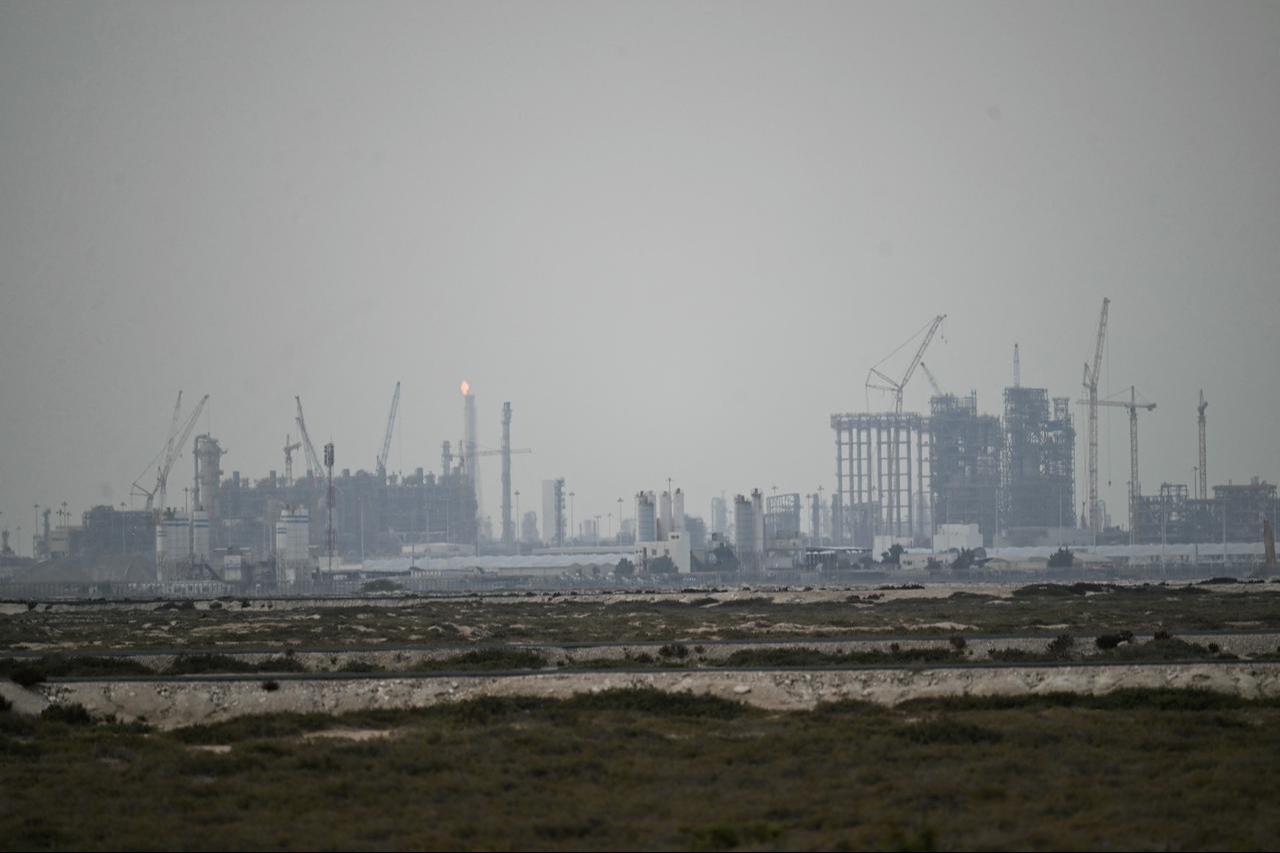
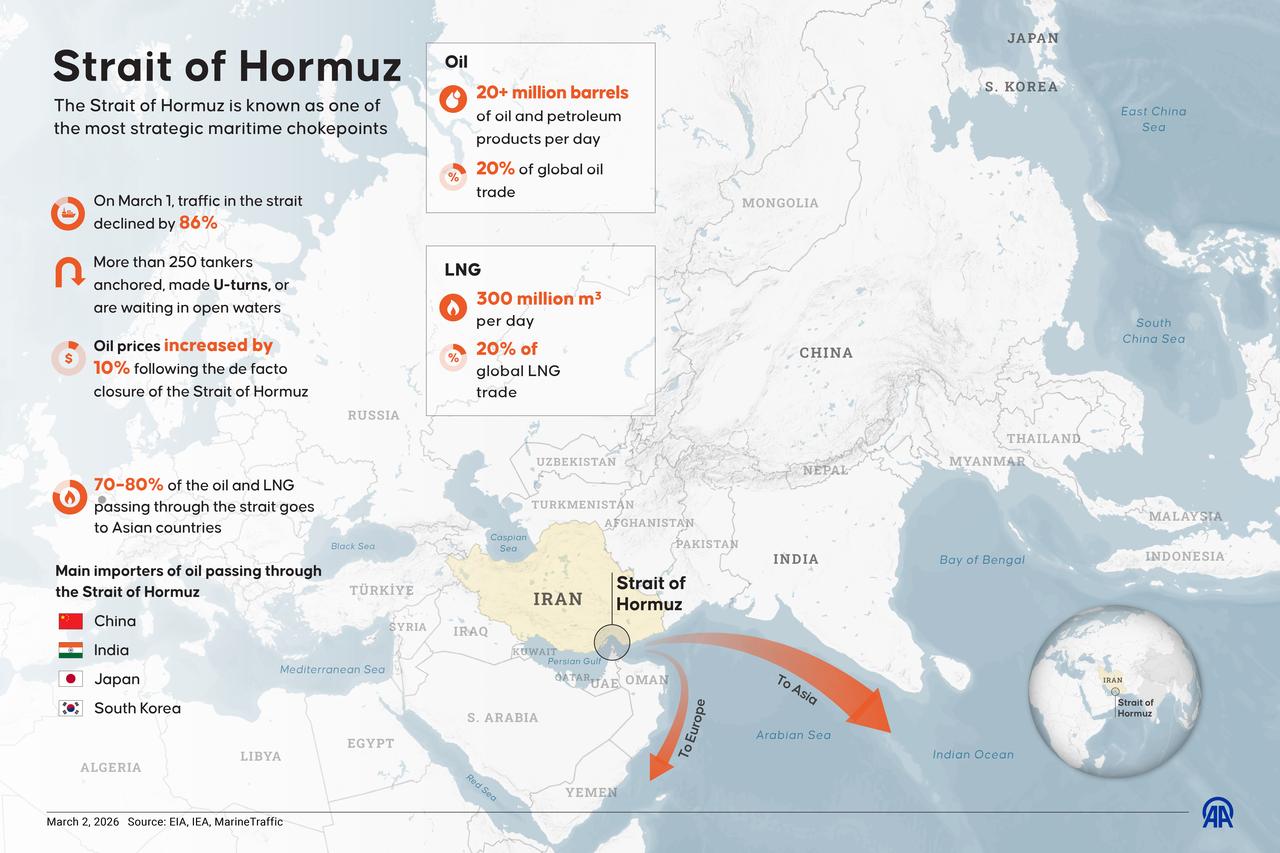
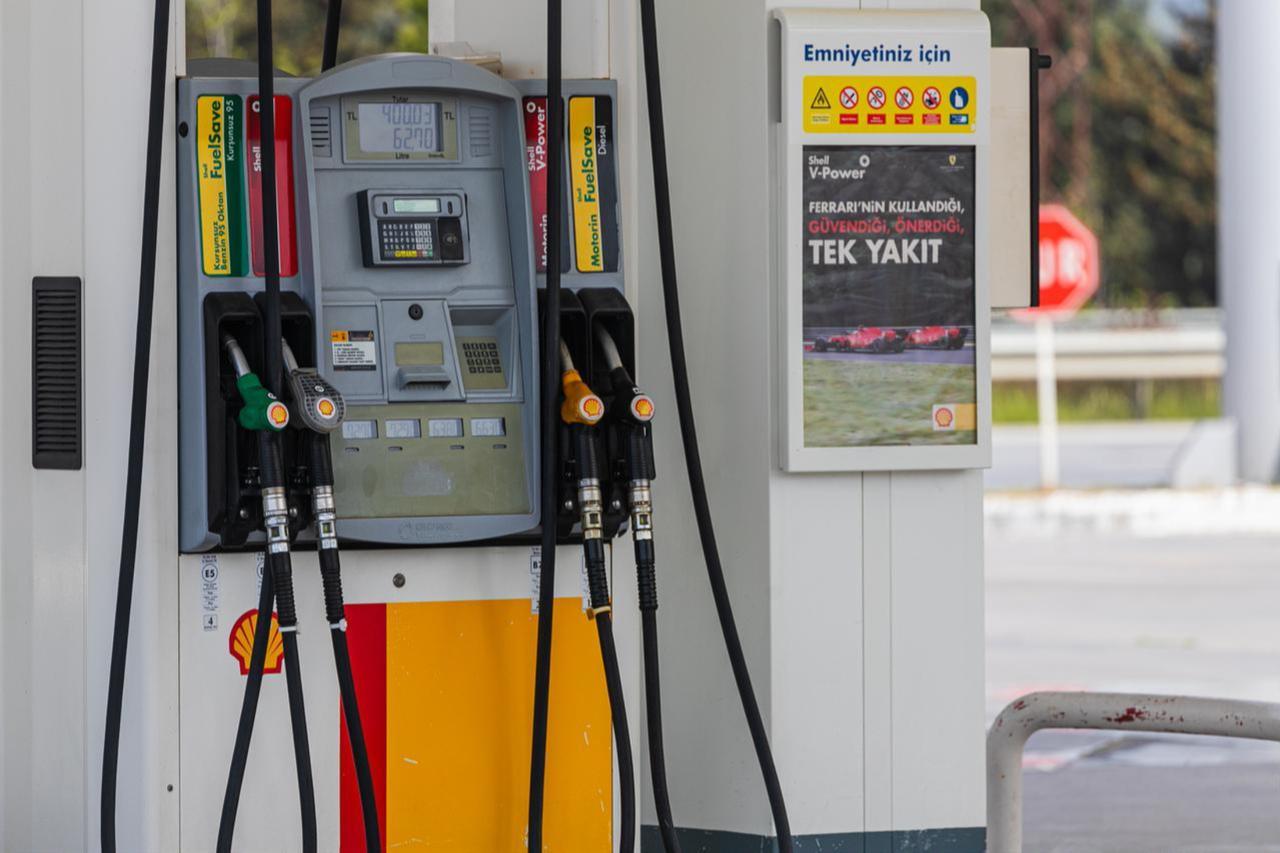
Kaabi forecast that crude prices could soar to $150 a barrel within two to three weeks if tankers remained unable to pass through the Strait of Hormuz, through which a fifth of the world's oil and gas passes. He predicted gas prices would rise to $40 per million British thermal units, almost four times the level before the war began.
"Everybody who has not called for force majeure we expect will do so in the next few days if this continues. All exporters in the Gulf region will have to call a force majeure," Kaabi said.
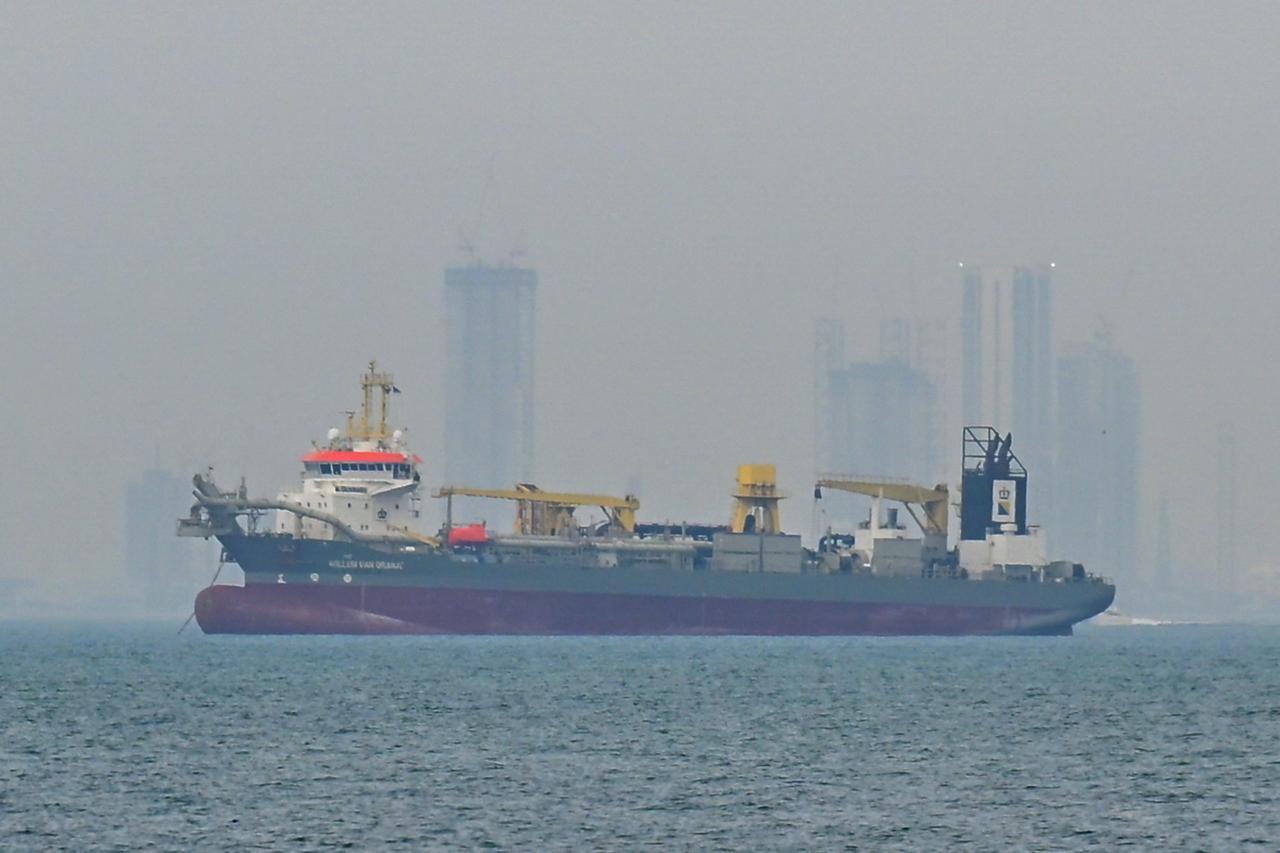
Traffic through the strait has ground to a halt since the U.S. and Israel launched their attack on Iran on Saturday. At least 10 ships have been hit, insurance premiums have soared and shipping owners have been unwilling to risk their vessels and crews.
Kaabi said it would remain unsafe for vessels to transit the strait, which is just 24 miles wide at its narrowest point and traces the Iranian coastline, as long as the war continued.
"The way that we are seeing the attacks, bringing ships into the strait, it's too dangerous. It's too close to the shore to bring ships in. It will be difficult to convince ships to go in," he said, adding that ship owners would see themselves as bigger targets because Iran was already targeting military ships.
While U.S. President Donald Trump had offered U.S. Navy escorts and additional insurance, Kaabi indicated this would be insufficient to resume safe passage.
Kaabi warned the disruption would reverberate far beyond energy markets. "If this war continues for a few weeks, GDP growth around the world will be impacted. Everybody's energy price is going to go higher. There will be shortages of some products and there will be a chain reaction of factories that cannot supply," he said.
"In addition to energy, there will be a halt on all other trade between the Gulf and the world, which will have a significant effect on the economies of the Gulf and all the trading partners around the world," he added, noting the region produces much of the world's petrochemicals and fertilizer feedstocks.
He said while there had been no damage to Qatar's offshore operations, the onshore aftermath was still being assessed.
"We don't yet know the extent of the damage, as it is currently still being assessed. It is not clear yet how long it will take to repair," he stated.
Even after restarting, Kaabi predicted huge logistical challenges. Only six or seven of Qatar's fleet of 128 tankers were on hand. "Each ship takes a day or two and you can load six or seven at a time," he said, explaining the length of time required to restore normal deliveries.
He rejected the notion that the force majeure declaration would damage Qatar's reputation as the most reliable LNG supplier.
"We don't think anybody would dare to come to us and say we are not reliable because you were being bombed and you did not deliver," he stated.
Replacing the lost deliveries on the open market was impossible, adding that, "Let's assume you want to buy 77 million and deliver it to customers, there is no 77 million tonnes lying around for you to buy."
While Qatar only exports a small proportion of its gas to Europe, Kaabi said the continent would feel significant pain as Asian buyers outbid Europeans for whatever gas remained available.


 Set as preferred source
 Set as preferred source


 1 min read
 1 min read